Quick answer
Millipedes (Diplopoda) typically live around 1–10 years (varies by species). Wild averages fall when predation, disease, or habitat loss rise; managed populations can live longer with stable food and veterinary care.
Key takeaway
Millipedes (Diplopoda) typically live around 1–10 years (varies by species). Wild averages fall when predation, disease, or habitat loss rise; managed populations can live longer with stable food and veterinary care.
Millipede lifespan in the wild
Field and museum records place most millipedes near 1–10 years (varies by species). That figure blends ages at death across regions, so treat it as a planning range. Body size (about 0.02 kg) and risk lifestyle both shape the average.
What shortens millipede lives
Predation, infectious disease, injury, food shortages, and habitat fragmentation cut survival. Roadkill and human conflict matter wherever millipedes share landscapes with people.
What helps millipedes live longer
Connected habitat, low chronic stress, and reliable food support longevity. For captive or domestic relatives, species-correct diet and veterinary screening matter more than generic “pet” advice.
Millipede life stages
Juveniles usually face higher mortality than prime adults. Older animals may move less, show dental wear, or lose body condition — useful signs when ageing millipedes in the field.
Defense
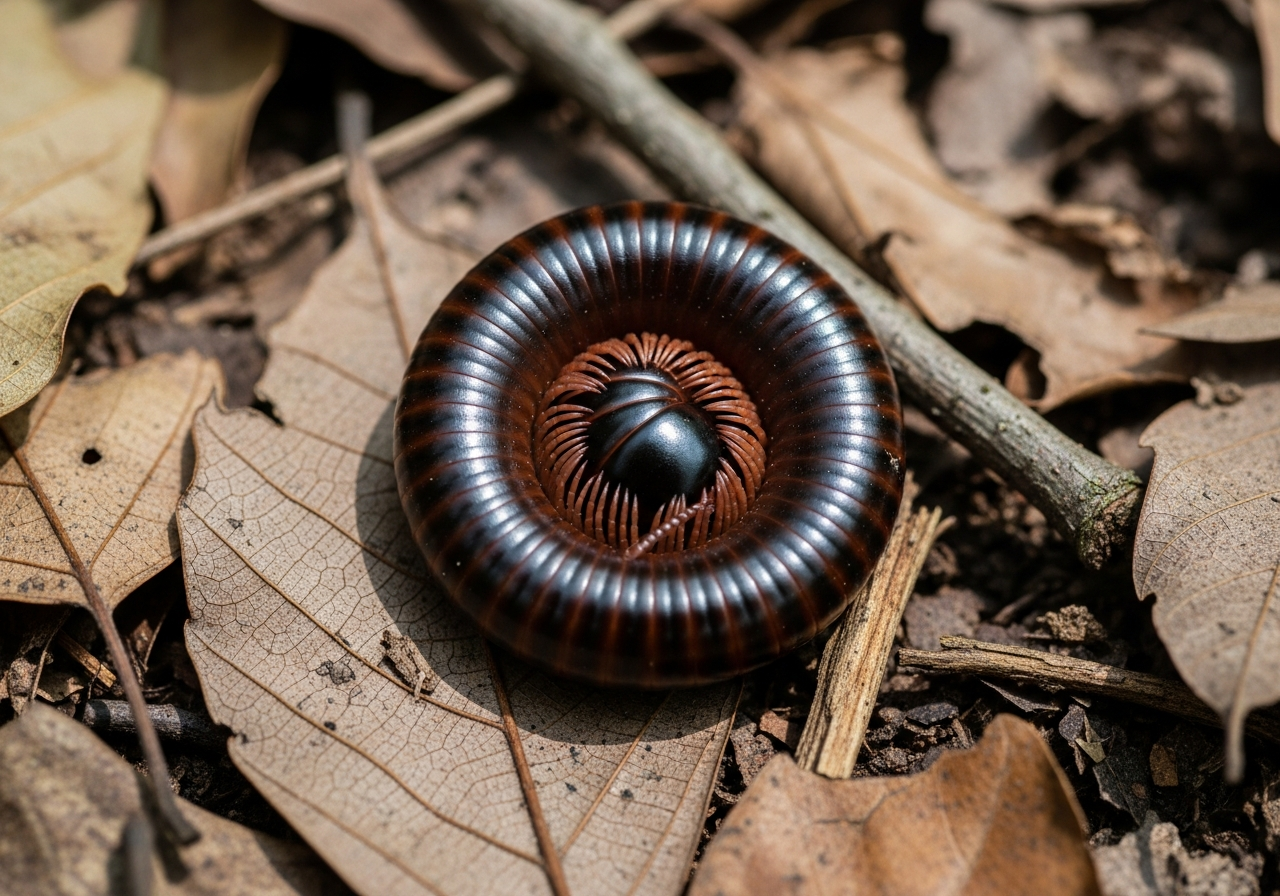
Millipedes are slow and cannot bite or sting, so they rely on other defenses. When threatened, most curl into a tight spiral to protect their soft undersides and legs. Many species also release foul-smelling or irritating chemicals from special glands, and some produce compounds strong enough to deter or harm predators.
Habitat and life cycle
Millipedes live in soil, leaf litter, and rotting wood in damp habitats on every continent except Antarctica. They lay eggs in the soil, and the young hatch with few segments and legs, adding more each time they molt. Many species are long-lived for invertebrates, surviving several years in suitable conditions.
Sources
Millipede FAQs
How long do millipedes live?
Millipedes (Diplopoda) typically live around 1–10 years (varies by species). Wild averages fall when predation, disease, or habitat loss rise; managed populations can live longer with stable food and veterinary care.
What is the scientific name of the millipede?
Diplopoda — used in research and conservation listings for millipedes.
What do millipedes eat?
Millipedes eat decaying leaves and plant matter, with seasonal and regional variation in Soil and leaf litter worldwide.
Where do millipedes live?
They are associated with Soil and leaf litter worldwide. Local presence depends on food, cover, and human land use.
What is the conservation status of millipedes?
Listed in our guides as Least Concern. Check the IUCN Red List and national assessments for the latest formal category.