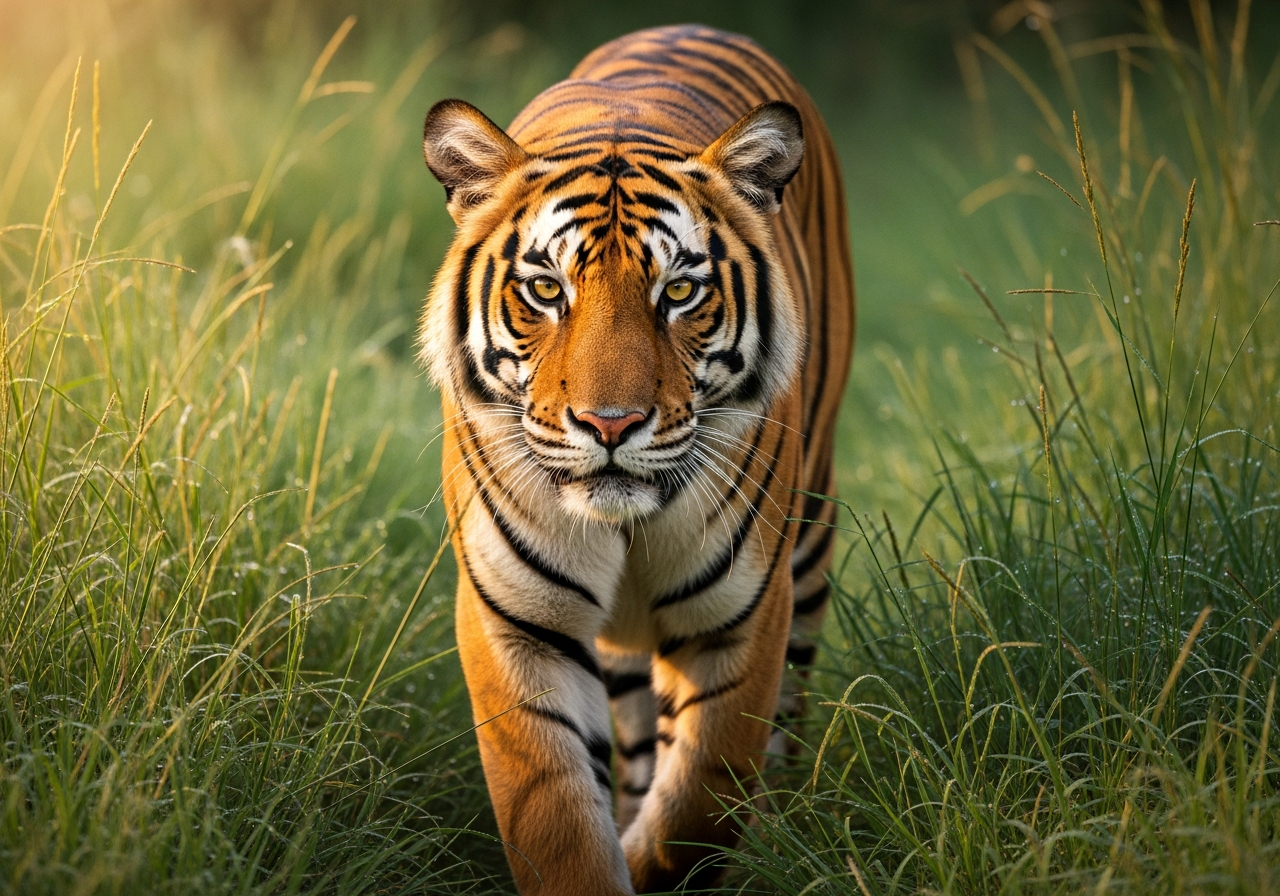
Mammal
Tiger
The largest cat species on Earth
Trusted wildlife guides
Friday, 25 September 2026Animals
All AnimalsAnimals A–ZCollectionsSharksBig CatsBearsSnakesFrogs and ToadsTurtles and TortoisesWhales and DolphinsPrimatesLearn biologyEducator packsHabitats & biomesRegionsBrowse by Class, Diet & HabitatIdentify WildlifeCollective NounsBaby AnimalsAnimal of the DayYOUR FIELD GUIDE TO A LIVING PLANET
From the familiar to the extraordinary. Explore animal facts, understand their wild lives, and discover why they matter.
Social lives. Powerful predators. A fragile future.
FOLLOW YOUR CURIOSITY
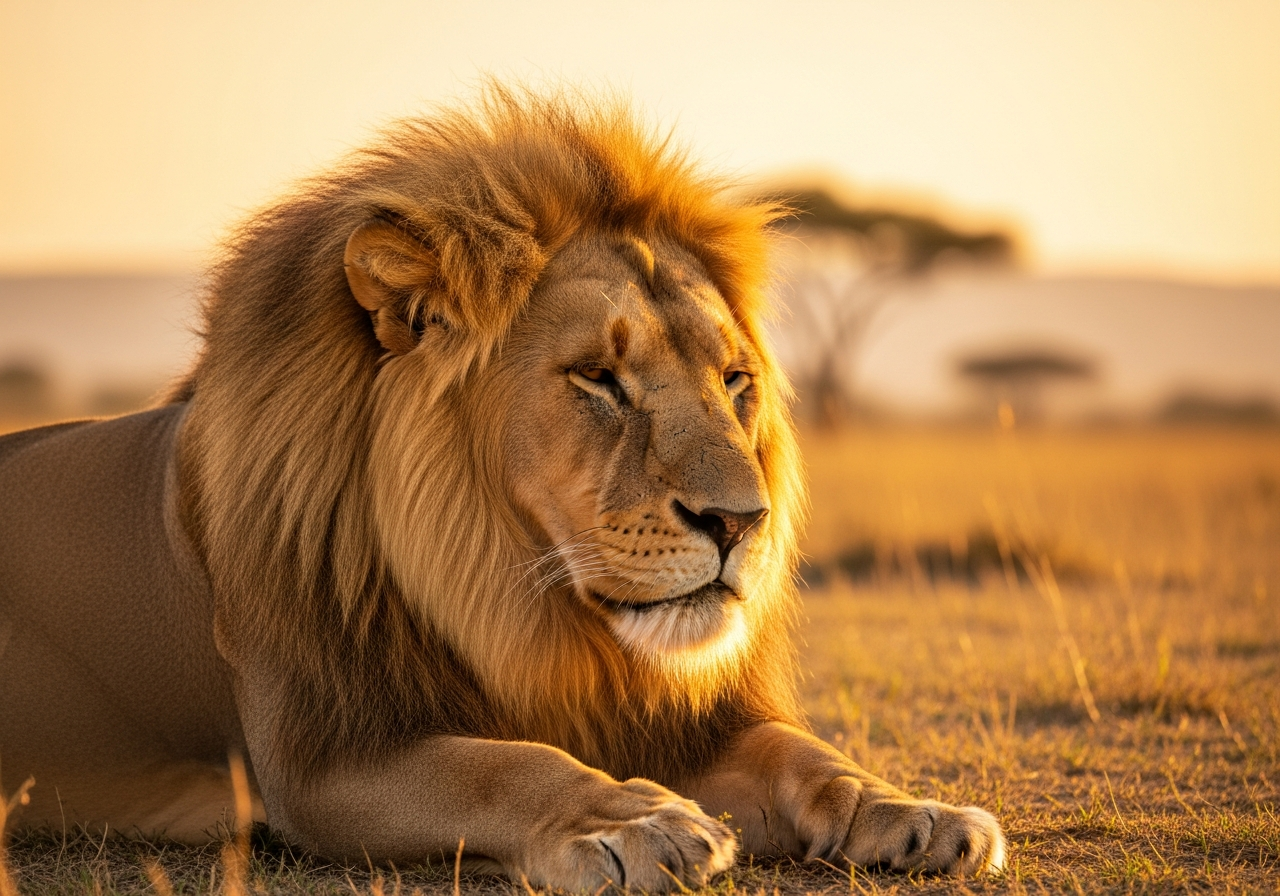
Lions, elephants & primates
↗02Penguins, eagles & parrots
↗03Snakes, crocodiles & turtles
↗04Sharks, rays & reef fish
↗05Frogs, newts & axolotls
↗06Spiders, octopuses & more
↗Looking for bees and butterflies? Explore our dedicated insect guides. Insects belong to the wider invertebrate group.
FAMILIAR FACES. SURPRISING LIVES.
Our editorial starting points, from big cats to the remarkable axolotl.
Mammal
The largest cat species on Earth
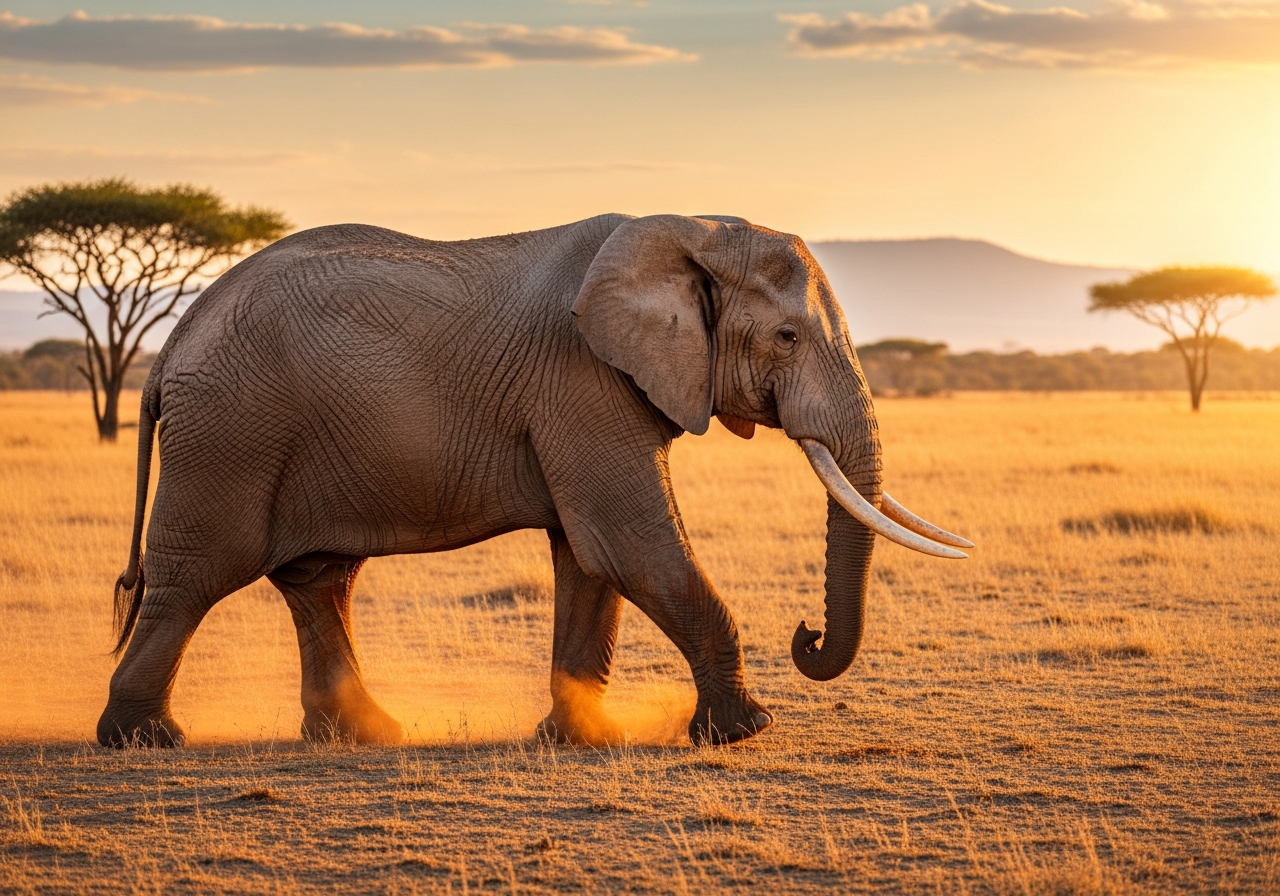
Mammal
The largest land animal alive today
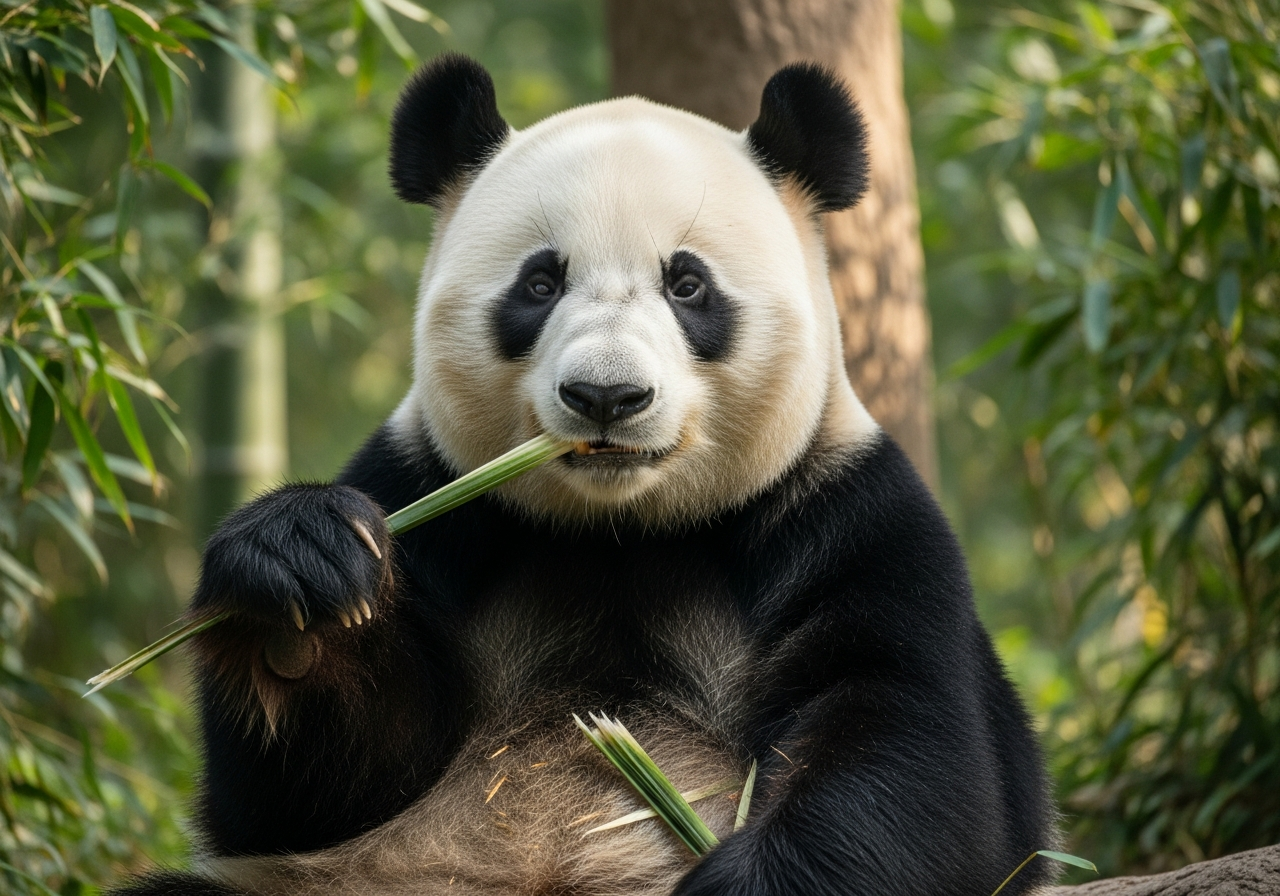
Mammal
The bamboo-eating bear of China's mountains
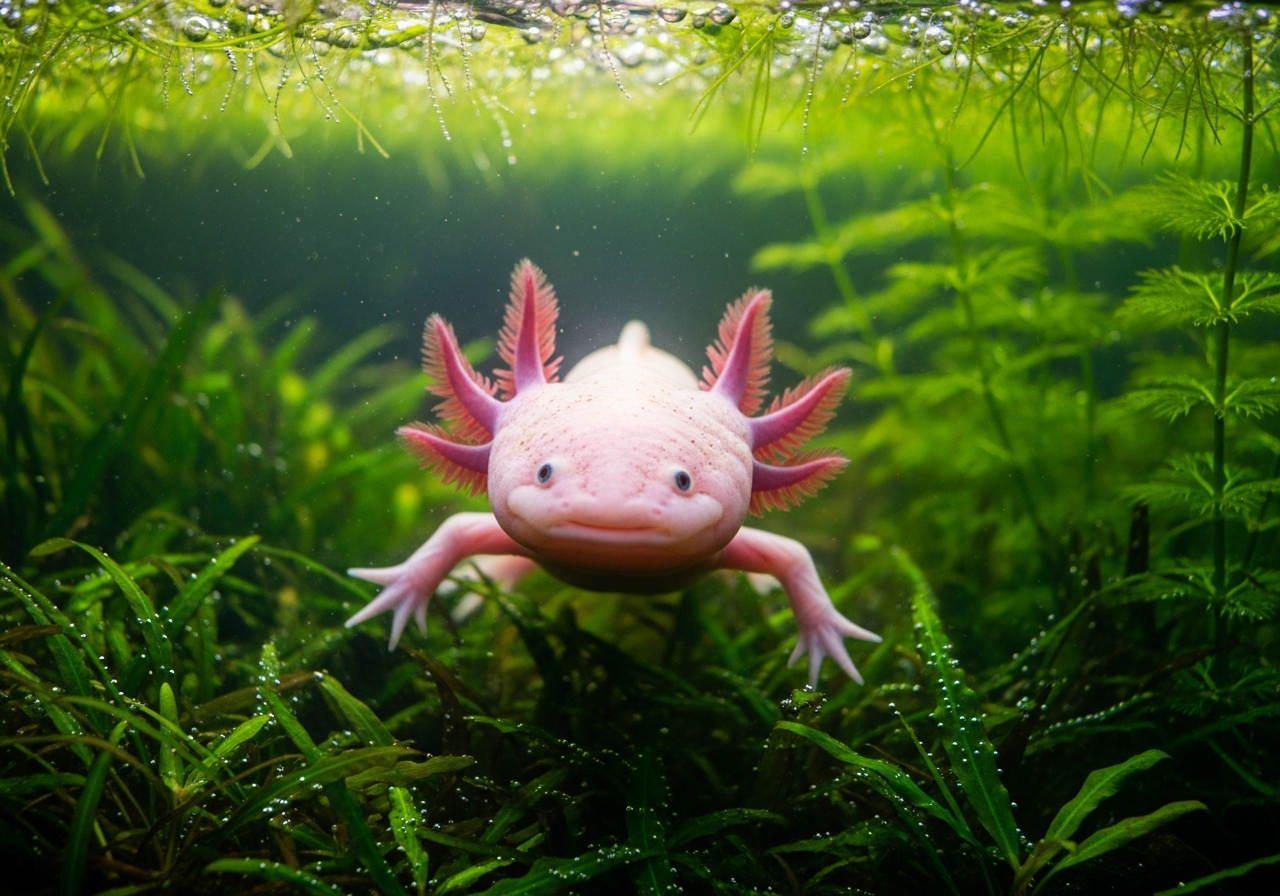
Amphibian
The salamander that never grows up and can regrow body parts
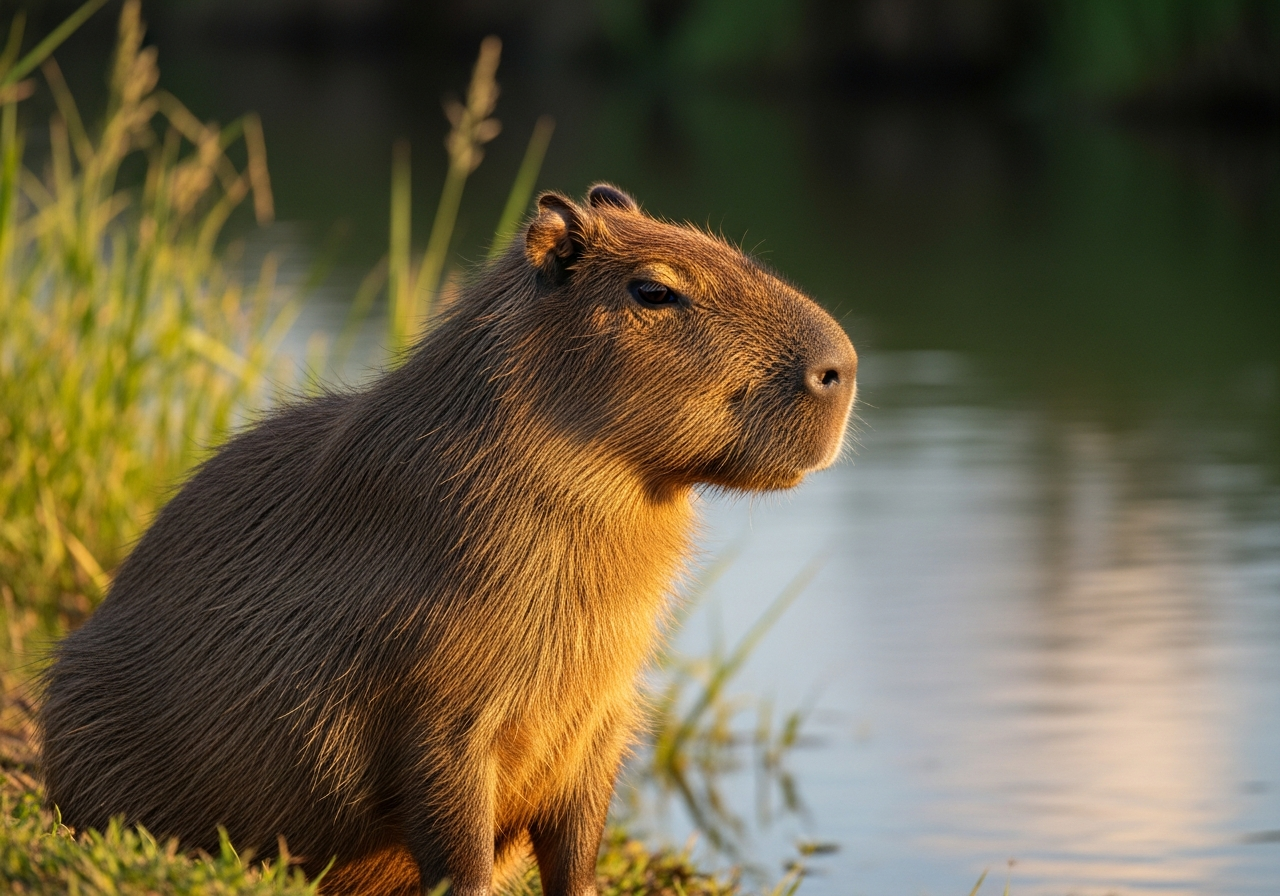
Mammal
The world's largest rodent
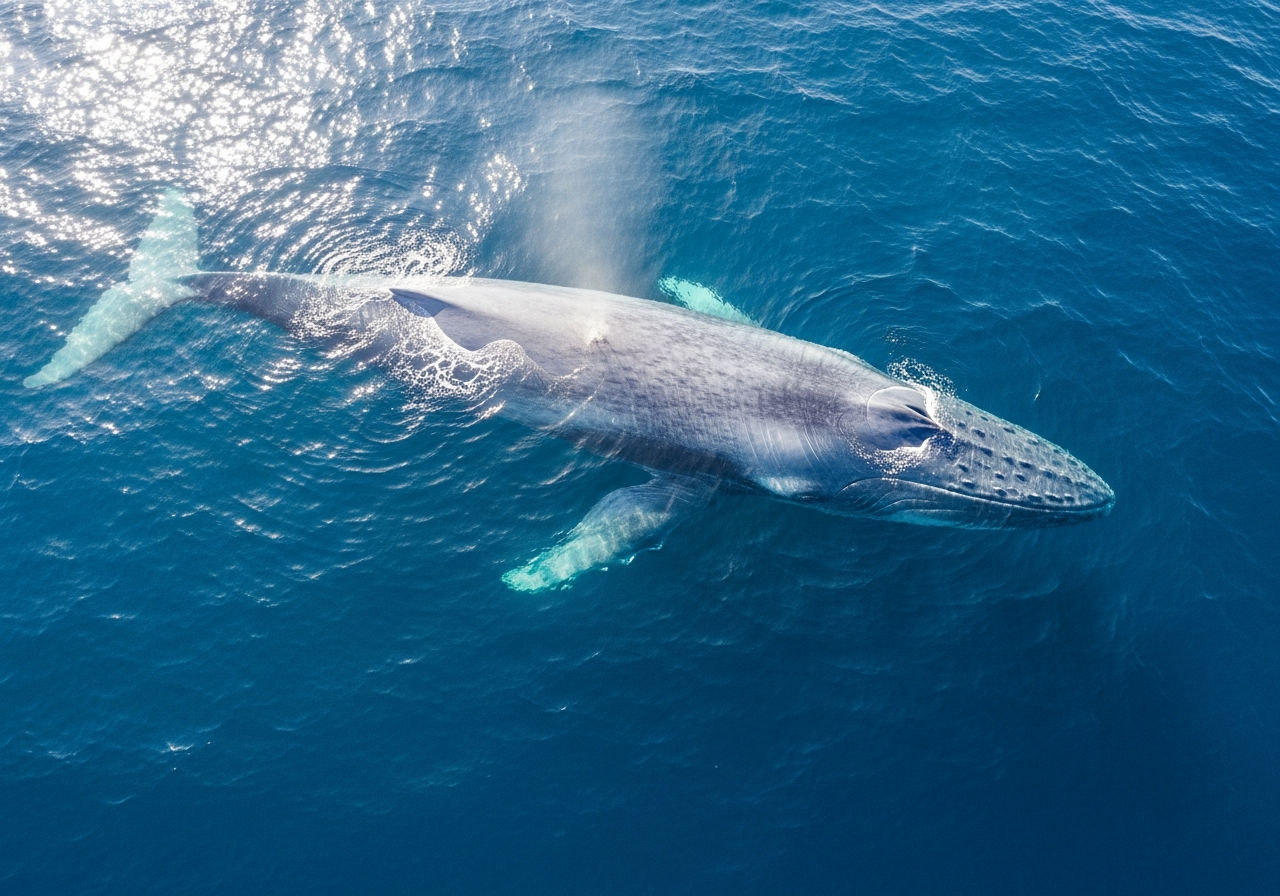
Mammal
The largest animal that has ever lived
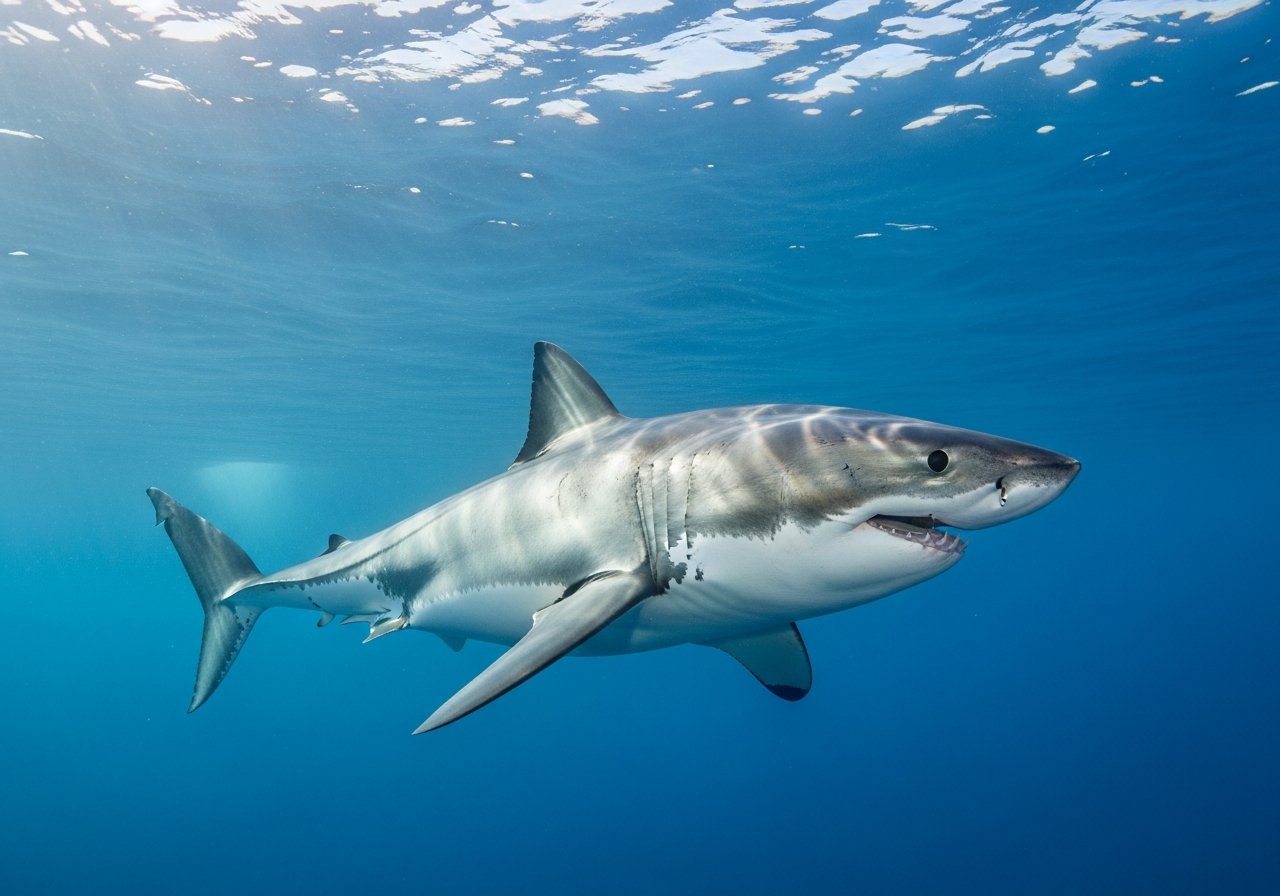
Fish
The ocean's most famous apex predator
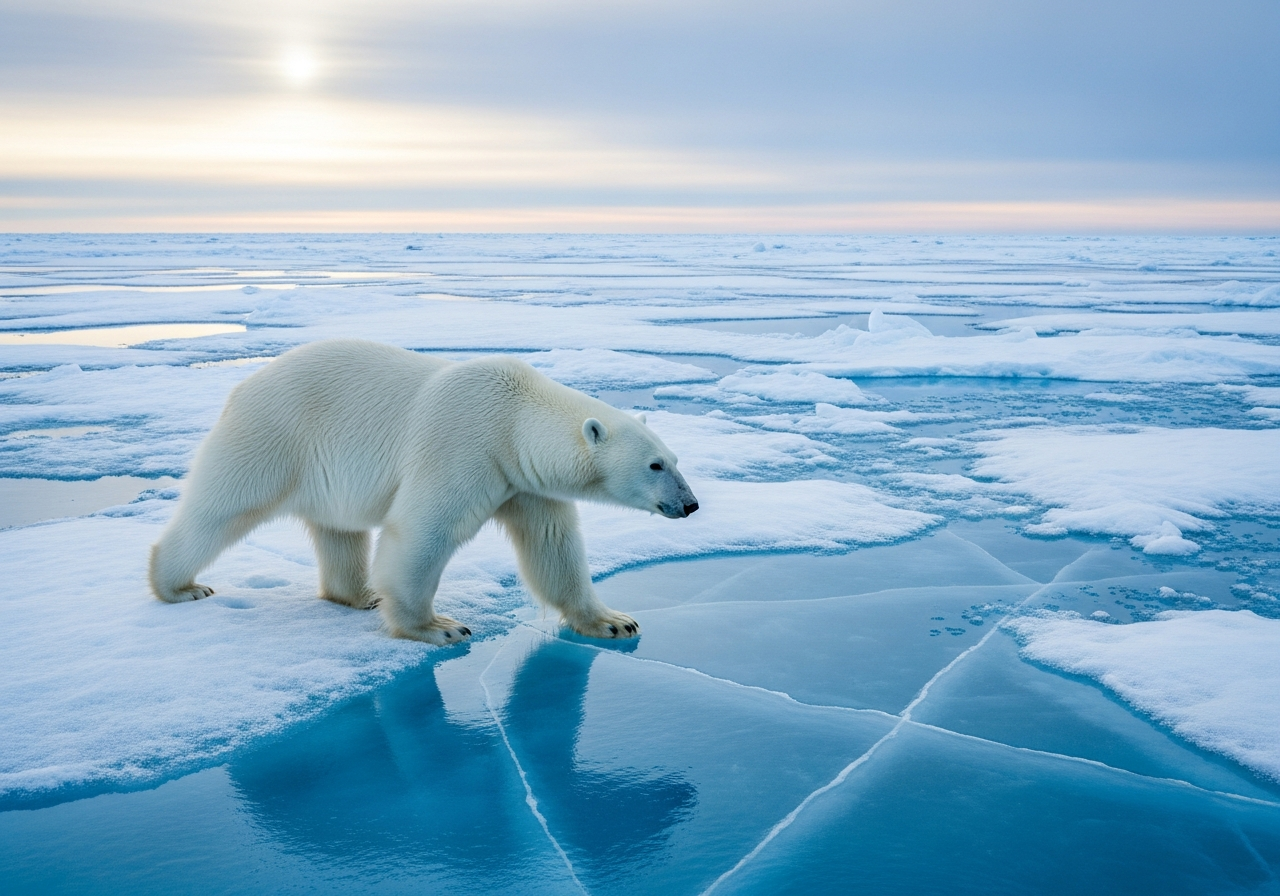
Mammal
The largest land carnivore, ruler of the Arctic
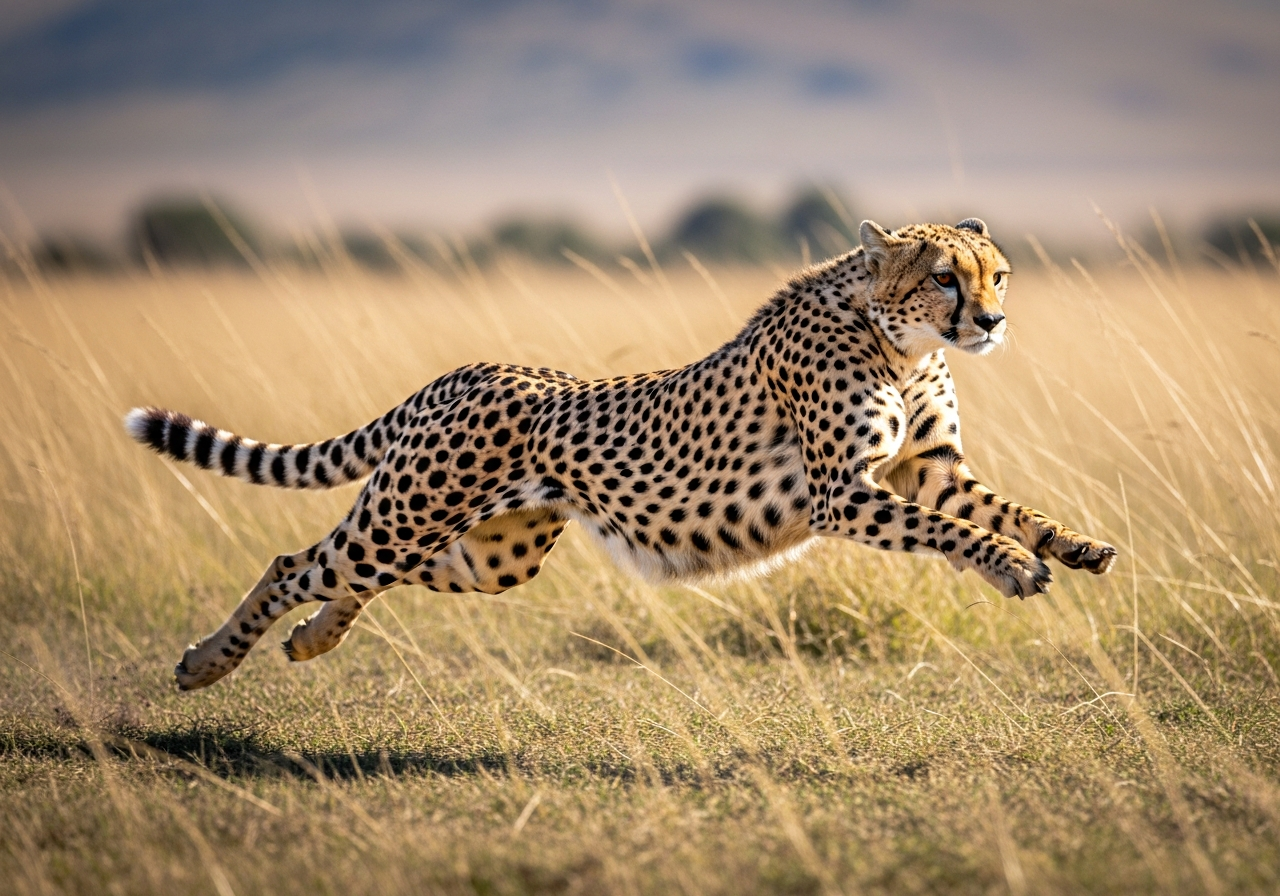
Mammal
The fastest land animal on Earth
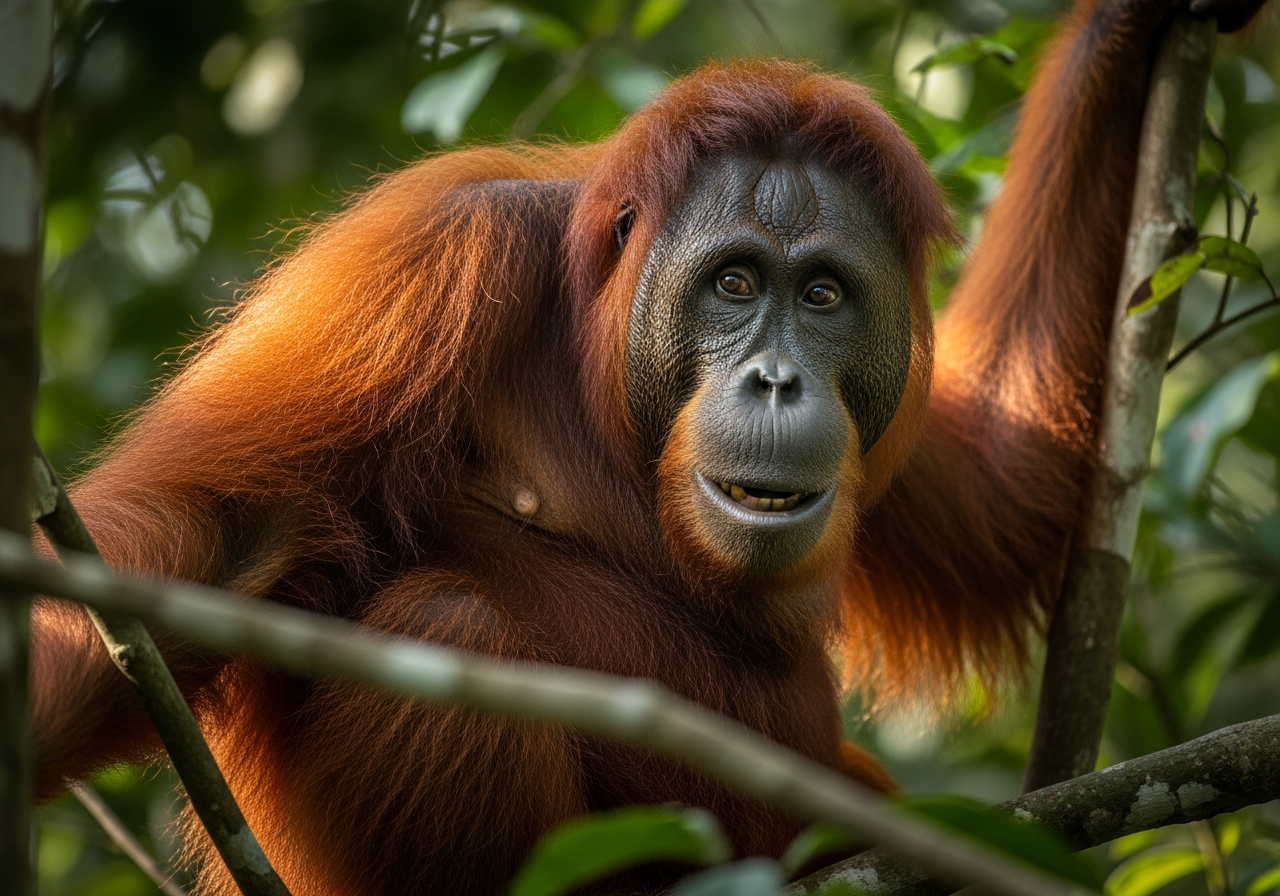
Mammal
The great ape of the Southeast Asian rainforest

Mammal
Humanity's oldest animal companion

Mammal
The world's favorite small predator
GO A LITTLE DEEPER
Look beyond the spots. Compare hunting, habitats and the threats facing wild cats.
Whales are mammals. Sharks are fish. Explore how very different animals share the sea.
Start with species needs, then explore responsible care and the questions to ask your vet.
SMALL QUESTIONS. BIG DISCOVERIES.
Clear answers, with the context that makes them useful.
Explore animal answers ↗The cheetah is the fastest land animal over short sprints. Running speed, diving speed and sustained travel are different records.
Read the explanation →The blue whale is the largest living animal. On land, the African savanna elephant is the largest living animal.
Read the explanation →Endangered is an IUCN category indicating a very high risk of extinction in the wild. It is different from Vulnerable and Critically Endangered.
Read the explanation →Not always. Young wildlife may be waiting for a parent nearby. Observe from a distance and contact a local wildlife professional before intervening.
Read the explanation →TURN UNDERSTANDING INTO CARE
Give wildlife space. Make your surroundings safer. Choose support with clear evidence of where it goes.
Found an animal that needs help? ↗Practical ways to support the wildlife around you.
Know what responsible wildlife encounters look like.
Read the Kalimantan wildlife-fire evidence, proposed response and current funding terms.
Related organisation: World Animal Rescue Network is a UK CIC, not a registered charity. It is developing its grant-making work. Appeal targets and proposed activities are not completed results. Read WARN’s funding disclosures ↗
FOR THE NEXT GENERATION OF EXPLORERS
Search by common or scientific name, browse Animals A–Z, or choose an animal group. Profiles bring together diet, habitat, behaviour, conservation, frequently asked questions and references.
The homepage is an editorial selection of familiar wildlife, unusual species and companion animals. It is not a live search-volume ranking.
Follow the references on each guide and check their publication or assessment dates. Global extinction-risk categories, local populations and captive animals describe different things. Report a suspected error through our corrections page.
No. Global Animal Guide is an educational site. Our wildlife-help guide points to local professional support. We also link to World Animal Rescue Network, a UK community interest company developing grant-making work; read each appeal’s current terms and recipient status before donating.