The chicken (Gallus gallus domesticus) is a bird of the family Phasianidae, in the order Galliformes.
Quick answer
The chicken (Gallus gallus domesticus) is the world's most common bird, a domesticated descendant of the red junglefowl of Southeast Asia. Kept worldwide for eggs, meat, and companionship, a typical bird weighs 1.5 to 3 kg (3.3 to 6.6 lb) depending on breed. Chickens are ground-feeding omnivores that can flutter for short bursts at up to 15 km/h (9 mph). Well-kept backyard birds commonly live 5 to 10 years.
Top questions about the Chicken
Also available in Español (Gallina)
Chicken facts at a glance
- Weight 2.5 kg
- Length 50 cm
- Top speed 15 km/h
- Lifespan 8 years
| Scientific name | Gallus gallus domesticus |
|---|---|
| Diet | Omnivore — grain, insects, vegetation, and scraps |
| Habitat | Domestic worldwide; origin in Southeast Asian forest edge |
| Lifespan | 5–10 years (backyard); commercial layers shorter |
| Weight | 1.5–3 kg (3.3–6.6 lb); breeds vary widely |
| Top speed | Up to 15 km/h (9 mph); brief fluttering flight |
| Conservation status | Domesticated (IUCN) |
| Kingdom | Animalia |
|---|---|
| Phylum | Chordata |
| Class | Aves |
| Order | Galliformes |
| Family | Phasianidae |
| Genus | Gallus |
Where it lives
The chicken (Gallus gallus domesticus) is native to Domesticated worldwide; wild ancestor red junglefowl native to Southeast Asian forest edges. — recorded across Africa, Asia, Europe, North America, Oceania, South America in this guide’s range summary.
For occurrence records, see GBIF species search and sources below.
How big is a chicken?
An adult chicken measures 50 cm long — about 29% of the height of an average adult person (1.73 m) — and weighs around 2.5 kg, about 4% of an average adult’s body weight (70 kg).
Length vs an average adult’s height (to scale)
What is a group of chickens called?
Group name (collective noun)
A group of Chickens is called a flock.
Baby name
A baby Chicken is called a chick.
Explore more animal collective nouns and baby animal names .
Origin and domestication
The chicken descends primarily from the red junglefowl, a colourful pheasant-like bird of the forest edges of Southeast Asia, with some genetic input from related junglefowl species. People began keeping these birds thousands of years ago, initially as much for cockfighting and ritual as for food. From this single wild ancestor, selective breeding has produced the enormous variety of chickens kept today. The species now lives on every inhabited continent and is by far the most numerous bird on Earth.
Breeds and appearance
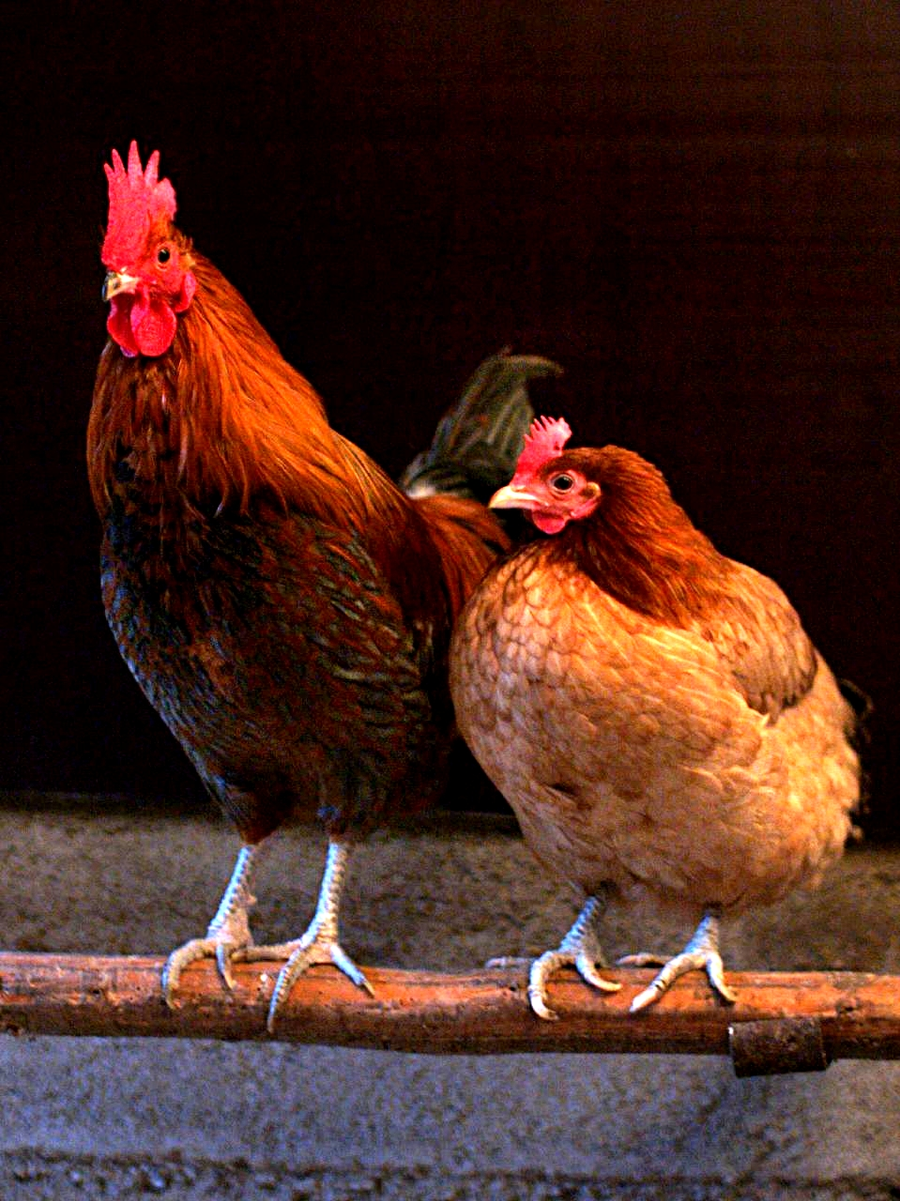
There are hundreds of chicken breeds, ranging from tiny bantams weighing under a kilogram to heavy birds of 4 kg or more, though most fall between 1.5 and 3 kg (3.3 to 6.6 lb). Breeds are often grouped by purpose: layers such as the Leghorn are prized for eggs, table breeds for meat, and dual-purpose birds like the Rhode Island Red for both. Ornamental and heritage breeds come in a striking range of colours, comb shapes, and feather patterns. Both sexes carry a fleshy comb and wattles, which are usually larger and redder in the cockerel.
Eggs and reproduction
A productive laying hen can produce well over 250 eggs a year, though she will lay whether or not a cockerel is present. When she does go broody, she incubates a clutch of eggs for about 21 days before they hatch. Newly hatched chicks are covered in down and able to walk and feed almost at once, following the mother hen closely. The hen protects and warms her brood, teaching them to forage until they are old enough to fend for themselves.
Care and husbandry
Chickens are hardy and adaptable, which is part of why they are kept so widely, but they still need thoughtful care. They require a secure, well-ventilated coop that protects them from foxes and other predators, clean water, and a balanced feed supplemented by grain, insects, vegetation, and kitchen scraps. Access to grit helps them grind food in the gizzard, and space to roam keeps them active and content. With good husbandry, backyard chickens commonly live 5 to 10 years.
Dig deeper into the Chicken
- Chicken: Key Facts
Chickens descend from red junglefowl domesticated in Southeast Asia over 8,000 years ago — over 25 billion alive at any time for eggs and meat.
- How Long Do Chickens Live?
Chicken lifespan is typically 5–10 years (backyard); commercial layers shorter. What shortens or extends life, life stages, and status (Domesticated).
- How Long Do Chickens Live?
Chicken lifespan is typically 5–10 years (backyard); commercial layers shorter. What shortens or extends life, life stages, and status (Domesticated).
- What Do Chickens Eat?
What chickens eat: Omnivore — grain, insects, vegetation, and scraps, foraging style, and seasonal shifts in Domestic worldwide; origin in Southeast Asian forest edge.
- Where Do Chickens Live?
Where chickens live: Domestic worldwide; origin in Southeast Asian forest edge, native range cues, and human overlap. Status Domesticated.
Explore the Chicken
Close relatives
- Rooster Same genus
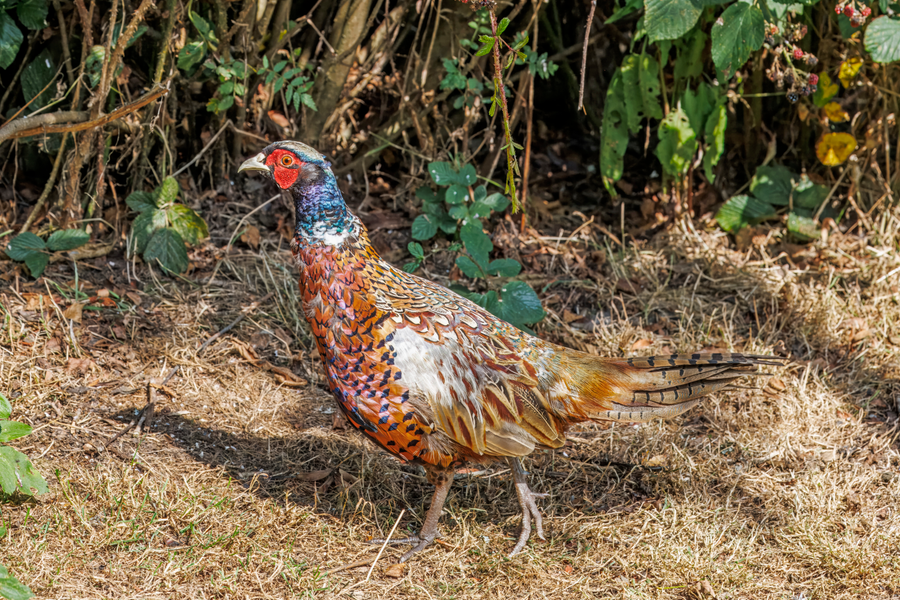
- Common Pheasant Same family
- Peacock Same family
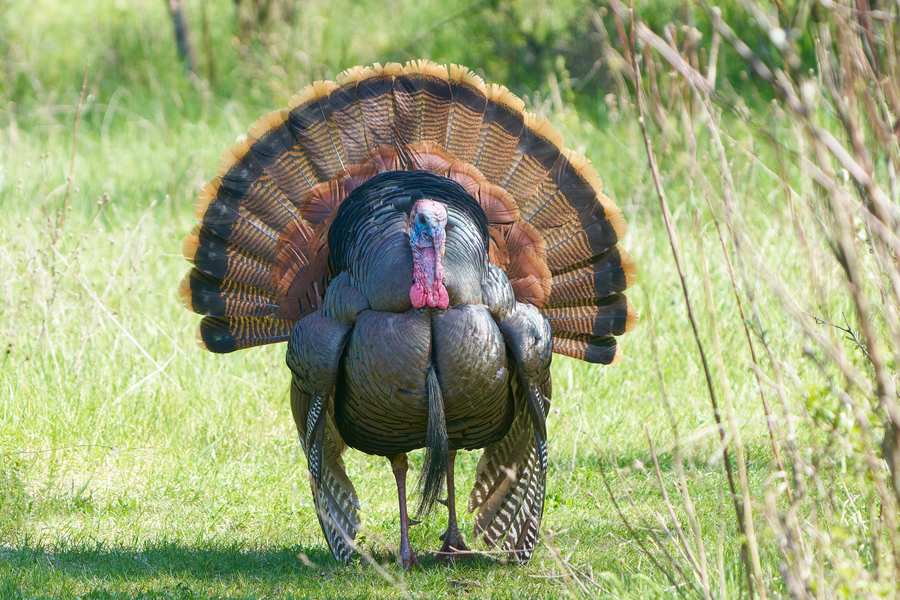
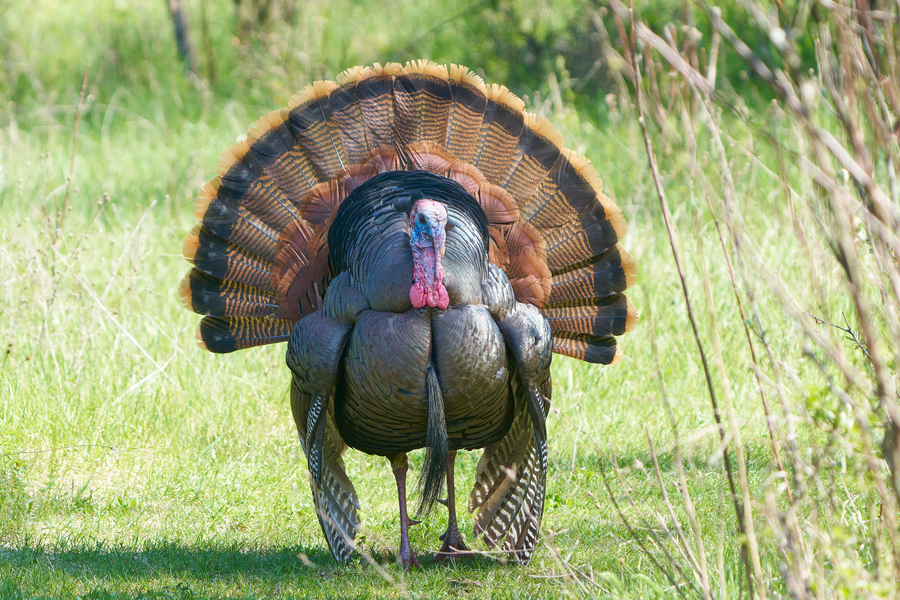
- Wild Turkey Same family
Did you know? Chicken facts
- Chickens are domesticated junglefowl raised globally for eggs and meat — over 25 billion alive at any time.
- Brief fluttering flights over fences — not sustained flight.
- Backyard hens often reach 8–10 years; commercial layers are shorter.
- Conservation: Domesticated.
Diet & feeding
Chicken feeds primarily as a omnivore — grain, insects, vegetation. Hens teach chicks what to eat and maintain strict pecking orders.
Adaptations
- Chickens were domesticated in Southeast Asia over 8,000 years ago.
- Hens teach chicks what to eat and maintain strict pecking orders.
Behaviour & ecology
- Chickens were domesticated in Southeast Asia over 8,000 years ago.
- Hens teach chicks what to eat and maintain strict pecking orders.
Communication
- Chicken uses calls and visual displays to communicate territory, alarm, and breeding status.
- Vocal repertoires vary by species and are often learned or refined during development.
Habitat & range
Domestic worldwide
Ecological role
Chicken contributes to seed dispersal, insect control, or nutrient cycling depending on diet and foraging habits.
Conservation status of the Chicken
The chicken (Gallus gallus domesticus) is listed as Domesticated on the IUCN Red List. Domesticated animals are species kept and selectively bred by humans over many generations, such as dogs, cats, and livestock. They are not assessed for extinction risk in the wild by the IUCN, because their populations are managed by people rather than subject to natural pressures.
The chicken (Gallus gallus domesticus) is assessed on the IUCN Red List. Look up on the IUCN Red List .
Frequently asked questions about the Chicken
How long do chickens live?
Well-kept backyard chickens commonly live 5 to 10 years, and some reach even older. Commercial laying and meat birds are usually kept for much shorter periods, so lifespan depends heavily on how a chicken is raised.
Can chickens fly?
Chickens can only manage brief, fluttering flights rather than true sustained flight. They may flap up to a perch, over a low fence, or across a yard at up to about 15 km/h (9 mph), but their heavy bodies keep them mostly on the ground.
What are chickens descended from?
Chickens are descended mainly from the red junglefowl, a wild bird of the forest edges of Southeast Asia, with some genetic input from related junglefowl. Thousands of years of domestication and selective breeding turned this wild bird into today's farmyard chicken.
Do hens need a rooster to lay eggs?
No. A hen will lay eggs whether or not a cockerel is present, and a healthy layer can produce well over 250 eggs a year. A rooster is only needed if you want the eggs to be fertile and hatch into chicks.
What do chickens eat?
Chickens are omnivores that eat grain, insects, worms, vegetation, and kitchen scraps. Backyard flocks are usually given a balanced feed alongside what they forage, plus grit to help them grind food in the gizzard.
How much does a chicken weigh?
Most chickens weigh between 1.5 and 3 kg (3.3 to 6.6 lb), though it varies widely by breed. Small bantams weigh under a kilogram, while heavy table breeds can reach 4 kg or more.
What is a group of chickens called?
A group of Chickens is called a flock.
What is a baby chicken called?
A baby Chicken is called a chick.
Sources & references
This guide is compiled and reviewed against established zoological and conservation references. Key sources for the Chicken:
-
IUCN Red List of Threatened Species
Conservation status (Domesticated) reflects the IUCN Red List category for Gallus gallus domesticus.
-
iNaturalist — observations & photos
Search citizen-science observations and community IDs for Gallus gallus domesticus. Useful for range checks and recent sightings — not a substitute for formal Red List status.
-
GBIF — occurrence data
Global Biodiversity Information Facility species search for Gallus gallus domesticus. Explore published occurrence records used in range research.
-
eBird — bird observations
Cornell Lab eBird target search for Chicken. Check recent checklists and seasonal abundance where birders report this species.
- IUCN Red List — Gallus gallus domesticus.
Conservation status (Domesticated) and population trends.
- Animal Diversity Web — Gallus gallus domesticus. University of Michigan Museum of Zoology.
Life history, morphology, and range.
-
Global Animal Guide editorial standards
How we research, source, review, and update every guide for accuracy.