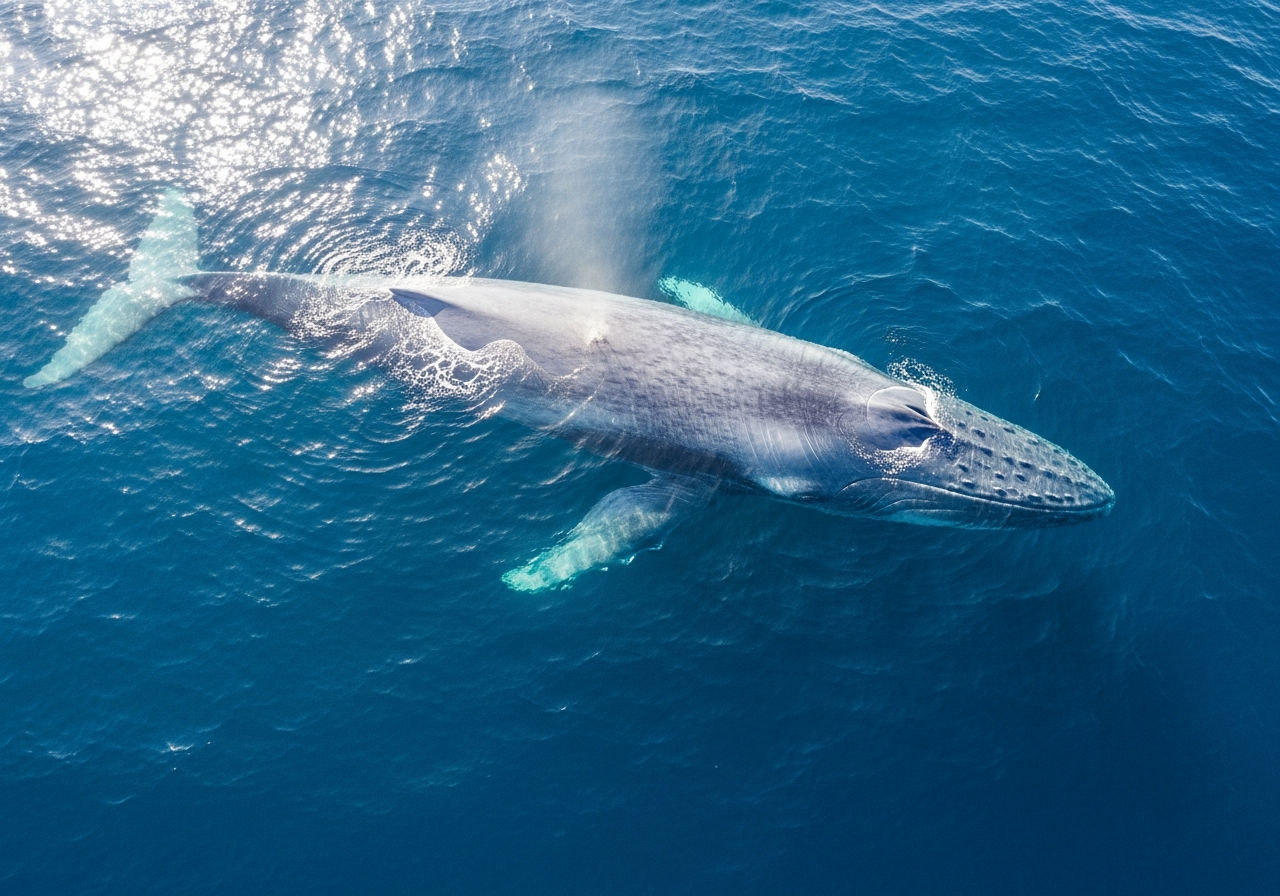
Mammal
Blue Whale
The largest animal that has ever lived
Trusted wildlife guides
Friday, 25 September 2026Animals
All AnimalsAnimals A–ZCollectionsSharksBig CatsBearsSnakesFrogs and ToadsTurtles and TortoisesWhales and DolphinsPrimatesLearn biologyEducator packsHabitats & biomesRegionsBrowse by Class, Diet & HabitatIdentify WildlifeCollective NounsBaby AnimalsAnimal of the DaySpecies group · 9 profiles
Nine whale and dolphin profiles — blue whale to bottlenose and orca. Cetacean facts, size, diet and conservation.
Whales and dolphins are marine mammals of the order Cetacea — air-breathing, warm-blooded and milk-feeding, fully adapted to life in water. This guide profiles nine species: blue whale, humpback whale, sperm whale, fin whale, minke whale, beluga whale, orca, narwhal and bottlenose dolphin. The blue whale is the largest animal known to have lived, reaching about 25–30 metres (82–98 ft) and roughly 100–150 tonnes. The orca is the largest living dolphin. Whale sharks are cartilaginous fishes and appear on the sharks hub, not here. Profiles cover diet guilds, seasonal migration patterns, pod social structure, acoustic behaviour and IUCN conservation status.
Mammal
The largest animal that has ever lived
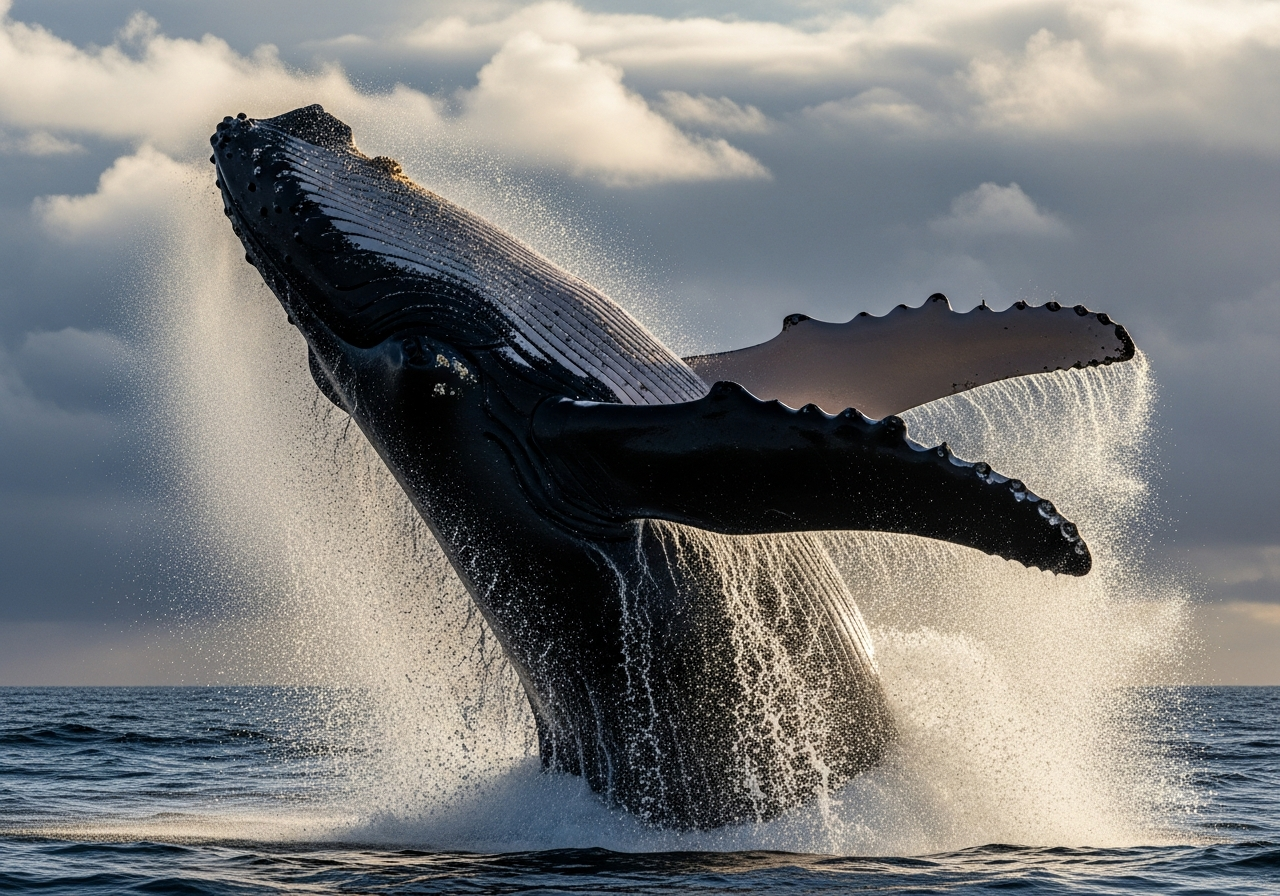
Mammal
The acrobatic singer of the seas
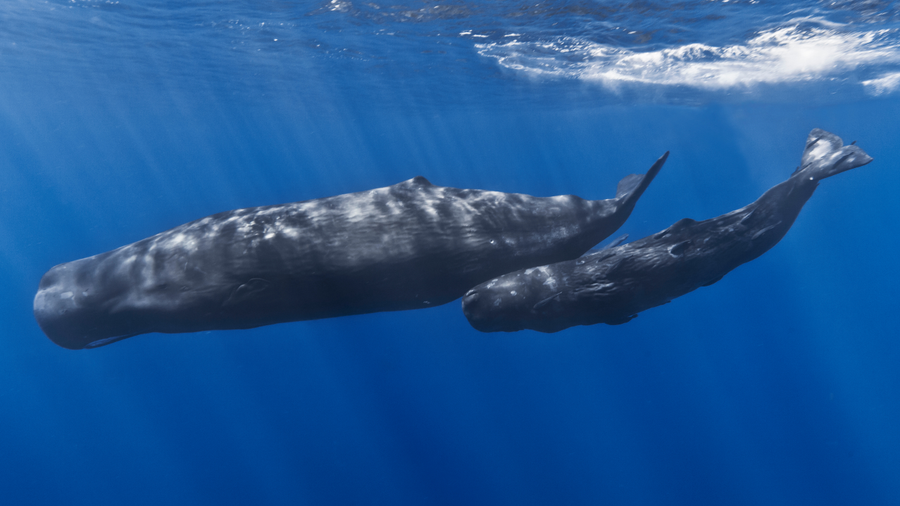
Mammal
The deep-diving giant with the largest brain
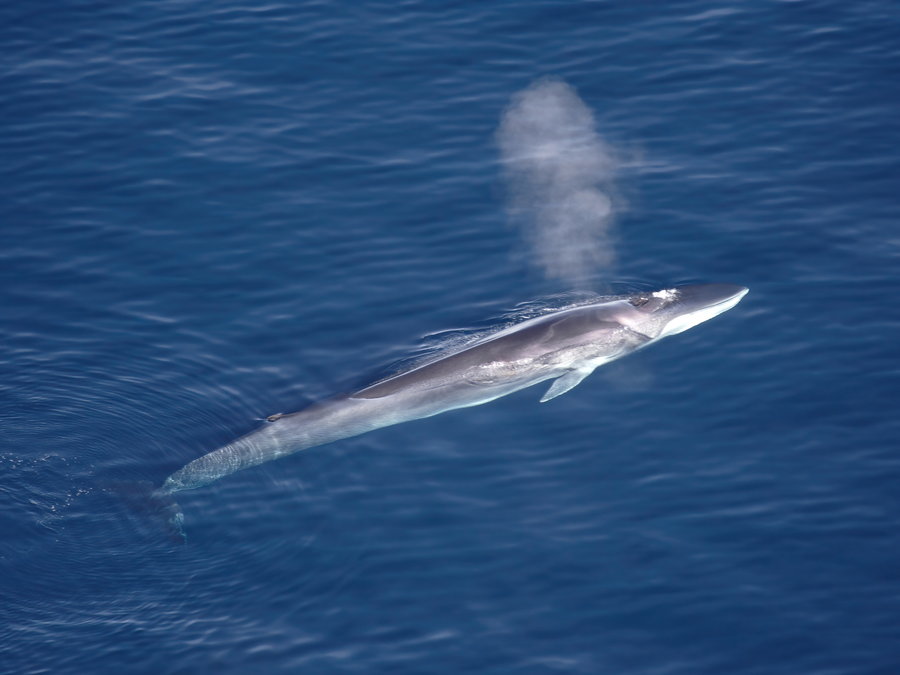
Mammal
The sleek greyhound of the seas
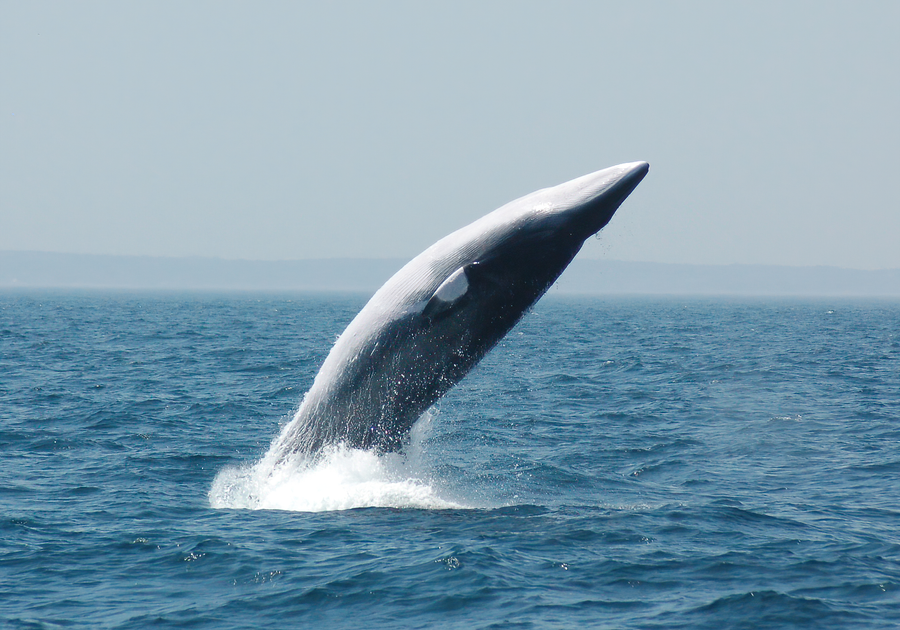
Mammal
The smallest and most abundant rorqual
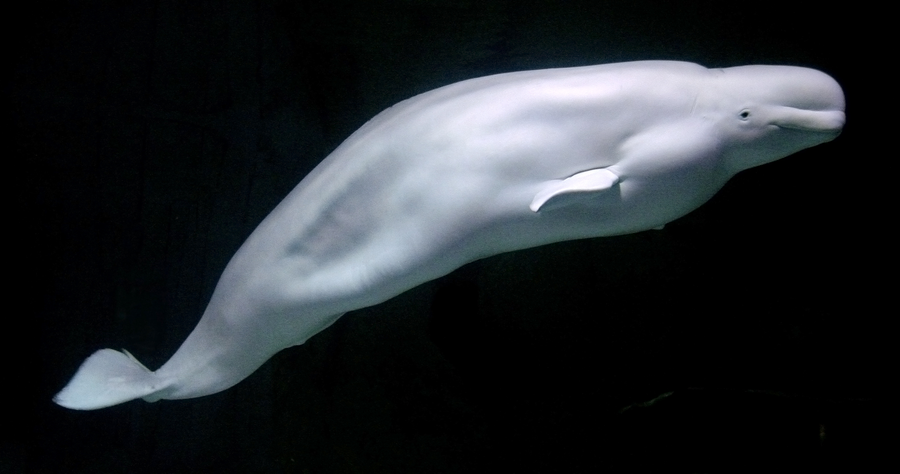
Mammal
The white whale of the Arctic
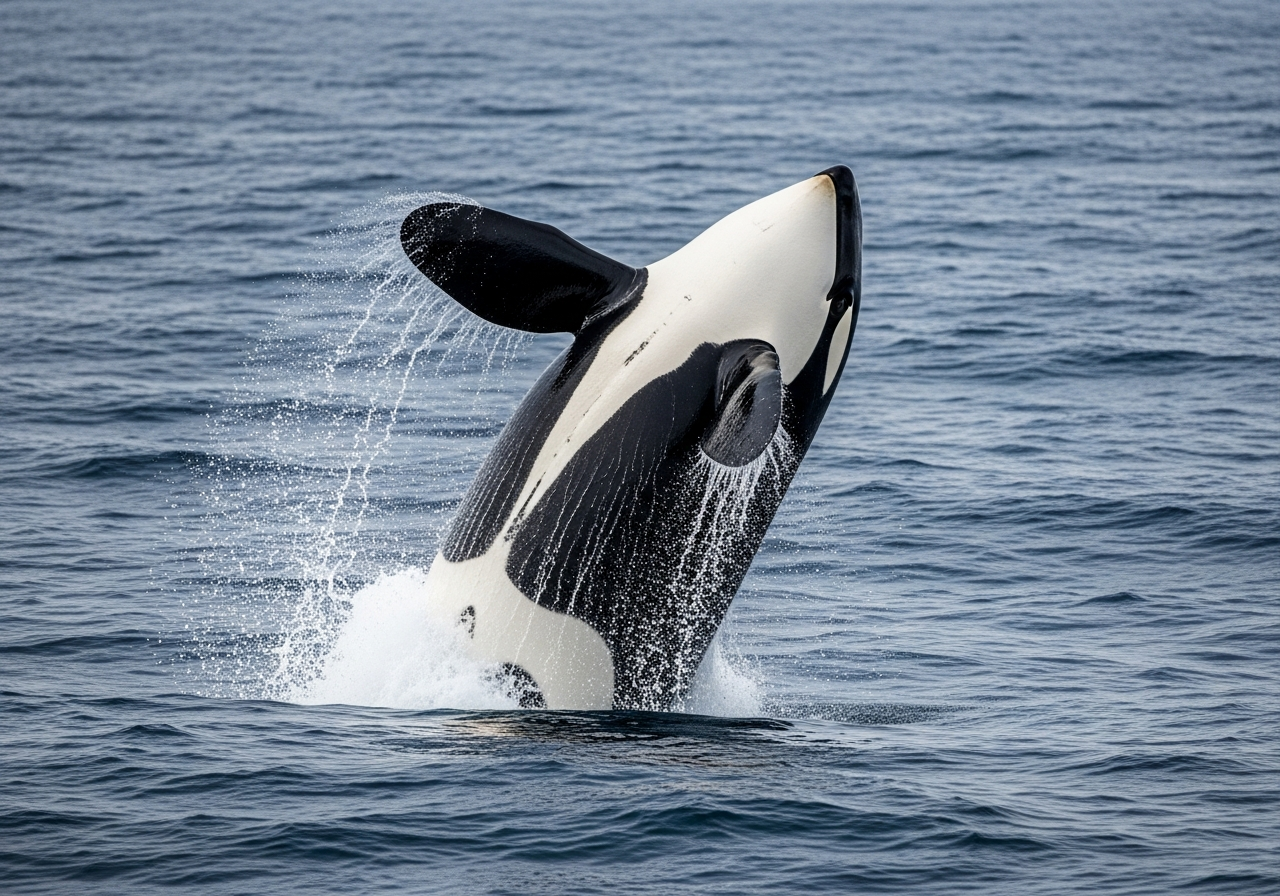
Mammal
The ocean's top predator

Mammal
The tusked unicorn of the sea
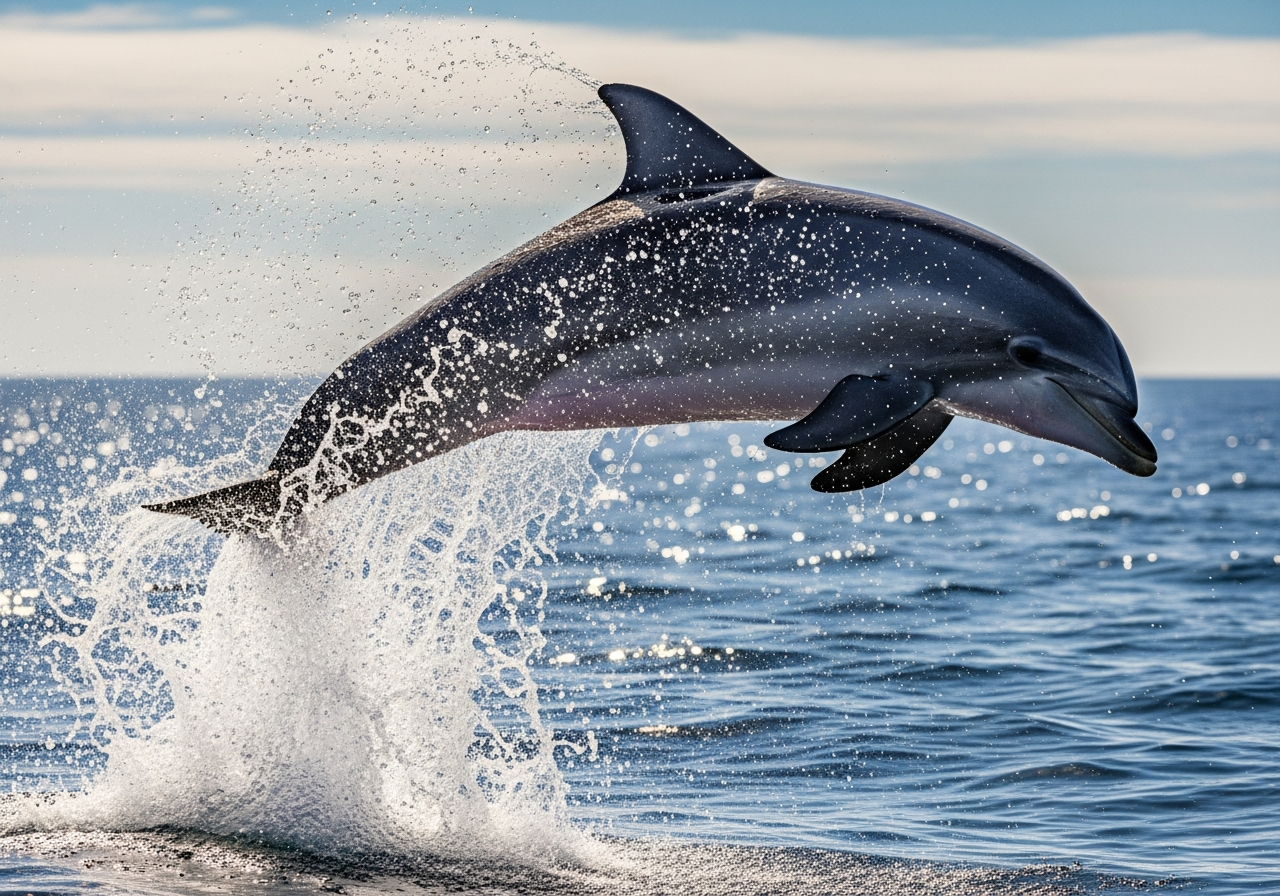
Mammal
One of the ocean's most intelligent animals
Dolphins are whales in the broad cetacean sense — specifically toothed whales in families such as Delphinidae. The orca (killer whale) is the largest dolphin, not a baleen whale. Baleen whales filter plankton and small schooling prey; toothed whales hunt fish, squid or marine mammals. Whale sharks belong with sharks, not Cetacea, despite the shared English word "whale" in their common name.
Both labels apply in ordinary speech; taxonomically the orca is the largest member of the oceanic dolphin family (Delphinidae) and a toothed whale within Cetacea. Adults commonly reach 6–8 metres (20–26 ft). Diet and hunting culture vary by ecotype — fish specialists versus mammal hunters.
Yes. Dolphins are cetaceans — specifically toothed whales. "Whale" in everyday English often means only the large baleen species, which creates a false split. Bottlenose dolphins, orcas and related delphinids share the same mammalian order as blue and humpback whales.
The blue whale is the largest animal on record, about 25–30 metres (82–98 ft) long and 100–150 tonnes. Fin whales are the second-longest living species. Blue whales feed mainly on krill strained through baleen plates rather than by biting large prey.
No. The whale shark is a filter-feeding shark — the largest living fish — and is listed on the sharks hub. It has gills and a cartilaginous skeleton. Cetaceans on this page are mammals that surface to breathe air through blowholes.