Mammal
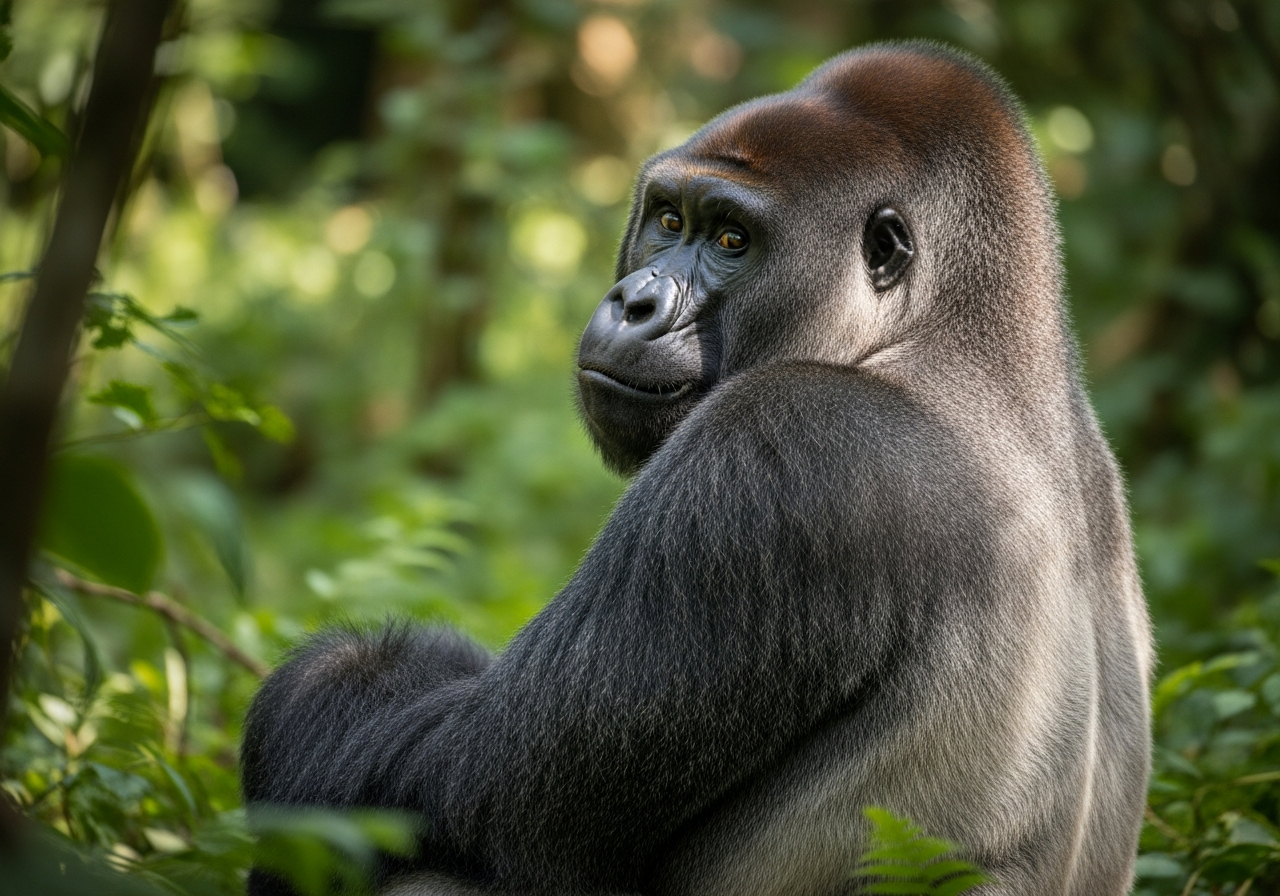
Gorilla
The largest living primate
Trusted wildlife guides
Friday, 25 September 2026Animals
All AnimalsAnimals A–ZCollectionsSharksBig CatsBearsSnakesFrogs and ToadsTurtles and TortoisesWhales and DolphinsPrimatesLearn biologyEducator packsHabitats & biomesRegionsBrowse by Class, Diet & HabitatIdentify WildlifeCollective NounsBaby AnimalsAnimal of the DaySpecies group · 13 profiles
Thirteen primate profiles — apes, monkeys and lemurs. Gorilla, chimpanzee, orangutan, aye-aye and more.
Primates are mammals with grasping hands or feet, forward-facing eyes and relatively large brains for body size. The order includes lemurs, tarsiers, monkeys and apes — and humans sit inside it as well. This guide profiles thirteen non-human species: gorilla, mountain gorilla, chimpanzee, orangutan, gibbon, baboon, mandrill, capuchin, howler monkey, proboscis monkey, ring-tailed lemur, tarsier and aye-aye. Body mass spans roughly 100 g (3.5 oz) in tarsiers to over 200 kg (440 lb) in large male gorillas. Arboreal and terrestrial habits vary by lineage across tropical continents. Each profile covers social system, diet, geographic range, locomotion and IUCN conservation status.
Mammal
The largest living primate
Mammal
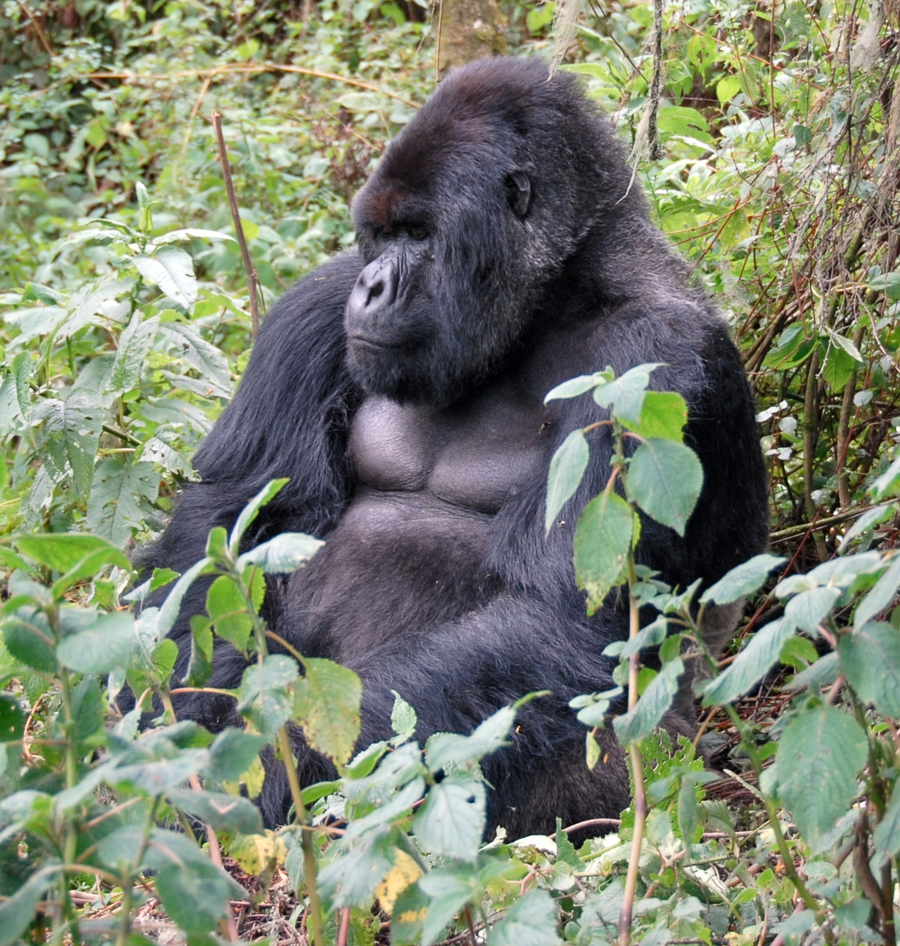
The gentle giant of Rwanda's volcanoes
Mammal
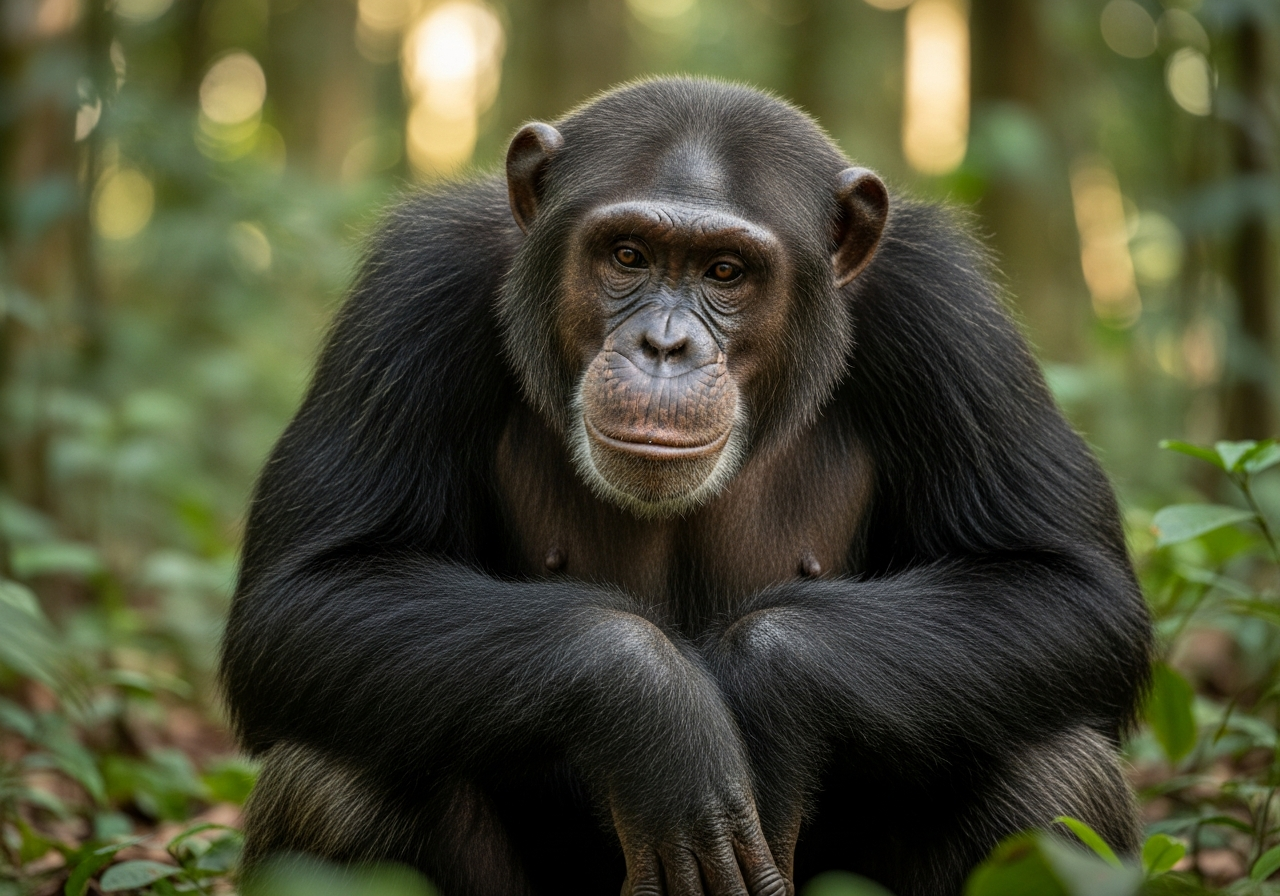
Our closest living relative
Mammal
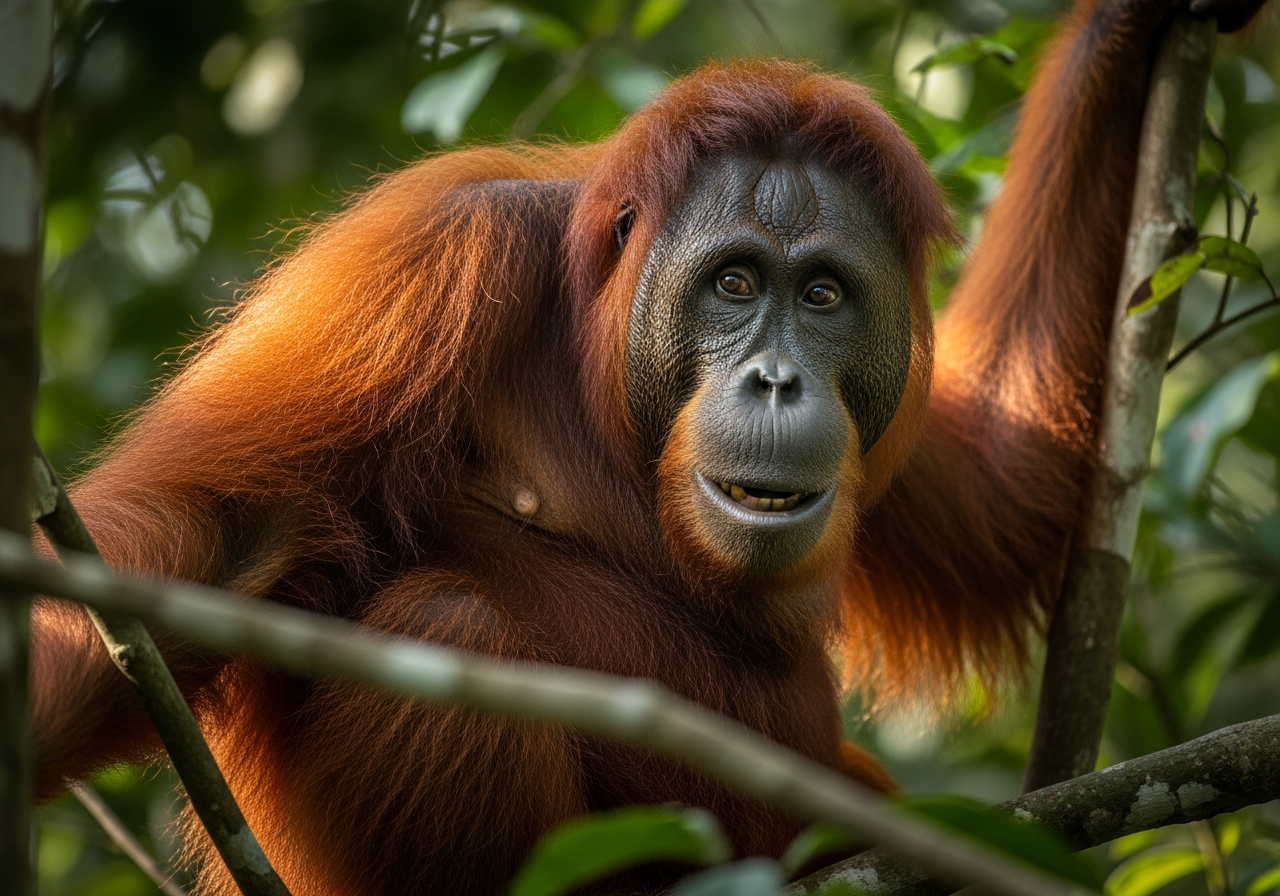
The great ape of the Southeast Asian rainforest
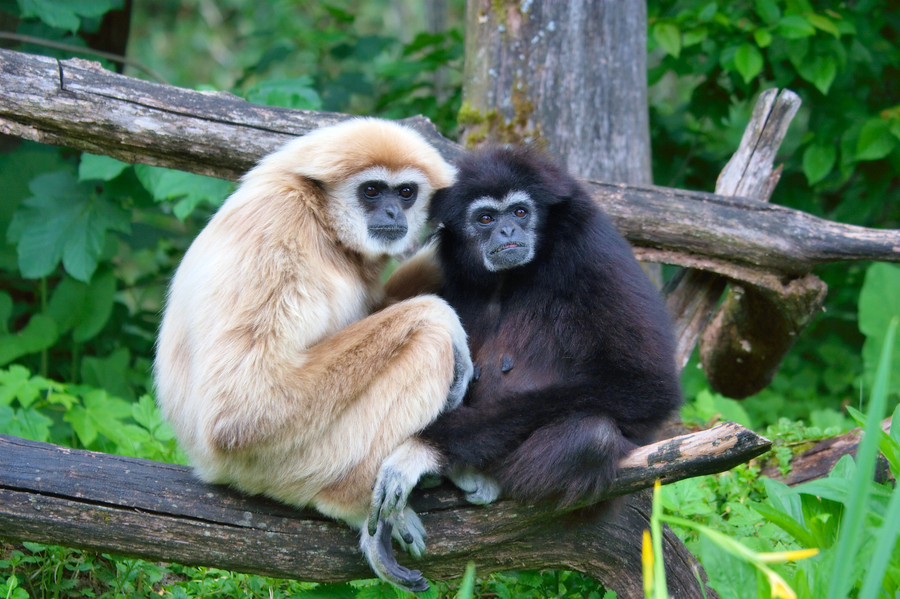
Mammal
The singing ape of the canopy
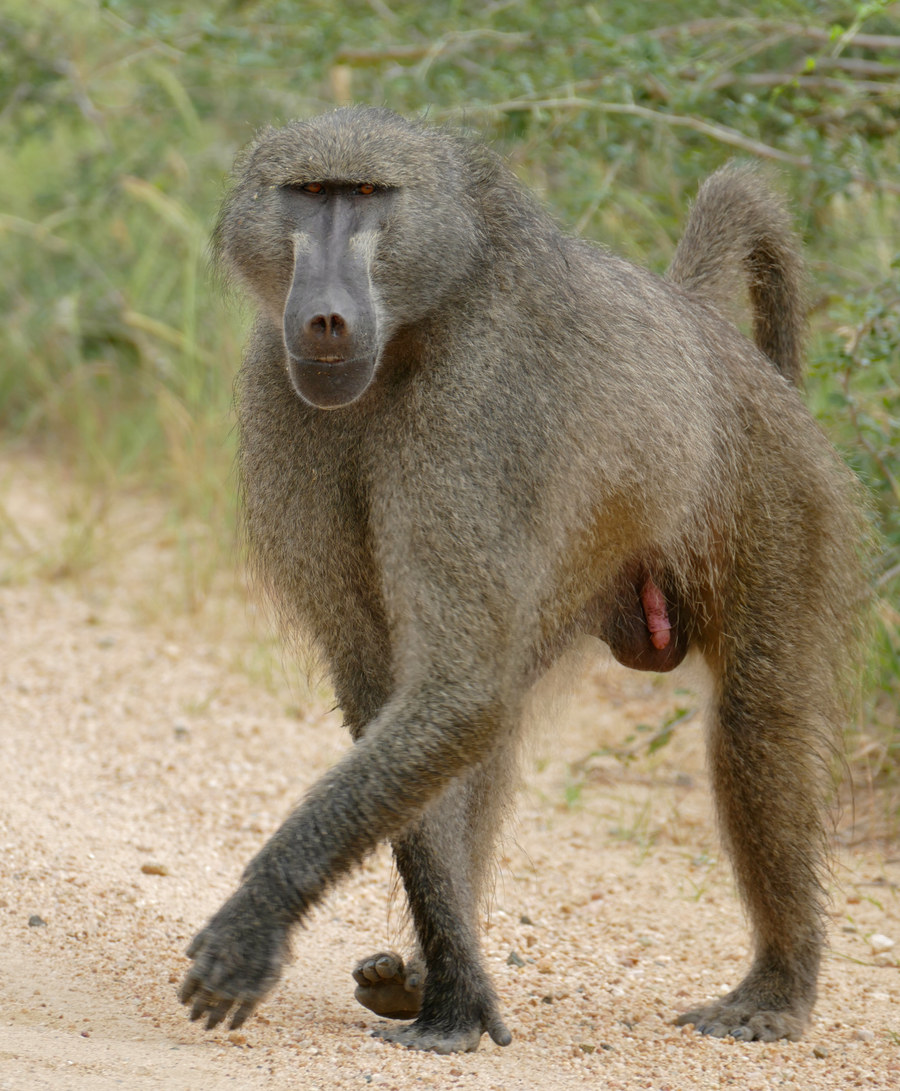
Mammal
Africa's adaptable monkey
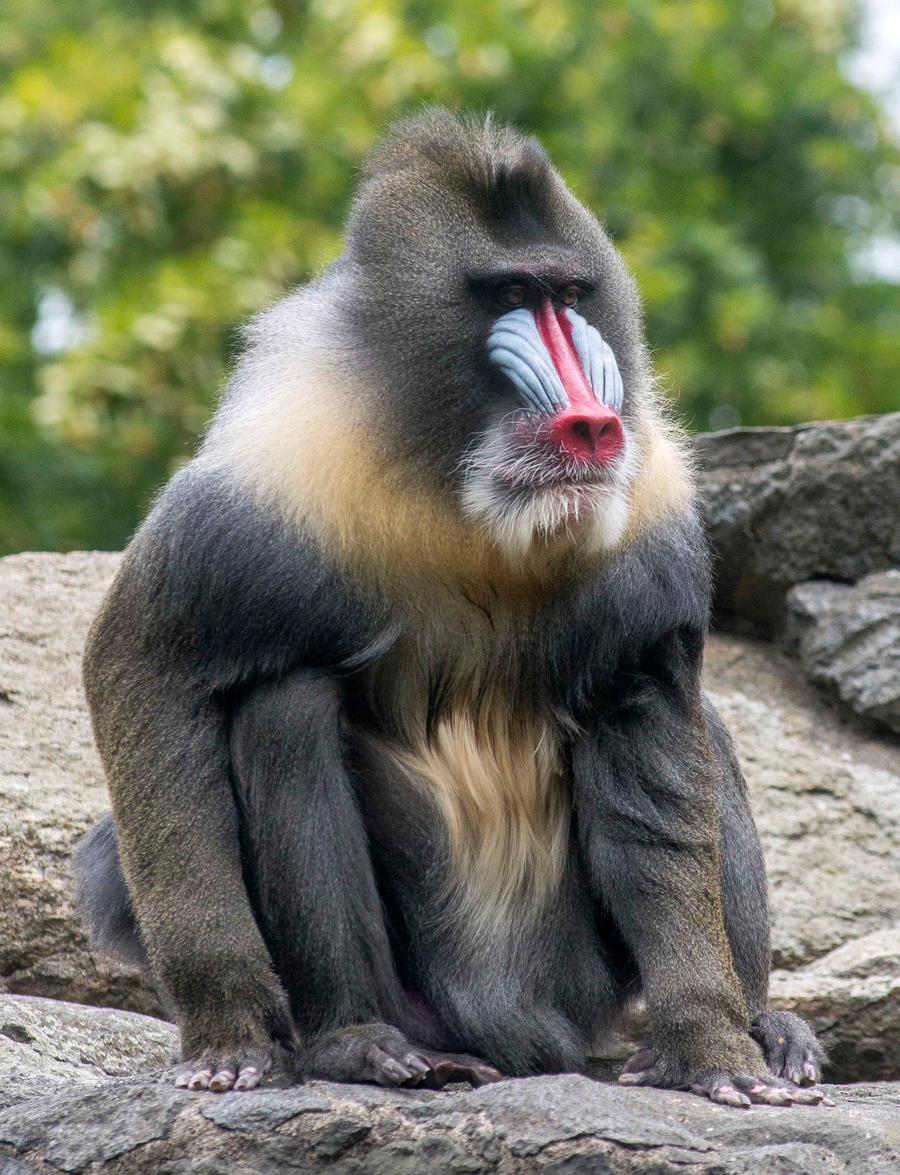
Mammal
The world's most colourful primate
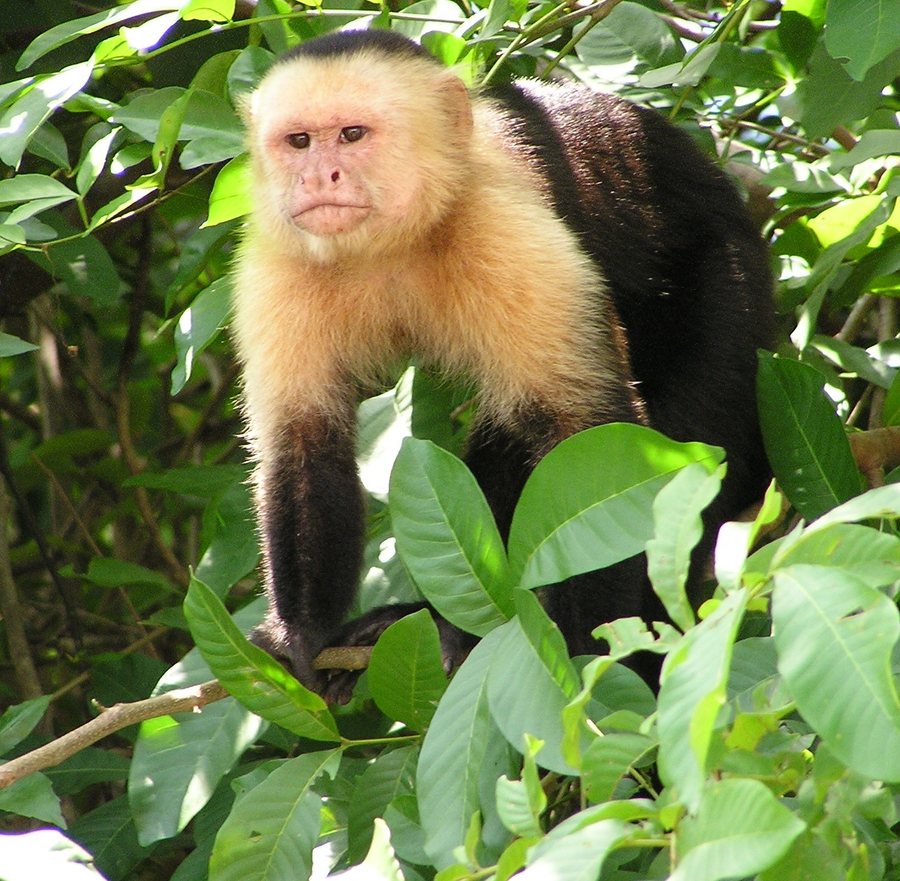
Mammal
The clever New World monkey
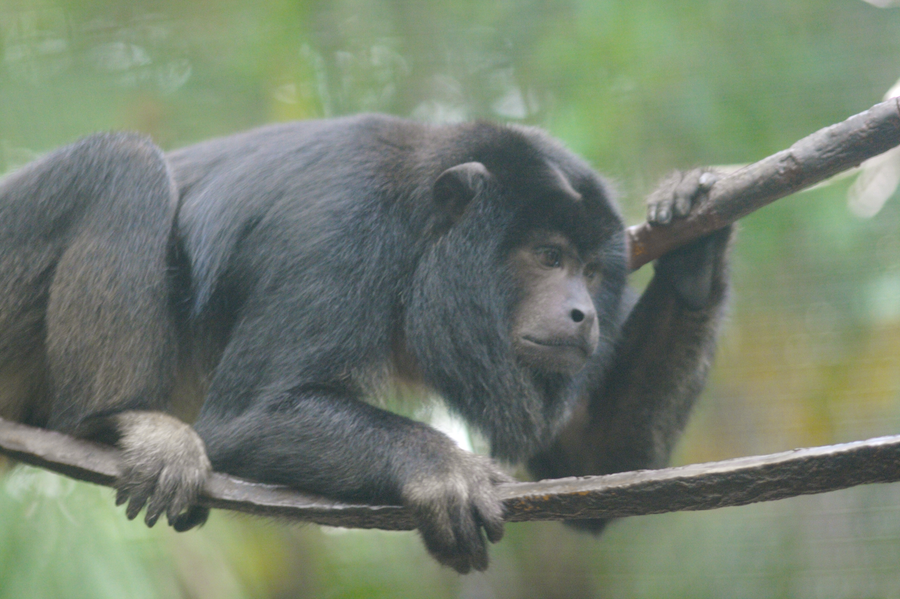
Mammal
The loudest land animal in the Americas
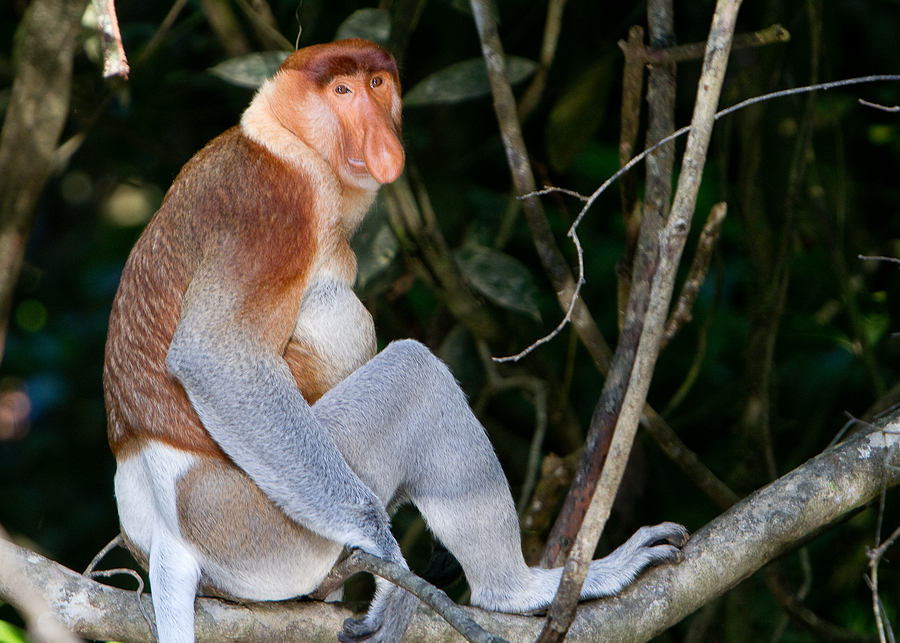
Mammal
Borneo's big-nosed swimmer
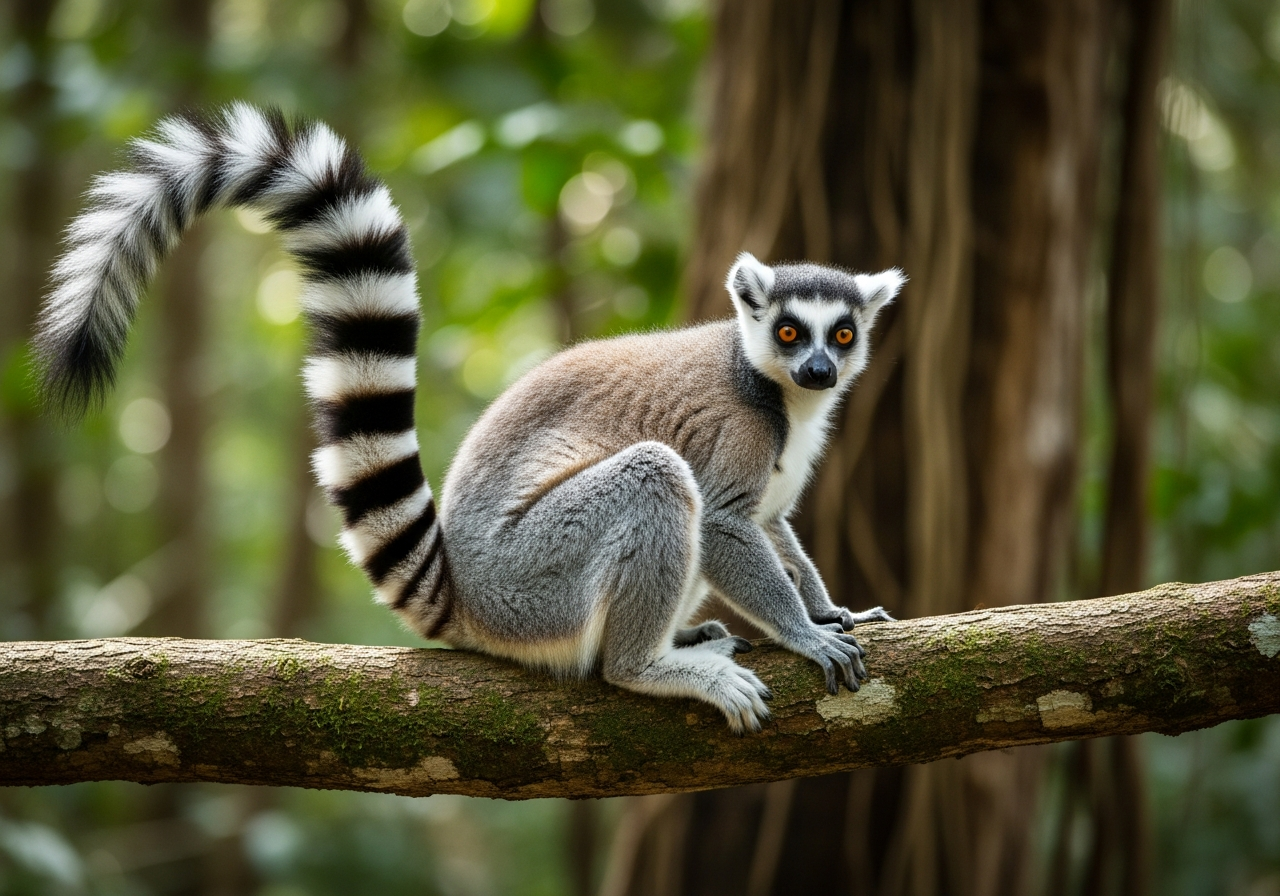
Mammal
Madagascar's striped-tailed, sun-bathing primate
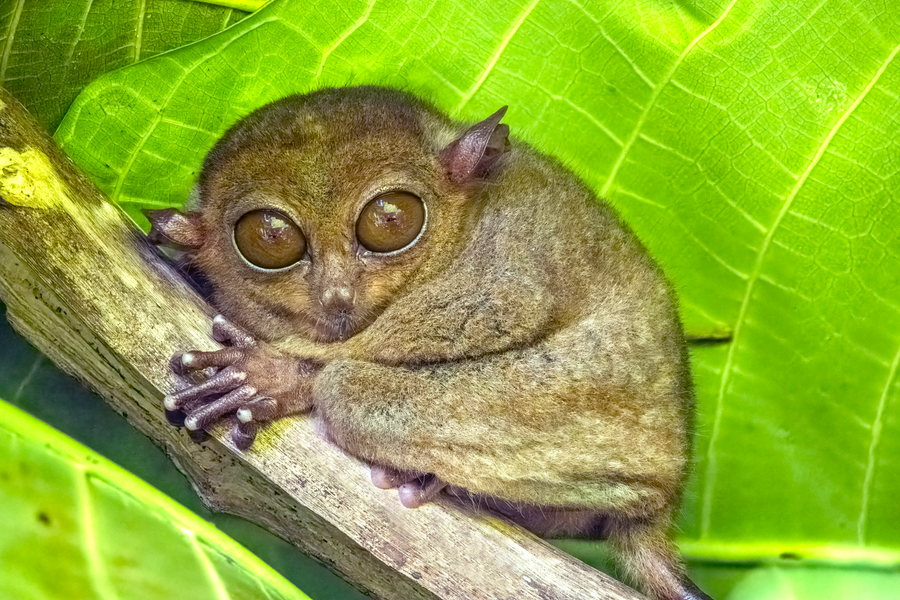
Mammal
The wide-eyed nocturnal primate
Mammal
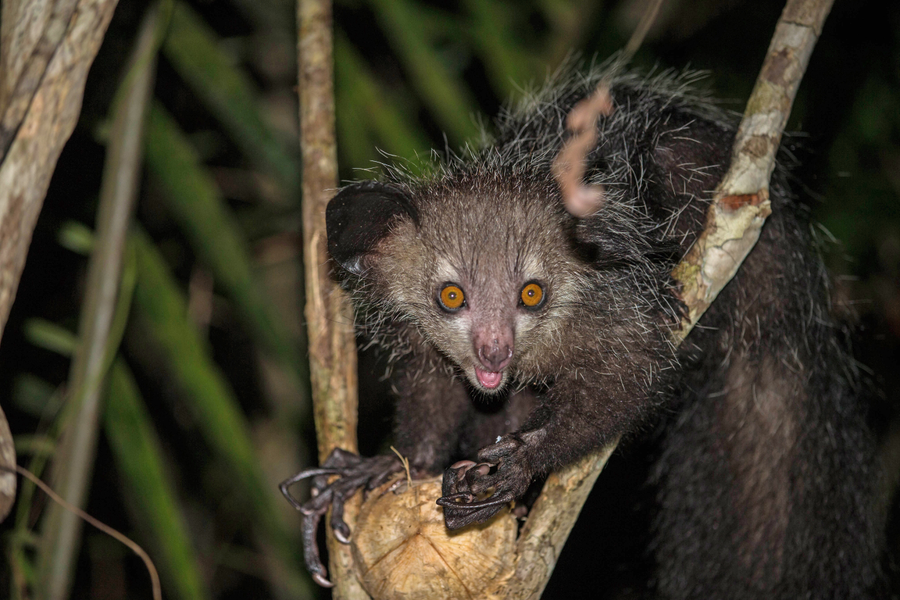
Madagascar's nocturnal oddity
Apes (including gibbons, great apes and humans) lack tails; most monkeys have tails used for balance or grasping. Old World and New World monkeys form separate lineages; lemurs are strepsirrhine primates of Madagascar, not monkeys. "Monkey" in casual speech often mislabels apes such as chimpanzees and gorillas. The cards below keep apes, monkeys and lemurs in one browseable set without collapsing those differences.
Apes lack tails and include gibbons plus the great apes (gorilla, chimpanzee, orangutan, humans). Most monkeys have tails and belong to Old World or New World lineages. Brain size, shoulder anatomy and locomotion patterns also differ. Everyday English often calls apes "monkeys"; the taxonomy does not.
No. Gorillas are great apes — tailless African primates more closely related to chimpanzees and humans than to monkeys. Adult males can exceed 200 kg (440 lb). Mountain gorillas are a subspecies of the eastern gorilla, profiled separately here because search interest and conservation status differ.
No. Lemurs are strepsirrhine primates endemic to Madagascar, branching earlier than monkeys and apes on the primate tree. Ring-tailed lemurs are diurnal and highly social; aye-ayes are nocturnal foragers with an elongated middle finger. Both illustrate lemur diversity without belonging to monkey families.
Gorillas are the largest living primates. Large silverback males commonly weigh 140–200 kg (310–440 lb) or more. Orangutans are the largest arboreal primates; chimpanzees are smaller but more widespread across tropical Africa. Humans are apes within the same order but are not listed in this grid.