Mammal
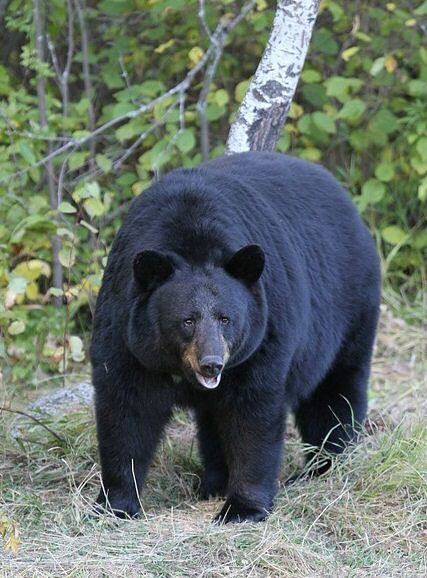
American Black Bear
North America's adaptable forest bear
Trusted wildlife guides
Friday, 25 September 2026Animals
All AnimalsAnimals A–ZCollectionsSharksBig CatsBearsSnakesFrogs and ToadsTurtles and TortoisesWhales and DolphinsPrimatesLearn biologyEducator packsHabitats & biomesRegionsBrowse by Class, Diet & HabitatIdentify WildlifeCollective NounsBaby AnimalsAnimal of the DaySpecies group · 7 profiles
Seven bear profiles — brown, black, polar, sun, sloth and spectacled. Grizzly equals brown bear; size, diet and status.
Bears (family Ursidae) are large carnivoran mammals; eight living species are recognised worldwide. This guide profiles seven of them: American black bear, brown bear, grizzly bear, polar bear, sun bear, sloth bear and spectacled bear. Adult mass ranges from about 25–65 kg (55–145 lb) in sun bears to well over 500 kg (1,100 lb) in large polar and coastal brown bears. Diets span near-exclusive carnivory in polar bears to fruit-, insect- and plant-heavy menus in tropical forest species. Hibernation patterns and fishing behaviour vary by population. Each profile states geographic range, key body measurements, ecological role and IUCN conservation status.
Mammal
North America's adaptable forest bear
Mammal
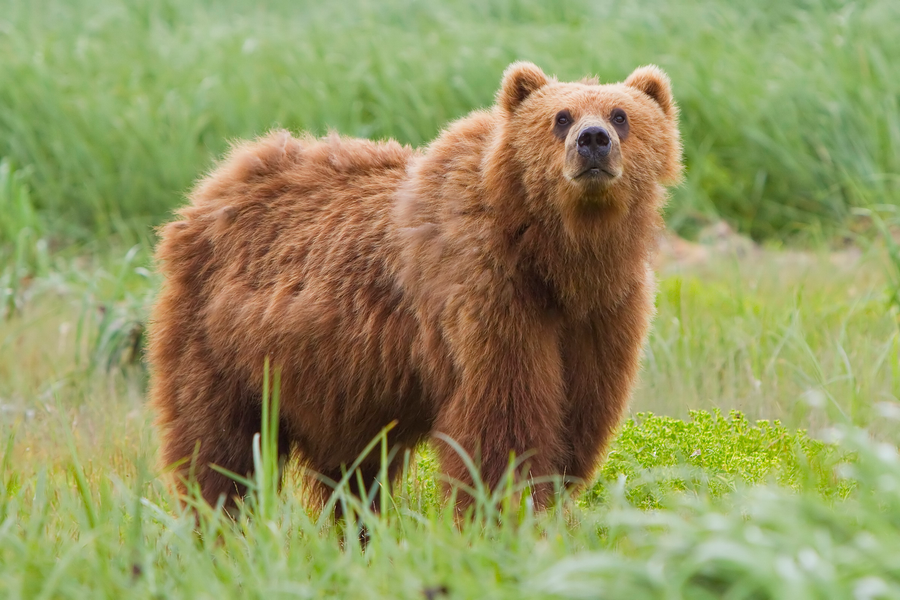
The widespread bear of the Northern Hemisphere
Mammal
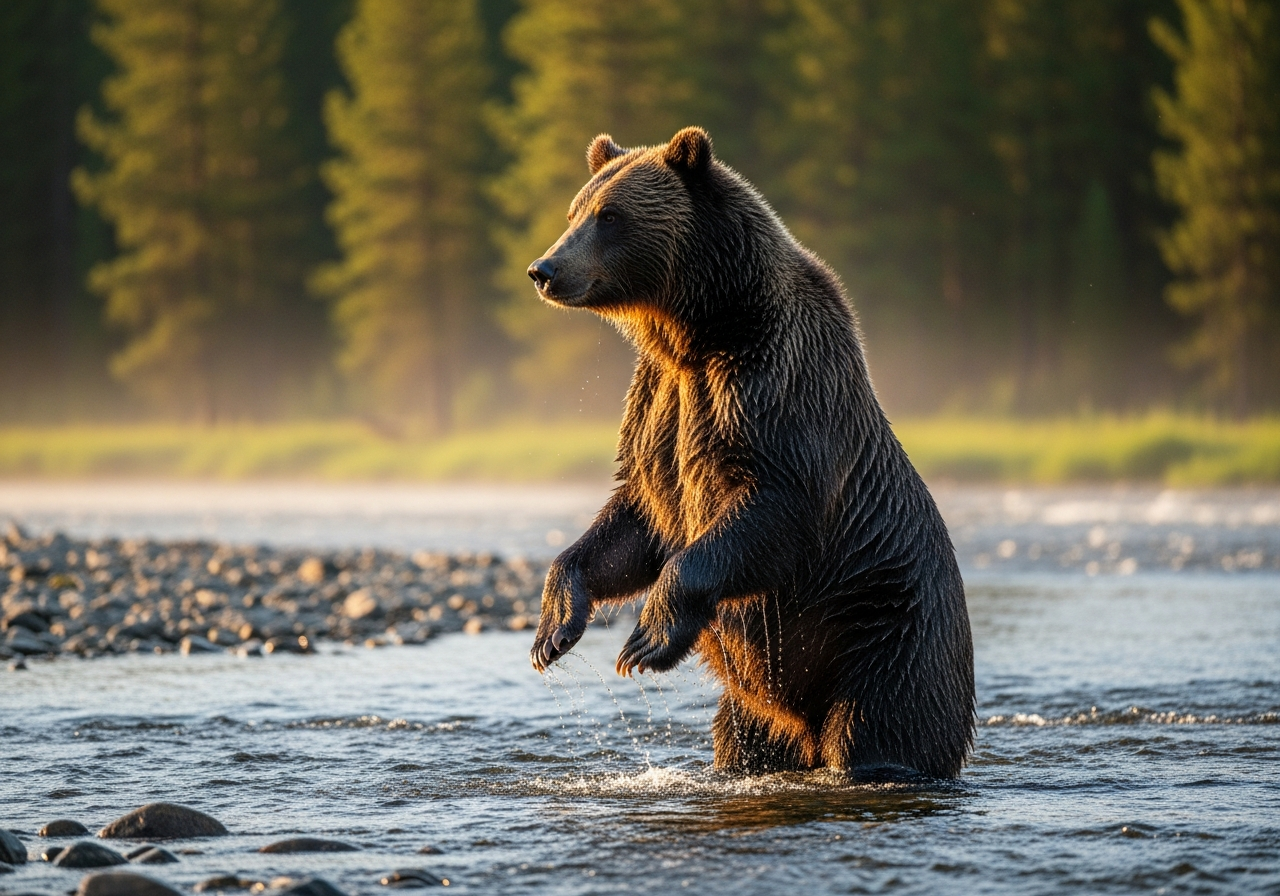
North America's iconic brown bear
Mammal
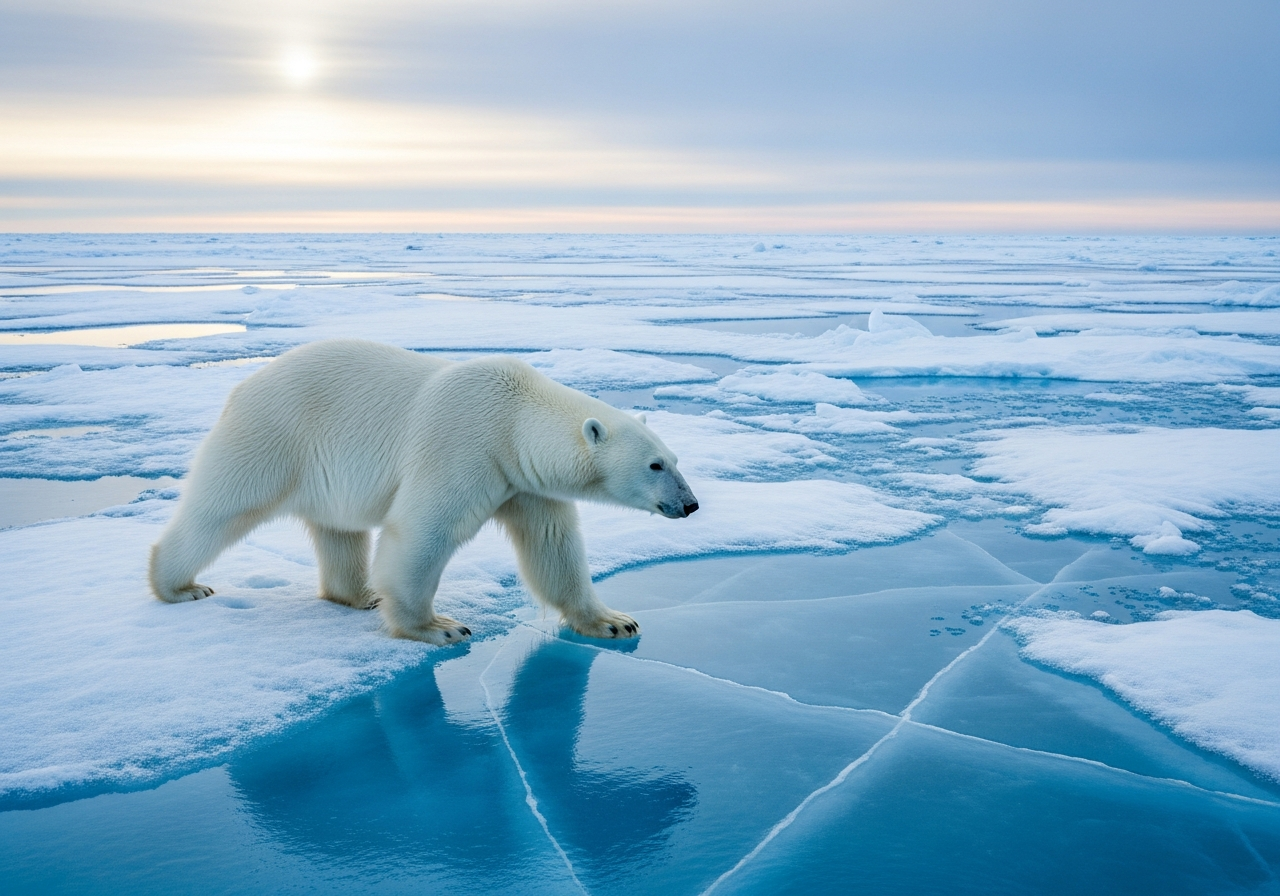
The largest land carnivore, ruler of the Arctic
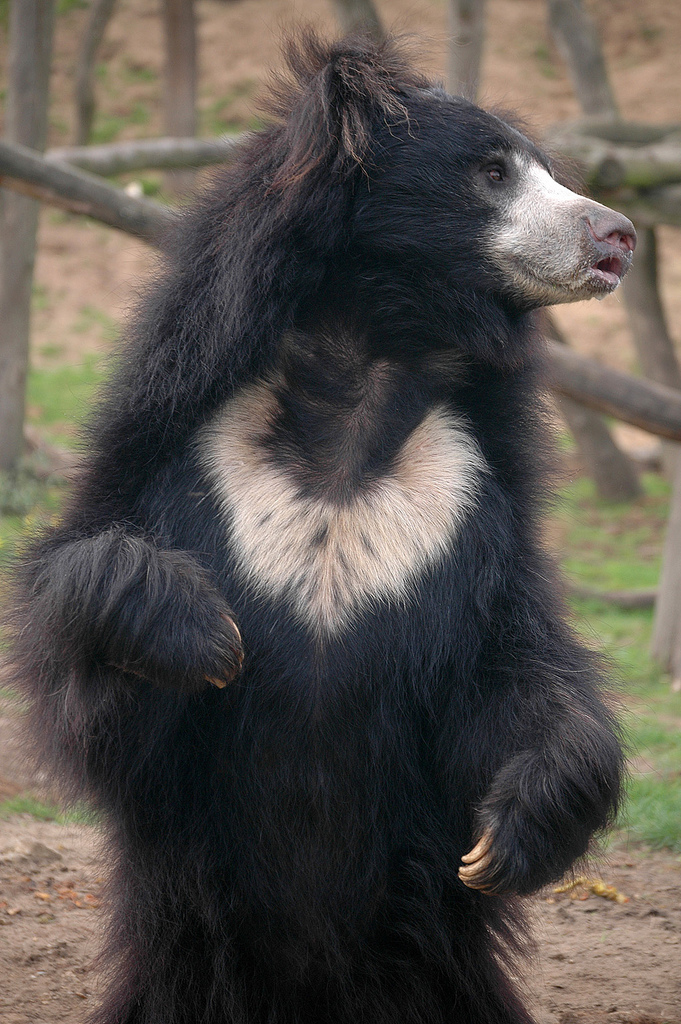
Mammal
India's shaggy insect-eating bear
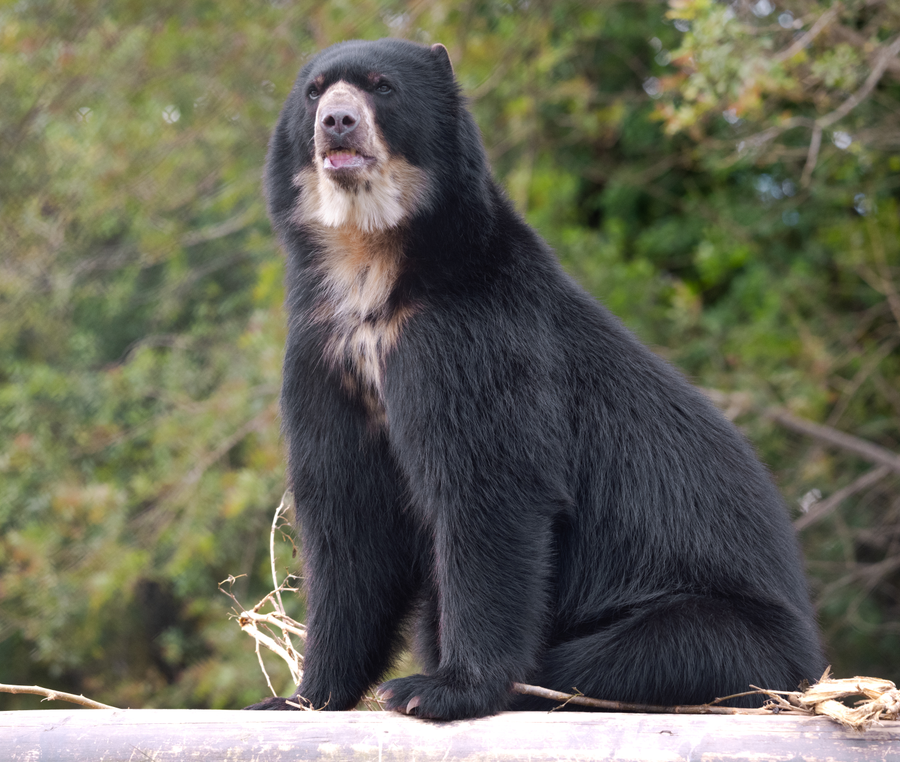
Mammal
The only bear native to South America
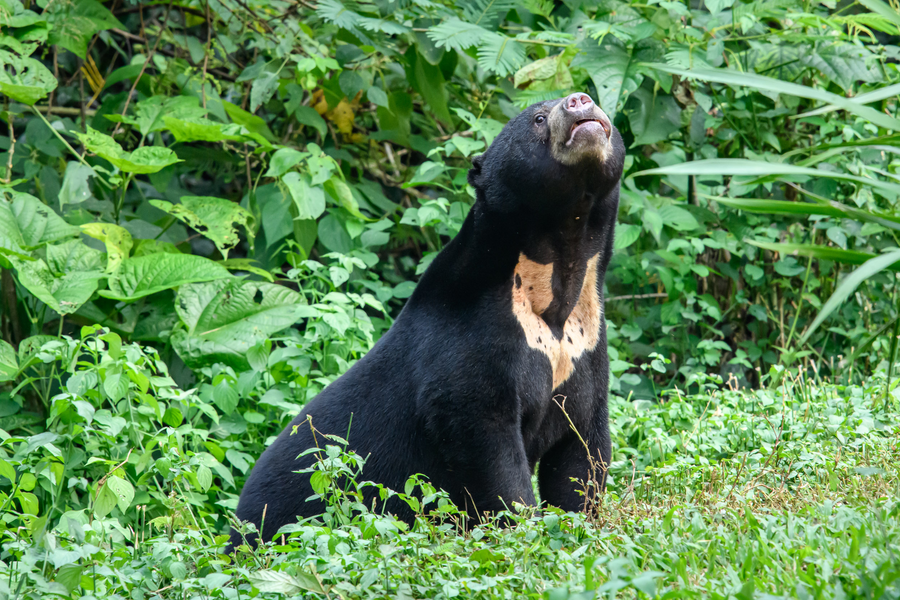
Mammal
The smallest bear of Southeast Asia's rainforests
Grizzly and brown bear are the same species, Ursus arctos — "grizzly" usually names interior North American populations, while coastal brown bears can grow larger on salmon-rich diets. Listing both here reflects search language, not two separate species. The giant panda is a living ursid not shown on this hub; the seven cards cover the bears most often compared in the guide.
Yes. Grizzlies are brown bears (Ursus arctos), typically the inland North American form. Coastal brown bears in Alaska and similar regions belong to the same species and often reach greater mass on fish-rich diets. Treat separate guide pages as population angles, not different species.
Eight living bear species are generally recognised worldwide. This hub lists seven profiles in the guide; the giant panda is the living ursid not shown in the grid below. Fossil and extinct forms such as the cave bear sit outside modern species counts.
Polar bears and the largest coastal brown bears contend for maximum mass; adult males can exceed 500 kg (1,100 lb). Polar bears are the most carnivorous, hunting seals on sea ice. Sun bears are the smallest living bears, often under 65 kg (143 lb).
Spectacled bears are the only bears native to South America, occupying Andean cloud forests and adjacent slopes. Pale facial markings resemble spectacles. Adults weigh roughly 60–175 kg (130–385 lb) and feed heavily on fruit and bromeliads; the species is listed Vulnerable.