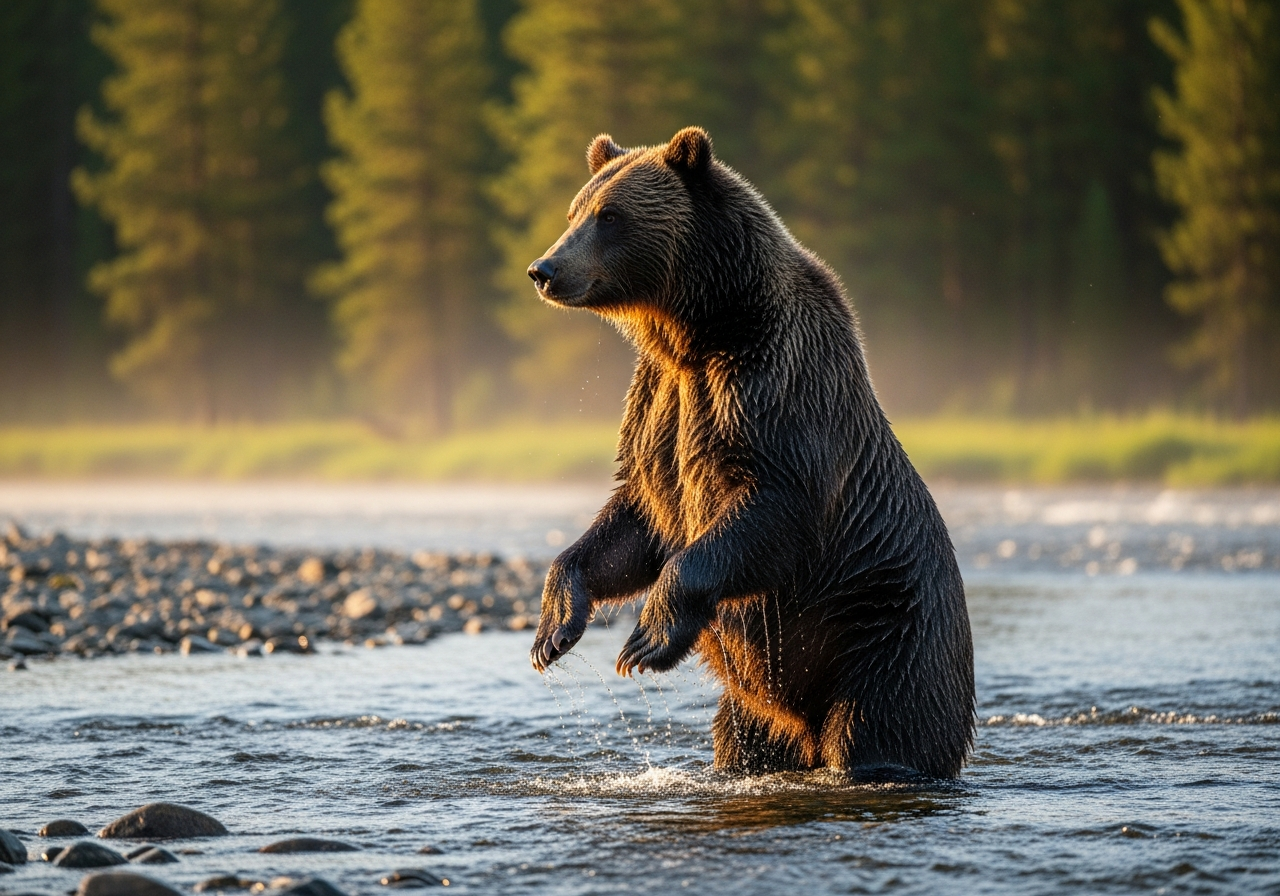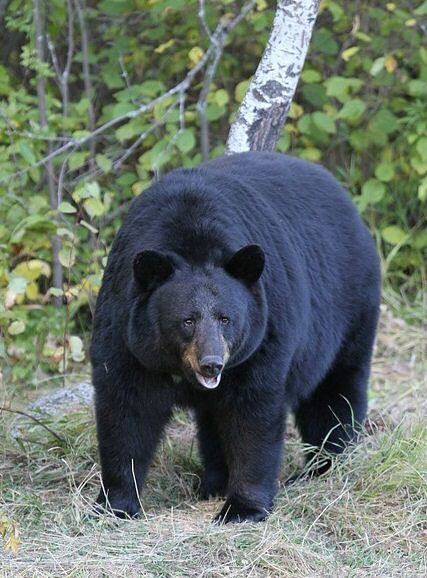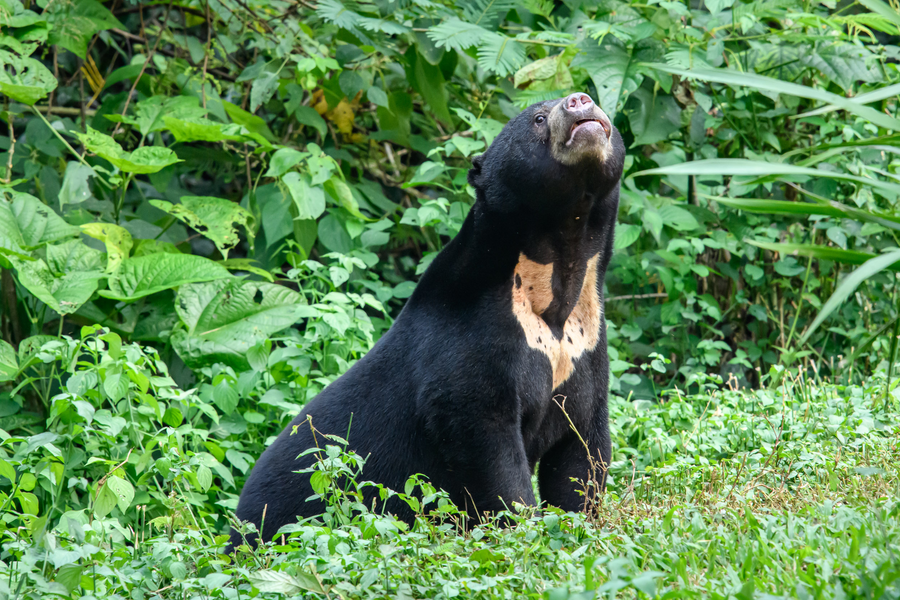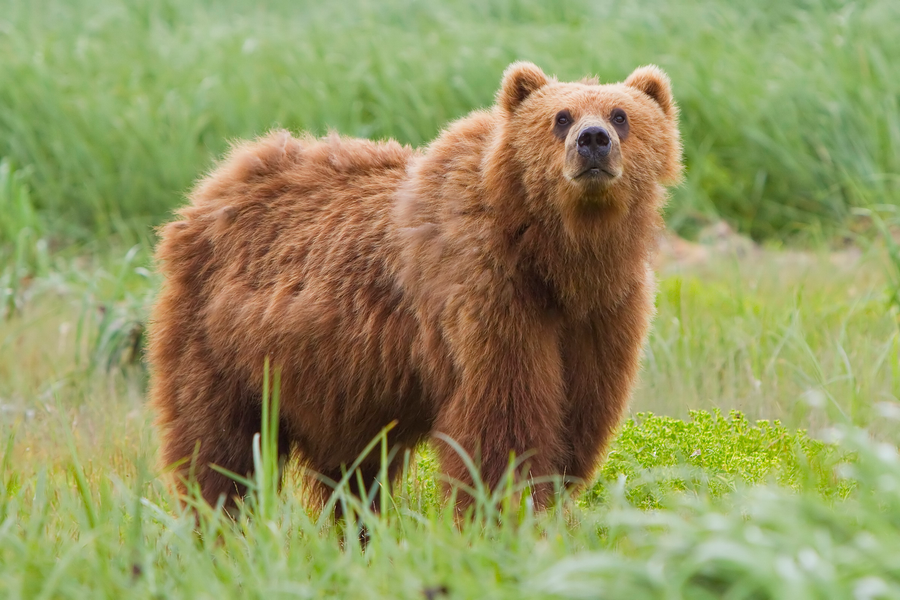
The brown bear (Ursus arctos) is a mammal of the bear family, Ursidae, in the order Carnivora.
Quick answer
The brown bear is one of the world's largest land carnivores, found across North America, Europe, and Asia. Adults typically weigh 130–360 kg (290–800 lb), run up to 56 km/h (35 mph), and hibernate through winter in dens. Coastal populations that feed heavily on salmon can grow much larger than inland grizzlies.
Top questions about the Brown Bear
Also available in Español (Oso pardo)
Brown Bear facts at a glance
- Weight 350 kg
- Length 2.8 m
- Top speed 56 km/h
- Lifespan 25 years
| Scientific name | Ursus arctos |
|---|---|
| Diet | Omnivore — berries, fish, roots, insects, and carrion |
| Habitat | Forests, mountains, and tundra across the Northern Hemisphere |
| Lifespan | 20–25 years in the wild (up to 35 in captivity) |
| Weight | 130–600 kg (290–1,320 lb) depending on subspecies and season |
| Top speed | Up to 56 km/h (35 mph) in short bursts |
| Conservation status | Least Concern (IUCN) |
| Kingdom | Animalia |
|---|---|
| Phylum | Chordata |
| Class | Mammalia |
| Order | Carnivora |
| Family | Ursidae |
| Genus | Ursus |
Where it lives
The brown bear (Ursus arctos) is native to Forests and mountains across Alaska, western Canada, the Rocky Mountains, Scandinavia, the Carpathians, and temperate Asia including Kamchatka and Hokkaido. — recorded across North America, Europe, Asia in this guide’s range summary.
For occurrence records, see GBIF species search and sources below.
How big is a brown bear?
An adult brown bear measures 2.8 m long — about 1.6× the height of an average adult person (1.73 m) — and weighs around 350 kg, about 5.0× an average adult’s body weight (70 kg).
Length vs an average adult’s height (to scale)
What is a group of brown bears called?
Group name (collective noun)
A group of Brown Bears is called a sleuth. It is also known as a sloth.
Baby name
A baby Brown Bear is called a cub.
Explore more animal collective nouns and baby animal names .
Diet and seasonal feeding
Brown bears are omnivores whose diet shifts with the seasons. In spring they graze on sedges and roots; summer brings berries and insects; autumn is dominated by hyperphagia as bears pack on fat before winter. Coastal bears gather at salmon runs, while inland populations rely more on plants and small mammals.
Hibernation and reproduction
Pregnant females enter dens in late autumn and give birth during hibernation, usually to one to three cubs that nurse and grow inside the den until spring. Hibernation slows heart rate and metabolism dramatically, allowing bears to survive months without eating, drinking, or passing waste.
Range and subspecies
Brown bears once ranged across much of western North America, Europe, and temperate Asia. Today they persist in Scandinavia, the Carpathians, the Rockies, Alaska, and Russia's Kamchatka Peninsula. The North American grizzly and the Kodiak bear are well-known subspecies of Ursus arctos.
Conservation and human conflict
Globally listed Least Concern, brown bears nevertheless face local declines from habitat fragmentation, poaching, and conflict with livestock. Responsible bear-country practices — securing food, carrying deterrents, and giving mothers with cubs space — reduce dangerous encounters.
Dig deeper into the Brown Bear
- Are Brown Bears Dangerous?
Are brown bears dangerous? Realistic risk, when incidents rise, and safety basics.
- What Do Brown Bears Eat?
What brown bears eat: Omnivore — berries, fish, roots, insects, and carrion, foraging style, and seasonal shifts in Forests, mountains, and tundra across the Northern Hemisphere.
- How Long Do Brown Bears Live?
Brown Bear lifespan is typically 20–25 years in the wild (up to 35 in captivity). What shortens or extends life, life stages, and status (Least Concern).
- What Do Brown Bears Eat?
What brown bears eat: Omnivore — berries, fish, roots, insects, and carrion, foraging style, and seasonal shifts in Forests, mountains, and tundra across the Northern Hemisphere.
- Where Do Brown Bears Live?
Where brown bears live: Forests, mountains, and tundra across the Northern Hemisphere, native range cues, and human overlap. Status Least Concern.
Explore the Brown Bear
Close relatives
- Polar Bear Same genus
- Grizzly Bear Same genus
- American Black Bear Same genus
- Giant Panda Same family
Collections
Did you know? Brown Bear facts
- The brown bear is one of the world's largest land carnivores, found across North America, Europe, and Asia.
- Grizzly bears are a subspecies of brown bear (Ursus arctos horribilis) found mainly in inland North America. Coastal brown bears that eat more salmon tend to grow larger. All grizzlies are brown bears, but not all brown bears are grizzlies.
- Most adult males weigh 180–360 kg (400–800 lb), while females are smaller. Exceptional coastal males in Alaska and Kamchatka can exceed 600 kg when salmon is abundant.
- Yes. Brown bears enter a deep winter dormancy for several months, living off stored body fat. Their heart rate and body temperature drop, and females may give birth inside the den during this period.
- Brown bears usually avoid people, but surprise encounters, food-conditioned bears, and mothers defending cubs can be dangerous. Wildlife agencies advise making noise on trails, storing food properly, and never running from a bear.
- Conservation: Least Concern (IUCN).
Diet & feeding
Brown Bear feeds primarily as a omnivore — berries, fish, roots, insects, and carrion. Brown bears are omnivores whose diet shifts with the seasons. In spring they graze on sedges and roots; summer brings berries and insects; autumn is dominated by hyperphagia as bears pack on fat before winter. Coastal bears gather at
Adaptations
- Brown bears are omnivores whose diet shifts with the seasons. In spring they graze on sedges and roots; summer brings berries and insects; autumn is dominated by hyperphagia as bears pack on fat before winter. Coastal bears gather at salmon runs, while inland populations rely more on plants and small mammals.
- Pregnant females enter dens in late autumn and give birth during hibernation, usually to one to three cubs that nurse and grow inside the den until spring. Hibernation slows heart rate and metabolism dramatically, allowing bears to survive months without eating, drinking, or passing waste.
Behaviour & ecology
- Brown bears are omnivores whose diet shifts with the seasons. In spring they graze on sedges and roots; summer brings berries and insects; autumn is dominated by hyperphagia as bears pack on fat before winter. Coastal bears gather at salmon runs, while inland populations rely more on plants and small mammals.
- Pregnant females enter dens in late autumn and give birth during hibernation, usually to one to three cubs that nurse and grow inside the den until spring. Hibernation slows heart rate and metabolism dramatically, allowing bears to survive months without eating, drinking, or passing waste.
- Brown bears once ranged across much of western North America, Europe, and temperate Asia. Today they persist in Scandinavia, the Carpathians, the Rockies, Alaska, and Russia's Kamchatka Peninsula. The North American grizzly and the Kodiak bear are well-known subspecies of Ursus arctos.
Communication
- Brown Bear uses scent, posture, and vocal signals to mark territory and coordinate social behaviour.
- Communication intensity often peaks during breeding seasons and territorial disputes.
Habitat & range
Forests, mountains, and tundra across the Northern Hemisphere
Ecological role
Brown Bear plays a recognised ecological role in forests, mountains, and tundra across the northern hemisphere.
Conservation status of the Brown Bear
The brown bear (Ursus arctos) is listed as Least Concern on the IUCN Red List. Least Concern (LC) is the IUCN's lowest-risk category, assigned to widespread, abundant species that have been evaluated and found not to be threatened. It does not mean a species faces no pressures — only that it is not currently at risk of extinction.
Main threats to the brown bear
- Habitat loss and fragmentation of isolated populations
- Human–bear conflict and persecution
- Unsustainable hunting in some regions
- Infrastructure blocking connectivity
Brown Bear (Ursus arctos) was most recently assessed for the IUCN Red List in 2017. View the full IUCN assessment .
Frequently asked questions about the Brown Bear
What is the difference between a brown bear and a grizzly bear?
Grizzly bears are a subspecies of brown bear (Ursus arctos horribilis) found mainly in inland North America. Coastal brown bears that eat more salmon tend to grow larger. All grizzlies are brown bears, but not all brown bears are grizzlies.
How big do brown bears get?
Most adult males weigh 180–360 kg (400–800 lb), while females are smaller. Exceptional coastal males in Alaska and Kamchatka can exceed 600 kg when salmon is abundant.
Do brown bears hibernate?
Yes. Brown bears enter a deep winter dormancy for several months, living off stored body fat. Their heart rate and body temperature drop, and females may give birth inside the den during this period.
Are brown bears dangerous to humans?
Brown bears usually avoid people, but surprise encounters, food-conditioned bears, and mothers defending cubs can be dangerous. Wildlife agencies advise making noise on trails, storing food properly, and never running from a bear.
What do brown bears eat?
They are omnivores. Plants — especially berries, roots, and grasses — often make up most of the diet, supplemented by fish, insects, small mammals, and carrion depending on location and season.
What is a group of brown bears called?
A group of Brown Bears is called a sleuth. It is also known as a sloth.
What is a baby brown bear called?
A baby Brown Bear is called a cub.
Sources & references
This guide is compiled and reviewed against established zoological and conservation references. Key sources for the Brown Bear:
-
IUCN Red List of Threatened Species
Conservation status (Least Concern) reflects the IUCN Red List category for Ursus arctos, most recently assessed in 2017.
-
iNaturalist — observations & photos
Search citizen-science observations and community IDs for Ursus arctos. Useful for range checks and recent sightings — not a substitute for formal Red List status.
-
GBIF — occurrence data
Global Biodiversity Information Facility species search for Ursus arctos. Explore published occurrence records used in range research.
- IUCN Red List — Ursus arctos.
Conservation status (Least Concern) and population trends.
- Animal Diversity Web — Ursus arctos. University of Michigan Museum of Zoology.
Life history, morphology, and range.
- Wikipedia — Brown Bear.
General taxonomy and overview (cross-check primary sources).
-
Global Animal Guide editorial standards
How we research, source, review, and update every guide for accuracy.