Reptile
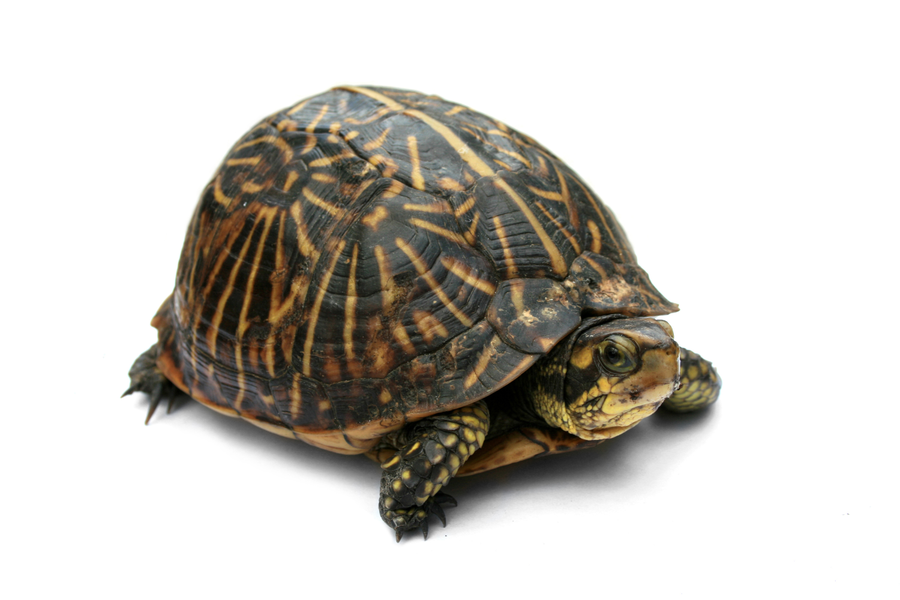
Eastern Box Turtle
North America's hinged turtle
Trusted wildlife guides
Friday, 25 September 2026Animals
All AnimalsAnimals A–ZCollectionsSharksBig CatsBearsSnakesFrogs and ToadsTurtles and TortoisesWhales and DolphinsPrimatesLearn biologyEducator packsHabitats & biomesRegionsBrowse by Class, Diet & HabitatIdentify WildlifeCollective NounsBaby AnimalsAnimal of the DaySpecies group · 8 profiles
Eight turtle and tortoise profiles — sea turtles, pond turtles and Galápagos tortoise. Shell, feet, habitat and status.
Turtles and tortoises belong to the order Testudines — reptiles with a bony shell fused to the ribcage. This guide profiles eight species across sea, freshwater and land: box turtle, painted turtle, snapping turtle, green sea turtle, hawksbill turtle, leatherback turtle, loggerhead turtle and Galápagos tortoise. Leatherbacks are the largest living turtles, regularly exceeding 500 kg (1,100 lb) and 2 metres (6.5 ft) in shell length; Galápagos tortoises are the largest living tortoises, with giants over 250 kg (550 lb). Shell shape and limb form track water versus land life. Each profile states range, diet, nesting habits and conservation status.
Reptile
North America's hinged turtle
Reptile
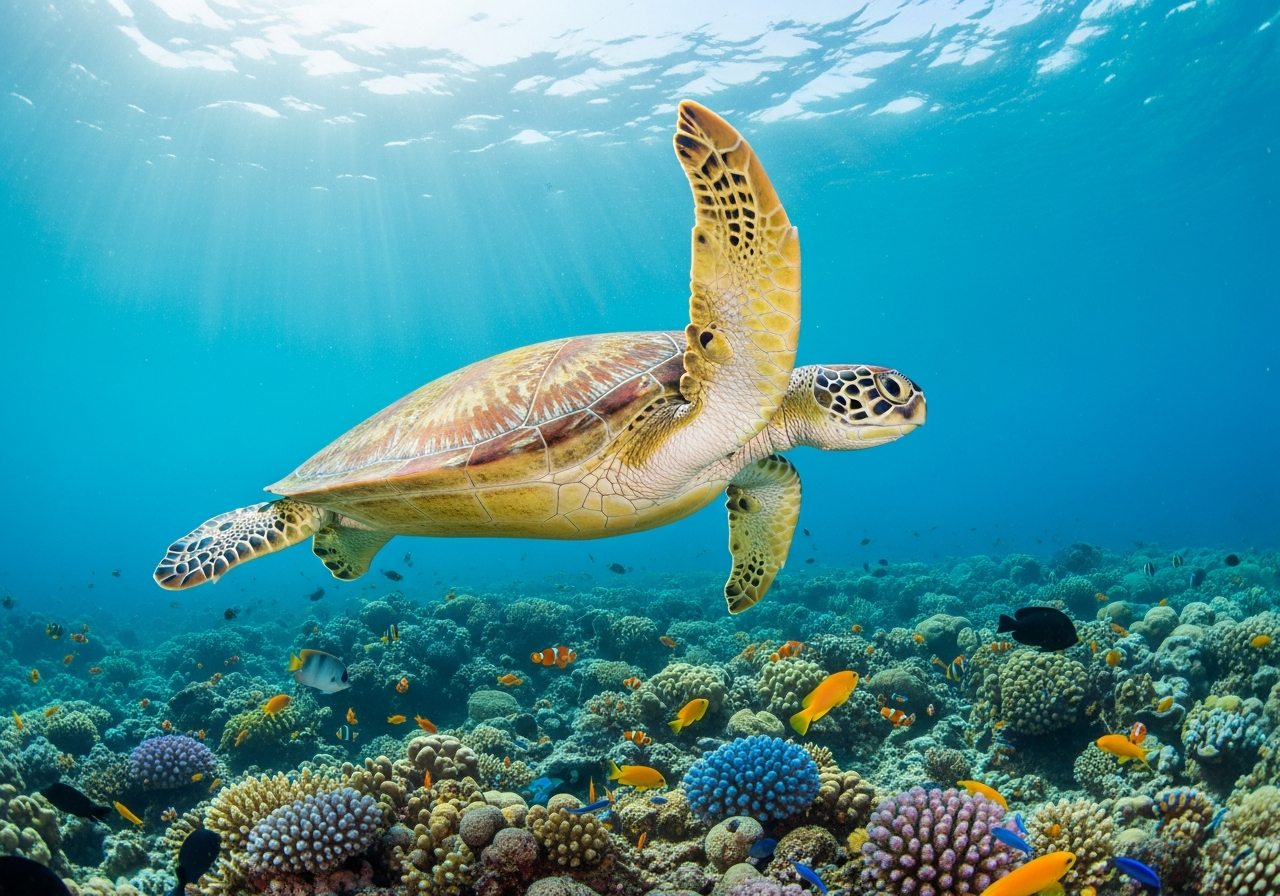
The gentle, long-lived grazer of tropical seas
Reptile
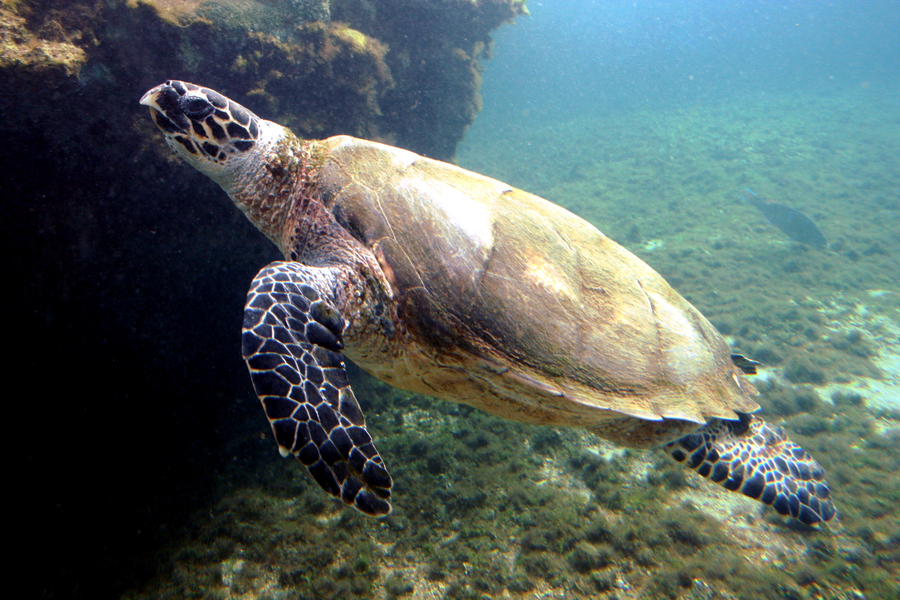
The tortoiseshell turtle
Reptile
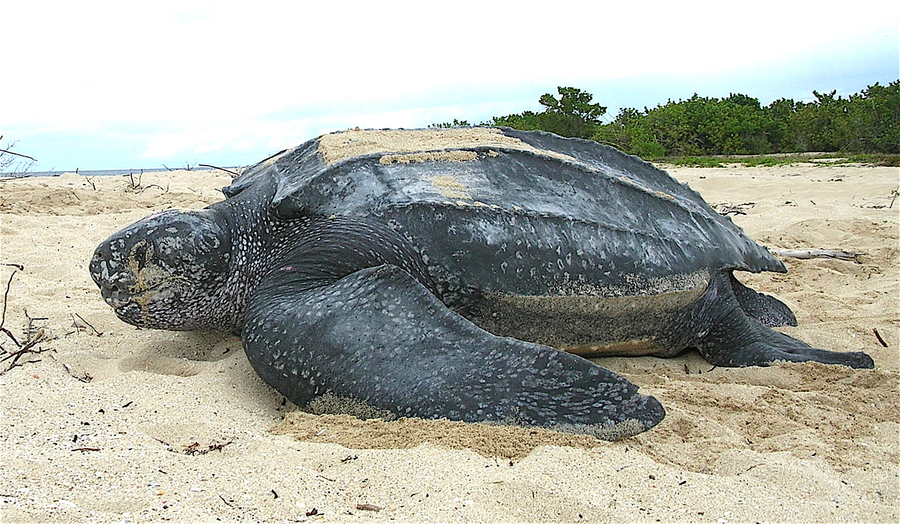
The giant jellyfish specialist
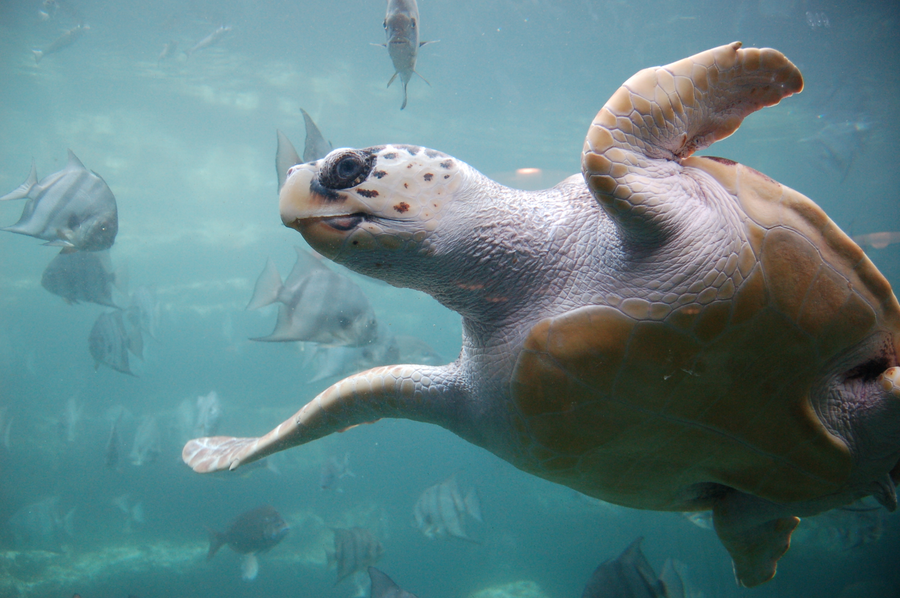
Reptile
The powerful-jawed sea turtle
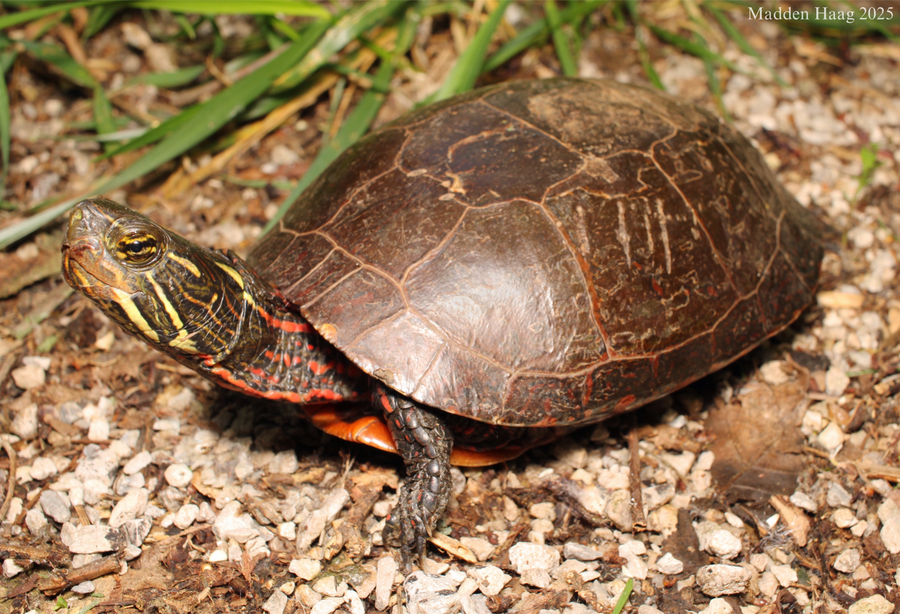
Reptile
The pond slider of North America
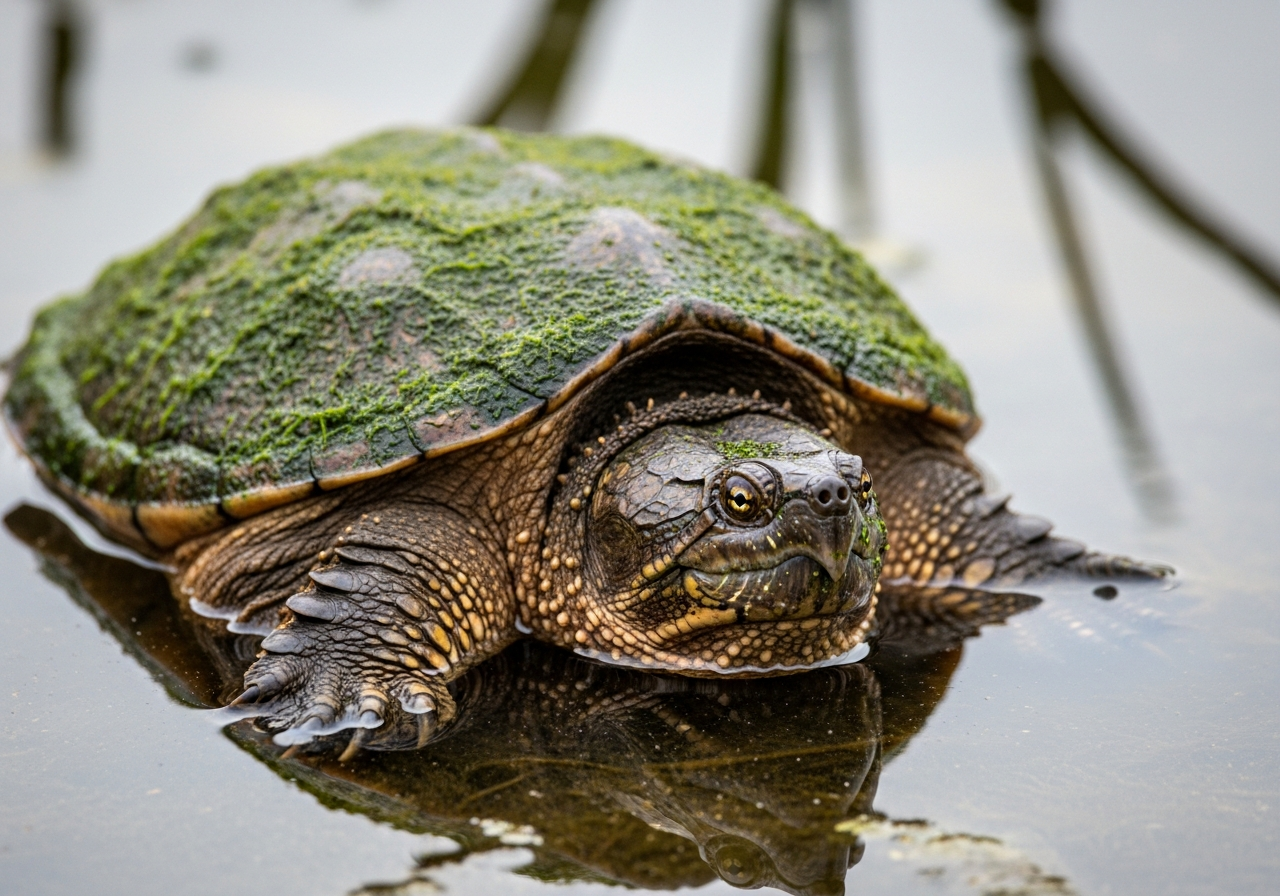
Reptile
The powerful-jawed freshwater turtle of North America
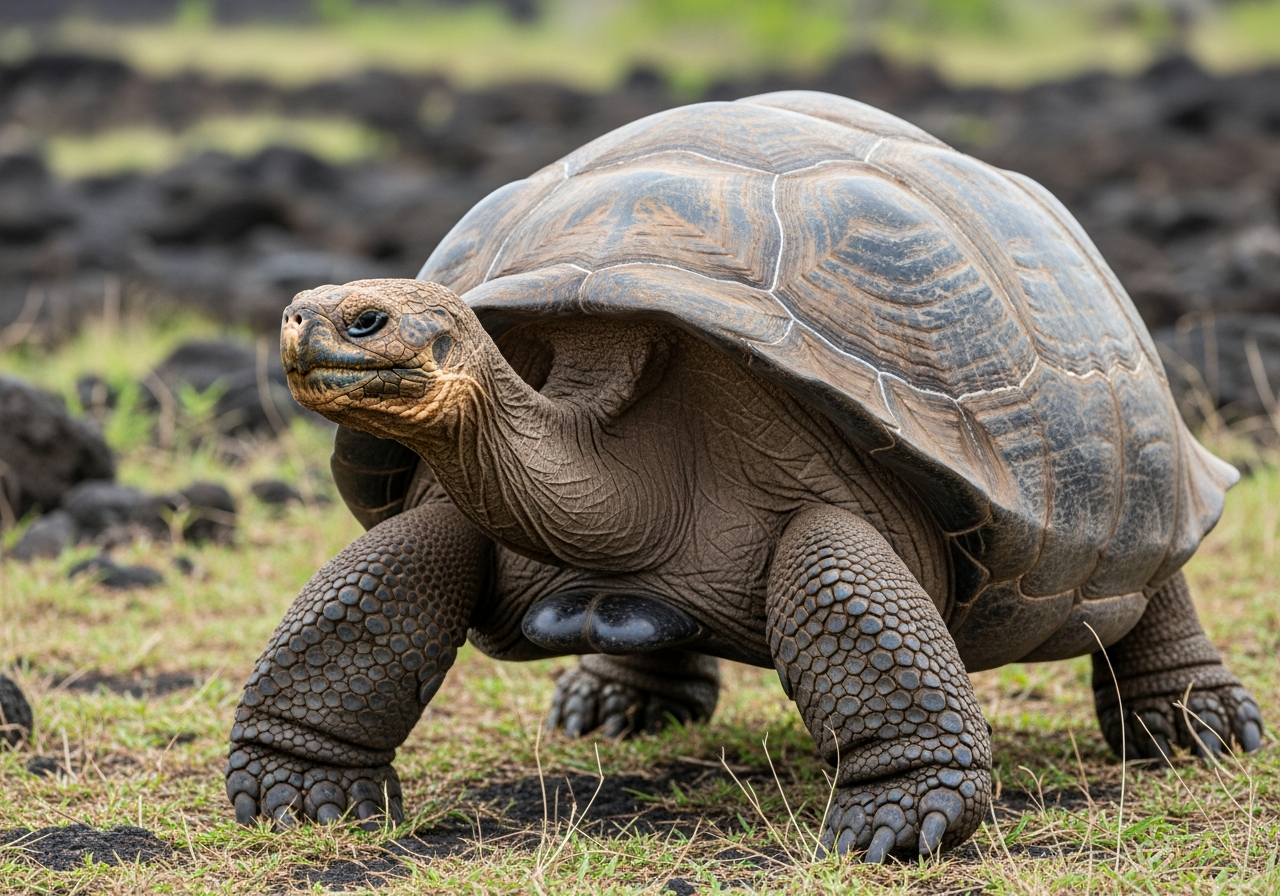
Reptile
The giant tortoise that can live over a century
All tortoises are turtles in the broad sense; "tortoise" usually means a terrestrial testudine with a domed shell and columnar, weight-bearing feet. Sea turtles have flippers and flattened shells; many freshwater turtles have webbed feet and lower domes. Shell height, limb shape and preferred habitat together separate the two groups more reliably than English common names alone in the field.
Both are testudines. Tortoises are land-dwelling, typically with high-domed shells and sturdy, elephantine feet. Animals called turtles often live in water or split time between water and land, with flatter shells and webbed feet or flippers. British English sometimes uses "turtle" more narrowly for sea species.
The leatherback sea turtle is the largest living turtle, with adults commonly 250–700 kg (550–1,540 lb). Galápagos tortoises are the largest tortoises but remain lighter than big leatherbacks. Soft, ridged carapaces and a jellyfish diet set leatherbacks apart from hard-shelled sea turtles.
Sea turtles spend nearly all of life in the ocean. Females come ashore to nest; hatchlings race from beach to sea. Feeding, mating and migration happen in water. Green, loggerhead, hawksbill and leatherback profiles on this hub follow that marine life history.
Many sea turtles and island tortoises face high extinction risk. Among profiles here, several marine species are Vulnerable or Endangered, and Galápagos tortoises remain conservation-dependent after historical overharvest. Freshwater species vary; each page lists the IUCN category used in the guide.