Image sourcing: see credits & licences
The proboscis monkey (Nasalis larvatus) is a mammal of the family Cercopithecidae, in the order Primates.
Quick answer
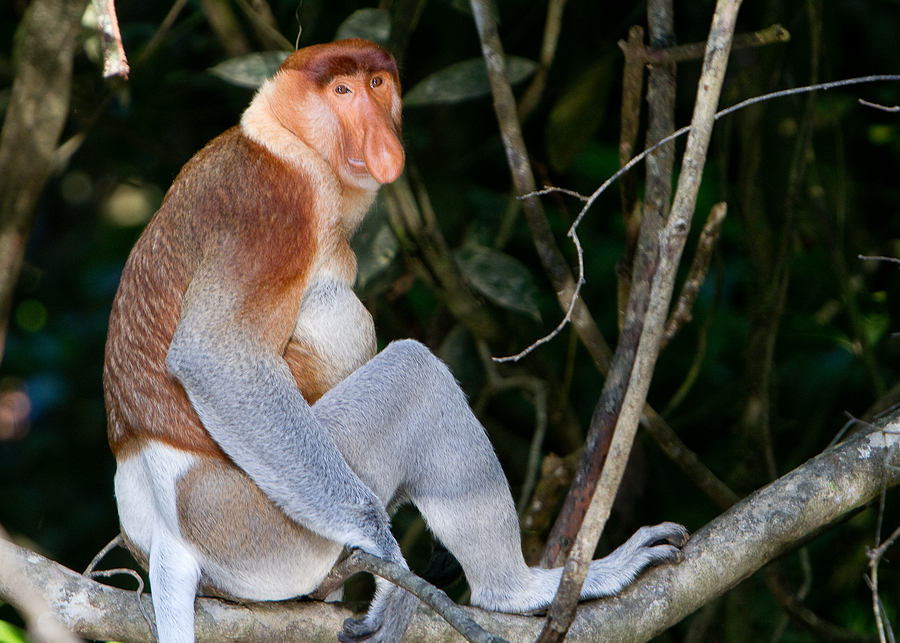
The proboscis monkey (Nasalis larvatus) is a large, reddish leaf-eating monkey found only on the island of Borneo, where it lives in mangroves, peat swamps, and riverine forest. Males are unmistakable for their huge, drooping noses and can weigh up to 24 kg, far more than females. Strong swimmers, they cross rivers and can move at up to 24 km/h. They live around 15 to 20 years and are listed as Endangered.
Top questions about the Proboscis Monkey
Also available in Español (Mono narigudo)
Proboscis Monkey facts at a glance
- Weight 20 kg
- Length 75 cm
- Top speed 24 km/h
- Lifespan 20 years
| Scientific name | Nasalis larvatus |
|---|---|
| Diet | Herbivore — leaves, unripe fruit, seeds, and flowers |
| Habitat | Borneo mangroves, peat swamp, and riverine forest |
| Lifespan | 15–20 years in the wild |
| Weight | 10–24 kg (22–53 lb); males much larger |
| Top speed | Up to 24 km/h (15 mph); strong swimmer |
| Conservation status | Endangered (IUCN) |
| Kingdom | Animalia |
|---|---|
| Phylum | Chordata |
| Class | Mammalia |
| Order | Primates |
| Family | Cercopithecidae |
| Genus | Nasalis |
Where it lives
The proboscis monkey (Nasalis larvatus) is native to Endemic to Borneo — mangroves, peat swamp, and riverine forest in Sabah, Sarawak, Kalimantan, and Brunei. — recorded across Asia in this guide’s range summary.
For occurrence records, see GBIF species search and sources below.
How big is a proboscis monkey?
An adult proboscis monkey measures 75 cm long — about 43% of the height of an average adult person (1.73 m) — and weighs around 20 kg, about 29% of an average adult’s body weight (70 kg).
Length vs an average adult’s height (to scale)
What is a group of proboscis monkeys called?
Group name (collective noun)
A group of Proboscis Monkeys is called a troop.
Baby name
A baby Proboscis Monkey is called an infant.
Explore more animal collective nouns and baby animal names .
The remarkable nose
The proboscis monkey takes its name from the enormous, pendulous nose of adult males, which can hang down past the mouth. This oversized nose is thought to amplify the male's honking calls and to signal health and status to females. Females and young have much smaller, upturned noses by comparison. No other primate carries a nose quite like it, making the species instantly recognisable.
Found only on Borneo
Proboscis monkeys live nowhere else on Earth but the island of Borneo, shared by Malaysia, Indonesia, and Brunei. They keep to lowland habitats close to water, favouring coastal mangroves, peat-swamp forest, and forest along rivers. Rarely straying far from the water's edge, they gather in the trees overhanging rivers and estuaries. This tight link to waterside forest makes them especially sensitive to the loss of these habitats.
Leaf-eating and the pot belly
Proboscis monkeys are herbivores, feeding mainly on young leaves and unripe fruit, along with seeds and flowers. To digest this tough, leafy diet they have a large, chambered stomach full of bacteria that ferment the plant material, giving them a distinctly pot-bellied appearance. This specialised gut means they generally avoid sweet ripe fruit, which can ferment too quickly and upset their digestion. They feed mostly in the morning and late afternoon, resting during the heat of the day.
Swimming and moving through the forest
Unusually among monkeys, proboscis monkeys are excellent swimmers, with partially webbed fingers and toes that help them cross rivers. They can move at up to 24 km/h and will leap dramatically from trees into the water to escape predators such as crocodiles or to reach the far bank. In the trees they travel by climbing and leaping through the canopy. This swimming ability lets them exploit the flooded, waterlogged forests that many other primates avoid.
Why it is endangered
The proboscis monkey is listed as Endangered by the IUCN, and its population continues to fall. Its waterside forests are being cleared rapidly for palm-oil plantations, logging, and shrimp farming, destroying the mangroves and riverine trees it depends on. Because the species is confined to Borneo and tied to a narrow band of habitat, it has little room to retreat. Protecting mangrove and riverside forest is critical to its future.
Dig deeper into the Proboscis Monkey
- Are Proboscis Monkeys Endangered?
Are proboscis monkeys endangered? Status Endangered, main threats, and what protection means.
- How Long Do Proboscis Monkeys Live?
Proboscis Monkey lifespan is typically 15–20 years in the wild. What shortens or extends life, life stages, and status (Endangered).
- How Big Is A Proboscis Monkey?
Proboscis Monkey size and weight: typical 10–24 kg (22–53 lb); males much larger, dimorphism, and growth.
- What Do Proboscis Monkeys Eat?
What proboscis monkeys eat: Herbivore — leaves, unripe fruit, seeds, and flowers, foraging style, and seasonal shifts in Borneo mangroves, peat swamp, and riverine forest.
- Where Do Proboscis Monkeys Live?
Where proboscis monkeys live: Borneo mangroves, peat swamp, and riverine forest, native range cues, and human overlap. Status Endangered.
Explore the Proboscis Monkey
Compare
Close relatives
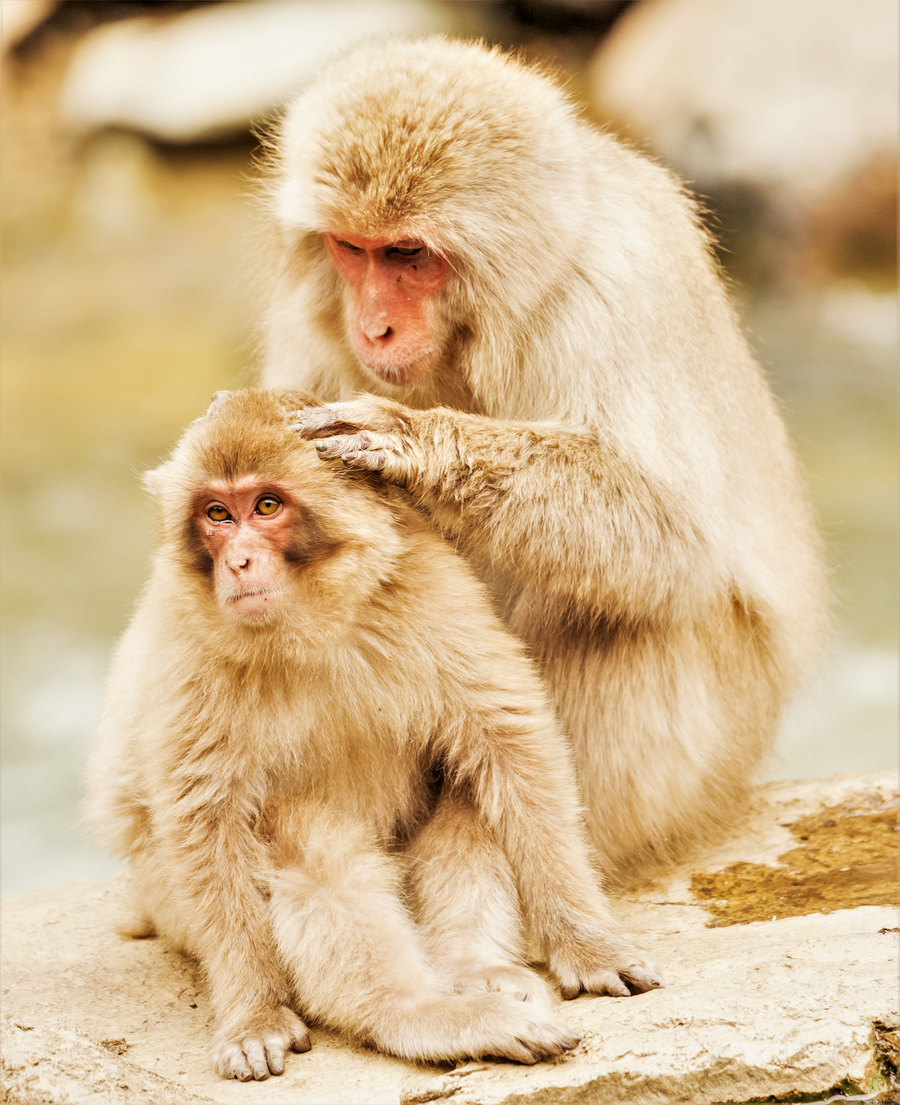
- Japanese Macaque Same family
- Mandrill Same family
- Olive Baboon Same family
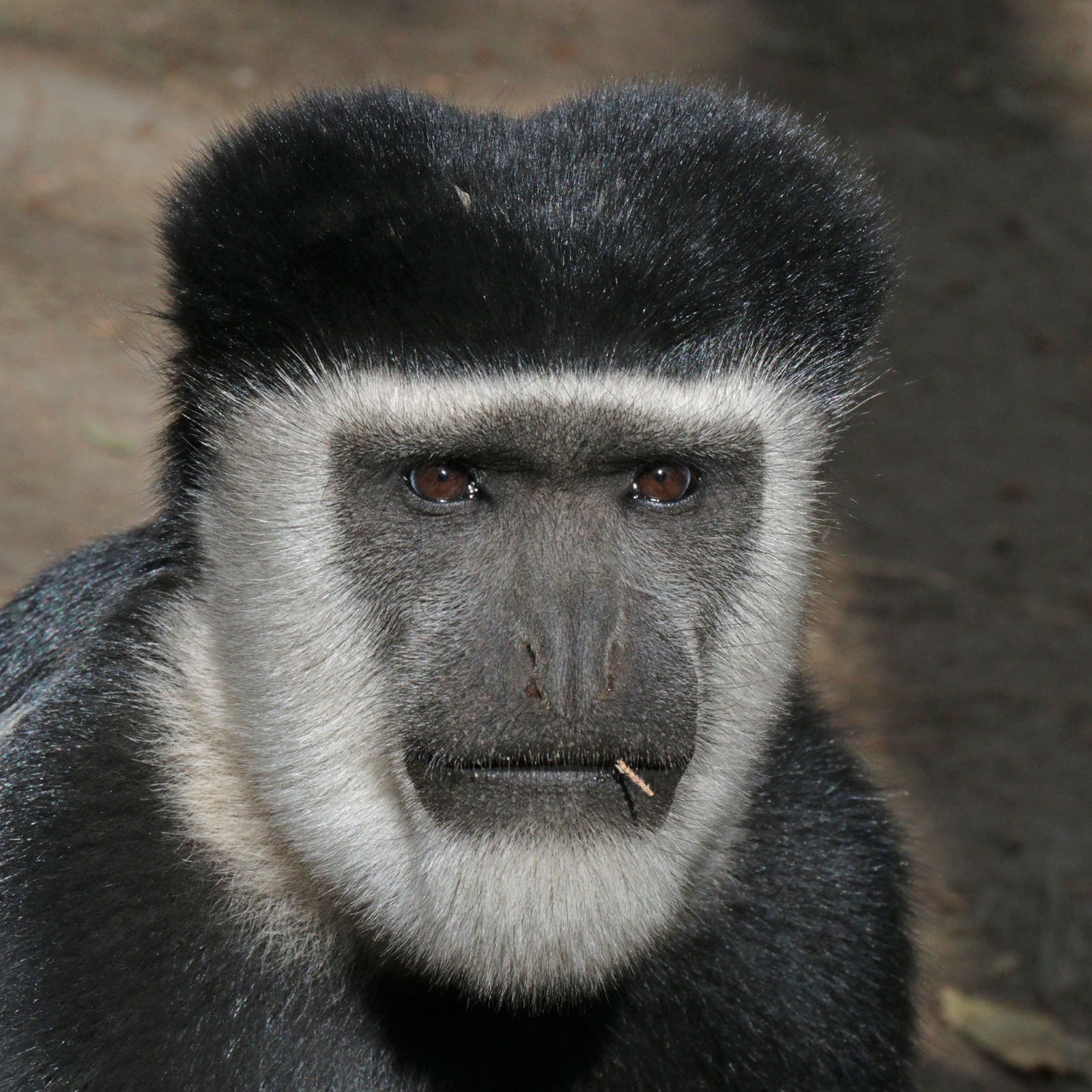
- Guereza Colobus Same family
Collections
Range & geography
Did you know? Proboscis Monkey facts
- Proboscis monkeys are endemic to Borneo, recognised by males' large pendulous noses and pot bellies.
- Sexual selection — larger noses correlate with higher rank in males.
- Borneo river cruises at dawn often spot troops in mangroves.
- Conservation: Endangered.
Diet & feeding
Proboscis Monkey feeds primarily as a leaves, unripe fruit, seeds.
Adaptations
- The nose amplifies honking calls and may signal mate quality.
- Webbed feet help proboscis monkeys escape crocodiles by crossing water.
Behaviour & ecology
- The nose amplifies honking calls and may signal mate quality.
- Webbed feet help proboscis monkeys escape crocodiles by crossing water.
Communication
- Proboscis Monkey uses scent, posture, and vocal signals to mark territory and coordinate social behaviour.
- Communication intensity often peaks during breeding seasons and territorial disputes.
Habitat & range
Borneo mangroves and riverine forest
Ecological role
Proboscis Monkey plays a recognised ecological role in borneo mangroves and riverine forest.
Conservation status of the Proboscis Monkey
The proboscis monkey (Nasalis larvatus) is listed as Endangered on the IUCN Red List. Endangered (EN) means a species faces a very high risk of extinction in the wild. Populations are usually declining sharply due to habitat loss, hunting, disease, or climate pressure. It sits one level below Critically Endangered on the IUCN Red List.
Main threats to the proboscis monkey
- Mangrove and riparian forest clearance
- Hunting
- Habitat fragmentation
- Fire and agricultural expansion
Proboscis Monkey (Nasalis larvatus) was most recently assessed for the IUCN Red List in 2021. View the full IUCN assessment .
Frequently asked questions about the Proboscis Monkey
Why do proboscis monkeys have such big noses?
Only adult males have the huge nose, which is thought to amplify their honking calls and signal health and status to females. Females and young have much smaller, upturned noses.
Where do proboscis monkeys live?
Proboscis monkeys are found only on the island of Borneo, in Malaysia, Indonesia, and Brunei. They live in lowland habitats near water, including mangroves, peat-swamp forest, and forest along rivers.
Can proboscis monkeys swim?
Yes. They are among the best-swimming of all monkeys, with partially webbed fingers and toes. They will leap from trees into rivers to cross to the other side or to escape predators such as crocodiles.
What do proboscis monkeys eat?
They are herbivores that feed mainly on young leaves and unripe fruit, along with seeds and flowers. Their large, chambered stomach ferments this leafy diet, giving them a pot-bellied look.
How big do proboscis monkeys get?
Males are much larger than females and can weigh up to around 24 kg (53 lb). This large size difference between the sexes is typical of the species.
Why are proboscis monkeys endangered?
They are Endangered mainly because their waterside forests on Borneo are being cleared for palm-oil plantations, logging, and shrimp farming. Confined to a single island and a narrow band of habitat, they have little room to retreat.
What is a group of proboscis monkeys called?
A group of Proboscis Monkeys is called a troop.
What is a baby proboscis monkey called?
A baby Proboscis Monkey is called an infant.
Sources & references
This guide is compiled and reviewed against established zoological and conservation references. Key sources for the Proboscis Monkey:
-
IUCN Red List of Threatened Species
Conservation status (Endangered) reflects the IUCN Red List category for Nasalis larvatus, most recently assessed in 2021.
-
iNaturalist — observations & photos
Search citizen-science observations and community IDs for Nasalis larvatus. Useful for range checks and recent sightings — not a substitute for formal Red List status.
-
GBIF — occurrence data
Global Biodiversity Information Facility species search for Nasalis larvatus. Explore published occurrence records used in range research.
- IUCN Red List — Nasalis larvatus.
Conservation status (Endangered) and population trends.
- Animal Diversity Web — Nasalis larvatus. University of Michigan Museum of Zoology.
Life history, morphology, and range.
-
Global Animal Guide editorial standards
How we research, source, review, and update every guide for accuracy.
Social structure
Proboscis monkeys live in harem groups made up of one dominant male, several females, and their young, alongside separate bachelor groups of males. At night, many groups gather in trees along the same stretch of river, coming together in loose communities before dispersing to feed by day. Males are much larger than females, weighing up to around 24 kg, and use their size and honking calls to hold their group together. Young males eventually leave to join bachelor bands before trying to win a harem of their own.