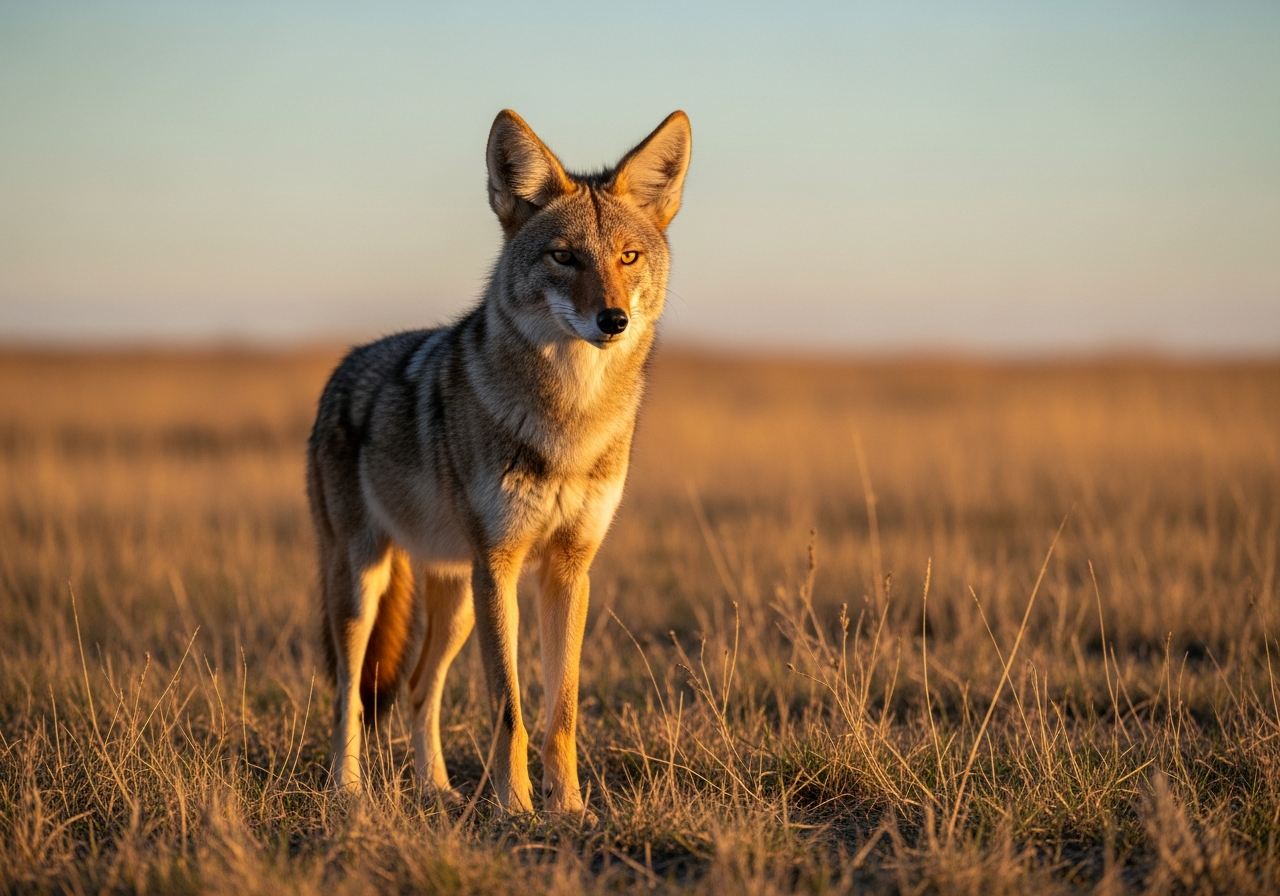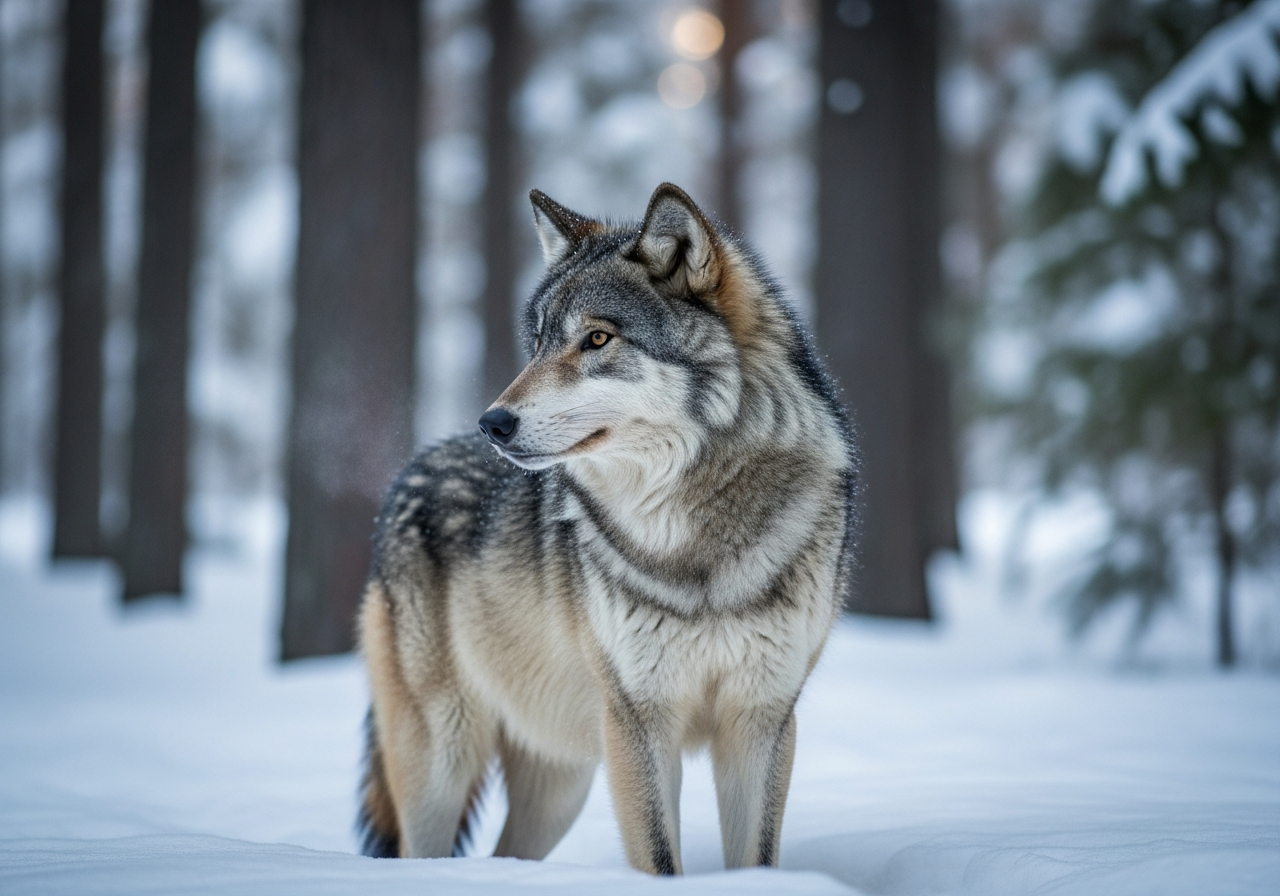
The dog (Canis familiaris) is a mammal of the dog family, Canidae, in the order Carnivora.
Quick answer
The dog is a domesticated mammal and the most popular pet on Earth, descended from the gray wolf and bred into more than 340 recognized breeds. Dogs are prized for their loyalty, trainability, and bond with people, and most live around 10 to 13 years. They range in size from tiny Chihuahuas to giant Great Danes.
Top questions about the Dog
Popular questions
Also available in Español (Perro)
Dog facts at a glance
- Weight 30 kg
- Length 1 m
- Top speed 48 km/h
- Lifespan 12 years
| Scientific name | Canis familiaris |
|---|---|
| Diet | Omnivore |
| Habitat | Domesticated, worldwide alongside people |
| Lifespan | 10–13 years (varies by breed) |
| Weight | 2–90 kg (4–200 lb) depending on breed |
| Top speed | Up to 72 km/h (45 mph) in greyhounds |
| Conservation status | Domesticated |
| Kingdom | Animalia |
|---|---|
| Phylum | Chordata |
| Class | Mammalia |
| Order | Carnivora |
| Family | Canidae |
| Genus | Canis |
Where it lives
The dog (Canis familiaris) is native to Domesticated from wolves in Eurasia; now found worldwide alongside people. — recorded across Asia, Europe in this guide’s range summary.
For occurrence records, see GBIF species search and sources below.
How big is a dog?
An adult dog measures 1 m long — about 58% of the height of an average adult person (1.73 m) — and weighs around 30 kg, about 43% of an average adult’s body weight (70 kg).
Length vs an average adult’s height (to scale)
What is a group of dogs called?
Group name (collective noun)
A group of Dogs is called a pack.
Baby name
A baby Dog is called a puppy.
Explore more animal collective nouns and baby animal names .
Behavior and intelligence
Dogs are highly social, pack-oriented animals that bond strongly with humans and other dogs. They are unusually skilled at reading human gestures, expressions, and tone of voice, which makes them easy to train. The average dog can learn around 165 words and signals, and the brightest breeds can learn far more.
Breeds and diversity
Selective breeding has produced more than 340 recognized breeds, the widest range of body shapes and sizes of any land mammal. From the tiny Chihuahua to the towering Great Dane, every breed traces back to the gray wolf, shaped by thousands of years of human selection for herding, guarding, hunting, and companionship.
Dogs and humans
Dogs were the first animal humans ever domesticated, likely between 15,000 and 40,000 years ago. Today they work as guide dogs, search-and-rescue dogs, detection dogs, and herders, in addition to being beloved family pets. Their sense of smell is tens of thousands of times more sensitive than ours.
Health and care
Dogs thrive on regular exercise, a balanced diet, social contact, and routine veterinary care including vaccinations. Smaller breeds tend to live longer than giant breeds, and good nutrition and dental care can add years to a dog's life.
Origins and domestication
The domestic dog descends from the gray wolf and was the first species humans ever domesticated, likely more than 15,000 years ago. Thousands of years of selective breeding have produced hundreds of breeds that vary enormously in size, shape, and temperament, from tiny Chihuahuas to giant Great Danes.
Senses and communication
Dogs experience the world primarily through smell, with a sense of smell tens of thousands of times more sensitive than a human's. They communicate using body posture, tail position, facial expression, and a range of barks, whines, and growls, and they are unusually attuned to human gestures, expressions, and tone of voice.
Dig deeper into the Dog
- How Long Do Dogs Live?
Most dogs live 10–13 years. See lifespan by size and 15+ breeds, what shortens life, and vet-backed ways to add healthy years — with sources.
- Dog lifespan chart by breed
Sortable-style dog lifespan chart for 40+ breeds — typical years by size category, with notes on health risks. Veterinary-source checked companion to our dog longevity guide.
- Dog Years to Human Years
Skip the ×7 myth. Convert dog years to human years with a size-aware chart: first-year jump, second-year jump, then annual increments by small, medium, and large dogs.
- Can Dogs Eat That?
Veterinary-source checked guide to what dogs can and cannot eat — bananas, apples, peanut butter, eggs, cheese, carrots, bread, popcorn, plus the toxic foods every owner must avoid.
- Foods Dogs Cannot Eat
Clear list of foods dogs cannot eat — chocolate, xylitol, grapes, onions, and more — plus what to do immediately if your dog ingested something toxic.
- How Smart Are Dogs?
Dogs excel at social cognition with people. See Stanley Coren’s obedience ranks as a popular framework, border collie word learning, intelligence types, and enrichment tips.
- Why Do Dogs Wag Their Tails?
A wagging tail shows emotional arousal — not always happiness. Learn height, speed, stiffness, left–right bias research, and how to read wags safely with full body language.
- Why Do Dogs Lick You?
Dogs lick people for bonding, taste, attention, and appeasement. Learn what licking means, hygiene basics, and how to redirect constant licking without punishment.
- How Fast Is a Dog?
Greyhounds reach ~70 km/h; most companion dogs sprint at 30–40 km/h. See speed by breed, sprint vs endurance, and chase-safety guidance.
- What Do Dogs Eat?
Dogs are scavenging omnivores that thrive on complete commercial diets. Wet vs dry, raw risks, puppy–senior feeding, portion control, and toxic-food links.
- Where Do Dogs Live?
Dogs live worldwide with people — in homes, farms, and cities. Domestication from wolves, free-roaming street dogs, and feral vs pet explained.
Explore the Dog
Close relatives
- Gray Wolf Same genus
- Dingo Same genus
- Golden Jackal Same genus
- Coyote Same genus
Range & geography
Did you know? Dog facts
- The dog is a domesticated mammal and the most popular pet on Earth, descended from the gray wolf and bred into more than 340 recognized breeds.
- Most dogs live 10 to 13 years, though smaller breeds often outlive large ones. Some small breeds reach 15 to 18 years with good care.
- Yes. Genetic evidence shows domestic dogs descend from ancient gray wolf populations, which is why every breed, from poodles to mastiffs, belongs to the same species.
- All domestic dogs are descended from the gray wolf. Dogs and wolves share around 99% of their DNA, but thousands of years of domestication have changed dogs' behavior, appearance, and ability to bond with people.
- There are more than 340 dog breeds recognized by the Fédération Cynologique Internationale, the largest international registry. National clubs such as the American Kennel Club recognize a smaller number, around 200.
- Conservation: Domesticated.
Diet & feeding
Dog feeds primarily as a omnivore. Selective breeding has produced more than 340 recognized breeds, the widest range of body shapes and sizes of any land mammal. From the tiny Chihuahua to the towering Great Dane, every breed traces back to the gray wolf, shaped by thousands of years of human selection for herding, gua
Adaptations
- Dogs are highly social, pack-oriented animals that bond strongly with humans and other dogs. They are unusually skilled at reading human gestures, expressions, and tone of voice, which makes them easy to train. The average dog can learn around 165 words and signals, and the brightest breeds can learn far more.
- Selective breeding has produced more than 340 recognized breeds, the widest range of body shapes and sizes of any land mammal. From the tiny Chihuahua to the towering Great Dane, every breed traces back to the gray wolf, shaped by thousands of years of human selection for herding, guarding, hunting, and companionship.
Behaviour & ecology
- Dogs are highly social, pack-oriented animals that bond strongly with humans and other dogs. They are unusually skilled at reading human gestures, expressions, and tone of voice, which makes them easy to train. The average dog can learn around 165 words and signals, and the brightest breeds can learn far more.
- Selective breeding has produced more than 340 recognized breeds, the widest range of body shapes and sizes of any land mammal. From the tiny Chihuahua to the towering Great Dane, every breed traces back to the gray wolf, shaped by thousands of years of human selection for herding, guarding, hunting, and companionship.
- Dogs were the first animal humans ever domesticated, likely between 15,000 and 40,000 years ago. Today they work as guide dogs, search-and-rescue dogs, detection dogs, and herders, in addition to being beloved family pets. Their sense of smell is tens of thousands of times more sensitive than ours.
Communication
- Dog uses scent, posture, and vocal signals to mark territory and coordinate social behaviour.
- Communication intensity often peaks during breeding seasons and territorial disputes.
Habitat & range
Domesticated, worldwide alongside people
Ecological role
Dog plays a recognised ecological role in domesticated, worldwide alongside people.
Conservation status of the Dog
The dog (Canis familiaris) is listed as Domesticated on the IUCN Red List. Domesticated animals are species kept and selectively bred by humans over many generations, such as dogs, cats, and livestock. They are not assessed for extinction risk in the wild by the IUCN, because their populations are managed by people rather than subject to natural pressures.
The dog (Canis familiaris) is assessed on the IUCN Red List. Look up on the IUCN Red List .
Frequently asked questions about the Dog
How long do dogs live?
Most dogs live 10 to 13 years, though smaller breeds often outlive large ones. Some small breeds reach 15 to 18 years with good care.
Are dogs really descended from wolves?
Yes. Genetic evidence shows domestic dogs descend from ancient gray wolf populations, which is why every breed, from poodles to mastiffs, belongs to the same species.
What animal are dogs descended from?
All domestic dogs are descended from the gray wolf. Dogs and wolves share around 99% of their DNA, but thousands of years of domestication have changed dogs' behavior, appearance, and ability to bond with people.
How many dog breeds are there?
There are more than 340 dog breeds recognized by the Fédération Cynologique Internationale, the largest international registry. National clubs such as the American Kennel Club recognize a smaller number, around 200.
Are dogs colorblind?
Dogs are not fully colorblind. They see the world mainly in shades of blue and yellow and cannot distinguish red from green, similar to a person with red-green color blindness.
What is the most popular dog breed?
Retrievers, especially the Labrador retriever and golden retriever, are consistently among the most popular and most searched dog breeds worldwide thanks to their friendly, trainable temperament.
What is a group of dogs called?
A group of Dogs is called a pack.
What is a baby dog called?
A baby Dog is called a puppy.
Sources & references
This guide is compiled and reviewed against established zoological and conservation references. Key sources for the Dog:
-
IUCN Red List of Threatened Species
Conservation status (Domesticated) reflects the IUCN Red List category for Canis familiaris.
-
iNaturalist — observations & photos
Search citizen-science observations and community IDs for Canis familiaris. Useful for range checks and recent sightings — not a substitute for formal Red List status.
-
GBIF — occurrence data
Global Biodiversity Information Facility species search for Canis familiaris. Explore published occurrence records used in range research.
- IUCN Red List — Canis familiaris.
Conservation status (Domesticated) and population trends.
- Animal Diversity Web — Canis familiaris. University of Michigan Museum of Zoology.
Life history, morphology, and range.
- Wikipedia — Dog.
General taxonomy and overview (cross-check primary sources).
-
Global Animal Guide editorial standards
How we research, source, review, and update every guide for accuracy.