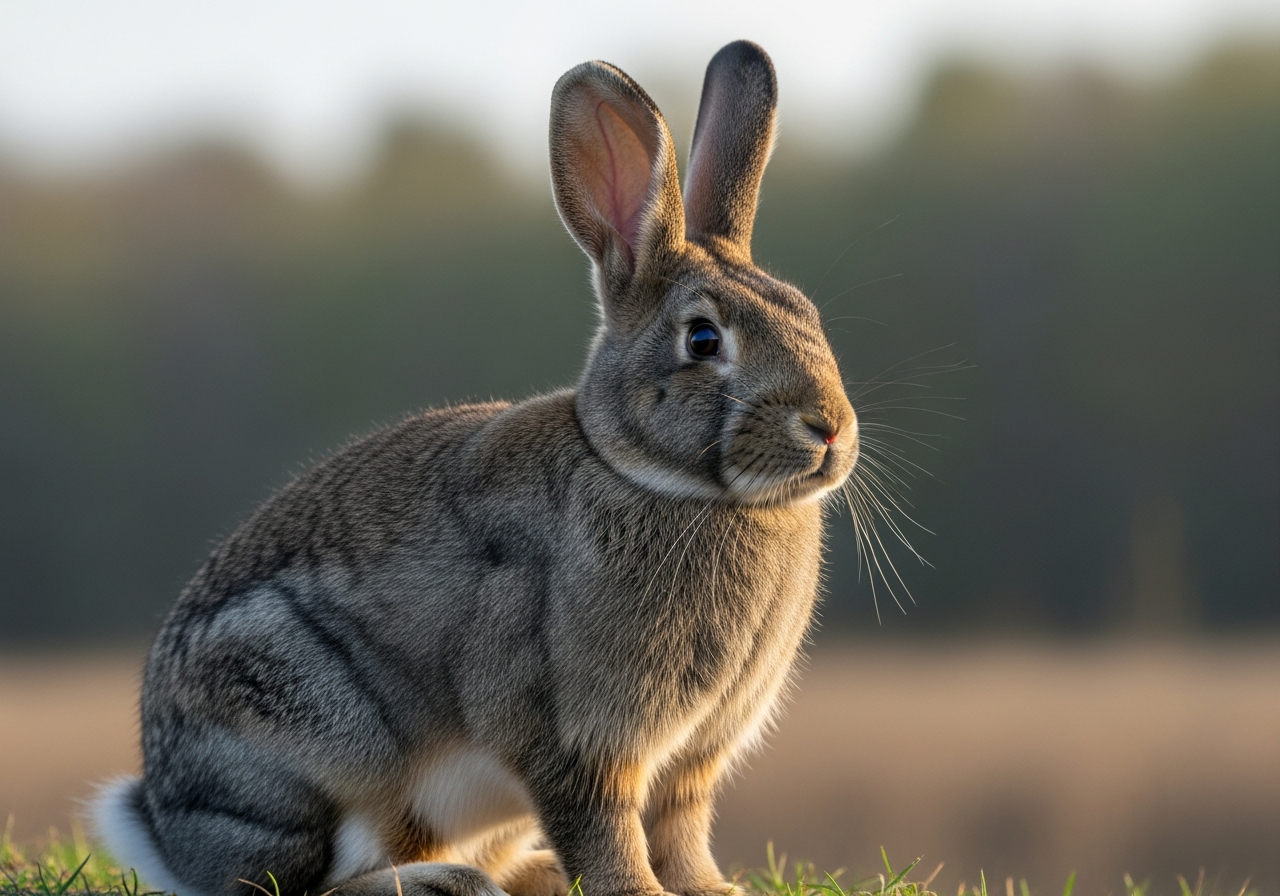
Flemish Giant
Quick answer
The Flemish Giant is the largest rabbit breed, weighing 6–10 kg or more, and despite its imposing size it is famously docile, gentle, and calm, earning it the nickname the gentle giant of the rabbit world.
Flemish Giant at a glance
| Origin | Belgium (Flanders) |
|---|---|
| Size | Giant (6–10 kg) |
| Weight | 6–10 kg (13–22 lb) |
| Lifespan | 5–8 years |
| Coat | Short, dense, glossy coat; occasional grooming |
| Temperament | Docile, gentle, calm |
| Good with | Families with space, calm older children, experienced owners |
History of the Flemish Giant
The Flemish Giant originated in the Flanders region of Belgium, near the city of Ghent, with records dating to the 16th and 17th centuries. It was likely developed from large meat and fur rabbits and possibly old stein and Patagonian breeds. By the 19th century the breed was standardized and exported widely, reaching the United States in the 1890s. Once raised mainly for meat and fur, the Flemish Giant is now kept largely as a gentle, oversized companion and show animal.
Interesting facts about the Flemish Giant
- The Flemish Giant is the largest recognized rabbit breed, sometimes weighing more than a small dog.
- Individuals can grow over 75 cm (about 2.5 feet) in length.
- The breed was originally raised for meat and fur in Belgium.
- Despite its size, it is known for an exceptionally calm and tolerant temperament.
Common health issues in the Flemish Giant and how to help
Like all rabbit breeds, the Flemish Giant can be more prone to a few specific health conditions. Knowing the early signs helps you act quickly — always consult a qualified vet for diagnosis and treatment.
Sore hocks
What it is: Their large body weight makes sore hocks more likely, with pressure causing inflamed areas on the feet.
How to help: Soft, clean flooring and bedding help, and a vet can treat early signs before they worsen.
Gastrointestinal stasis
What it is: GI stasis is a serious slowdown of the gut, often seen as a rabbit that stops eating or producing droppings.
How to help: A high-hay diet and hydration help prevent it, and prompt veterinary care is essential because it can quickly become life-threatening.
Arthritis and spinal strain
What it is: Their size puts extra strain on joints and the spine, which can cause stiffness or reduced movement with age.
How to help: A vet can help with weight management, accessible housing, and comfort care.
This is general information for owners, not veterinary advice. If you are worried about your rabbit's health, contact your vet.
Frequently asked questions about the Flemish Giant
How big do Flemish Giant rabbits get?
Flemish Giants are the largest rabbit breed, commonly weighing 6 to 10 kg (13 to 22 pounds) and growing over 75 cm long, with some individuals exceeding those figures.
Are Flemish Giant rabbits good pets?
Yes, for owners with enough space. They are docile, gentle, and calm, but their large size means they need bigger enclosures, more food, and careful handling.
How long do Flemish Giant rabbits live?
Flemish Giants typically live 5 to 8 years. Like many large animals, they tend to have shorter lifespans than smaller rabbit breeds.