Quick answer
Honey Bees live in Worldwide wherever flowering plants grow. Within that range they pick microhabitats that supply cover, food (Nectar and pollen), water, and breeding sites — and they disappear where those features are lost.
Key takeaway
Honey Bees live in Worldwide wherever flowering plants grow. Within that range they pick microhabitats that supply cover, food (Nectar and pollen), water, and breeding sites — and they disappear where those features are lost.
Honey Bee native habitat
Honey Bees (Apis mellifera) are tied to Worldwide wherever flowering plants grow. Look for sites that match their diet (Nectar and pollen) and movement style; seasonal rains or prey shifts can expand or shrink local occupancy.
Microhabitats honey bees prefer
Cover for resting, access to food, and safe breeding sites decide day-to-day use. Edge habitats can help adaptable populations but fail specialists that need continuous wild land.
How people change Honey Bee range
Farms, suburbs, and roads create opportunity for some individuals and lethal risk for others. Fragmentation without corridors isolates honey bee groups and raises local extinction risk.
Conservation geography for honey bees
Status in our guides: <strong>Not Evaluated</strong>. Protecting linked habitat often beats a single fenced reserve. Watch from a distance and never feed wild honey bees.
Pollination and honey
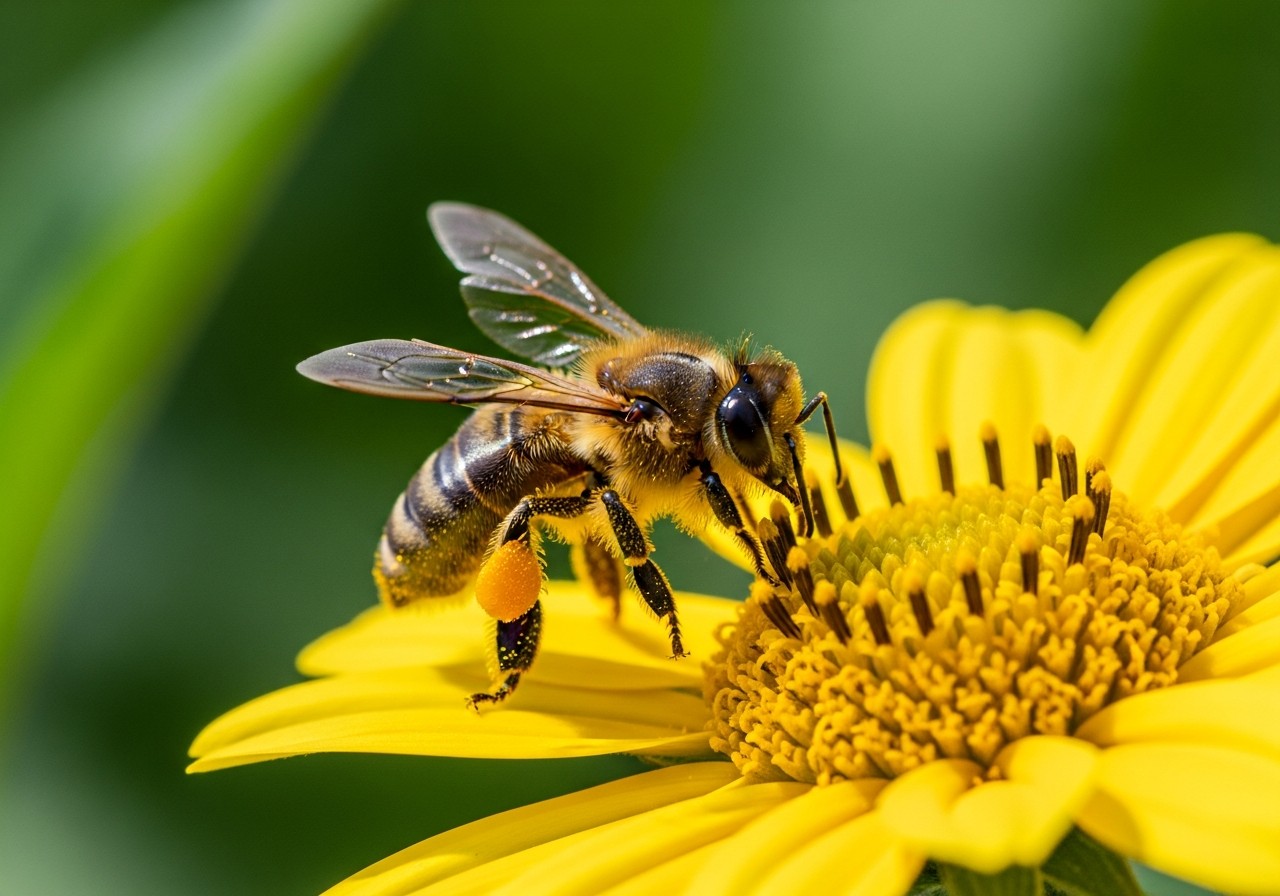
As bees move between flowers collecting nectar and pollen, they transfer pollen and fertilize plants. This pollination underpins a large portion of global food crops. Back at the hive, bees convert nectar into honey, a stored food that sustains the colony through times when flowers are scarce.
The waggle dance
Honey bees share the location of good food sources through a remarkable behavior called the waggle dance. A returning forager moves in a figure-eight pattern, and the angle and duration of the central "waggle" run encode the direction and distance of the flowers relative to the sun.
Sources
Honey Bee FAQs
Where do honey bees live?
Honey Bees live in Worldwide wherever flowering plants grow. Within that range they pick microhabitats that supply cover, food (Nectar and pollen), water, and breeding sites — and they disappear where those features are lost.
What is the scientific name of the honey bee?
Apis mellifera — used in research and conservation listings for honey bees.
What do honey bees eat?
Honey Bees eat nectar and pollen, with seasonal and regional variation in Worldwide wherever flowering plants grow.
What is the conservation status of honey bees?
Listed in our guides as Not Evaluated. Check the IUCN Red List and national assessments for the latest formal category.