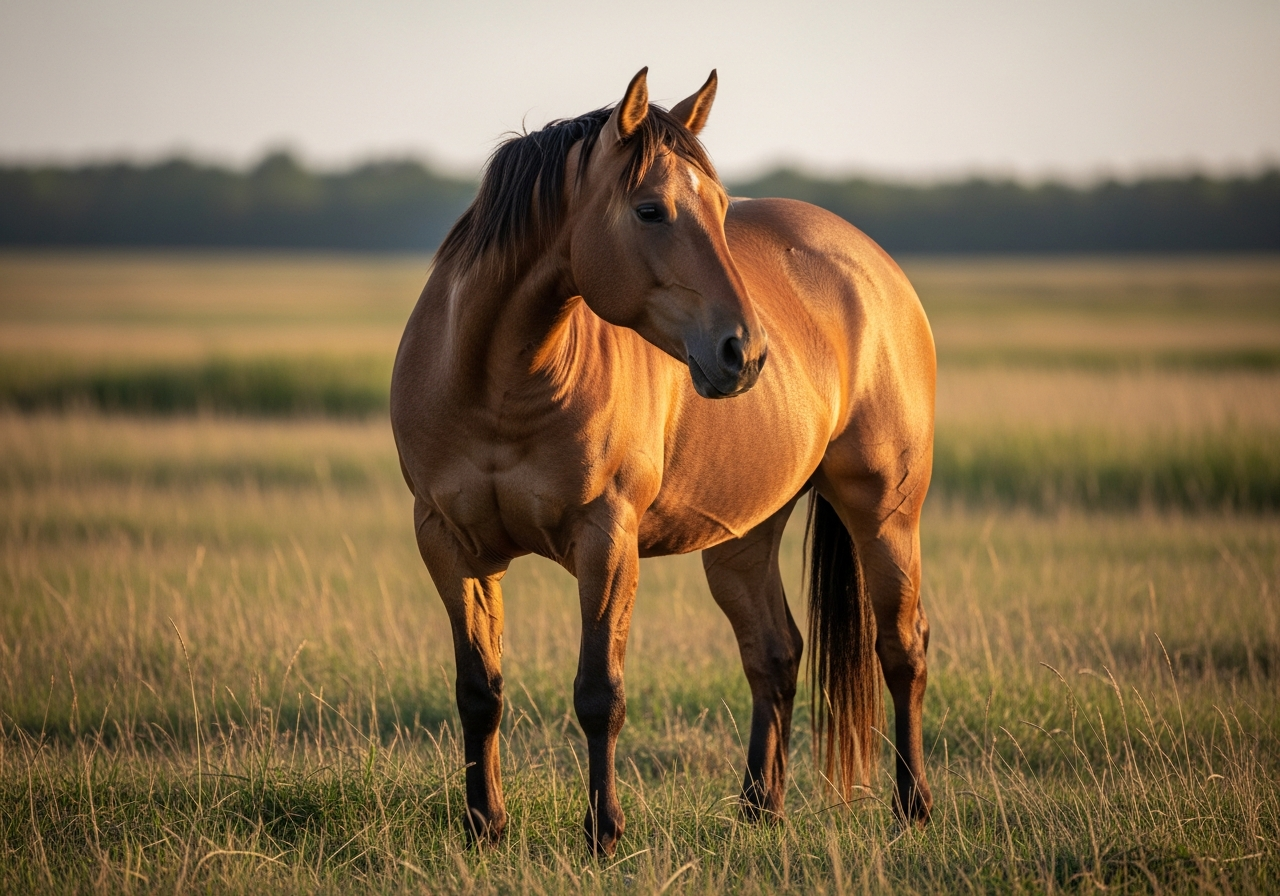
Mustang
Quick answer
The Mustang is a free-roaming horse of the American West descended from horses brought by Spanish settlers, prized as a hardy, intelligent, and independent breed and an enduring symbol of frontier freedom.
Mustang at a glance
| Origin | North America (feral) |
|---|---|
| Size | 13–15 hands |
| Weight | 360–450 kg (800–1,000 lb) |
| Lifespan | 25–30 years |
| Coat | Tough coat in many colors; weather-hardy and generally low-maintenance |
| Temperament | Hardy, intelligent, independent |
| Good with | Experienced riders, adopters, and trail and endurance enthusiasts |
History of the Mustang
The Mustang descends from horses brought to the Americas by Spanish explorers and settlers beginning in the 16th century. Escaped and released horses formed wild herds that spread across the western plains, mixing with later ranch and cavalry stock. Shaped by survival in rugged terrain, Mustangs became tough, sure-footed, and resourceful. Once numbering in the millions, their populations declined sharply, leading to protection under the 1971 Wild Free-Roaming Horses and Burros Act managed by the Bureau of Land Management.
Interesting facts about the Mustang
- Mustangs are protected under a 1971 U.S. federal law on public lands.
- They descend from Spanish horses that escaped or were released centuries ago.
- Their hardy hooves often need little or no shoeing.
- The word 'mustang' comes from the Spanish term for a stray or wild horse.
Common health issues in the Mustang and how to help
Like all horse breeds, the Mustang can be more prone to a few specific health conditions. Knowing the early signs helps you act quickly — always consult a qualified vet for diagnosis and treatment.
Dental problems
What it is: Like all horses, Mustangs can develop sharp points or uneven wear that make chewing difficult.
How to help: Routine veterinary dental checks and floating keep them eating comfortably.
Hoof problems
What it is: Their tough feet still need regular care in a domestic setting to prevent cracks, imbalance, or lameness.
How to help: A farrier and vet can keep the hooves trimmed, balanced, and sound.
Internal parasites
What it is: Grazing horses can carry worms that cause weight loss or a poor coat.
How to help: A vet-guided deworming and fecal-testing program keeps parasites in check.
This is general information for owners, not veterinary advice. If you are worried about your horse's health, contact your vet.
Frequently asked questions about the Mustang
Are Mustangs a true horse breed?
Mustangs are often described as a breed but are technically free-roaming feral horses descended from Spanish and later domestic stock, recognized for their distinct hardy type.
Can you adopt a wild Mustang?
Yes. The U.S. Bureau of Land Management runs adoption programs for wild Mustangs gathered from public lands to manage herd populations.
Are Mustangs good riding horses?
Once gentled and trained, Mustangs make tough, sure-footed, and intelligent riding horses, though they are best suited to patient, experienced handlers.