Morgan
Quick answer
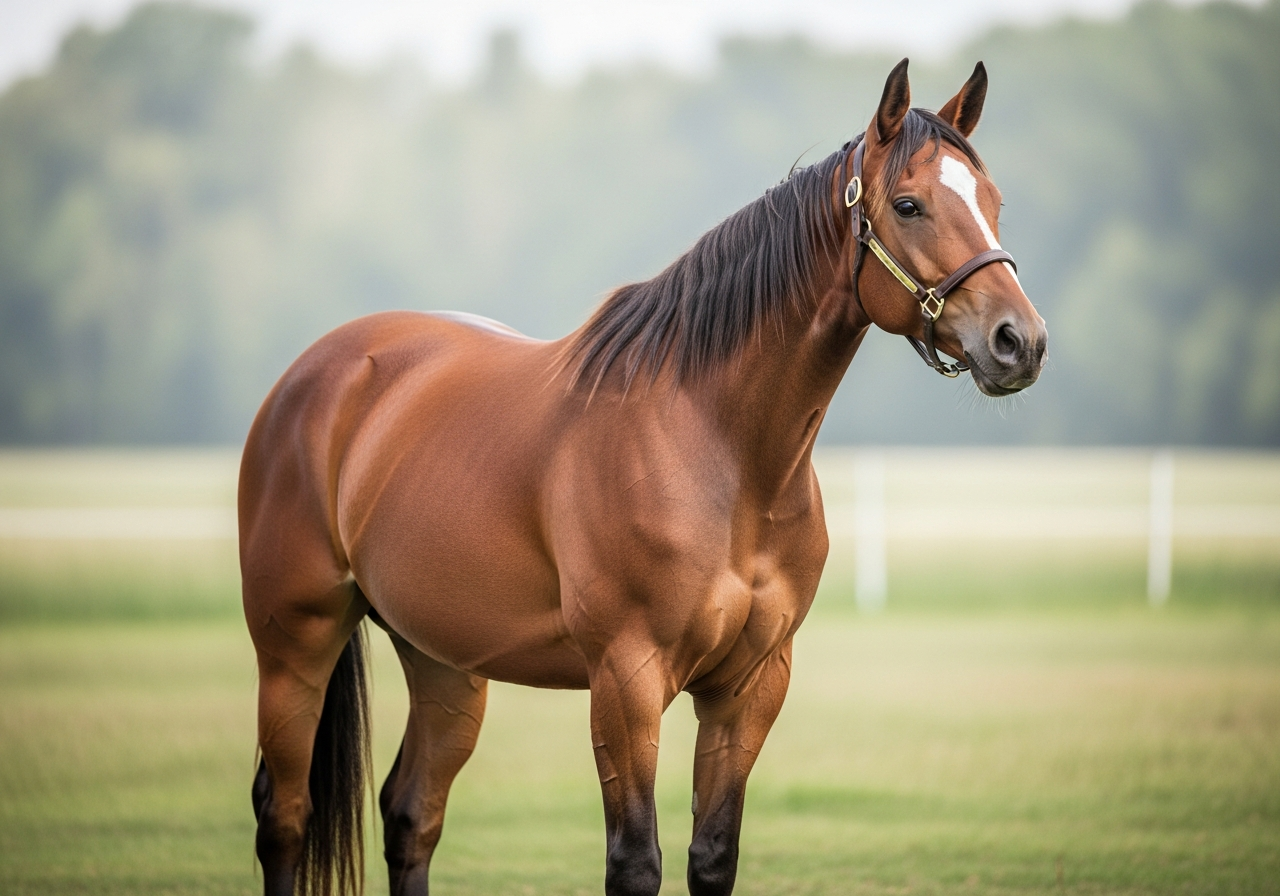
The Morgan is one of America's first horse breeds, a compact and powerful horse developed in Vermont, celebrated for its kind temperament, willing nature, and remarkable all-around versatility under saddle and in harness.
Morgan at a glance
| Origin | United States (Vermont) |
|---|---|
| Size | 14.1–15.2 hands |
| Weight | 410–450 kg (900–1,000 lb) |
| Lifespan | 20–30 years |
| Coat | Smooth coat in solid colors, often bay, black, or chestnut; routine grooming |
| Temperament | Friendly, eager, versatile |
| Good with | Beginners, families, and versatile all-purpose riders |
History of the Morgan
The Morgan traces to a single prepotent stallion named Figure, foaled around 1789 and later known by his owner Justin Morgan. Despite his small size, Figure was famous for strength, speed, and endurance, and he passed those qualities reliably to his offspring. From this one foundation sire the Morgan breed grew, becoming a popular harness, cavalry, and farm horse across 19th-century America. Today the Morgan is prized for its versatility, excelling in driving, dressage, trail, and Western disciplines.
Interesting facts about the Morgan
- The entire Morgan breed descends from one foundation stallion named Figure.
- Morgans served as cavalry mounts during the American Civil War.
- They are one of the earliest horse breeds developed in the United States.
- Their compact, powerful build suits both riding and driving.
Common health issues in the Morgan and how to help
Like all horse breeds, the Morgan can be more prone to a few specific health conditions. Knowing the early signs helps you act quickly — always consult a qualified vet for diagnosis and treatment.
Obesity and metabolic issues
What it is: Morgans are easy keepers and can gain weight readily, which raises the risk of equine metabolic syndrome.
How to help: A vet can guide diet, exercise, and monitoring to keep them at a healthy weight.
Laminitis
What it is: Excess weight and rich grazing can trigger laminitis, a painful hoof condition shown by lameness or a reluctance to move.
How to help: Careful diet, limited lush pasture, and prompt veterinary care reduce the risk.
Eye conditions
What it is: Morgans can be prone to certain inherited eye issues that may develop over time.
How to help: A vet can detect them during routine exams, so regular checks help catch and manage problems early.
This is general information for owners, not veterinary advice. If you are worried about your horse's health, contact your vet.
Frequently asked questions about the Morgan
What is the Morgan horse known for?
Morgans are known for their kind temperament, compact and powerful build, and exceptional versatility across driving, dressage, trail, and Western disciplines.
Are Morgan horses good for beginners?
Yes. Morgans are often recommended for beginners and families because of their friendly, willing, and steady temperament.
Where did the Morgan horse come from?
The Morgan breed originated in Vermont and descends from a single foundation stallion named Figure, owned by Justin Morgan in the late 1700s.