Quick answer
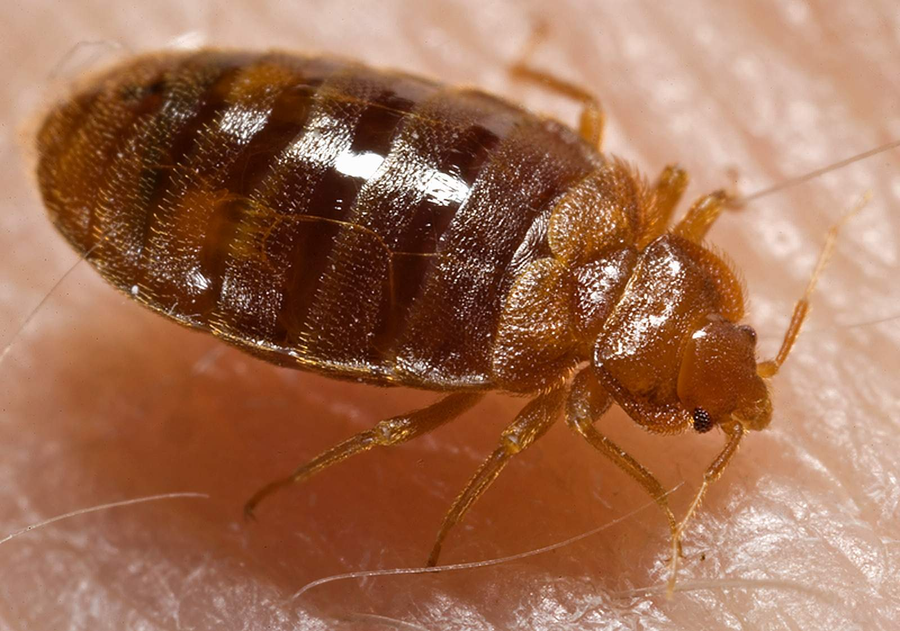
The common bed bug is a small flat insect that feeds exclusively on blood, mainly from humans at night while they sleep. Roughly 5 mm long and reddish-brown, it hides in mattress seams and furniture, resists many pesticides, and has resurged globally in hotels and homes — listed Not Evaluated by IUCN.
Top questions about the Bed Bug
Bed Bug facts at a glance
- Weight 0 g
- Length 1 cm
- Top speed 0 km/h
- Lifespan 1 years
| Scientific name | Cimex lectularius |
|---|---|
| Diet | Blood — primarily human; also bats and birds in wild settings |
| Habitat | Human dwellings, hotels, dormitories, and bedding worldwide |
| Lifespan | 6–12 months; can survive months without feeding |
| Weight | 5–7 mg (0.000005–0.000007 kg) when unfed |
| Top speed | Crawls ~1 m per minute; does not fly or jump |
| Conservation status | Not Evaluated (IUCN) |
| Kingdom | Animalia |
|---|---|
| Phylum | Arthropoda |
| Class | Insecta |
| Order | Hemiptera |
| Family | Cimicidae |
| Genus | Cimex |
Where it lives
The bed bug (Cimex lectularius) is native to Cosmopolitan human commensal found wherever people sleep — hotels, homes, and dormitories worldwide; likely originated as bat parasites in caves. — recorded across Africa, Asia, Europe, North America, Oceania, South America in this guide’s range summary.
For occurrence records, see GBIF species search and sources below.
How big is a bed bug?
An adult bed bug measures 1 cm long — a small fraction of the height of an average adult person (1.73 m) — and weighs around 0 g, a small fraction of an average adult’s body weight (70 kg).
Length vs an average adult’s height (to scale)
What is a group of bed bugs called?
Group name (collective noun)
A group of Bed Bugs is called an infestation.
Baby name
A baby Bed Bug is called a nymph.
Explore more animal collective nouns and baby animal names .
Nocturnal blood feeding
Bed bugs emerge from hiding in darkness, attracted by carbon dioxide and body heat. They pierce skin with elongated mouthparts, feed for 5–10 minutes, then retreat to cracks. Bites often appear in lines or clusters but reactions vary — some people show no marks.
Resurgence and resistance
Bed bugs nearly disappeared in wealthy countries after DDT use mid-century but resurged since the 1990s with international travel, pesticide resistance, and reduced use of broad-spectrum insecticides. They spread via luggage, furniture, and clothing.
Detection and treatment
Signs include rusty spots (faecal stains), shed skins, and a sweet musty odour in heavy infestations. Heat treatment above 50°C kills all life stages. Professional extermination often combines heat, steam, encasements, and targeted insecticides.
Health impacts
Bed bugs are not known to transmit disease to humans despite blood feeding. Bites cause itching, allergic reactions, and psychological distress — anxiety and sleep loss are common during infestations. Not Evaluated by IUCN as a human-associated pest.
Dig deeper into the Bed Bug
- Bed Bug Detection And Treatment
The common bed bug is a small flat insect that feeds exclusively on blood, mainly from humans at night while they sleep.
- Bed Bug Nocturnal Blood Feeding
The common bed bug is a small flat insect that feeds exclusively on blood, mainly from humans at night while they sleep.
- Bed Bug Resurgence And Resistance
The common bed bug is a small flat insect that feeds exclusively on blood, mainly from humans at night while they sleep.
- What Do Bed Bugs Eat?
What bed bugs eat: Blood — primarily human; also bats and birds in wild settings, foraging style, and seasonal shifts in Human dwellings, hotels, dormitories, and bedding worldwide.
- Where Do Bed Bugs Live?
Where bed bugs live: Human dwellings, hotels, dormitories, and bedding worldwide, native range cues, and human overlap. Status Not Evaluated.
Explore the Bed Bug
Compare
Related Insects
Did you know? Bed Bug facts
- The common bed bug is a small flat insect that feeds exclusively on blood, mainly from humans at night while they sleep.
- No confirmed disease transmission to humans — unlike ticks or mosquitoes. The main harm is itching, allergic reaction, and psychological stress.
- They hitchhike on luggage, used furniture, and clothing from infested hotels, homes, or public transport. They do not arrive from poor hygiene alone.
- No — they have no wings and cannot jump. They crawl between rooms and spread through walls and pipes in multi-unit buildings.
- Professional heat treatment, steam, mattress encasements, and targeted pesticides. Washing bedding at high heat helps but rarely eliminates infestation alone.
- Conservation: Not Evaluated (IUCN).
Diet & feeding
Bed Bug feeds primarily as a blood — primarily human; also bats and birds in wild settings. Bed bugs emerge from hiding in darkness, attracted by carbon dioxide and body heat. They pierce skin with elongated mouthparts, feed for 5–10 minutes, then retreat to cracks. Bites often appear in lines or clusters but reactions
Adaptations
- Bed bugs emerge from hiding in darkness, attracted by carbon dioxide and body heat. They pierce skin with elongated mouthparts, feed for 5–10 minutes, then retreat to cracks. Bites often appear in lines or clusters but reactions vary — some people show no marks.
- Bed bugs nearly disappeared in wealthy countries after DDT use mid-century but resurged since the 1990s with international travel, pesticide resistance, and reduced use of broad-spectrum insecticides. They spread via luggage, furniture, and clothing.
Behaviour & ecology
- Bed bugs emerge from hiding in darkness, attracted by carbon dioxide and body heat. They pierce skin with elongated mouthparts, feed for 5–10 minutes, then retreat to cracks. Bites often appear in lines or clusters but reactions vary — some people show no marks.
- Bed bugs nearly disappeared in wealthy countries after DDT use mid-century but resurged since the 1990s with international travel, pesticide resistance, and reduced use of broad-spectrum insecticides. They spread via luggage, furniture, and clothing.
- Signs include rusty spots (faecal stains), shed skins, and a sweet musty odour in heavy infestations. Heat treatment above 50°C kills all life stages. Professional extermination often combines heat, steam, encasements, and targeted insecticides.
Communication
- Bed Bug uses scent, posture, and vocal signals to mark territory and coordinate social behaviour.
- Communication intensity often peaks during breeding seasons and territorial disputes.
Habitat & range
Human dwellings, hotels, dormitories, and bedding worldwide
Ecological role
Bed Bug participates in pollination, decomposition, or prey-base support for birds and other insectivores.
Conservation status of the Bed Bug
The bed bug (Cimex lectularius) is listed as Not Evaluated on the IUCN Red List. Not Evaluated (NE) means a species has not yet been assessed against the IUCN Red List criteria. A lack of evaluation does not imply a species is safe — only that no formal assessment has been completed.
The bed bug (Cimex lectularius) is assessed on the IUCN Red List. Look up on the IUCN Red List .
Frequently asked questions about the Bed Bug
Do bed bugs spread disease?
No confirmed disease transmission to humans — unlike ticks or mosquitoes. The main harm is itching, allergic reaction, and psychological stress.
How do you get bed bugs?
They hitchhike on luggage, used furniture, and clothing from infested hotels, homes, or public transport. They do not arrive from poor hygiene alone.
Can bed bugs fly?
No — they have no wings and cannot jump. They crawl between rooms and spread through walls and pipes in multi-unit buildings.
How do you kill bed bugs?
Professional heat treatment, steam, mattress encasements, and targeted pesticides. Washing bedding at high heat helps but rarely eliminates infestation alone.
What do bed bugs look like?
Flat oval reddish-brown insects about apple-seed size (4–7 mm). After feeding they swell and darken. Nymphs are smaller and paler.
What is a group of bed bugs called?
A group of Bed Bugs is called an infestation.
What is a baby bed bug called?
A baby Bed Bug is called a nymph.
Sources & references
This guide is compiled and reviewed against established zoological and conservation references. Key sources for the Bed Bug:
-
IUCN Red List of Threatened Species
Conservation status (Not Evaluated) reflects the IUCN Red List category for Cimex lectularius.
-
iNaturalist — observations & photos
Search citizen-science observations and community IDs for Cimex lectularius. Useful for range checks and recent sightings — not a substitute for formal Red List status.
-
GBIF — occurrence data
Global Biodiversity Information Facility species search for Cimex lectularius. Explore published occurrence records used in range research.
- IUCN Red List — Cimex lectularius.
Conservation status (Not Evaluated) and population trends.
- Animal Diversity Web — Cimex lectularius. University of Michigan Museum of Zoology.
Life history, morphology, and range.
- Wikipedia — Bed Bug.
General taxonomy and overview (cross-check primary sources).
-
Global Animal Guide editorial standards
How we research, source, review, and update every guide for accuracy.