Quick answer
Bed Bugs feed on blood — primarily human, and also bats and birds in wild settings, adjusting with season, age, and what is abundant in Human dwellings, hotels, dormitories, and bedding worldwide. That label is a preferred pattern, not every item an individual might sample.
Key takeaway
Bed Bugs feed on human; also bats and birds in wild settings, adjusting with season, age, and what is abundant in Human dwellings, hotels, dormitories, and bedding worldwide. That label is a preferred pattern, not every item an individual might sample.
Bed Bug diet overview
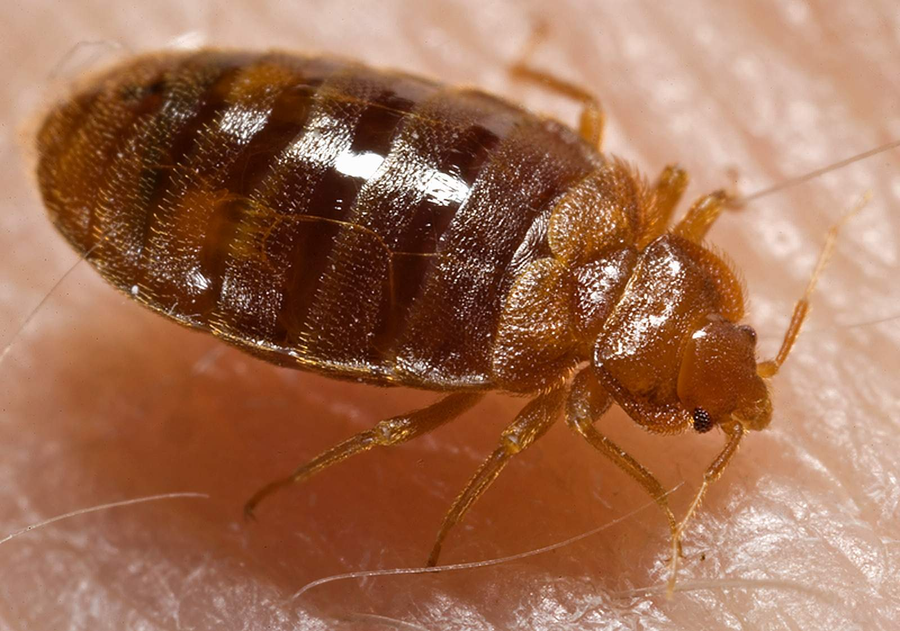
Bed Bugs (Cimex lectularius) are best summarised as Blood — primarily human; also bats and birds in wild settings. Anatomy and habitat (Human dwellings, hotels, dormitories, and bedding worldwide) decide whether they hunt, graze, filter, scavenge, or mix strategies across the year.
How bed bugs find food
Energy-rich foods are prioritised when available; lean seasons force broader diets or longer travel. Young animals may eat different items or receive food from parents.
Bed Bug role in the food web
As consumers in their food web, bed bugs move nutrients and influence prey or vegetation.
Feeding and human conflict
Never feed wild bed bugs. Habituation raises injury risk and can lead to lethal management. Captive diets must match species needs, not generic pet food rules.
Nocturnal blood feeding
Bed bugs emerge from hiding in darkness, attracted by carbon dioxide and body heat. They pierce skin with elongated mouthparts, feed for 5–10 minutes, then retreat to cracks. Bites often appear in lines or clusters but reactions vary — some people show no marks.
Resurgence and resistance
Bed bugs nearly disappeared in wealthy countries after DDT use mid-century but resurged since the 1990s with international travel, pesticide resistance, and reduced use of broad-spectrum insecticides. They spread via luggage, furniture, and clothing.
Sources
Bed Bug FAQs
What do bed bugs eat?
Bed Bugs feed on human; also bats and birds in wild settings, adjusting with season, age, and what is abundant in Human dwellings, hotels, dormitories, and bedding worldwide. That label is a preferred pattern, not every item an individual might sample.
What is the scientific name of the bed bug?
Cimex lectularius — used in research and conservation listings for bed bugs.
Where do bed bugs live?
They are associated with Human dwellings, hotels, dormitories, and bedding worldwide. Local presence depends on food, cover, and human land use.
What is the conservation status of bed bugs?
Listed in our guides as Not Evaluated. Check the IUCN Red List and national assessments for the latest formal category.
Who this page is for.This page is about wild diet. Skip it if you need a captive feeding plan from a veterinarian.