Image sourcing: see credits & licences
The pine marten (Martes martes) is a mammal of the weasel family, Mustelidae, in the order Carnivora.
Quick answer
The pine marten (Martes martes) is an agile, cat-sized member of the weasel family found in the conifer and mixed forests of Europe and western Asia. About 55 cm long with rich brown fur and a cream-coloured throat patch, it is an expert climber that hunts small mammals, birds, and eggs, and also eats fruit. Largely nocturnal and solitary, it can live up to ten years in the wild.
Top questions about the Pine Marten
Pine Marten facts at a glance
- Weight 1.5 kg
- Length 55 cm
- Top speed 25 km/h
- Lifespan 10 years
| Scientific name | Martes martes |
|---|---|
| Diet | Carnivore — small mammals, birds, eggs, and fruit |
| Habitat | Conifer and mixed forests of Europe and western Asia |
| Lifespan | 8–10 years in the wild |
| Weight | 0.9–1.7 kg (2–3.7 lb); males larger |
| Top speed | Up to 25 km/h (16 mph); agile in trees |
| Conservation status | Least Concern (IUCN) |
| Kingdom | Animalia |
|---|---|
| Phylum | Chordata |
| Class | Mammalia |
| Order | Carnivora |
| Family | Mustelidae |
| Genus | Martes |
Where it lives
The pine marten (Martes martes) is native to Conifer and mixed forests from Ireland and Britain through Scandinavia, Russia, and western China. — recorded across Asia, Europe in this guide’s range summary.
For occurrence records, see GBIF species search and sources below.
How big is a pine marten?
An adult pine marten measures 55 cm long — about 32% of the height of an average adult person (1.73 m) — and weighs around 1.5 kg, about 2% of an average adult’s body weight (70 kg).
Length vs an average adult’s height (to scale)
What is a group of pine martens called?
Group name (collective noun)
A group of Pine Martens is called a pack.
Baby name
A baby Pine Marten is called a kit.
Explore more animal collective nouns and baby animal names .
Life in the trees
The pine marten is superbly adapted to an arboreal life, with a long body, sharp semi-retractable claws, and a bushy tail that helps it balance as it bounds through the canopy. It can leap between branches and descend tree trunks head-first, hunting squirrels and birds far above the ground. Much of its life is spent in dense woodland, where it dens in tree hollows, old nests, and rocky crevices. This agility sets it apart from most other members of the weasel family.
Varied diet
Although a member of the carnivore family, the pine marten is an opportunistic omnivore. It hunts small mammals such as voles, mice, and squirrels, along with birds and their eggs, but also eats large quantities of berries and fruit, especially in late summer and autumn. This flexible diet helps it survive lean periods when prey is scarce. In parts of its range, its fondness for grey squirrels may even help native red squirrels recover.
Territory and behaviour
Pine martens are solitary and strongly territorial, marking their range with droppings, known as scats, left in prominent places. Each animal patrols a large home range that it defends against others of the same sex. Mostly active at night and around dawn and dusk, martens move quickly and quietly through the forest at up to 25 km/h (16 mph). They rely on scent and keen senses to navigate and communicate across their wooded territory.
Breeding and delayed implantation
Pine martens mate in summer, but the female's body delays the development of the embryos until the following spring, a strategy known as delayed implantation. This ensures the young, usually two or three kits, are born in spring when conditions are best. The kits are raised in a secure den, often a tree hollow, and are cared for by the mother alone. They become independent by autumn and reach breeding age in their second or third year.
Decline and recovery in Britain
Pine martens were once widespread across Britain but were driven to near extinction by habitat loss and persecution, surviving mainly in the Scottish Highlands. Legal protection and, more recently, reintroduction projects in Wales and England have begun to reverse this decline. The species is slowly reclaiming former woodlands where it had long been absent. Its return is also of interest to conservationists because of its potential to suppress invasive grey squirrels.
Range and status
Across Europe and western Asia as a whole, the pine marten remains widespread in suitable forest, and the IUCN lists it as Least Concern. It favours conifer and mixed woodland but can also use scrub and rocky ground where cover is good. Wild pine martens typically live eight to ten years. Continued forest cover and the easing of past persecution are key to its ongoing recovery in areas where it had declined.
Dig deeper into the Pine Marten
- How Long Do Pine Martens Live?
Pine Marten lifespan is typically 8–10 years in the wild. What shortens or extends life, life stages, and status (Least Concern).
- Pine Marten Arboreal Predator
The pine marten is a cat-sized mustelid hunting squirrels and birds in European and Asian forests, with a creamy throat patch and arboreal agility.
- Pine Marten Nocturnal Habits
The pine marten is a cat-sized mustelid hunting squirrels and birds in European and Asian forests, with a creamy throat patch and arboreal agility.
- What Do Pine Martens Eat?
What pine martens eat: Carnivore — small mammals, birds, eggs, and fruit, foraging style, and seasonal shifts in Conifer and mixed forests of Europe and western Asia.
- Where Do Pine Martens Live?
Where pine martens live: Conifer and mixed forests of Europe and western Asia, native range cues, and human overlap. Status Least Concern.
Explore the Pine Marten
Compare
Close relatives
- Honey Badger Same family
- Wolverine Same family
- Sea Otter Same family
- Ferret Same family
Did you know? Pine Marten facts
- Pine martens are cat-sized mustelids that hunt squirrels and birds in European and Asian forests.
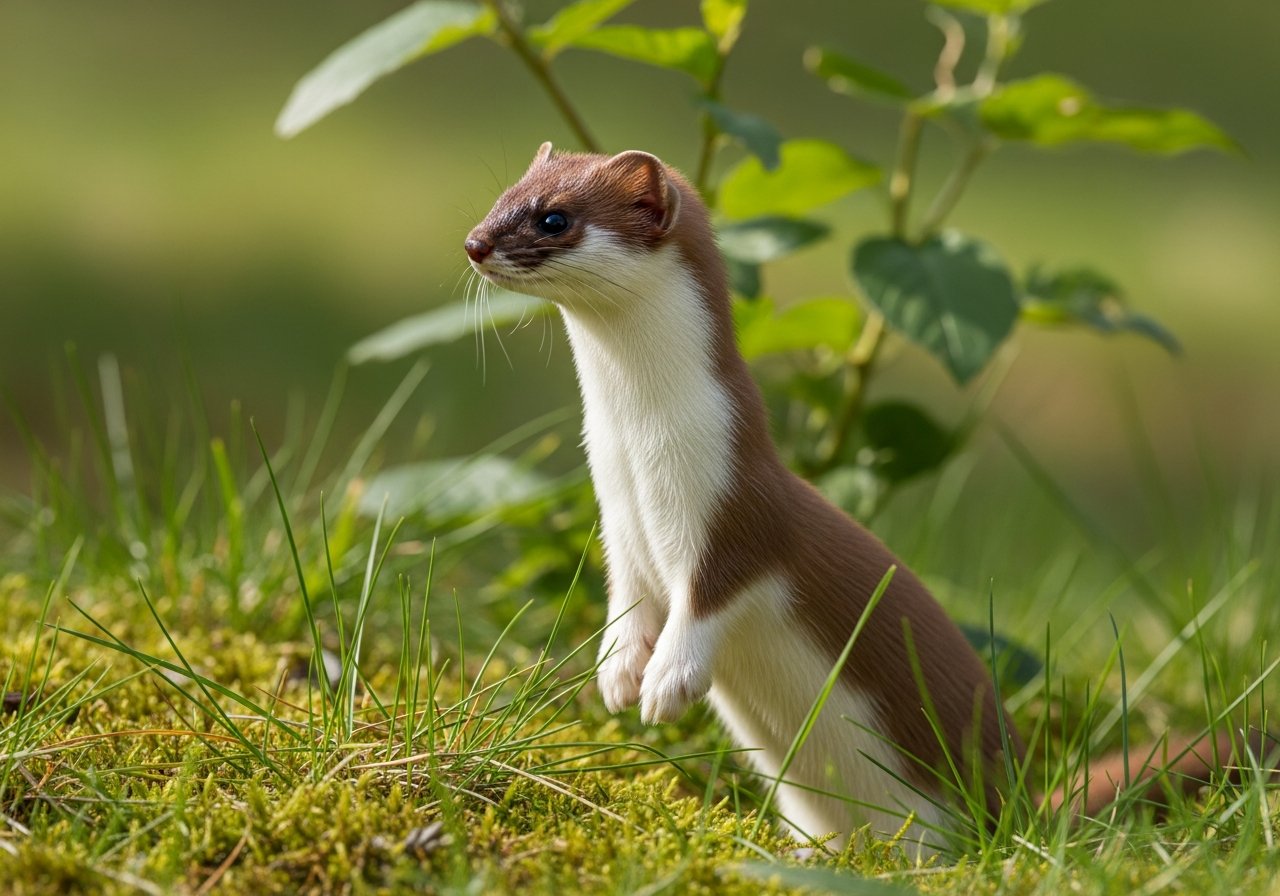
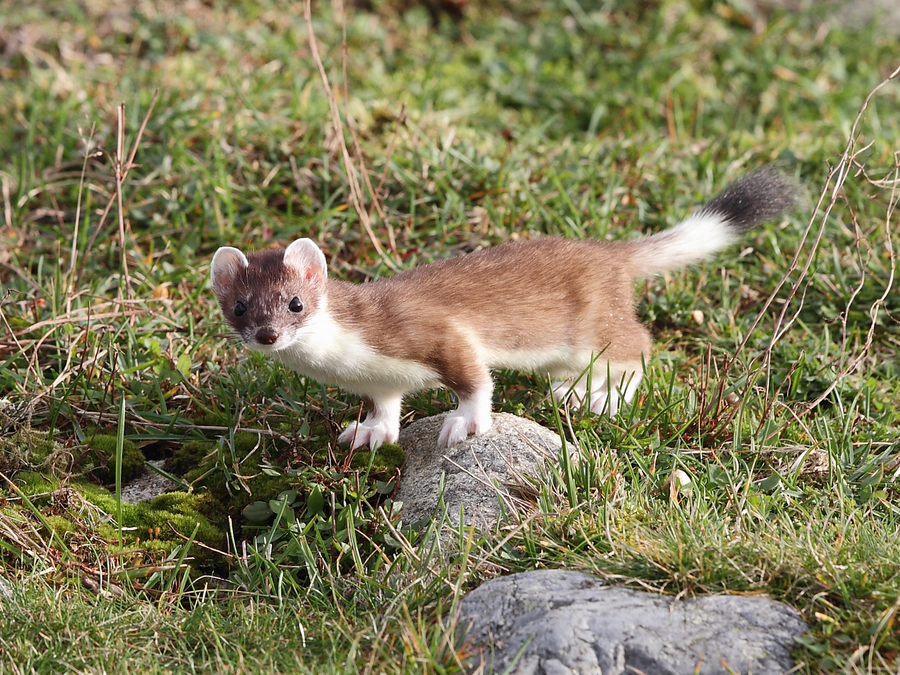
- Martens are much larger and more arboreal; stoats hunt mostly on the ground.
- Occasionally — placing feeders on smooth poles reduces access.
- Conservation: Least Concern.
Diet & feeding
Pine Marten feeds primarily as a small mammals, birds, fruit.
Adaptations
- Martens chase red squirrels through the canopy with remarkable balance.
- Legal protection and forest expansion have reversed declines in parts of Britain.
Behaviour & ecology
- Martens chase red squirrels through the canopy with remarkable balance.
- Legal protection and forest expansion have reversed declines in parts of Britain.
Communication
- Pine Marten uses scent, posture, and vocal signals to mark territory and coordinate social behaviour.
- Communication intensity often peaks during breeding seasons and territorial disputes.
Habitat & range
Conifer and mixed forests
Ecological role
Pine Marten plays a recognised ecological role in conifer and mixed forests.
Conservation status of the Pine Marten
The pine marten (Martes martes) is listed as Least Concern on the IUCN Red List. Least Concern (LC) is the IUCN's lowest-risk category, assigned to widespread, abundant species that have been evaluated and found not to be threatened. It does not mean a species faces no pressures — only that it is not currently at risk of extinction.
The pine marten (Martes martes) is assessed on the IUCN Red List. Look up on the IUCN Red List .
Frequently asked questions about the Pine Marten
What does a pine marten look like?
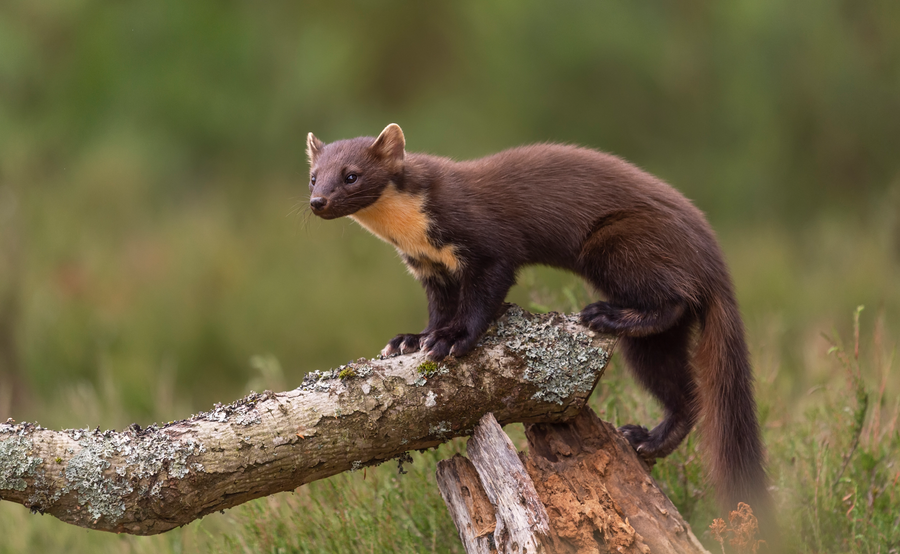
A pine marten is about the size of a cat, roughly 55 cm long, with rich chestnut-brown fur, large rounded ears, and a bushy tail. Its most distinctive feature is a creamy-yellow patch on the throat and chest.
What do pine martens eat?
Pine martens are omnivores that hunt voles, mice, squirrels, and birds and raid nests for eggs. They also eat a lot of berries and fruit, particularly in late summer and autumn.
Are pine martens good for red squirrels?
Evidence suggests they can be. Pine martens catch grey squirrels more easily than the lighter, more agile native red squirrels, so their return may help suppress invasive greys and give reds a chance to recover.
Where do pine martens live?
Pine martens live in conifer and mixed forests across Europe and western Asia. In Britain their stronghold has long been the Scottish Highlands, though reintroductions are helping them return to Wales and England.
How long do pine martens live?
In the wild, pine martens usually live eight to ten years. They are listed as Least Concern across their wider European and Asian range, even though they became rare in parts of Britain.
Are pine martens rare in the UK?
They became very rare in Britain after centuries of habitat loss and persecution, surviving mainly in Scotland. Thanks to legal protection and reintroduction projects, they are now slowly recovering in Wales and parts of England.
What is a group of pine martens called?
A group of Pine Martens is called a pack.
What is a baby pine marten called?
A baby Pine Marten is called a kit.
Sources & references
This guide is compiled and reviewed against established zoological and conservation references. Key sources for the Pine Marten:
-
IUCN Red List of Threatened Species
Conservation status (Least Concern) reflects the IUCN Red List category for Martes martes.
-
iNaturalist — observations & photos
Search citizen-science observations and community IDs for Martes martes. Useful for range checks and recent sightings — not a substitute for formal Red List status.
-
GBIF — occurrence data
Global Biodiversity Information Facility species search for Martes martes. Explore published occurrence records used in range research.
- IUCN Red List — Martes martes.
Conservation status (Least Concern) and population trends.
- Animal Diversity Web — Martes martes. University of Michigan Museum of Zoology.
Life history, morphology, and range.
-
Global Animal Guide editorial standards
How we research, source, review, and update every guide for accuracy.