Image sourcing: see credits & licences
The stoat (Mustela erminea) is a mammal of the weasel family, Mustelidae, in the order Carnivora.
Quick answer
The stoat (Mustela erminea) is a small, slender carnivore of the weasel family found across the Northern Hemisphere in woodland, farmland, and tundra. Weighing just 200 to 400 g and about 30 cm long, it is a fierce, agile hunter of rabbits, rodents, birds, and eggs. In the far north its brown coat turns pure white in winter, when it is known as ermine. Stoats live 4 to 7 years and are listed as Least Concern.
Top questions about the Stoat
Stoat facts at a glance
- Weight 300 g
- Length 30 cm
- Top speed 25 km/h
- Lifespan 7 years
| Scientific name | Mustela erminea |
|---|---|
| Diet | Carnivore — rabbits, rodents, birds, and eggs |
| Habitat | Woodlands, farmland, and tundra across the Northern Hemisphere |
| Lifespan | 4–7 years in the wild |
| Weight | 200–400 g (0.2–0.4 kg); males larger |
| Top speed | Up to 25 km/h (16 mph); agile climber |
| Conservation status | Least Concern (IUCN) |
| Kingdom | Animalia |
|---|---|
| Phylum | Chordata |
| Class | Mammalia |
| Order | Carnivora |
| Family | Mustelidae |
| Genus | Mustela |
Where it lives
The stoat (Mustela erminea) is native to Circumpolar Northern Hemisphere — Europe, Asia, North America; introduced to New Zealand where invasive. — recorded across Asia, Europe, North America in this guide’s range summary.
For occurrence records, see GBIF species search and sources below.
How big is a stoat?
An adult stoat measures 30 cm long — about 17% of the height of an average adult person (1.73 m) — and weighs around 300 g, a small fraction of an average adult’s body weight (70 kg).
Length vs an average adult’s height (to scale)
What is a group of stoats called?
Group name (collective noun)
A group of Stoats is called a pack.
Baby name
A baby Stoat is called a kit.
Explore more animal collective nouns and baby animal names .
Appearance and the ermine coat
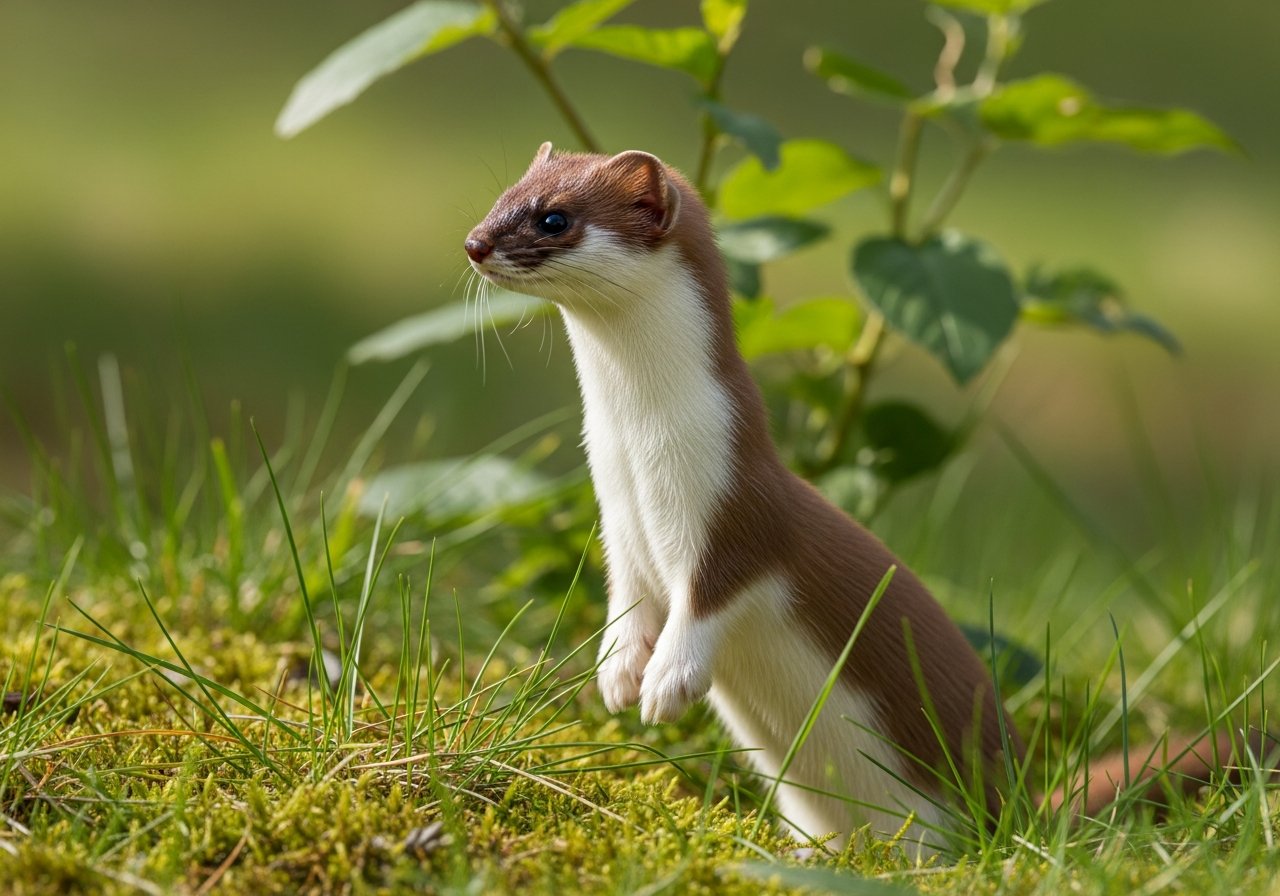
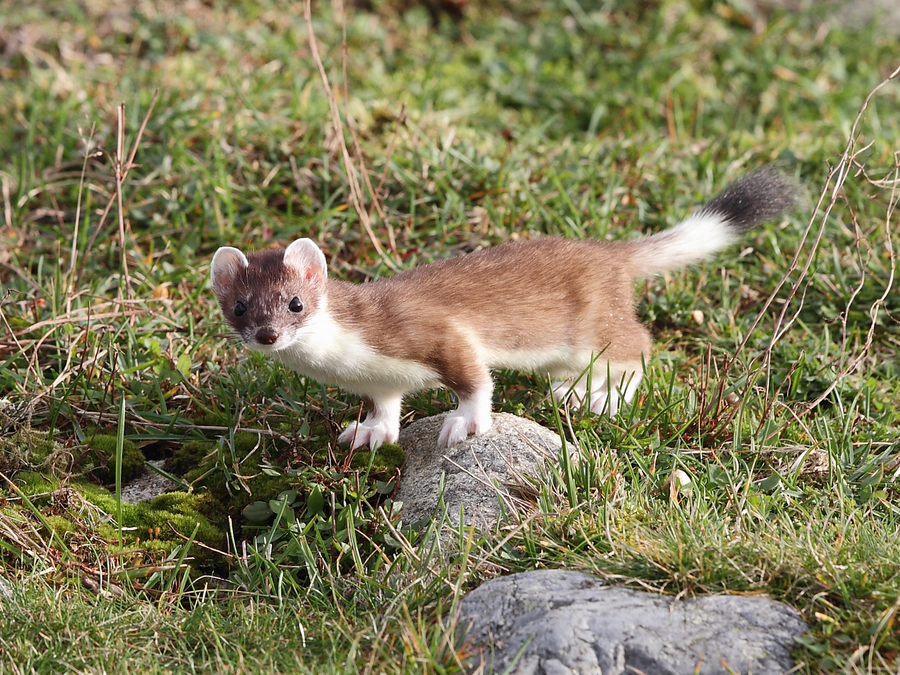
The stoat is a long, low-slung mammal about 30 cm in length, with chestnut-brown fur above, a creamy belly, and a distinctive black tip to its tail. It weighs only 200 to 400 g, with males noticeably larger than females. In colder regions the coat moults to pure white each winter, a form long prized in fur trade and heraldry as ermine, though the black tail-tip always remains. This seasonal change is triggered by shortening day length and provides camouflage against snow.
A ferocious hunter
For its size the stoat is one of the boldest predators in the countryside, routinely killing rabbits several times its own weight. It hunts by scent and sight, following prey into burrows and dispatching it with a precise bite to the base of the skull. Stoats are famed for 'mesmerising' rabbits with a strange, hypnotic dance of leaps and twists, which may confuse the prey long enough to close in. Their long, thin bodies let them pursue rodents right into their tunnels.
Diet and feeding
The stoat is a pure carnivore, feeding mainly on rabbits and small rodents such as voles and mice, along with birds and their eggs. It has a fast metabolism and must eat frequently, taking a large share of its body weight in food each day. When prey is plentiful a stoat will cache surplus kills to see it through leaner times. This appetite makes it a valuable natural check on rabbit and rodent numbers on farmland.
Speed, agility and senses
Stoats are quick and tireless, moving in a bounding gait and reaching around 25 km/h in short bursts. They are excellent climbers and swimmers, able to follow prey up trees or across water. Sharp hearing and a keen sense of smell guide most of their hunting. Their slim build lets them squeeze through tiny gaps, but it also means they lose heat quickly and must remain active to keep feeding.
Breeding and life cycle
Stoats have an unusual reproductive trick called delayed implantation, in which a fertilised egg pauses its development for many months before the young grow. This means females mate in summer but do not give birth until the following spring, timing the litter to the season of plenty. A litter usually numbers six to twelve kits, born blind and helpless in a den. Wild stoats generally live four to seven years, though many die much younger.
Range, status and impact
The stoat ranges widely across the woodlands, farmland, and tundra of Europe, Asia, and North America, and is listed as Least Concern by the IUCN. In its native range it is a natural part of the ecosystem and a useful control on rabbits. Where it has been introduced, however, notably in New Zealand, it has become a serious threat to ground-nesting native birds. There it is the target of intensive predator-control efforts.
Dig deeper into the Stoat
- How Long Do Stoats Live?
Stoat lifespan is typically 4–7 years in the wild. What shortens or extends life, life stages, and status (Least Concern).
- Stoat Rabbit Hunting
The stoat is a small fierce mustelid that turns white in northern winters except for a black tail tip — the ermine coat prized in medieval regalia.
- Stoat Winter Ermine Coat
The stoat is a small fierce mustelid that turns white in northern winters except for a black tail tip — the ermine coat prized in medieval regalia.
- What Do Stoats Eat?
What stoats eat: Carnivore — rabbits, rodents, birds, and eggs, foraging style, and seasonal shifts in Woodlands, farmland, and tundra across the Northern Hemisphere.
- Where Do Stoats Live?
Where stoats live: Woodlands, farmland, and tundra across the Northern Hemisphere, native range cues, and human overlap. Status Least Concern.
Explore the Stoat
Compare
Close relatives
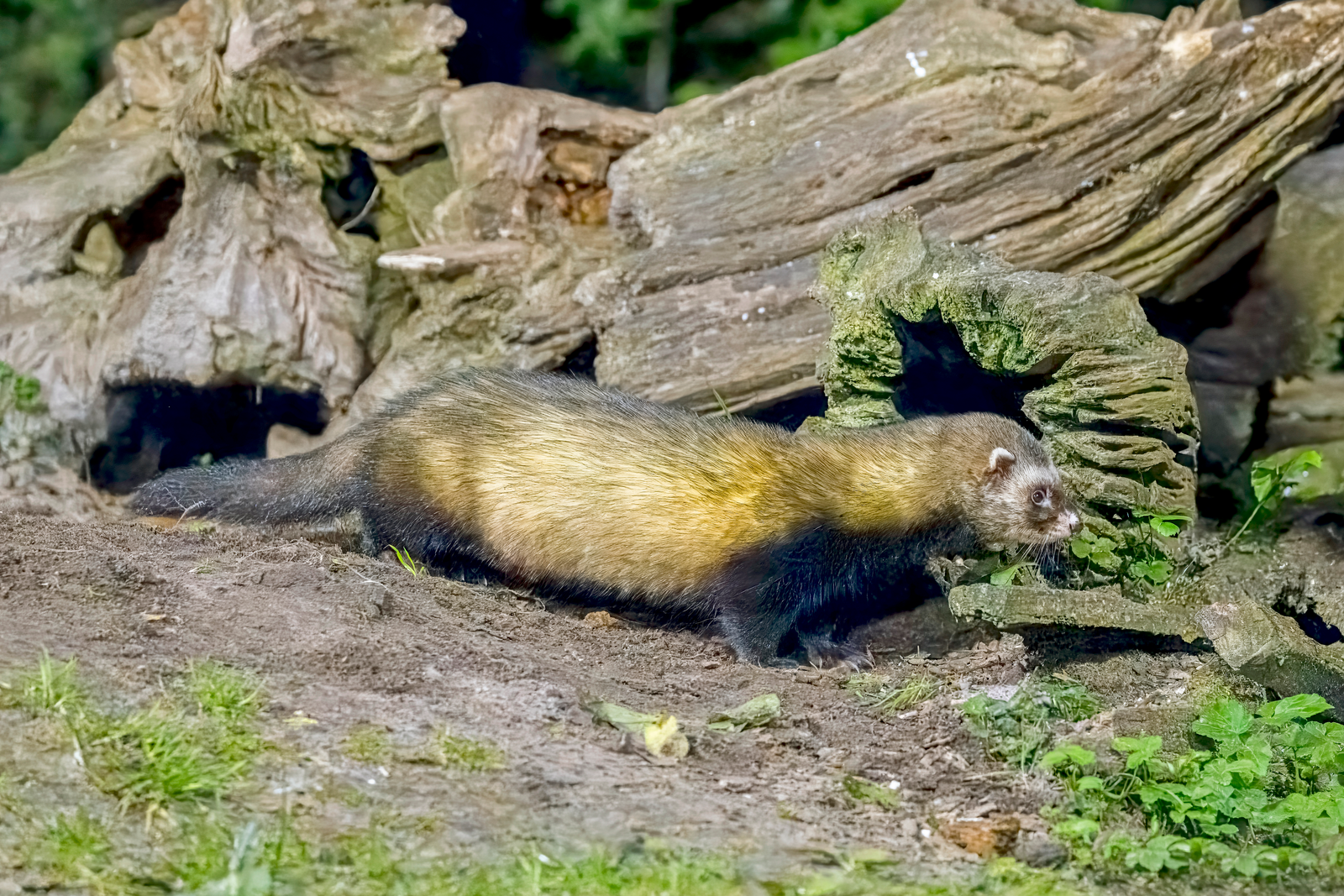
- Ferret Same genus
- European Polecat Same genus
- Weasel Same genus
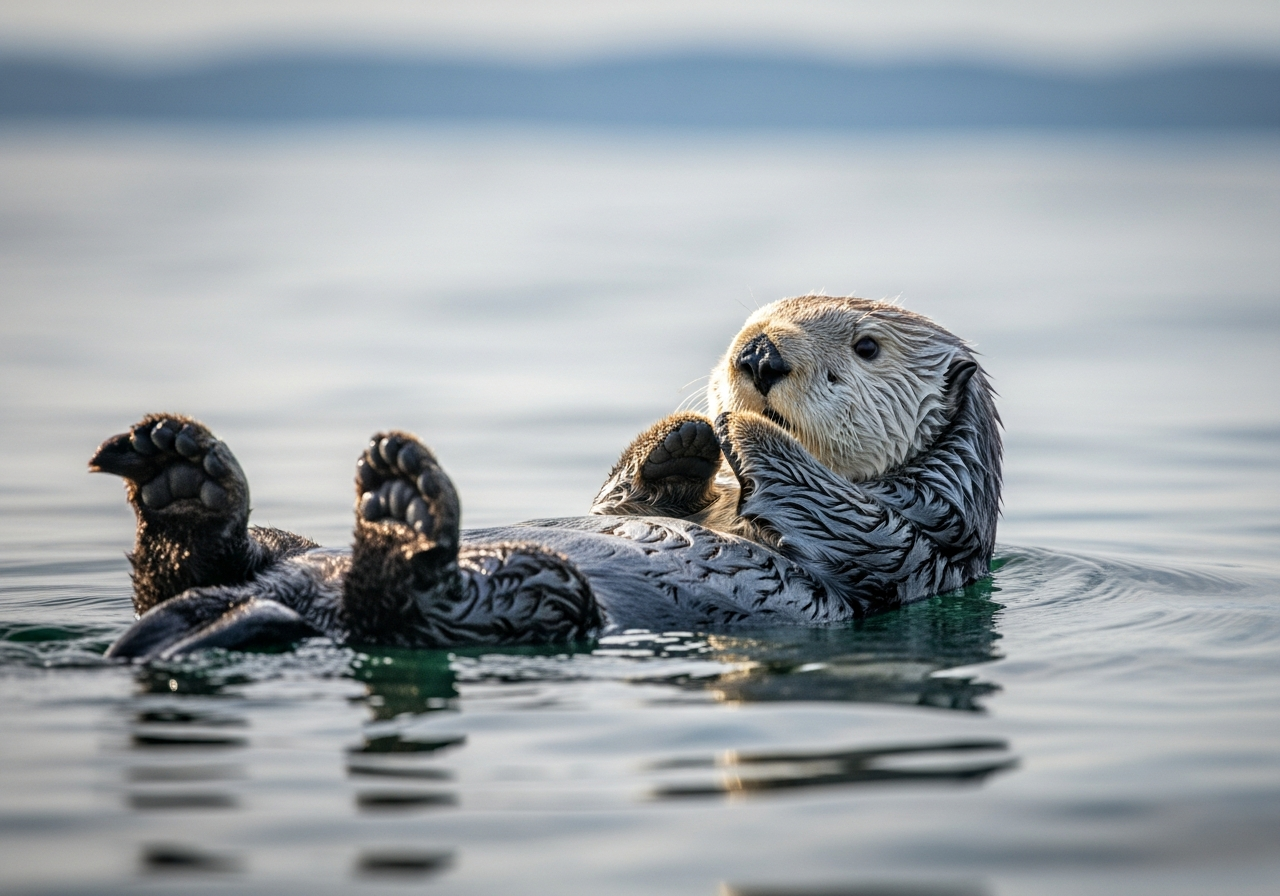
- Honey Badger Same family
Range & geography
Did you know? Stoat facts
- Stoats are small, fierce mustelids that turn white in northern winters except for a black tail tip.
- Stoats are larger with a black tail tip; weasels lack the tip and are smaller.
- They avoid dogs and cats but may take poultry if unprotected.
- Conservation: Least Concern.
Diet & feeding
Stoat feeds primarily as a rabbits, rodents, birds.
Adaptations
- The white winter coat once lined royal robes — the black tail tip may confuse hawks.
- Stoats can devastate rabbit populations during breeding season surges.
Behaviour & ecology
- The white winter coat once lined royal robes — the black tail tip may confuse hawks.
- Stoats can devastate rabbit populations during breeding season surges.
Communication
- Stoat uses scent, posture, and vocal signals to mark territory and coordinate social behaviour.
- Communication intensity often peaks during breeding seasons and territorial disputes.
Habitat & range
Woodlands and farmland across the Northern Hemisphere
Ecological role
Stoat plays a recognised ecological role in woodlands and farmland across the northern hemisphere.
Conservation status of the Stoat
The stoat (Mustela erminea) is listed as Least Concern on the IUCN Red List. Least Concern (LC) is the IUCN's lowest-risk category, assigned to widespread, abundant species that have been evaluated and found not to be threatened. It does not mean a species faces no pressures — only that it is not currently at risk of extinction.
The stoat (Mustela erminea) is assessed on the IUCN Red List. Look up on the IUCN Red List .
Frequently asked questions about the Stoat
What is the difference between a stoat and a weasel?
A stoat is larger than a weasel and always has a black tip to its tail, while a weasel's tail is short and lacks the black tip. Stoats also move with a bounding gait and can turn white in winter, when they are called ermine.
Why does a stoat turn white in winter?
In colder northern regions the stoat's brown coat moults to pure white each winter, triggered by shortening daylight. The white fur, known as ermine, camouflages it against snow, though the black tail-tip always stays.
What do stoats eat?
Stoats are carnivores that mainly eat rabbits and small rodents such as voles and mice, along with birds and eggs. They regularly kill rabbits several times their own body weight.
How big is a stoat?
A stoat is about 30 cm long and weighs only 200 to 400 g, with males larger than females. Despite this small size it is a bold predator capable of taking prey much bigger than itself.
Are stoats dangerous?
Stoats pose no real danger to people and will avoid humans. They can, however, be serious predators of poultry, game birds, and, where introduced, native wildlife. In New Zealand they are a major threat to ground-nesting birds.
How long do stoats live?
Wild stoats typically live 4 to 7 years, although many die much younger from predators and harsh conditions. Their reproduction uses delayed implantation, so young are born in spring when food is plentiful.
What is a group of stoats called?
A group of Stoats is called a pack.
What is a baby stoat called?
A baby Stoat is called a kit.
Sources & references
This guide is compiled and reviewed against established zoological and conservation references. Key sources for the Stoat:
-
IUCN Red List of Threatened Species
Conservation status (Least Concern) reflects the IUCN Red List category for Mustela erminea.
-
iNaturalist — observations & photos
Search citizen-science observations and community IDs for Mustela erminea. Useful for range checks and recent sightings — not a substitute for formal Red List status.
-
GBIF — occurrence data
Global Biodiversity Information Facility species search for Mustela erminea. Explore published occurrence records used in range research.
- IUCN Red List — Mustela erminea.
Conservation status (Least Concern) and population trends.
- Animal Diversity Web — Mustela erminea. University of Michigan Museum of Zoology.
Life history, morphology, and range.
-
Global Animal Guide editorial standards
How we research, source, review, and update every guide for accuracy.