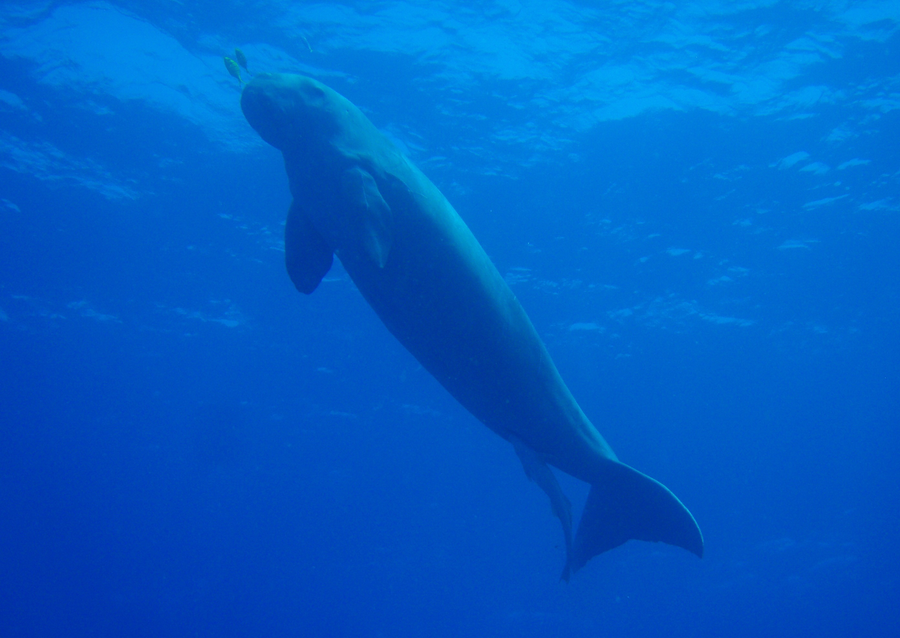
Quick answer
Dugongs live in Shallow coastal waters, bays, and seagrass meadows of the Indo-Pacific. Within that range they pick microhabitats that supply cover, food (Herbivore — seagrasses and algae), water, and breeding sites — and they disappear where those features are lost.
Key takeaway
Dugongs live in Shallow coastal waters, bays, and seagrass meadows of the Indo-Pacific. Within that range they pick microhabitats that supply cover, food (Herbivore — seagrasses and algae), water, and breeding sites — and they disappear where those features are lost.
Dugong native habitat
Dugongs (Dugong dugon) are tied to Shallow coastal waters, bays, and seagrass meadows of the Indo-Pacific. Look for sites that match their diet (Herbivore — seagrasses and algae) and movement style; seasonal rains or prey shifts can expand or shrink local occupancy.
Microhabitats dugongs prefer
Cover for resting, access to food, and safe breeding sites decide day-to-day use. Edge habitats can help adaptable populations but fail specialists that need continuous wild land.
How people change Dugong range
Farms, suburbs, and roads create opportunity for some individuals and lethal risk for others. Fragmentation without corridors isolates dugong groups and raises local extinction risk.
Conservation geography for dugongs
Status in our guides: <strong>Vulnerable</strong>. Protecting linked habitat often beats a single fenced reserve. Watch from a distance and never feed wild dugongs.
Sirenian relatives
Dugongs are the only living sirenians in the Indo-Pacific; manatees occupy the Atlantic. Their closest land relatives are elephants. Females produce a single calf after a 13–14 month gestation, nursing for up to 18 months — a slow reproductive rate that limits recovery from population declines.
Cultural significance
Indigenous Australian communities and coastal peoples across the Indo-Pacific have long hunted dugongs for meat and oil, with cultural protocols in many areas. Today legal harvest, accidental drowning in fishing nets, and habitat degradation threaten remaining herds.
Sources
Dugong FAQs
Where do dugongs live?
Dugongs live in Shallow coastal waters, bays, and seagrass meadows of the Indo-Pacific. Within that range they pick microhabitats that supply cover, food (Herbivore — seagrasses and algae), water, and breeding sites — and they disappear where those features are lost.
What is the scientific name of the dugong?
Dugong dugon — used in research and conservation listings for dugongs.
What do dugongs eat?
Dugongs eat seagrasses and algae, with seasonal and regional variation in Shallow coastal waters, bays, and seagrass meadows of the Indo-Pacific.
What is the conservation status of dugongs?
Listed in our guides as Vulnerable. Check the IUCN Red List and national assessments for the latest formal category.