Quick answer
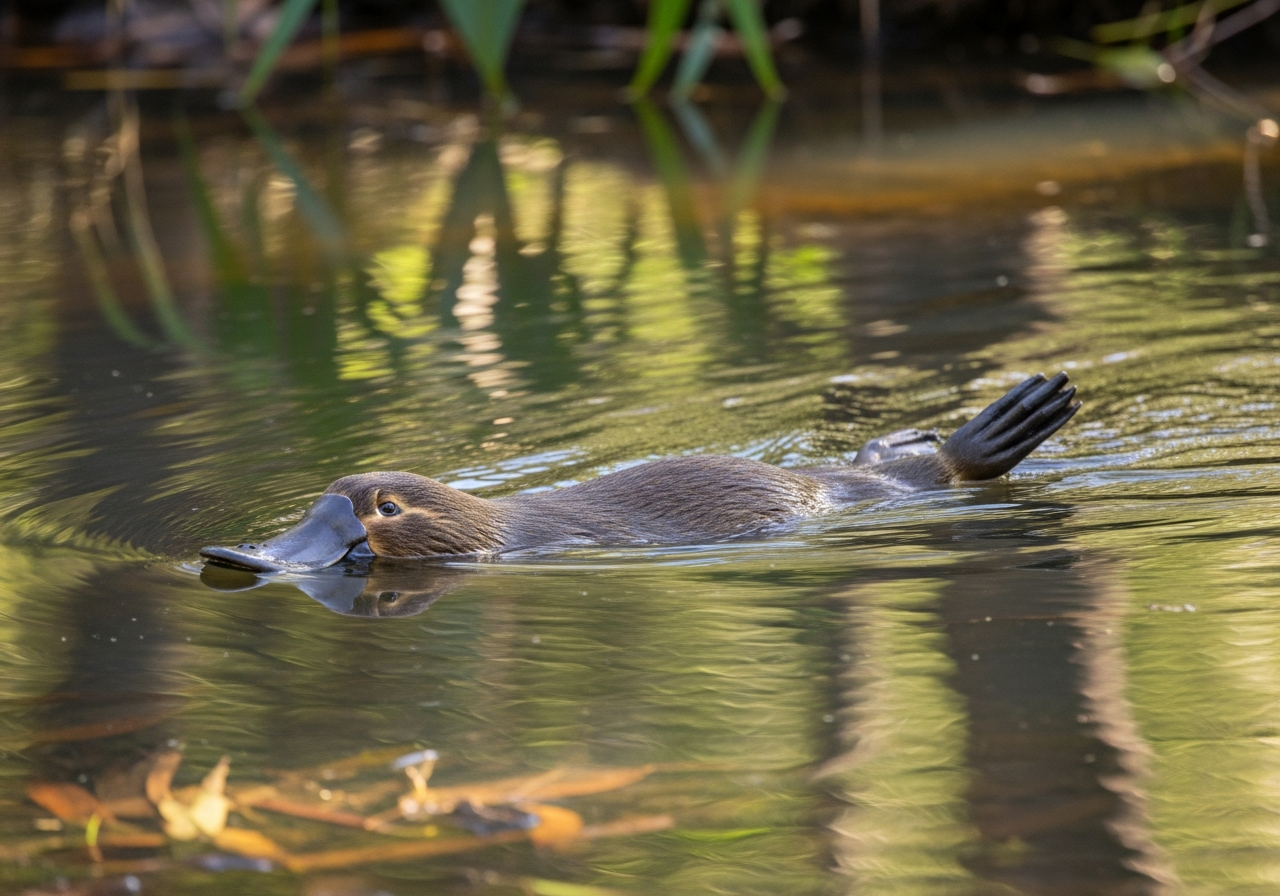
Platypuses live in Freshwater rivers, streams, and lakes. Within that range they pick microhabitats that supply cover, food (Carnivore (insect larvae, worms, shellfish)), water, and breeding sites — and they disappear where those features are lost.
Key takeaway
Platypuses live in Freshwater rivers, streams, and lakes. Within that range they pick microhabitats that supply cover, food (Carnivore (insect larvae, worms, shellfish)), water, and breeding sites — and they disappear where those features are lost.
Platypus native habitat
Platypuses (Ornithorhynchus anatinus) are tied to Freshwater rivers, streams, and lakes. Look for sites that match their diet (Carnivore (insect larvae, worms, shellfish)) and movement style; seasonal rains or prey shifts can expand or shrink local occupancy.
Microhabitats platypuses prefer
Cover for resting, access to food, and safe breeding sites decide day-to-day use. Edge habitats can help adaptable populations but fail specialists that need continuous wild land.
How people change Platypus range
Farms, suburbs, and roads create opportunity for some individuals and lethal risk for others. Fragmentation without corridors isolates platypus groups and raises local extinction risk.
Conservation geography for platypuses
Status in our guides: <strong>Near Threatened</strong>. Protecting linked habitat often beats a single fenced reserve. Watch from a distance and never feed wild platypuses.
The electric bill
A platypus hunts with its eyes, ears, and nostrils sealed shut underwater. Instead, its soft rubbery bill is packed with tens of thousands of receptors that detect the faint electric fields given off by the muscles of prey such as insect larvae, worms, and shrimp. This electroreception lets it find food in murky water, sweeping its bill side to side like a living metal detector.
Venomous spurs
Male platypuses are among the few venomous mammals. Each hind leg carries a sharp spur connected to a venom gland that becomes more active in the breeding season, when males use it in fights over mates. The venom is not deadly to humans but causes intense, long-lasting pain that ordinary painkillers struggle to relieve.
Sources
Platypus FAQs
Where do platypuses live?
Platypuses live in Freshwater rivers, streams, and lakes. Within that range they pick microhabitats that supply cover, food (Carnivore (insect larvae, worms, shellfish)), water, and breeding sites — and they disappear where those features are lost.
What is the scientific name of the platypus?
Ornithorhynchus anatinus — used in research and conservation listings for platypuses.
What do platypuses eat?
Platypuses eat insect larvae, worms and shellfish, with seasonal and regional variation in Freshwater rivers, streams, and lakes.
What is the conservation status of platypuses?
Listed in our guides as Near Threatened. Check the IUCN Red List and national assessments for the latest formal category.