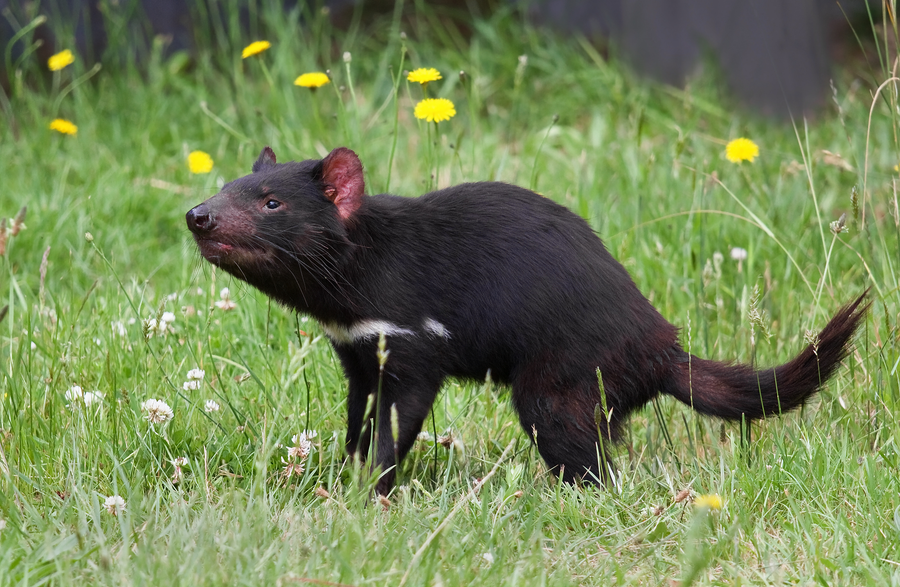
Quick answer
Tasmanian Devils (Sarcophilus harrisii) are listed in our guides as Endangered. That IUCN-style label describes global extinction risk and can differ from national lists — habitat loss and human pressure still decide local survival.
Key takeaway
Tasmanian Devils (Sarcophilus harrisii) are listed in our guides as Endangered. That IUCN-style label describes global extinction risk and can differ from national lists — habitat loss and human pressure still decide local survival.
Tasmanian Devil conservation status
Tasmanian Devil (Sarcophilus harrisii) is recorded here as Endangered. Global categories summarise extinction risk; regional populations can be safer or worse than the headline label.
Threats facing tasmanian devils
Habitat loss around Forests, scrub, and farmland across Tasmania, hunting or persecution, climate pressure, and conflict with people are common drivers. Exact ranking of threats varies by region.
Outlook for Tasmanian Devil populations
Where monitoring exists, trends track protected-area quality and enforcement. Fragmented groups need corridors and genetic exchange to avoid local extinction.
What actually helps
Support verified conservation programmes, cut demand for illegal wildlife products, and protect habitat. Tourism helps only when operators follow ethical wildlife standards.
Devil facial tumour disease
DFTD is a contagious cancer spread when devils bite each other during feeding and mating. Tumours on the face prevent eating and kill within months. The disease caused an estimated 80% population crash since the 1990s. Captive insurance populations, fenced disease-free areas, and vaccine trials are central to recovery efforts.
Conservation and recovery
Listed Endangered, devils are now found only on Tasmania — extinct on mainland Australia for thousands of years, likely outcompeted by dingoes. Roadkill, habitat loss, and DFTD remain threats. Tourism and the Save the Tasmanian Devil Programme fund research and captive breeding.
Sources
Tasmanian Devil FAQs
Are tasmanian devils endangered?
Tasmanian Devils (Sarcophilus harrisii) are listed in our guides as Endangered. That IUCN-style label describes global extinction risk and can differ from national lists — habitat loss and human pressure still decide local survival.
What is the scientific name of the tasmanian devil?
Sarcophilus harrisii — used in research and conservation listings for tasmanian devils.
What do tasmanian devils eat?
Tasmanian Devils eat carrion, small mammals, birds, and insects, with seasonal and regional variation in Forests, scrub, and farmland across Tasmania.
Where do tasmanian devils live?
They are associated with Forests, scrub, and farmland across Tasmania. Local presence depends on food, cover, and human land use.
What is the conservation status of tasmanian devils?
Listed in our guides as Endangered. Check the IUCN Red List and national assessments for the latest formal category.