Quick answer
Wombats live in Forest, woodland, heath, and alpine grassland. Within that range they pick microhabitats that supply cover, food (Herbivore (grasses, roots, bark, sedges)), water, and breeding sites — and they disappear where those features are lost.
Key takeaway
Wombats live in Forest, woodland, heath, and alpine grassland. Within that range they pick microhabitats that supply cover, food (Herbivore (grasses, roots, bark, sedges)), water, and breeding sites — and they disappear where those features are lost.
Wombat native habitat
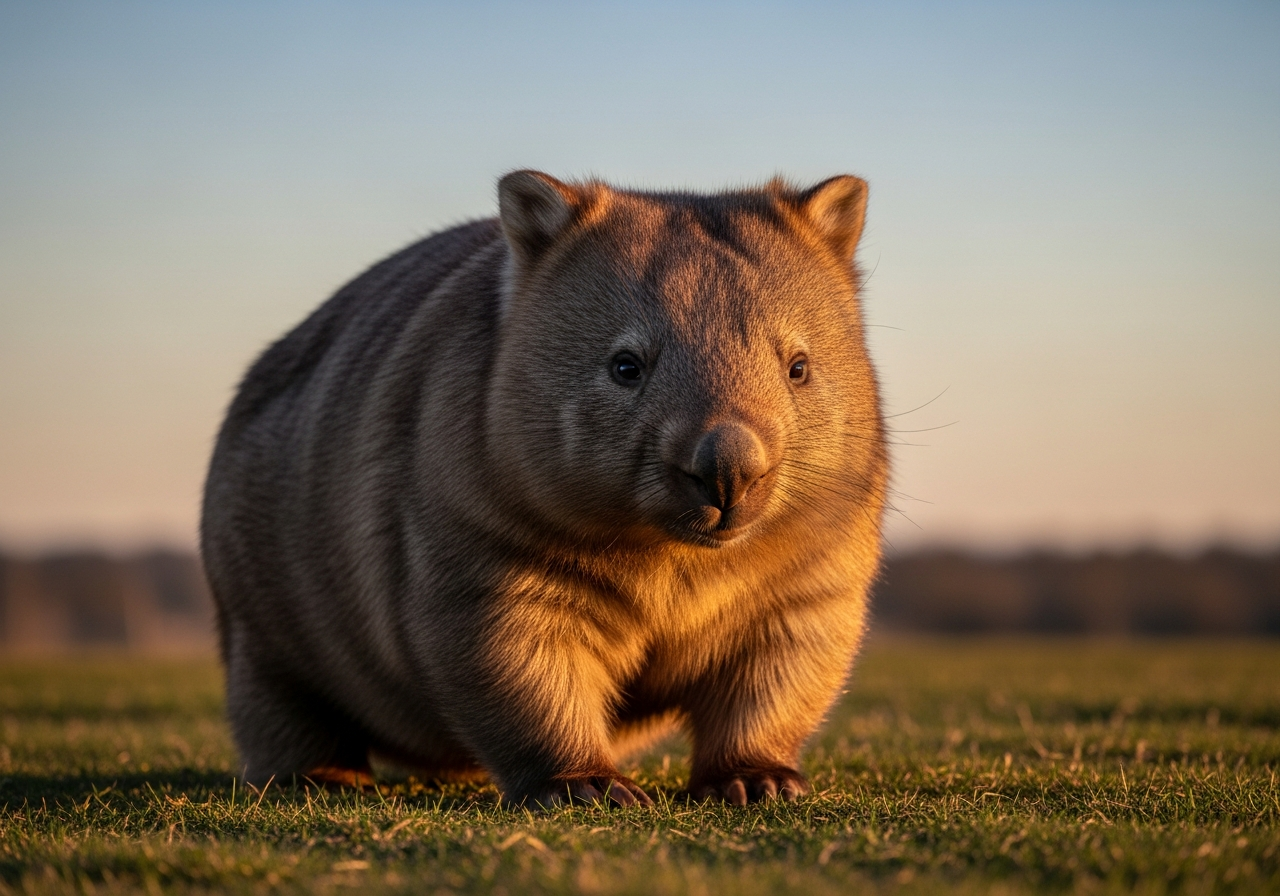
Wombats (Vombatus ursinus) are tied to Forest, woodland, heath, and alpine grassland. Look for sites that match their diet (Herbivore (grasses, roots, bark, sedges)) and movement style; seasonal rains or prey shifts can expand or shrink local occupancy.
Microhabitats wombats prefer
Cover for resting, access to food, and safe breeding sites decide day-to-day use. Edge habitats can help adaptable populations but fail specialists that need continuous wild land.
How people change Wombat range
Farms, suburbs, and roads create opportunity for some individuals and lethal risk for others. Fragmentation without corridors isolates wombat groups and raises local extinction risk.
Conservation geography for wombats
Status in our guides: <strong>Least Concern</strong>. Protecting linked habitat often beats a single fenced reserve. Watch from a distance and never feed wild wombats.
Built to dig
Wombats are among the most powerful burrowing mammals alive. Their thick, barrel-shaped body, broad flat head, and strong clawed feet are designed for sustained excavation. A wombat burrow can be up to 30 m long and 1.5 m wide. Wombats spend the hottest and coldest parts of the day underground, emerging mainly at night to graze. Their pouches face backward (toward the tail) rather than forward — this prevents soil an
The armoured rump defence
Wombats have an unusually tough, cartilage-reinforced rump. When a predator (such as a dingo, Tasmanian devil, or introduced fox) pursues a wombat into its burrow, the wombat can use its rump as a plug and crush the attacker's head against the burrow ceiling. This counterattack has been documented in the wild. Despite their round appearance, wombats can sprint at up to 40 km/h (25 mph) in short bursts when threatened
Sources
Wombat FAQs
Where do wombats live?
Wombats live in Forest, woodland, heath, and alpine grassland. Within that range they pick microhabitats that supply cover, food (Herbivore (grasses, roots, bark, sedges)), water, and breeding sites — and they disappear where those features are lost.
What is the scientific name of the wombat?
Vombatus ursinus — used in research and conservation listings for wombats.
What do wombats eat?
Wombats eat grasses, roots, bark and sedges, with seasonal and regional variation in Forest, woodland, heath, and alpine grassland.
What is the conservation status of wombats?
Listed in our guides as Least Concern. Check the IUCN Red List and national assessments for the latest formal category.