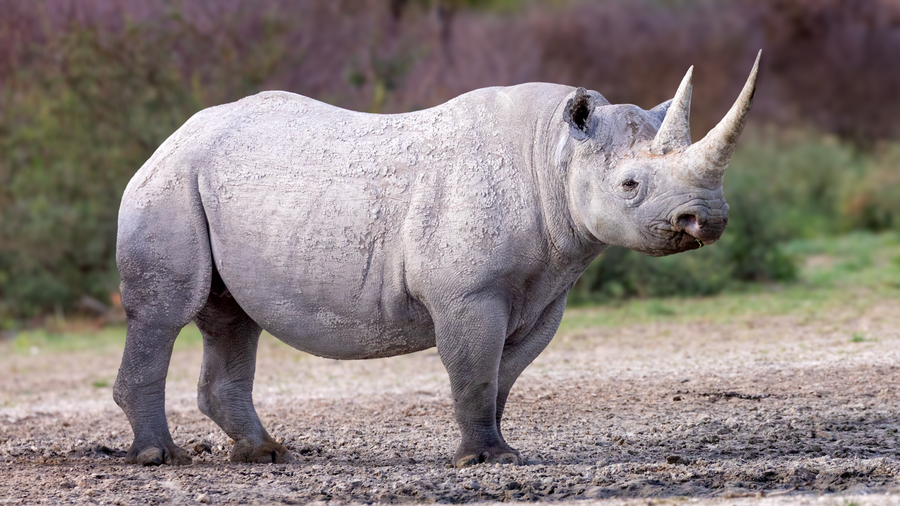
Quick answer
Black Rhinoceroses (Diceros bicornis) are listed in our guides as Critically Endangered. That IUCN-style label describes global extinction risk and can differ from national lists — habitat loss and human pressure still decide local survival.
Key takeaway
Black Rhinoceroses (Diceros bicornis) are listed in our guides as Critically Endangered. That IUCN-style label describes global extinction risk and can differ from national lists — habitat loss and human pressure still decide local survival.
Black Rhinoceros conservation status
Black Rhinoceros (Diceros bicornis) is recorded here as Critically Endangered. Global categories summarise extinction risk; regional populations can be safer or worse than the headline label.
Threats facing black rhinoceroses
Habitat loss around Savannas, scrub, and dry woodland of eastern and southern Africa, hunting or persecution, climate pressure, and conflict with people are common drivers. Exact ranking of threats varies by region.
Outlook for Black Rhinoceros populations
Where monitoring exists, trends track protected-area quality and enforcement. Fragmented groups need corridors and genetic exchange to avoid local extinction.
What actually helps
Support verified conservation programmes, cut demand for illegal wildlife products, and protect habitat. Tourism helps only when operators follow ethical wildlife standards.
Poaching catastrophe
Rhino horn — made of keratin like fingernails — is illegally traded for traditional medicine and status symbols, driving poaching despite international bans. Black rhino numbers crashed 96% between 1970 and 1990; recovery is slow but ongoing in well-guarded reserves.
Recovery efforts
Intensive anti-poaching, dehorning programmes, and translocations support populations in Namibia, Kenya, South Africa, and Tanzania. Critically Endangered globally, the species illustrates both the devastation of illegal wildlife trade and the impact of committed conservation funding.
Sources
Black Rhinoceros FAQs
Are black rhinoceroses endangered?
Black Rhinoceroses (Diceros bicornis) are listed in our guides as Critically Endangered. That IUCN-style label describes global extinction risk and can differ from national lists — habitat loss and human pressure still decide local survival.
What is the scientific name of the black rhinoceros?
Diceros bicornis — used in research and conservation listings for black rhinoceroses.
What do black rhinoceroses eat?
Black Rhinoceroses eat leaves, branches, and woody browse, with seasonal and regional variation in Savannas, scrub, and dry woodland of eastern and southern Africa.
Where do black rhinoceroses live?
They are associated with Savannas, scrub, and dry woodland of eastern and southern Africa. Local presence depends on food, cover, and human land use.
What is the conservation status of black rhinoceroses?
Listed in our guides as Critically Endangered. Check the IUCN Red List and national assessments for the latest formal category.