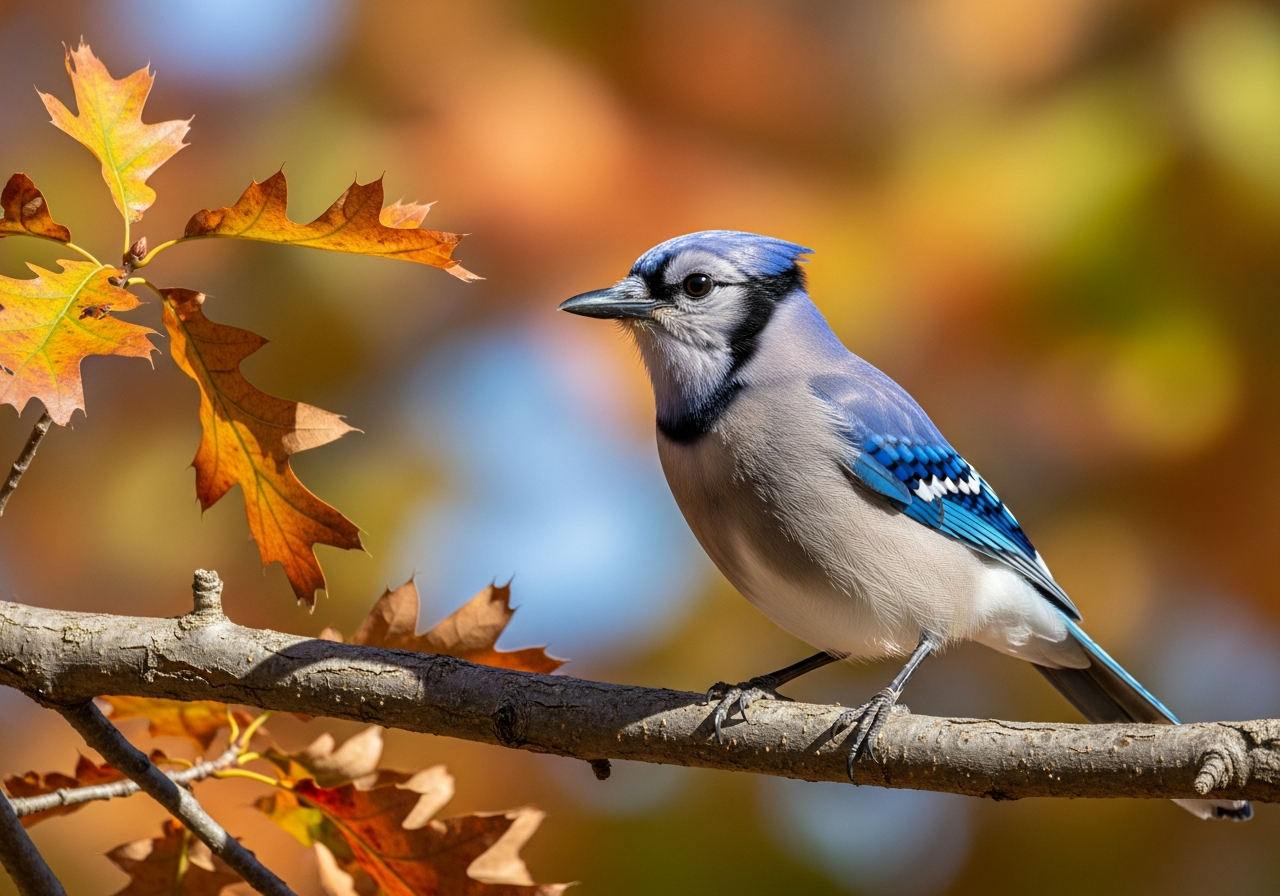
Quick answer
Blue Jays (Cyanocitta cristata) typically live around About 7 years in the wild. Wild averages fall when predation, disease, or habitat loss rise; managed populations can live longer with stable food and veterinary care.
Key takeaway
Blue Jays (Cyanocitta cristata) typically live around About 7 years in the wild. Wild averages fall when predation, disease, or habitat loss rise; managed populations can live longer with stable food and veterinary care.
Blue Jay lifespan in the wild
Field and museum records place most blue jays near About 7 years in the wild. That figure blends ages at death across regions, so treat it as a planning range. Body size (about 0.085 kg) and risk lifestyle both shape the average.
What shortens blue jay lives
Predation, infectious disease, injury, food shortages, and habitat fragmentation cut survival. Roadkill and human conflict matter wherever blue jays share landscapes with people.
What helps blue jays live longer
Connected habitat, low chronic stress, and reliable food support longevity. For captive or domestic relatives, species-correct diet and veterinary screening matter more than generic “pet” advice.
Blue Jay life stages
Juveniles usually face higher mortality than prime adults. Older animals may move less, show dental wear, or lose body condition — useful signs when ageing blue jays in the field.
Calls and mimicry
Blue jays are loud and have a wide range of calls. They are skilled mimics and often imitate the screams of hawks, which may warn other jays of danger or may scare other birds away from a feeder. They also make soft, musical notes among themselves that are very different from their familiar harsh "jay-jay" call.
Habitat and behavior
Blue jays live across eastern and central North America in forests, woodlands, parks, and gardens, and are common at backyard feeders. They are social and often travel in family groups, and they can be bold and assertive, sometimes driving smaller birds away from food while keeping a sharp lookout for predators.
Sources
Blue Jay FAQs
How long do blue jays live?
Blue Jays (Cyanocitta cristata) typically live around About 7 years in the wild. Wild averages fall when predation, disease, or habitat loss rise; managed populations can live longer with stable food and veterinary care.
What is the scientific name of the blue jay?
Cyanocitta cristata — used in research and conservation listings for blue jays.
What do blue jays eat?
Blue Jays eat acorns, seeds, insects and eggs, with seasonal and regional variation in Forests, woodlands, parks, and gardens.
Where do blue jays live?
They are associated with Forests, woodlands, parks, and gardens. Local presence depends on food, cover, and human land use.
What is the conservation status of blue jays?
Listed in our guides as Least Concern. Check the IUCN Red List and national assessments for the latest formal category.