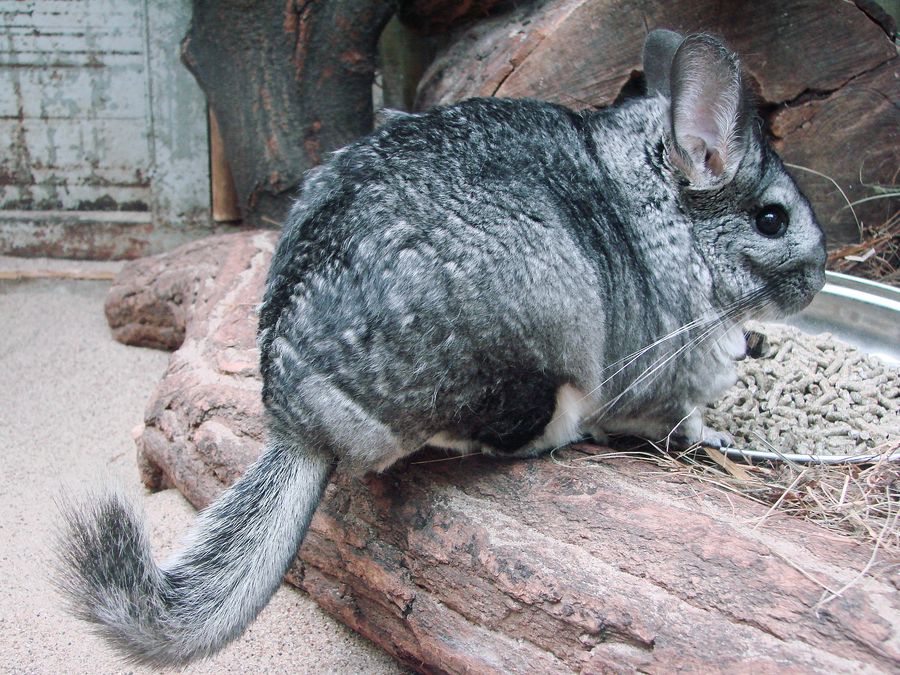
Quick answer
Chinchillas (Chinchilla lanigera) are listed in our guides as Endangered. That IUCN-style label describes global extinction risk and can differ from national lists — habitat loss and human pressure still decide local survival.
Key takeaway
Chinchillas (Chinchilla lanigera) are listed in our guides as Endangered. That IUCN-style label describes global extinction risk and can differ from national lists — habitat loss and human pressure still decide local survival.
Chinchilla conservation status
Chinchilla (Chinchilla lanigera) is recorded here as Endangered. Global categories summarise extinction risk; regional populations can be safer or worse than the headline label.
Threats facing chinchillas
Habitat loss around High-altitude rocky slopes of the Andes; domestic worldwide, hunting or persecution, climate pressure, and conflict with people are common drivers. Exact ranking of threats varies by region.
Outlook for Chinchilla populations
Where monitoring exists, trends track protected-area quality and enforcement. Fragmented groups need corridors and genetic exchange to avoid local extinction.
What actually helps
Support verified conservation programmes, cut demand for illegal wildlife products, and protect habitat. Tourism helps only when operators follow ethical wildlife standards.
Wild conservation
Chinchilla lanigera is Endangered in the wild, surviving in fragmented populations in Chile. Habitat loss, drought, and historic trapping reduced numbers to a few thousand. Captive breeding supplies the pet trade and conservation programmes.
Pet care essentials
Chinchillas need spacious multi-level cages, temperatures below 25 °C, unlimited hay, and companionship or daily interaction. They are crepuscular, chew constantly to wear teeth, and can shed fur when grabbed — a defence called fur slip.
Sources
Chinchilla FAQs
Are chinchillas endangered?
Chinchillas (Chinchilla lanigera) are listed in our guides as Endangered. That IUCN-style label describes global extinction risk and can differ from national lists — habitat loss and human pressure still decide local survival.
What is the scientific name of the chinchilla?
Chinchilla lanigera — used in research and conservation listings for chinchillas.
What do chinchillas eat?
Chinchillas eat hay, chinchilla pellets, and limited treats, with seasonal and regional variation in High-altitude rocky slopes of the Andes; domestic worldwide.
Where do chinchillas live?
They are associated with High-altitude rocky slopes of the Andes; domestic worldwide. Local presence depends on food, cover, and human land use.
What is the conservation status of chinchillas?
Listed in our guides as Endangered. Check the IUCN Red List and national assessments for the latest formal category.