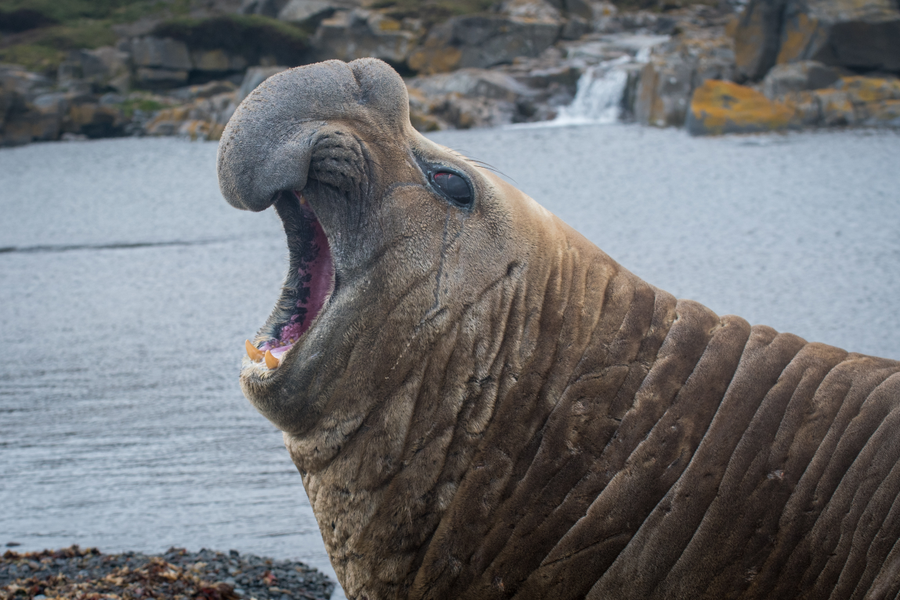
Quick answer
Northern Elephant Seals typically weigh around 400–2,300 kg (880–5,070 lb); bulls vastly heavier, with length and height varying by sex and population. Size influences diet (Carnivore — squid, deep-sea fish, and rays), home range, and predator risk.
Key takeaway
Northern Elephant Seals typically weigh around 400–2,300 kg (880–5,070 lb); bulls vastly heavier, with length and height varying by sex and population. Size influences diet (Carnivore — squid, deep-sea fish, and rays), home range, and predator risk.
Typical Northern Elephant Seal size
Adults are often described at 400–2,300 kg (880–5,070 lb); bulls vastly heavier. Guides may list head-body length separately from tail; museum skins and live weights do not always match.
Males, females, and growth
Many species show sexual dimorphism. Juveniles reach adult mass over months to years; nutrition in Offshore Pacific and breeding beaches of California and Mexico affects final size within genetic limits.
Why northern elephant seal size matters
Body size shapes diet (Carnivore — squid, deep-sea fish, and rays), territory size, predator risk, and rough longevity patterns around 11–13 years in the wild (females longer than bulls).
Measuring northern elephant seals
Live weights are hard to take; researchers use morphometrics, cameras, or carcass data. Treat tourist guesses cautiously.
Human interest and research
Northern Elephant Seals feature in folklore, tourism, and scientific study worldwide. Ongoing research tracks population trends, genetics, and responses to environmental change — data that guides national protection policies.
Distribution and habitat
Northern Elephant Seals live in North Pacific offshore waters; breeding on California and Baja California coasts from Point Reyes to Isla Guadalupe. Preferred habitat includes offshore pacific and breeding beaches of california and mexico. Across North America, population density reflects prey availability, water access, and human disturbance. Protected areas and wildlife corridors remain essential for long-term pers
Sources
Northern Elephant Seal FAQs
How big is a northern elephant seal?
Northern Elephant Seals typically weigh around 400–2,300 kg (880–5,070 lb); bulls vastly heavier, with length and height varying by sex and population. Size influences diet (Carnivore — squid, deep-sea fish, and rays), home range, and predator risk.
What is the scientific name of the northern elephant seal?
Mirounga angustirostris — used in research and conservation listings for northern elephant seals.
What do northern elephant seals eat?
Northern Elephant Seals eat squid, deep-sea fish, and rays, with seasonal and regional variation in Offshore Pacific and breeding beaches of California and Mexico.
Where do northern elephant seals live?
They are associated with Offshore Pacific and breeding beaches of California and Mexico. Local presence depends on food, cover, and human land use.
What is the conservation status of northern elephant seals?
Listed in our guides as Least Concern. Check the IUCN Red List and national assessments for the latest formal category.