Quick answer
Flamingos feed by filtering algae and brine shrimp, adjusting with season, age, and what is abundant in Shallow lakes, lagoons, and estuaries. That label is a preferred pattern, not every item an individual might sample.
Key takeaway
Flamingos feed on algae and brine shrimp, adjusting with season, age, and what is abundant in Shallow lakes, lagoons, and estuaries. That label is a preferred pattern, not every item an individual might sample.
Flamingo diet overview
Flamingos (Phoenicopterus roseus) are best summarised as Filter feeder (algae and brine shrimp). Anatomy and habitat (Shallow lakes, lagoons, and estuaries) decide whether they hunt, graze, filter, scavenge, or mix strategies across the year.
How flamingos find food
Energy-rich foods are prioritised when available; lean seasons force broader diets or longer travel. Young animals may eat different items or receive food from parents.
Flamingo role in the food web
As consumers in their food web, flamingos move nutrients and influence prey or vegetation.
Feeding and human conflict
Never feed wild flamingos. Habituation raises injury risk and can lead to lethal management. Captive diets must match species needs, not generic pet food rules.
Why flamingos are pink
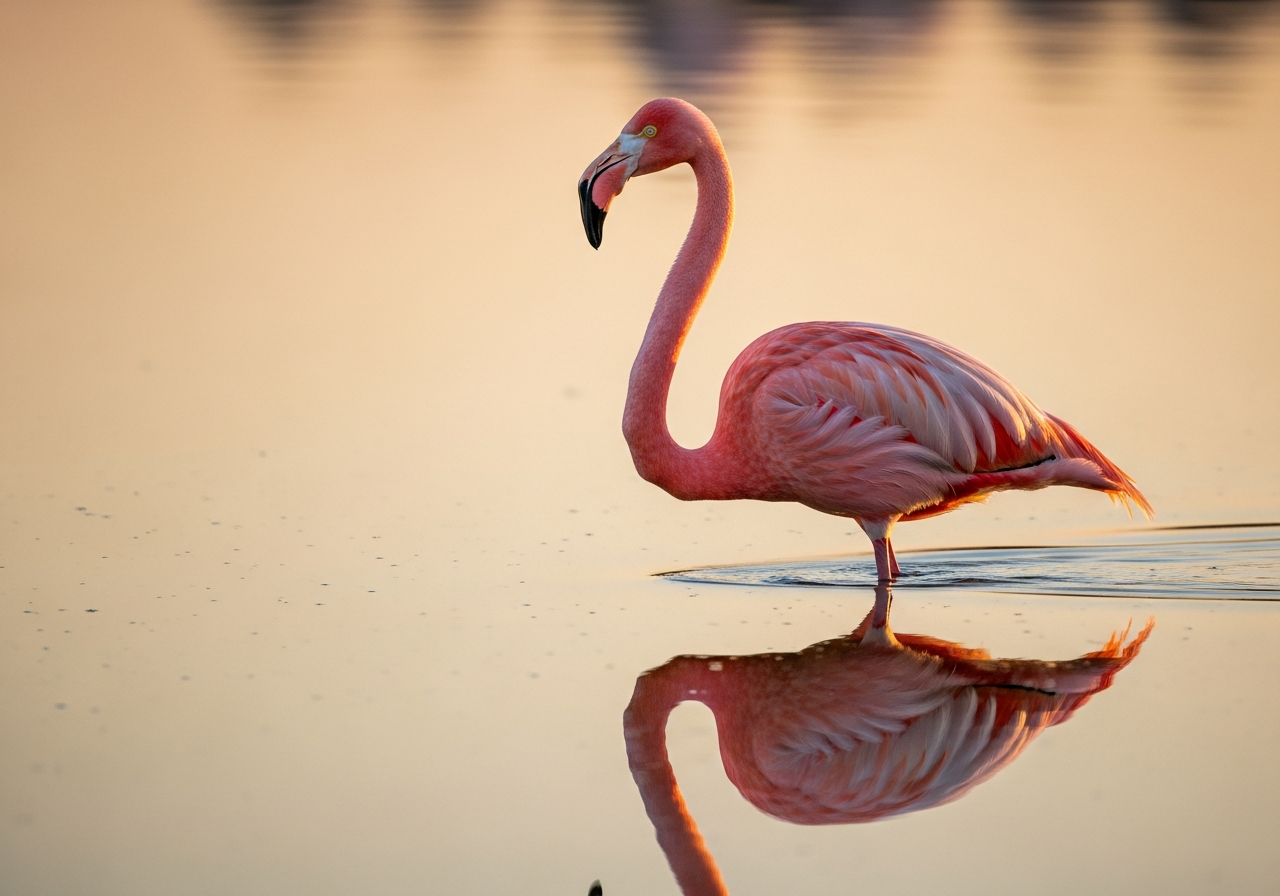
Flamingos are not born pink; chicks hatch grey. Their famous color comes from pigments called carotenoids in the algae and tiny crustaceans they eat, which their bodies process and deposit in the feathers. A flamingo's exact shade reflects its diet, and the pinkest birds are often the best fed and most attractive mates.
Upside-down feeding
A flamingo feeds with its head upside down in the water, sweeping its uniquely shaped bill from side to side. Comb-like plates called lamellae filter algae, brine shrimp, and tiny organisms from the mud and water, much like a baleen whale, while pumping out the excess water.
Sources
Flamingo FAQs
What do flamingos eat?
Flamingos feed on algae and brine shrimp, adjusting with season, age, and what is abundant in Shallow lakes, lagoons, and estuaries. That label is a preferred pattern, not every item an individual might sample.
What is the scientific name of the flamingo?
Phoenicopterus roseus — used in research and conservation listings for flamingos.
Where do flamingos live?
They are associated with Shallow lakes, lagoons, and estuaries. Local presence depends on food, cover, and human land use.
What is the conservation status of flamingos?
Listed in our guides as Least Concern. Check the IUCN Red List and national assessments for the latest formal category.