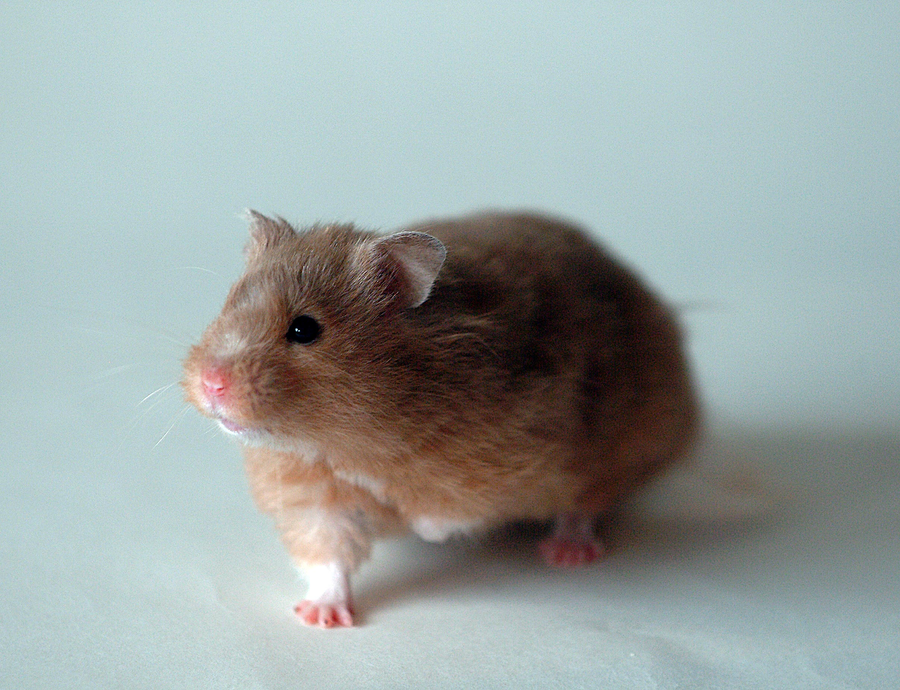
Quick answer
Hamsters live in Domestic worldwide; wild populations in Syria and Turkey. Within that range they pick microhabitats that supply cover, food (Omnivore — commercial hamster mix, fresh vegetables, and occasional protein), water, and breeding sites — and they disappear where those features are lost.
Key takeaway
Hamsters live in Domestic worldwide; wild populations in Syria and Turkey. Within that range they pick microhabitats that supply cover, food (Omnivore — commercial hamster mix, fresh vegetables, and occasional protein), water, and breeding sites — and they disappear where those features are lost.
Hamster native habitat
Hamsters (Mesocricetus auratus) are tied to Domestic worldwide; wild populations in Syria and Turkey. Look for sites that match their diet (Omnivore — commercial hamster mix, fresh vegetables, and occasional protein) and movement style; seasonal rains or prey shifts can expand or shrink local occupancy.
Microhabitats hamsters prefer
Cover for resting, access to food, and safe breeding sites decide day-to-day use. Edge habitats can help adaptable populations but fail specialists that need continuous wild land.
How people change Hamster range
Farms, suburbs, and roads create opportunity for some individuals and lethal risk for others. Fragmentation without corridors isolates hamster groups and raises local extinction risk.
Conservation geography for hamsters
Status in our guides: <strong>Domesticated</strong>. Protecting linked habitat often beats a single fenced reserve. Watch from a distance and never feed wild hamsters.
Nocturnal burrowers
Hamsters are active mainly at night and need deep bedding — 20 cm or more — to dig burrows and feel secure. A too-small cage or wheel causes stress, obesity, and spinal injury. Syrian hamsters are strictly solitary; keeping adults together usually leads to fighting.
Wild origins and domestication
Syrian hamsters were first collected from near Aleppo in the 1930s and bred for laboratory use before becoming pets. Wild populations are fragmented and considered vulnerable in their native range, though the domestic pet trade relies on captive breeding.
Sources
Hamster FAQs
Where do hamsters live?
Hamsters live in Domestic worldwide; wild populations in Syria and Turkey. Within that range they pick microhabitats that supply cover, food (Omnivore — commercial hamster mix, fresh vegetables, and occasional protein), water, and breeding sites — and they disappear where those features are lost.
What is the scientific name of the hamster?
Mesocricetus auratus — used in research and conservation listings for hamsters.
What do hamsters eat?
Hamsters eat commercial hamster mix, fresh vegetables, and occasional protein, with seasonal and regional variation in Domestic worldwide; wild populations in Syria and Turkey.
What is the conservation status of hamsters?
Listed in our guides as Domesticated. Check the IUCN Red List and national assessments for the latest formal category.