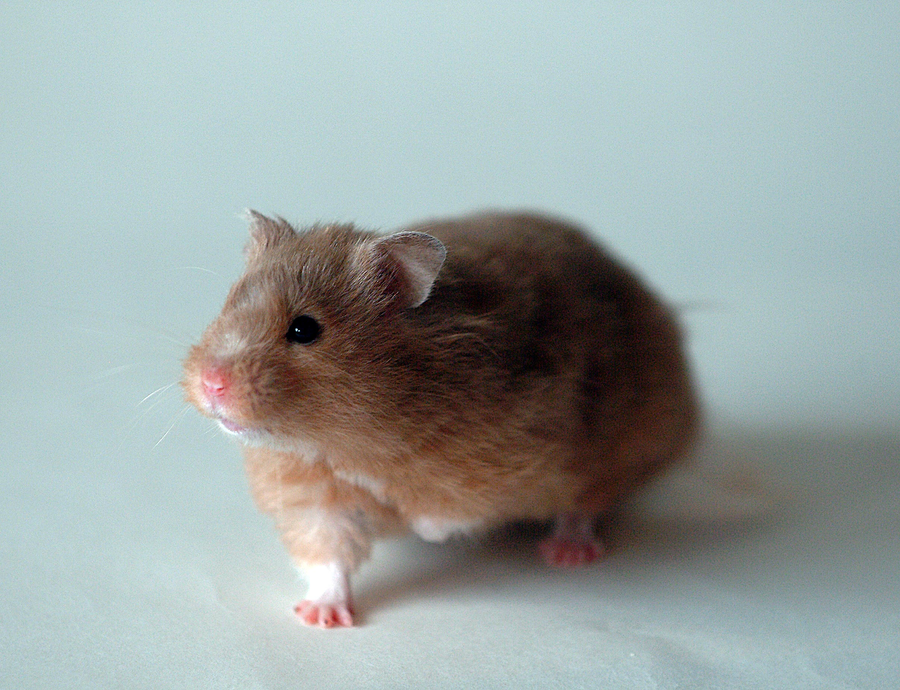
The hamster (Mesocricetus auratus) is a mammal of the family Cricetidae, in the order Rodentia.
Quick answer
The Syrian or golden hamster is the most popular pet hamster, a small nocturnal rodent that stores food in cheek pouches and must live alone as an adult. With good care, hamsters live 2–3 years and need a large enclosure, deep bedding for burrowing, and a species-appropriate wheel.
Top questions about the Hamster
Also available in Español (Hámster dorado)
Hamster facts at a glance
- Weight 150 g
- Length 17 cm
- Top speed 8 km/h
- Lifespan 3 years
| Scientific name | Mesocricetus auratus |
|---|---|
| Diet | Omnivore — commercial hamster mix, fresh vegetables, and occasional protein |
| Habitat | Domestic worldwide; wild populations in Syria and Turkey |
| Lifespan | 2–3 years (occasionally up to 3.5) |
| Weight | 100–200 g (3.5–7 oz) |
| Top speed | Up to 8 km/h (5 mph); runs several kilometres nightly on a wheel |
| Conservation status | Domesticated (IUCN) |
| Kingdom | Animalia |
|---|---|
| Phylum | Chordata |
| Class | Mammalia |
| Order | Rodentia |
| Family | Cricetidae |
| Genus | Mesocricetus |
Where it lives
The hamster (Mesocricetus auratus) is native to The Syrian hamster's wild range is a small area of steppe in Syria and Turkey; pet hamsters are captive-bred worldwide. — recorded across Asia in this guide’s range summary.
For occurrence records, see GBIF species search and sources below.
How big is a hamster?
An adult hamster measures 17 cm long — about 10% of the height of an average adult person (1.73 m) — and weighs around 150 g, a small fraction of an average adult’s body weight (70 kg).
Length vs an average adult’s height (to scale)
What is a group of hamsters called?
Group name (collective noun)
A group of Hamsters is called a horde.
Baby name
A baby Hamster is called a pup.
Explore more animal collective nouns and baby animal names .
Cheek pouches and hoarding
Hamsters have expandable cheek pouches that stretch to their shoulders, allowing them to carry food back to hidden stores. In the wild this behaviour supports survival in arid steppe where food may be scattered. Pet hamsters still hoard even with a full food bowl.
Nocturnal burrowers
Hamsters are active mainly at night and need deep bedding — 20 cm or more — to dig burrows and feel secure. A too-small cage or wheel causes stress, obesity, and spinal injury. Syrian hamsters are strictly solitary; keeping adults together usually leads to fighting.
Wild origins and domestication
Syrian hamsters were first collected from near Aleppo in the 1930s and bred for laboratory use before becoming pets. Wild populations are fragmented and considered vulnerable in their native range, though the domestic pet trade relies on captive breeding.
Responsible pet care
Choose a enclosure meeting modern minimum size guidelines, provide a solid-surface wheel large enough to prevent back arching, and offer enrichment such as tunnels and chew toys. Hamsters are prey animals that may nip when startled awake; gentle handling builds trust over time.
Dig deeper into the Hamster
- Hamster Cheek Pouches And Hoarding
The Syrian or golden hamster is the most popular pet hamster, a small nocturnal rodent that stores food in cheek pouches and must live alone as an adult.
- Hamster Nocturnal Burrowers
The Syrian or golden hamster is the most popular pet hamster, a small nocturnal rodent that stores food in cheek pouches and must live alone as an adult.
- How Long Do Hamsters Live?
Hamster lifespan is typically 2–3 years (occasionally up to 3.5). What shortens or extends life, life stages, and status (Domesticated).
- What Do Hamsters Eat?
What hamsters eat: Omnivore — commercial hamster mix, fresh vegetables, and occasional protein, foraging style, and seasonal shifts in Domestic worldwide; wild populations in Syria and Turkey.
- Where Do Hamsters Live?
Where hamsters live: Domestic worldwide; wild populations in Syria and Turkey, native range cues, and human overlap. Status Domesticated.
Explore the Hamster
Compare
Close relatives
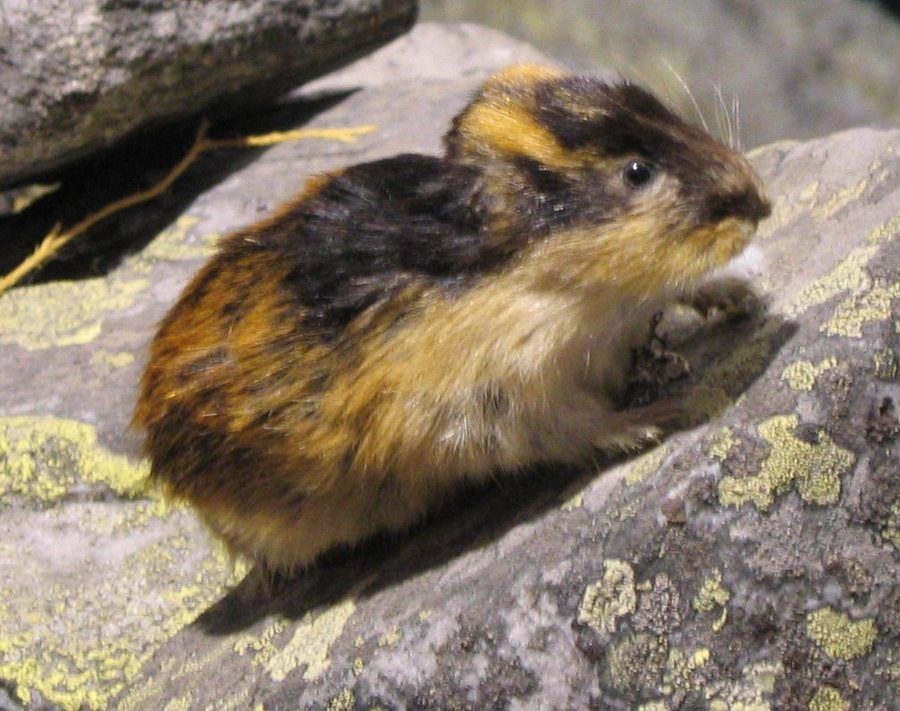
- Brown Lemming Same family
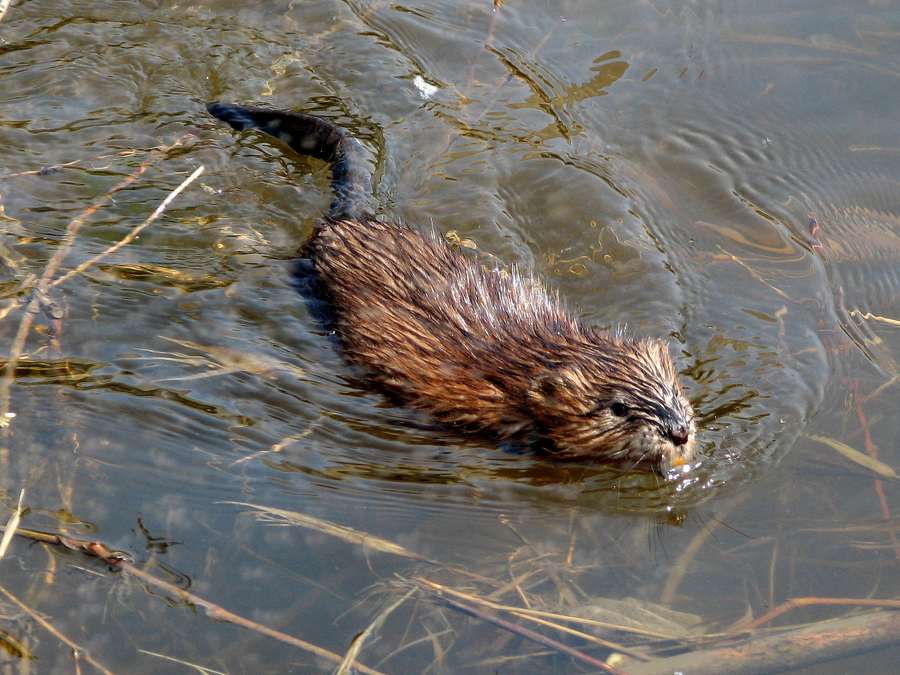
- Muskrat Same family
- North American Beaver Same order
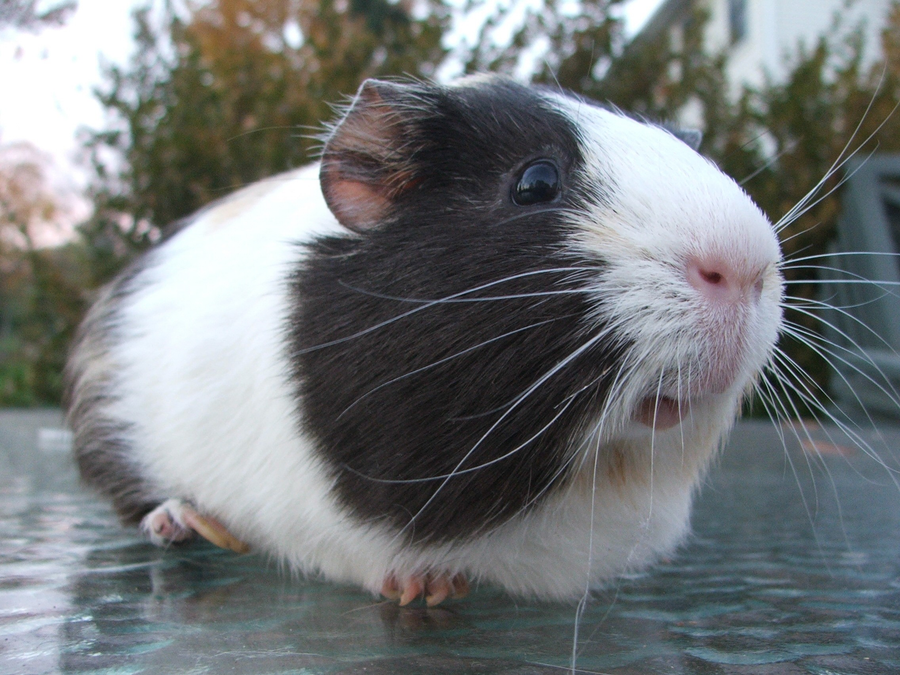
- Guinea Pig Same order
Range & geography
Did you know? Hamster facts
- The Syrian or golden hamster is the most popular pet hamster, a small nocturnal rodent that stores food in cheek pouches and must live alone as an adult.
- The Syrian or golden hamster is the most popular pet hamster — larger and easier to handle than dwarf species, and it must live alone.
- Syrian hamsters must be housed alone. Some dwarf species tolerate pairs or groups if introduced young, but fighting is still common.
- Most pet hamsters live 2–3 years. Roborovski dwarfs may reach 3.5 years with excellent care.
- They can suit older children who respect nocturnal schedules and gentle handling. Hamsters sleep by day and may bite if grabbed while asleep.
- Conservation: Domesticated (IUCN).
Diet & feeding
Hamster feeds primarily as a omnivore — commercial hamster mix, fresh vegetables, and occasional protein. Choose a enclosure meeting modern minimum size guidelines, provide a solid-surface wheel large enough to prevent back arching, and offer enrichment such as tunnels and chew toys. Hamsters are prey animals that may
Adaptations
- Hamsters have expandable cheek pouches that stretch to their shoulders, allowing them to carry food back to hidden stores. In the wild this behaviour supports survival in arid steppe where food may be scattered. Pet hamsters still hoard even with a full food bowl.
- Hamsters are active mainly at night and need deep bedding — 20 cm or more — to dig burrows and feel secure. A too-small cage or wheel causes stress, obesity, and spinal injury. Syrian hamsters are strictly solitary; keeping adults together usually leads to fighting.
Behaviour & ecology
- Hamsters have expandable cheek pouches that stretch to their shoulders, allowing them to carry food back to hidden stores. In the wild this behaviour supports survival in arid steppe where food may be scattered. Pet hamsters still hoard even with a full food bowl.
- Hamsters are active mainly at night and need deep bedding — 20 cm or more — to dig burrows and feel secure. A too-small cage or wheel causes stress, obesity, and spinal injury. Syrian hamsters are strictly solitary; keeping adults together usually leads to fighting.
- Syrian hamsters were first collected from near Aleppo in the 1930s and bred for laboratory use before becoming pets. Wild populations are fragmented and considered vulnerable in their native range, though the domestic pet trade relies on captive breeding.
Communication
- Hamster uses scent, posture, and vocal signals to mark territory and coordinate social behaviour.
- Communication intensity often peaks during breeding seasons and territorial disputes.
Habitat & range
Domestic worldwide; wild populations in Syria and Turkey
Ecological role
Hamster plays a recognised ecological role in domestic worldwide; wild populations in syria and turkey.
Conservation status of the Hamster
The hamster (Mesocricetus auratus) is listed as Domesticated on the IUCN Red List. Domesticated animals are species kept and selectively bred by humans over many generations, such as dogs, cats, and livestock. They are not assessed for extinction risk in the wild by the IUCN, because their populations are managed by people rather than subject to natural pressures.
The hamster (Mesocricetus auratus) is assessed on the IUCN Red List. Look up on the IUCN Red List .
Frequently asked questions about the Hamster
What is the most popular hamster breed?
The Syrian or golden hamster is the most popular pet hamster — larger and easier to handle than dwarf species, and it must live alone.
Can hamsters live together?
Syrian hamsters must be housed alone. Some dwarf species tolerate pairs or groups if introduced young, but fighting is still common.
How long do hamsters live?
Most pet hamsters live 2–3 years. Roborovski dwarfs may reach 3.5 years with excellent care.
Are hamsters good pets for children?
They can suit older children who respect nocturnal schedules and gentle handling. Hamsters sleep by day and may bite if grabbed while asleep.
What do hamsters eat?
A quality commercial hamster mix plus small amounts of fresh vegetables and occasional mealworms or boiled egg for protein. Avoid sugary treats and foods toxic to rodents such as onion and citrus.
What is a group of hamsters called?
A group of Hamsters is called a horde.
What is a baby hamster called?
A baby Hamster is called a pup.
Sources & references
This guide is compiled and reviewed against established zoological and conservation references. Key sources for the Hamster:
-
IUCN Red List of Threatened Species
Conservation status (Domesticated) reflects the IUCN Red List category for Mesocricetus auratus.
-
iNaturalist — observations & photos
Search citizen-science observations and community IDs for Mesocricetus auratus. Useful for range checks and recent sightings — not a substitute for formal Red List status.
-
GBIF — occurrence data
Global Biodiversity Information Facility species search for Mesocricetus auratus. Explore published occurrence records used in range research.
- IUCN Red List — Mesocricetus auratus.
Conservation status (Domesticated) and population trends.
- Animal Diversity Web — Mesocricetus auratus. University of Michigan Museum of Zoology.
Life history, morphology, and range.
-
Global Animal Guide editorial standards
How we research, source, review, and update every guide for accuracy.