Image sourcing: see credits & licences
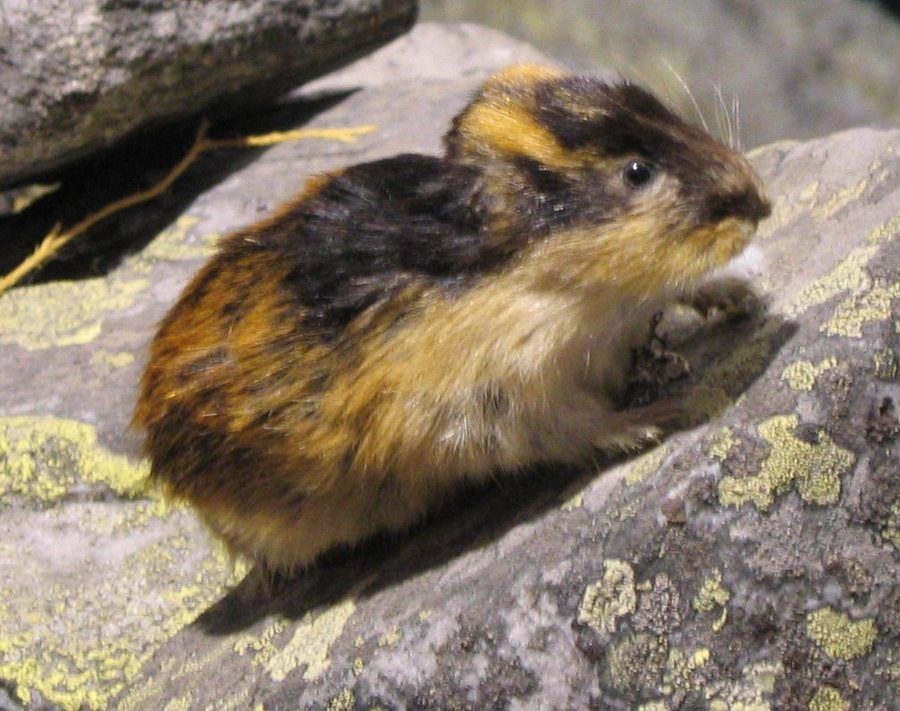
The brown lemming (Lemmus lemmus) is a mammal of the family Cricetidae, in the order Rodentia.
Quick answer
The brown lemming is a small, stocky rodent of the Arctic and alpine tundra of Scandinavia and Russia. Weighing only 30 to 112 g and measuring about 15 cm, it feeds on grasses, sedges, moss, and bark and stays active all winter beneath the snow. Lemmings are famous for dramatic population booms and crashes, and they live just one to two years. The species is listed as Least Concern.
Top questions about the Brown Lemming
Brown Lemming facts at a glance
- Weight 80 g
- Length 15 cm
- Top speed 8 km/h
- Lifespan 2 years
| Scientific name | Lemmus lemmus |
|---|---|
| Diet | Herbivore — grasses, sedges, moss, and bark |
| Habitat | Arctic and alpine tundra of Scandinavia and Russia |
| Lifespan | 1–2 years in the wild (short-lived rodent) |
| Weight | 30–112 g (0.03–0.11 kg); varies with season |
| Top speed | Up to 8 km/h (5 mph); scurries through tundra runways |
| Conservation status | Least Concern (IUCN) |
| Kingdom | Animalia |
|---|---|
| Phylum | Chordata |
| Class | Mammalia |
| Order | Rodentia |
| Family | Cricetidae |
| Genus | Lemmus |
Where it lives
The brown lemming (Lemmus lemmus) is native to Arctic and alpine tundra of Scandinavia, Russia, Alaska, and Canada — brown lemming in Fennoscandia and Siberia. — recorded across Asia, Europe, North America in this guide’s range summary.
For occurrence records, see GBIF species search and sources below.
How big is a brown lemming?
An adult brown lemming measures 15 cm long — about 9% of the height of an average adult person (1.73 m) — and weighs around 80 g, a small fraction of an average adult’s body weight (70 kg).
Length vs an average adult’s height (to scale)
What is a group of brown lemmings called?
Group name (collective noun)
A group of Brown Lemmings is called a colony.
Baby name
A baby Brown Lemming is called a pup.
Explore more animal collective nouns and baby animal names .
Size and appearance
The brown lemming is a small, round-bodied rodent with dense fur, short legs, tiny ears, and a very short tail, all adaptations for conserving heat in the cold. It weighs only 30 to 112 g and measures around 15 cm long, with its weight varying through the seasons. Its thick coat and compact shape reduce heat loss in the harsh tundra climate. Strong claws help it dig burrows and tunnels through soil and snow.
Life on the tundra
Lemmings live in the treeless Arctic and alpine tundra of Scandinavia and Russia, among the harshest habitats any mammal endures. Rather than hibernating, they stay active all winter, tunnelling through the insulating layer of snow where the temperature is far milder than the air above. There they build nests of grass and continue to feed and even breed in favourable years. This ability to exploit the space beneath the snow is key to surviving the long polar winter.
Diet and feeding
The brown lemming is a herbivore that eats grasses, sedges, moss, and bark, feeding almost constantly to fuel its fast metabolism. Because tundra plants are low in nutrients, a lemming must consume large amounts of vegetation each day relative to its size. In winter it gnaws on roots, shoots, and bark reached through its snow tunnels. Its intense grazing can strip patches of tundra during years when the population is high.
Population booms and crashes
Lemmings are best known for their dramatic population cycles, in which numbers explode roughly every three to five years and then collapse just as sharply. Their rapid breeding, with several litters a year, allows the population to multiply quickly when food and conditions are good. When numbers peak, food runs short and many lemmings disperse in large movements to find new ground. This boom-and-bust pattern ripples through the whole tundra ecosystem.
The myth of mass suicide
Contrary to popular belief, lemmings do not deliberately hurl themselves off cliffs to their deaths. The myth was cemented by a 1958 Disney film in which the animals were pushed off a ledge for the camera. What really happens is that during population peaks, huge numbers migrate in search of food and some drown while trying to cross rivers or lakes. The truth is a story of desperate dispersal, not deliberate self-destruction.
Predators and conservation
As a small, abundant rodent, the lemming is a crucial food source for tundra predators such as Arctic foxes, snowy owls, skuas, and stoats. The breeding success of many of these predators rises and falls in step with the lemming cycle. The brown lemming itself is listed as Least Concern by the IUCN, being widespread and, in good years, extremely numerous. These short-lived rodents rarely survive beyond one to two years.
Dig deeper into the Brown Lemming
- How Long Do Brown Lemmings Live?
Brown Lemming lifespan is typically 1–2 years in the wild (short-lived rodent). What shortens or extends life, life stages, and status (Least Concern).
- Lemming Myth Busting
The brown lemming lives in Arctic tundra and does not commit mass suicide — a myth from a staged 1958 Disney documentary.
- Lemming Population Cycles
The brown lemming lives in Arctic tundra and does not commit mass suicide — a myth from a staged 1958 Disney documentary.
- What Do Brown Lemmings Eat?
What brown lemmings eat: Herbivore — grasses, sedges, moss, and bark, foraging style, and seasonal shifts in Arctic and alpine tundra of Scandinavia and Russia.
- Where Do Brown Lemmings Live?
Where brown lemmings live: Arctic and alpine tundra of Scandinavia and Russia, native range cues, and human overlap. Status Least Concern.
Explore the Brown Lemming
Close relatives
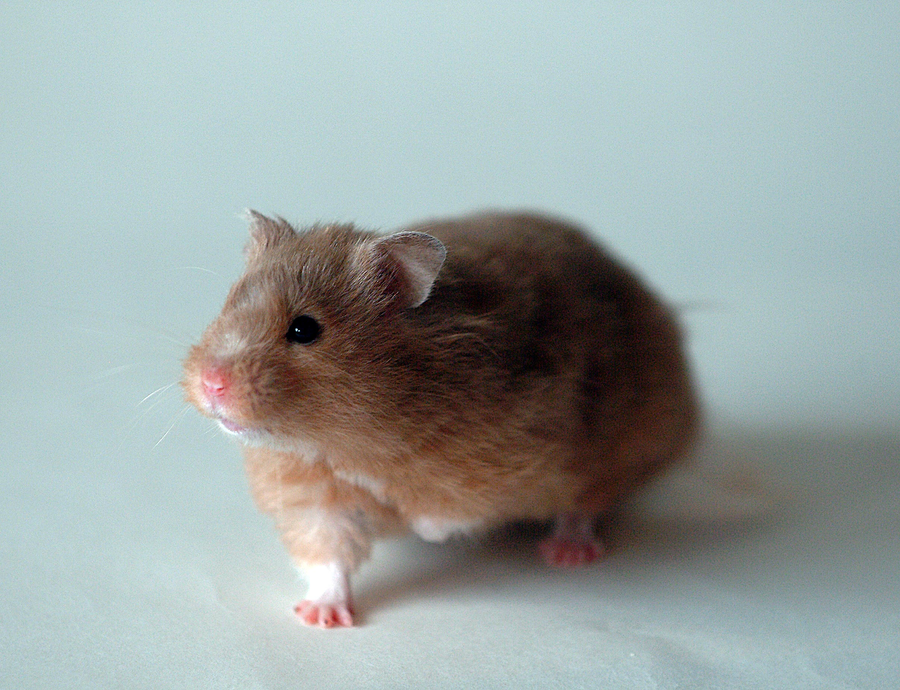
- Hamster Same family
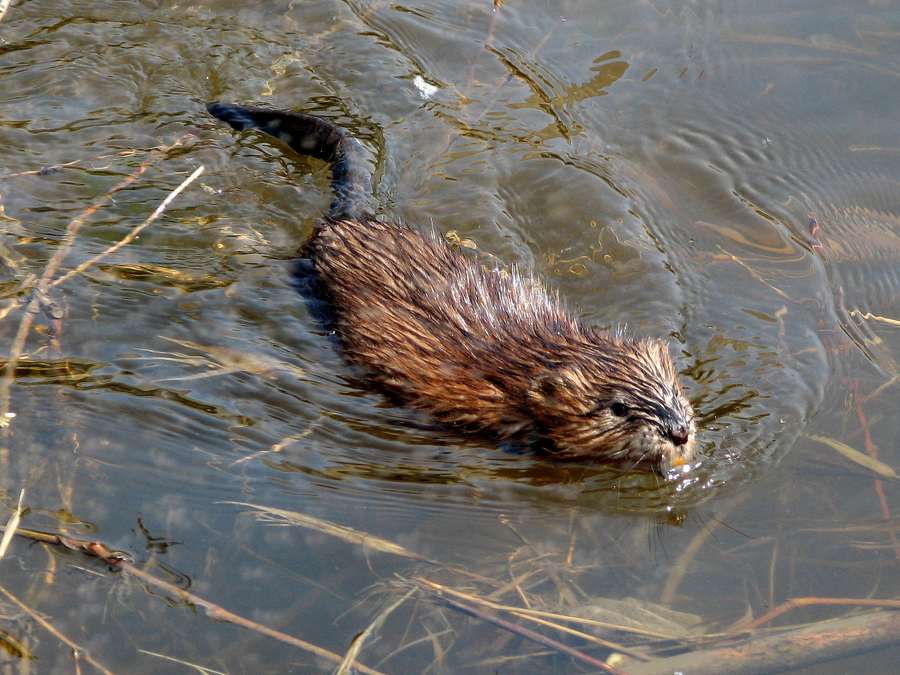
- Muskrat Same family
- North American Beaver Same order
- Guinea Pig Same order
Did you know? Brown Lemming facts
- Brown lemmings live in Arctic tundra and do not commit mass suicide — a myth from staged documentaries.
- No — this was fabricated for a 1958 Disney film.
- Arctic foxes, snowy owls, and skuas depend heavily on lemming cycles.
- Conservation: Least Concern.
Diet & feeding
Brown Lemming feeds primarily as a grasses, sedges, moss.
Adaptations
- Lemming numbers peak every 3–4 years, supporting foxes, owls, and skuas.
- Lemmings migrate when food runs out but do not deliberately leap off cliffs.
Behaviour & ecology
- Lemming numbers peak every 3–4 years, supporting foxes, owls, and skuas.
- Lemmings migrate when food runs out but do not deliberately leap off cliffs.
Communication
- Brown Lemming uses scent, posture, and vocal signals to mark territory and coordinate social behaviour.
- Communication intensity often peaks during breeding seasons and territorial disputes.
Habitat & range
Arctic and alpine tundra
Ecological role
Brown Lemming plays a recognised ecological role in arctic and alpine tundra.
Conservation status of the Brown Lemming
The brown lemming (Lemmus lemmus) is listed as Least Concern on the IUCN Red List. Least Concern (LC) is the IUCN's lowest-risk category, assigned to widespread, abundant species that have been evaluated and found not to be threatened. It does not mean a species faces no pressures — only that it is not currently at risk of extinction.
The brown lemming (Lemmus lemmus) is assessed on the IUCN Red List. Look up on the IUCN Red List .
Frequently asked questions about the Brown Lemming
Do lemmings really commit mass suicide?
No. The idea that lemmings deliberately jump off cliffs is a myth, popularised by a staged 1958 Disney film. In reality, large numbers migrate during population peaks and some accidentally drown while crossing rivers or lakes.
What do lemmings eat?
Lemmings are herbivores that eat grasses, sedges, moss, and bark. They feed almost constantly to fuel a fast metabolism, and in winter they gnaw roots and shoots reached through their snow tunnels.
Where do lemmings live?
The brown lemming lives in the Arctic and alpine tundra of Scandinavia and Russia. It stays active all winter, tunnelling beneath the snow where temperatures are milder than the freezing air above.
Why do lemming populations rise and fall so dramatically?
Lemmings breed very fast, producing several litters a year, so their numbers can explode roughly every three to five years when conditions are good. When food runs short, the population crashes just as sharply.
How big is a lemming?
The brown lemming is small, measuring about 15 cm long and weighing only 30 to 112 g. Its stocky body, dense fur, and short limbs all help it conserve heat in the cold tundra.
How long do lemmings live?
Lemmings are short-lived rodents, typically surviving just one to two years in the wild. High predation and the boom-and-bust nature of their populations keep individual lifespans short.
What is a group of brown lemmings called?
A group of Brown Lemmings is called a colony.
What is a baby brown lemming called?
A baby Brown Lemming is called a pup.
Sources & references
This guide is compiled and reviewed against established zoological and conservation references. Key sources for the Brown Lemming:
-
IUCN Red List of Threatened Species
Conservation status (Least Concern) reflects the IUCN Red List category for Lemmus lemmus.
-
iNaturalist — observations & photos
Search citizen-science observations and community IDs for Lemmus lemmus. Useful for range checks and recent sightings — not a substitute for formal Red List status.
-
GBIF — occurrence data
Global Biodiversity Information Facility species search for Lemmus lemmus. Explore published occurrence records used in range research.
- IUCN Red List — Lemmus lemmus.
Conservation status (Least Concern) and population trends.
- Animal Diversity Web — Lemmus lemmus. University of Michigan Museum of Zoology.
Life history, morphology, and range.
-
Global Animal Guide editorial standards
How we research, source, review, and update every guide for accuracy.