The Canada goose (Branta canadensis) is a bird of the family Anatidae, in the order Anseriformes.
Quick answer
The Canada goose is a large, adaptable waterbird native to North America, easily recognised by its black head and neck, white chinstrap, and loud honking call. It grazes on grasses and grain around lakes, fields, and parks, weighs 3 to 6 kg, and famously flies in V-formation, reaching up to 90 km/h (56 mph). Canada geese live up to 24 years and are listed as Least Concern.
Top questions about the Canada Goose
Also available in Español (Ganso canadiense)
Canada Goose facts at a glance
- Weight 5 kg
- Length 1 m
- Top speed 90 km/h
- Lifespan 24 years
| Scientific name | Branta canadensis |
|---|---|
| Diet | Herbivore — grasses, sedges, grain, and aquatic plants |
| Habitat | Lakes, fields, and parks across North America |
| Lifespan | 10–24 years in the wild |
| Weight | 3–6 kg (6.6–13 lb); giant subspecies heavier |
| Top speed | Up to 90 km/h (56 mph) in flight |
| Conservation status | Least Concern (IUCN) |
| Kingdom | Animalia |
|---|---|
| Phylum | Chordata |
| Class | Aves |
| Order | Anseriformes |
| Family | Anatidae |
| Genus | Branta |
Where it lives
The canada goose (Branta canadensis) is native to Canada goose native across North America from Arctic tundra to Gulf Coast; introduced to Europe, New Zealand, and Argentina. — recorded across North America in this guide’s range summary.
For occurrence records, see GBIF species search and sources below.
How big is a canada goose?
An adult canada goose measures 1 m long — about 58% of the height of an average adult person (1.73 m) — and weighs around 5.0 kg, about 7% of an average adult’s body weight (70 kg).
Length vs an average adult’s height (to scale)
What is a group of canada gooses called?
Group name (collective noun)
A group of Canada Gooses is called a gaggle.
Baby name
A baby Canada Goose is called a gosling.
Explore more animal collective nouns and baby animal names .
The V-formation and migration
Canada geese are celebrated for flying in a distinctive V-formation during their long seasonal migrations. Each bird flies slightly above the one in front, catching the uplift from its wingtips so the whole flock saves energy, and the lead position is rotated as birds tire. Migrating flocks can travel hundreds of kilometres in a day and reach speeds of up to 90 km/h with a following wind. Their honking calls help the flock stay together across great distances and in poor visibility.
Grazing and diet
Canada geese are herbivores that feed mainly on grasses, sedges, grain, and aquatic plants. On land they graze like small livestock, cropping lawns, pastures, and playing fields with their serrated bills, while in water they up-end to reach submerged vegetation. In autumn and winter they switch heavily to waste grain in harvested fields, building fat reserves for migration and cold weather. This flexible, plant-based diet is one reason the species does so well around farmland and towns.
Appearance and identification
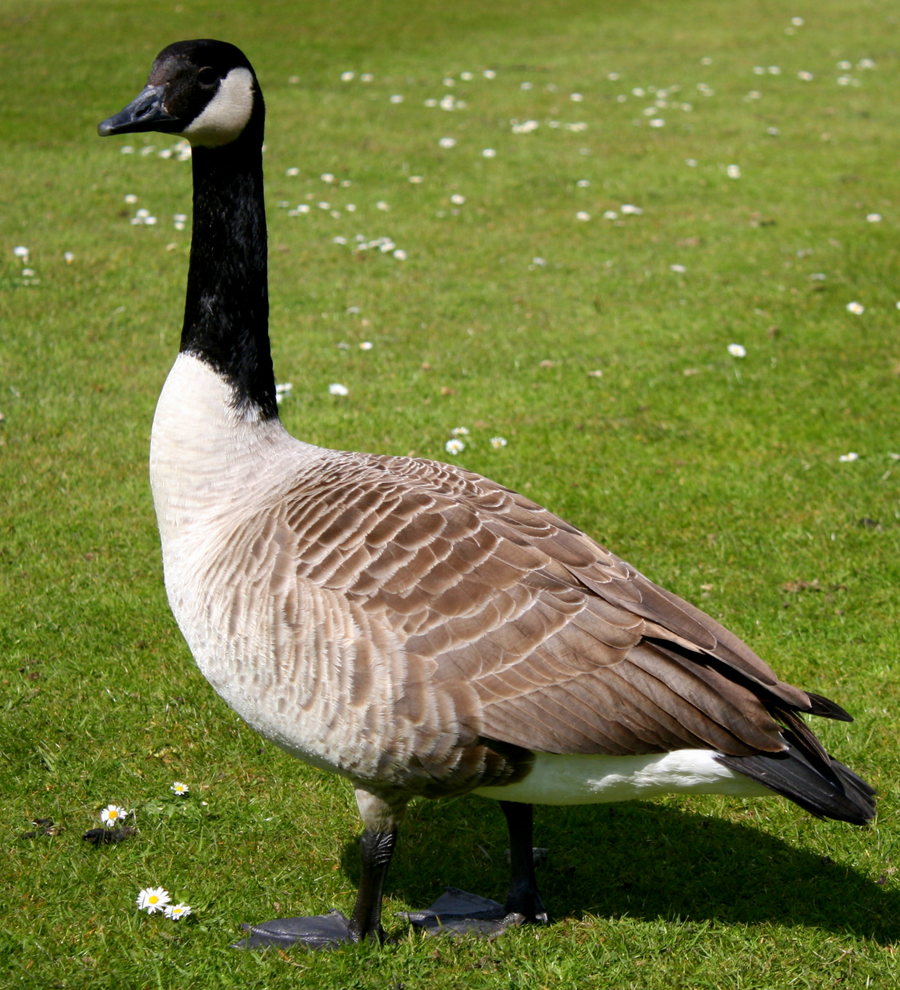
The Canada goose is instantly recognisable by its long black neck and head marked with a broad white "chinstrap" across the throat. The body is greyish-brown above and paler below, ending in a white rump band and black tail. Adults typically weigh 3 to 6 kg and measure about a metre long, with the so-called giant subspecies growing heavier still. Males and females look alike, though ganders are usually a little larger than geese.
Nesting and goslings
Canada geese pair for life and both parents share in raising the brood. The female builds a nest of grass and down on the ground near water and incubates a clutch of usually four to seven eggs for about four weeks, while the gander stands guard nearby. The fluffy yellow-and-grey goslings can walk, swim, and feed within a day of hatching and follow their parents closely. Families often merge into large groups called crèches, and the young stay with their parents through their first migration.
Behaviour and defence
Canada geese are bold, social birds that gather in noisy flocks outside the breeding season. During nesting, however, a gander will defend his mate and eggs fiercely, hissing, spreading his wings, and charging at intruders many times his size, including people and dogs. This aggression around nests is a common source of conflict in parks and gardens. Their alertness and willingness to sound the alarm also make them effective early-warning sentinels for other wildlife.
Adaptability and status
The Canada goose is listed as Least Concern and has become one of North America's great conservation success stories, rebounding strongly after historic overhunting. It thrives in human-altered landscapes such as parks, golf courses, reservoirs, and farmland, and many populations have stopped migrating where winters are mild and food is plentiful. Introduced birds have also established themselves in the UK and parts of Europe. In some areas they are now so numerous that they are considered a nuisance, with lifespans reaching up to 24 years in the wild.
Dig deeper into the Canada Goose
- Canada Goose: Key Facts
Canada geese fly in iconic V-formations honking over North America, weighing about 5 kg and living 24 years.
- How Fast Is A Canada Goose?
Canada Goose top speed is up to about 90 km/h (56 mph) in flight. Sprint vs endurance and what limits pace.
- How Long Do Canada Geese Live?
Canada Goose lifespan is typically 10–24 years in the wild. What shortens or extends life, life stages, and status (Least Concern).
- What Do Canada Geese Eat?
What canada geese eat: Herbivore — grasses, sedges, grain, and aquatic plants, foraging style, and seasonal shifts in Lakes, fields, and parks across North America.
- Where Do Canada Geese Live?
Where canada geese live: Lakes, fields, and parks across North America, native range cues, and human overlap. Status Least Concern.
Explore the Canada Goose
Compare
Close relatives
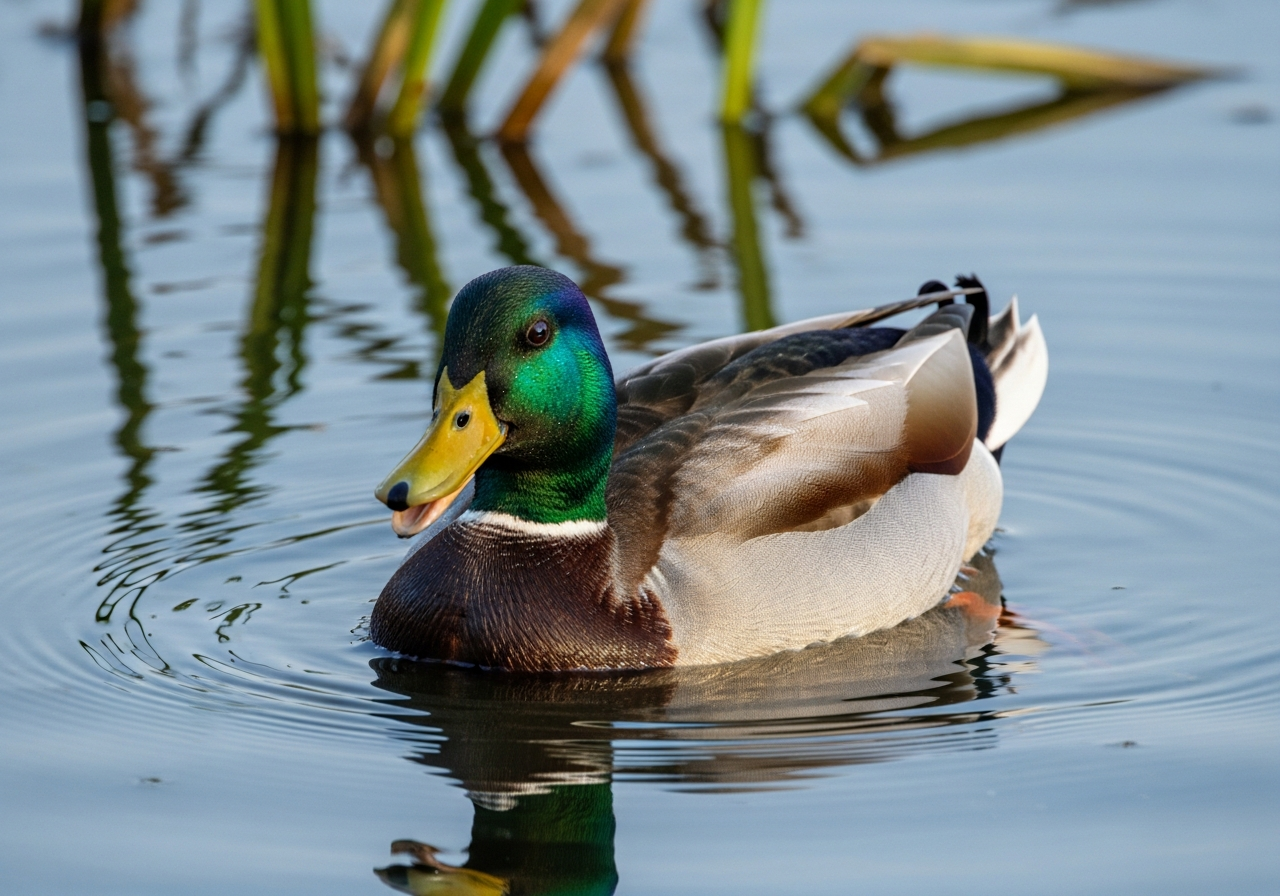
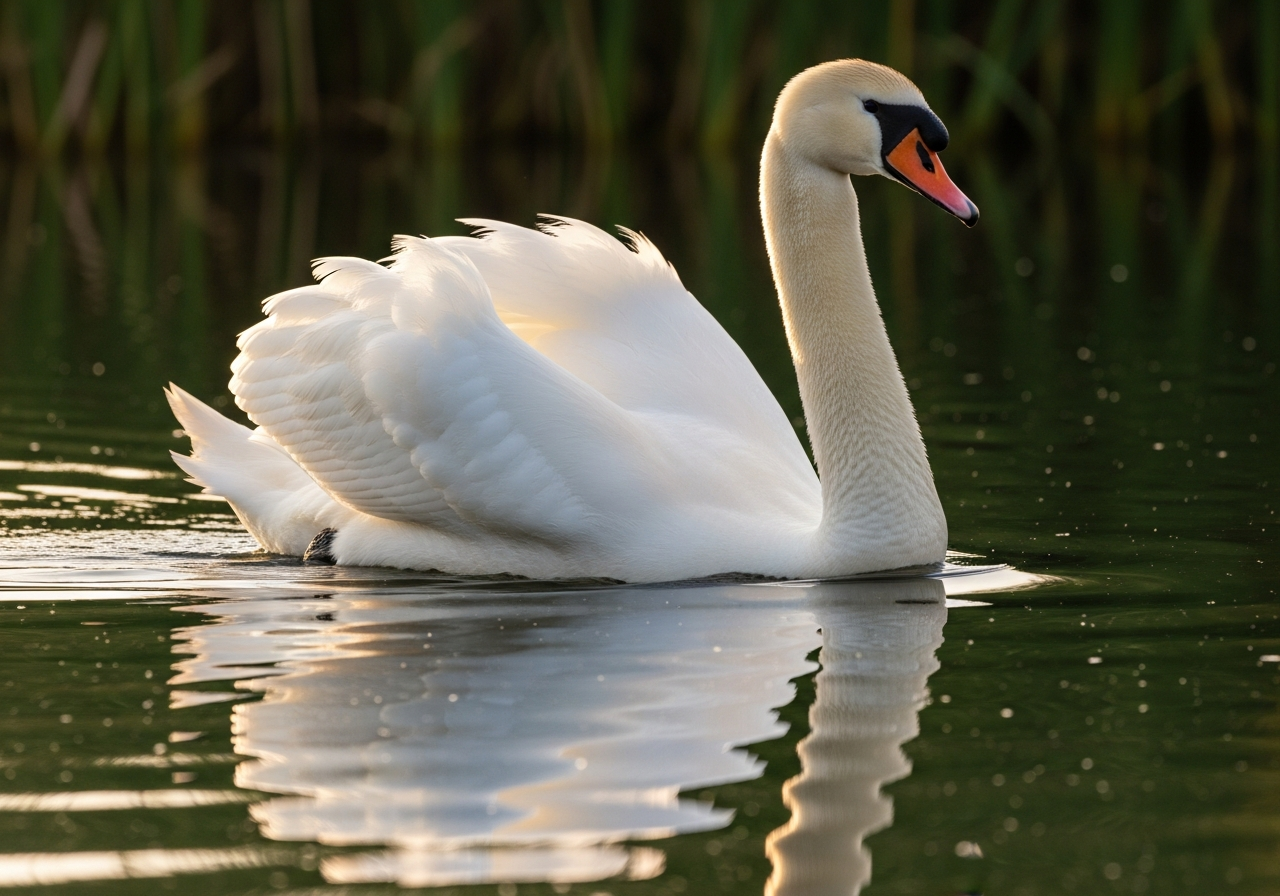
- Swan Same family
- Mallard Same family
- Chicken Same class
- Wandering Albatross Same class
Range & geography
Did you know? Canada Goose facts
- Canada geese fly in iconic V-formations honking over North America.
- Migratory Bird Treaty Act protects them in the US — permits needed for control.
- Contact calls coordinate flock movement and maintain pair bonds.
- Conservation: Least Concern.
Diet & feeding
Canada Goose feeds primarily as a grasses, sedges, grain.
Adaptations
- Rotating lead positions saves energy on long migrations.
- Resident geese foul parks and can be aggressive during nesting.
Behaviour & ecology
- Rotating lead positions saves energy on long migrations.
- Resident geese foul parks and can be aggressive during nesting.
Communication
- Canada Goose uses calls and visual displays to communicate territory, alarm, and breeding status.
- Vocal repertoires vary by species and are often learned or refined during development.
Habitat & range
Lakes and fields across North America
Ecological role
Canada Goose contributes to seed dispersal, insect control, or nutrient cycling depending on diet and foraging habits.
Conservation status of the Canada Goose
The canada goose (Branta canadensis) is listed as Least Concern on the IUCN Red List. Least Concern (LC) is the IUCN's lowest-risk category, assigned to widespread, abundant species that have been evaluated and found not to be threatened. It does not mean a species faces no pressures — only that it is not currently at risk of extinction.
The canada goose (Branta canadensis) is assessed on the IUCN Red List. Look up on the IUCN Red List .
Frequently asked questions about the Canada Goose
Why do Canada geese fly in a V-formation?
Geese fly in a V so that each bird can ride the uplift created by the wingtips of the one ahead, which saves energy across long flights. The lead bird works hardest and is swapped out as it tires, and the formation also helps the flock keep track of one another.
What do Canada geese eat?
Canada geese are herbivores that eat grasses, sedges, grain, and aquatic plants. They graze on lawns and fields, feed on waste grain after harvest, and up-end in water to reach submerged plants.
How fast can a Canada goose fly?
Canada geese can fly at up to 90 km/h (56 mph), especially with a helpful tailwind during migration. Their normal cruising speed is lower, but they can cover hundreds of kilometres in a single day.
How long do Canada geese live?
Canada geese commonly live 10 to 24 years in the wild, and some individuals live even longer. Their long lifespan and lifelong pair bonds mean established pairs can return to the same breeding sites for many years.
Are Canada geese aggressive?
Canada geese are usually calm but become highly protective during the nesting season. A gander guarding eggs or goslings will hiss, spread its wings, and charge at people or animals it sees as a threat, which is why nesting geese are best given a wide berth.
Why are there so many Canada geese?
Canada geese have boomed because they adapt easily to human landscapes such as parks, farms, and reservoirs, where food is plentiful and natural predators are few. Many populations have also stopped migrating in mild areas, so numbers stay high year-round and can even be seen as a nuisance.
What is a group of canada gooses called?
A group of Canada Gooses is called a gaggle.
What is a baby canada goose called?
A baby Canada Goose is called a gosling.
Sources & references
This guide is compiled and reviewed against established zoological and conservation references. Key sources for the Canada Goose:
-
IUCN Red List of Threatened Species
Conservation status (Least Concern) reflects the IUCN Red List category for Branta canadensis.
-
iNaturalist — observations & photos
Search citizen-science observations and community IDs for Branta canadensis. Useful for range checks and recent sightings — not a substitute for formal Red List status.
-
GBIF — occurrence data
Global Biodiversity Information Facility species search for Branta canadensis. Explore published occurrence records used in range research.
-
eBird — bird observations
Cornell Lab eBird target search for Canada Goose. Check recent checklists and seasonal abundance where birders report this species.
- IUCN Red List — Branta canadensis.
Conservation status (Least Concern) and population trends.
- Animal Diversity Web — Branta canadensis. University of Michigan Museum of Zoology.
Life history, morphology, and range.
-
Global Animal Guide editorial standards
How we research, source, review, and update every guide for accuracy.