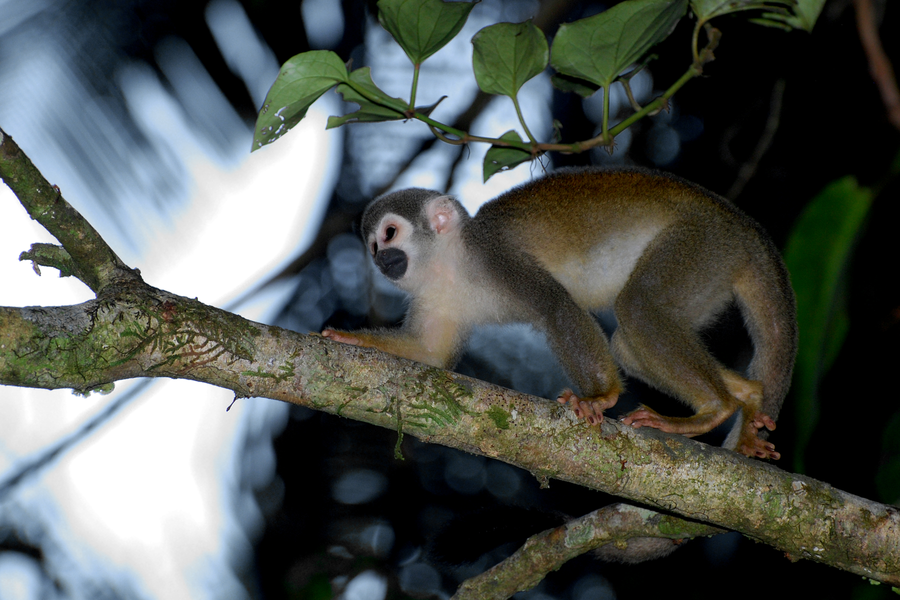
Mammal
Common Squirrel Monkey
The tiny big-brained monkey of the Amazon
Trusted wildlife guides · Promotional links support animal rescue
Tuesday, 28 July 2026Peru's Andes and Amazon hold spectacled bears, jaguars, macaws, and the world's highest navigable lake wildlife.
28 species in our guide are native to Peru.
Mammal
The tiny big-brained monkey of the Amazon
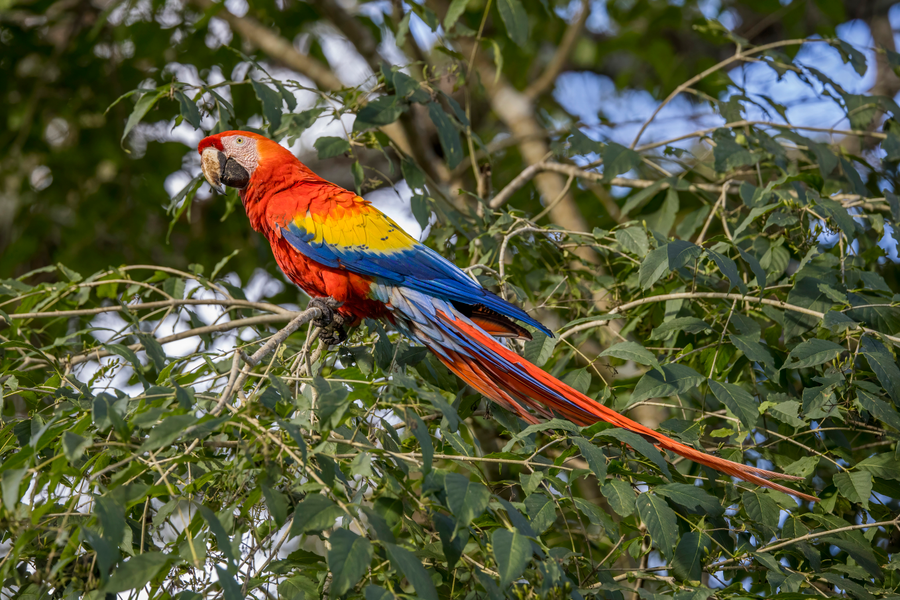
Bird
Iconic red-and-blue rainforest parrot
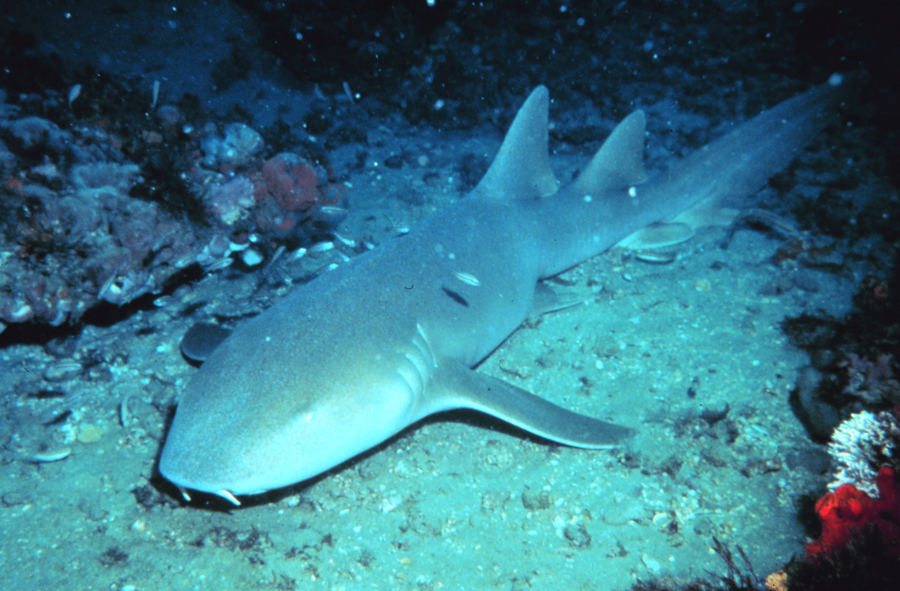
Fish
The docile reef bottom-dweller
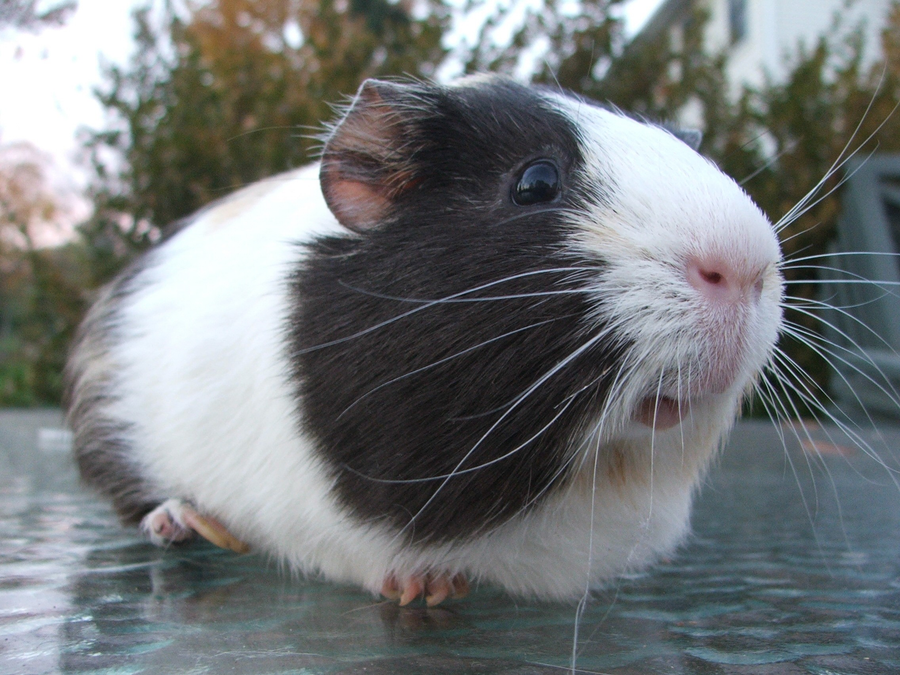
Mammal
The gentle social rodent from the Andes
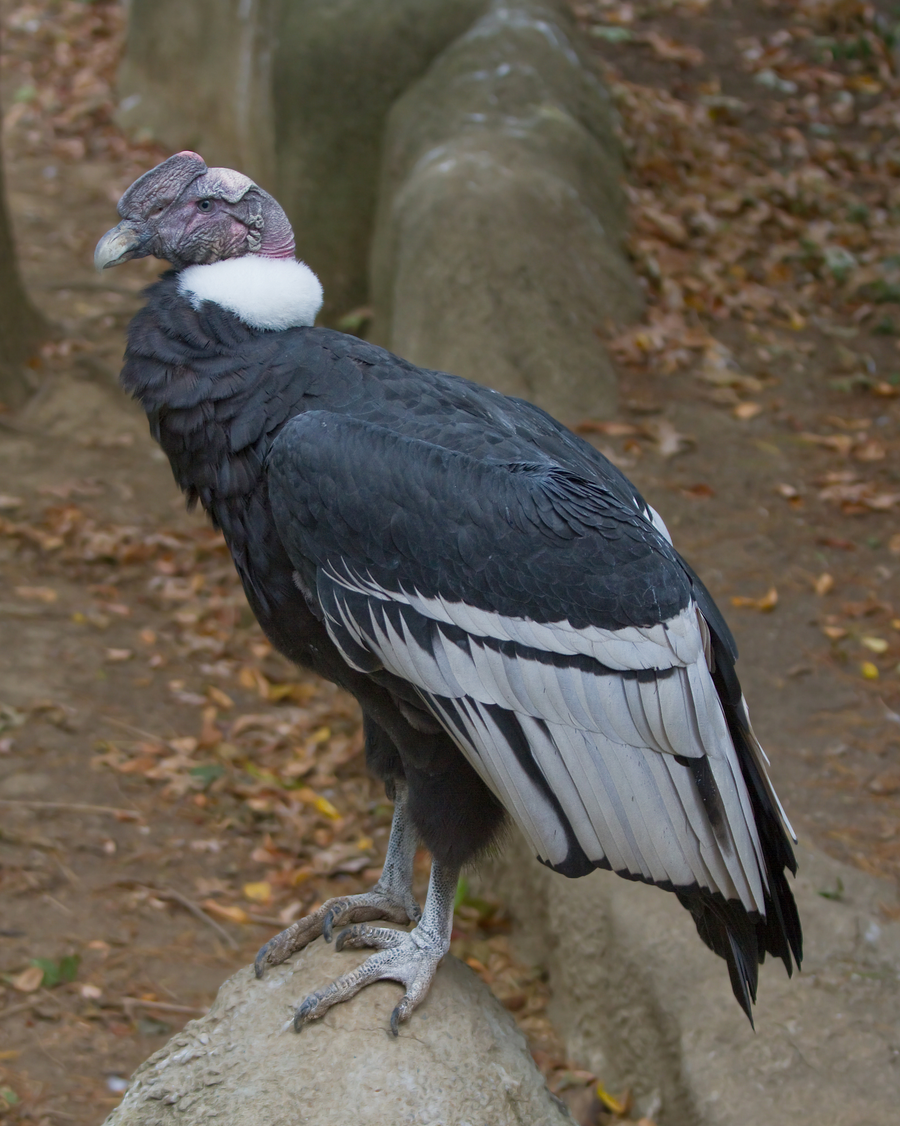
Bird
Giant New World vulture of the Andes
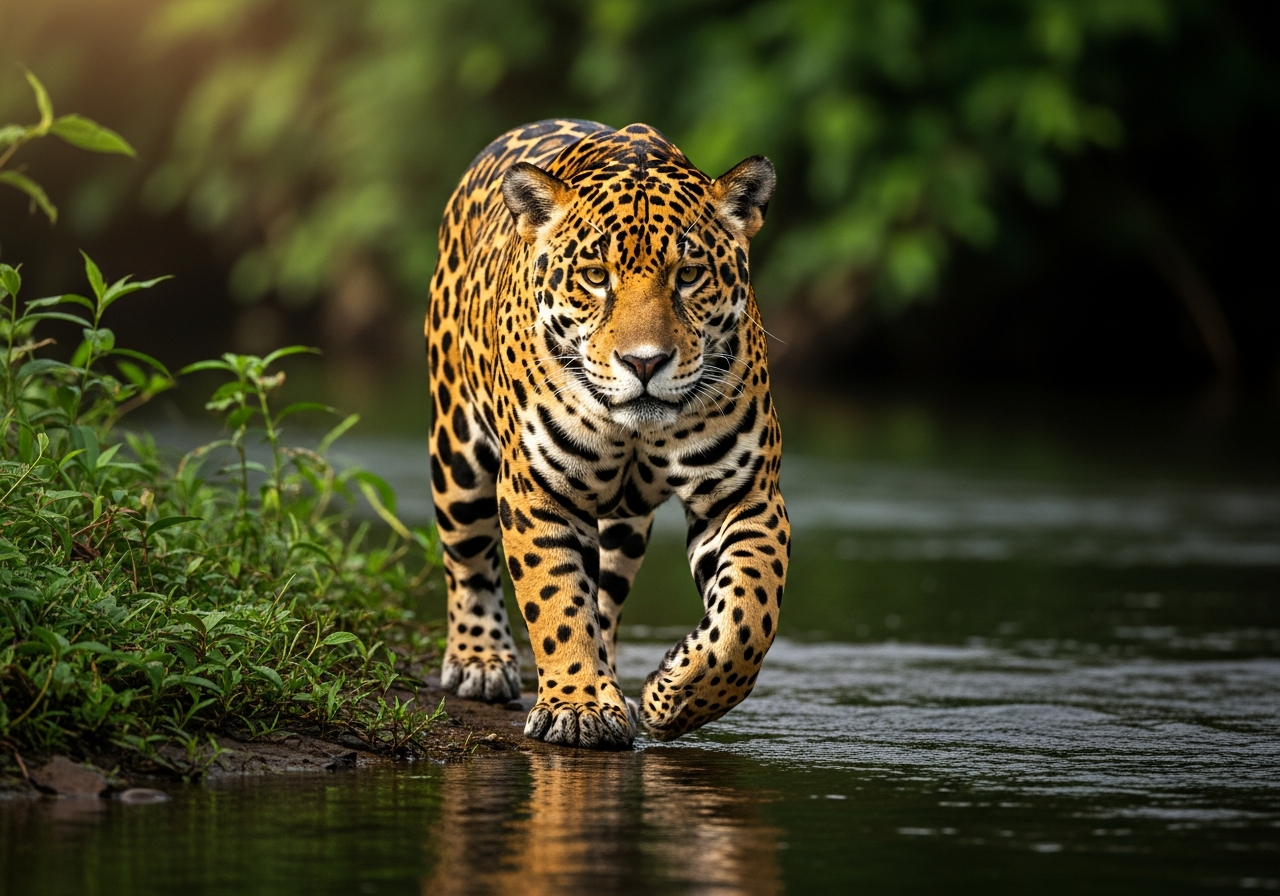
Mammal
The Americas' largest and most powerful cat
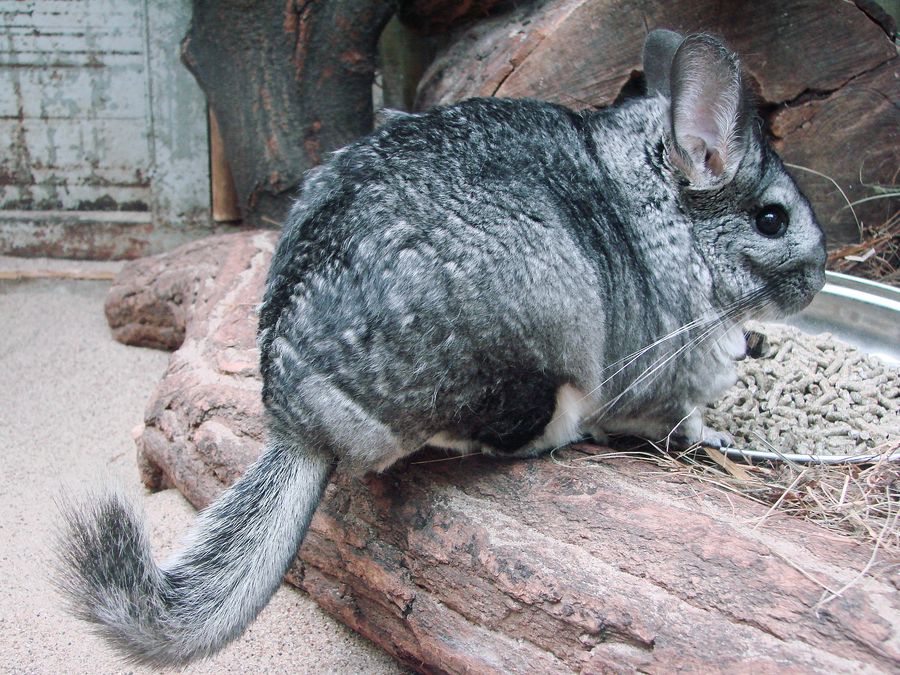
Mammal
The soft-furred rodent of the Andes
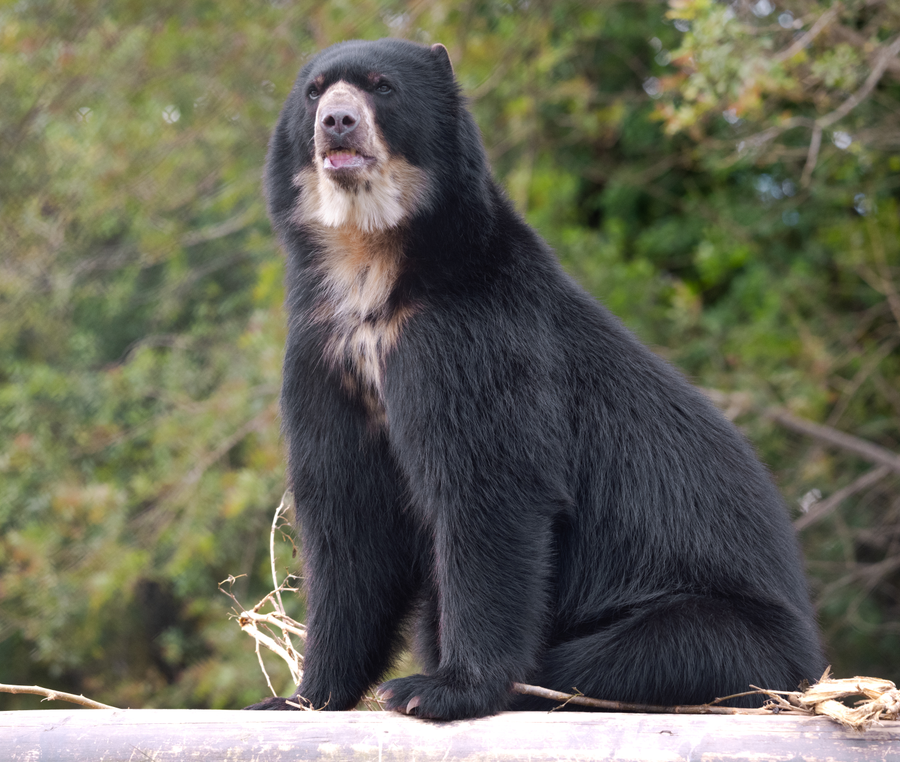
Mammal
The only bear native to South America
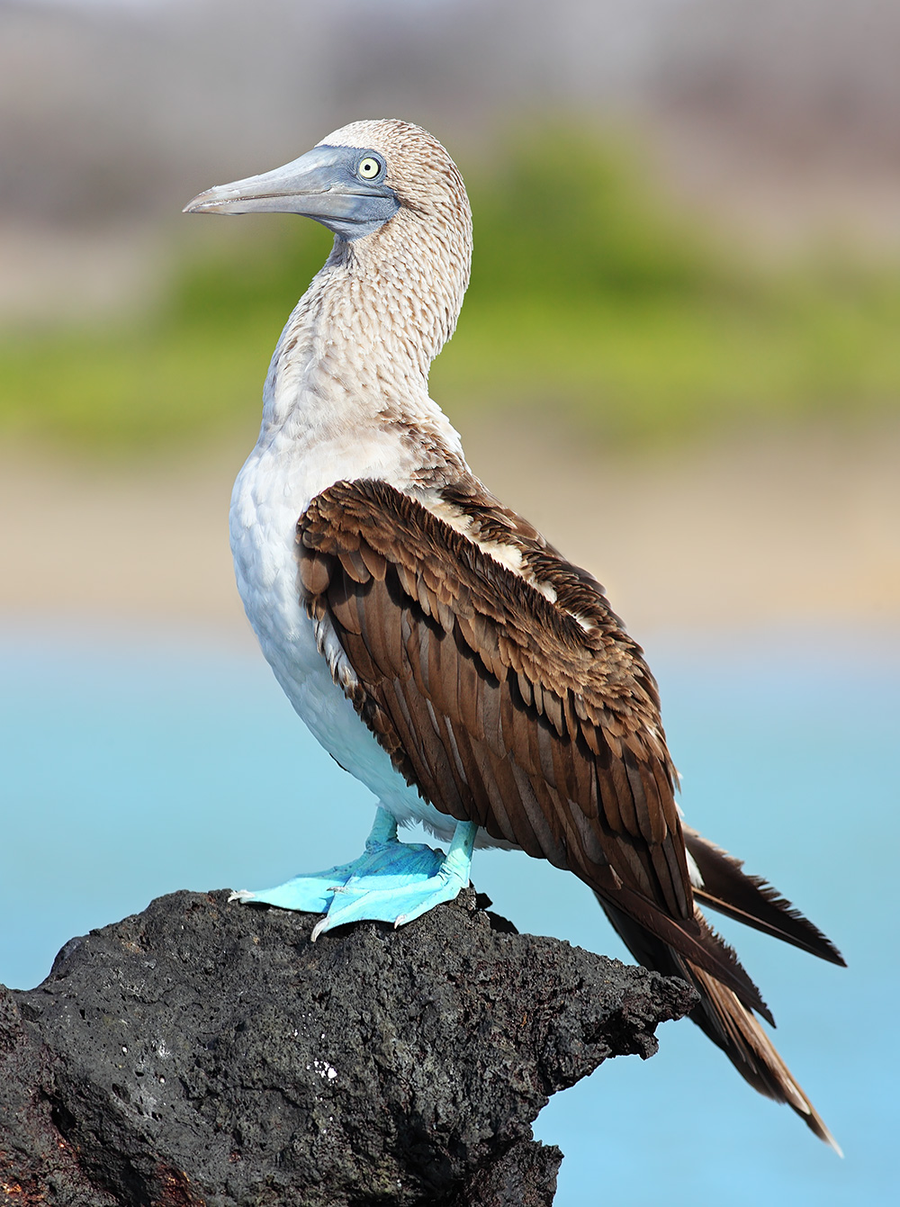
Bird
Plunge-diving seabird with vivid blue feet
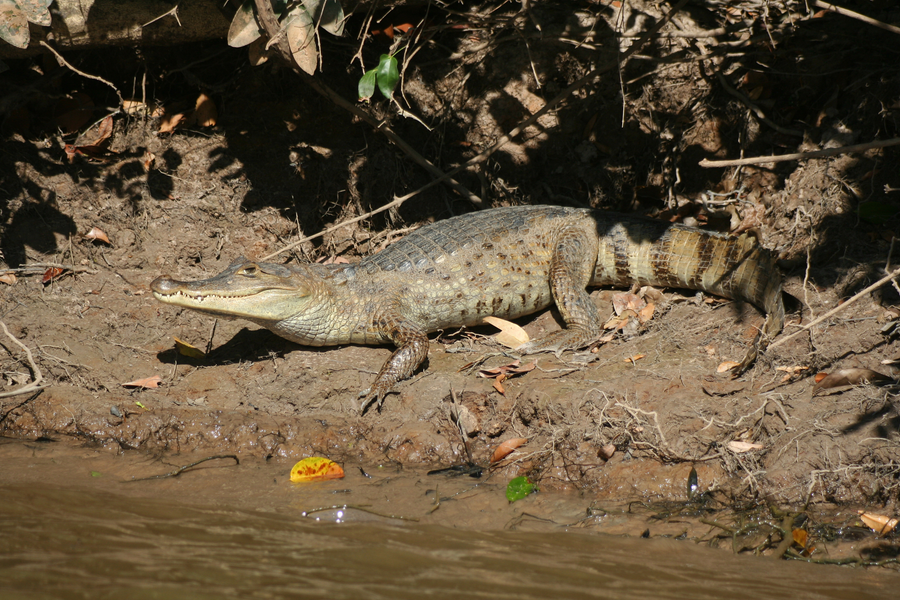
Reptile
The common crocodilian of the Americas
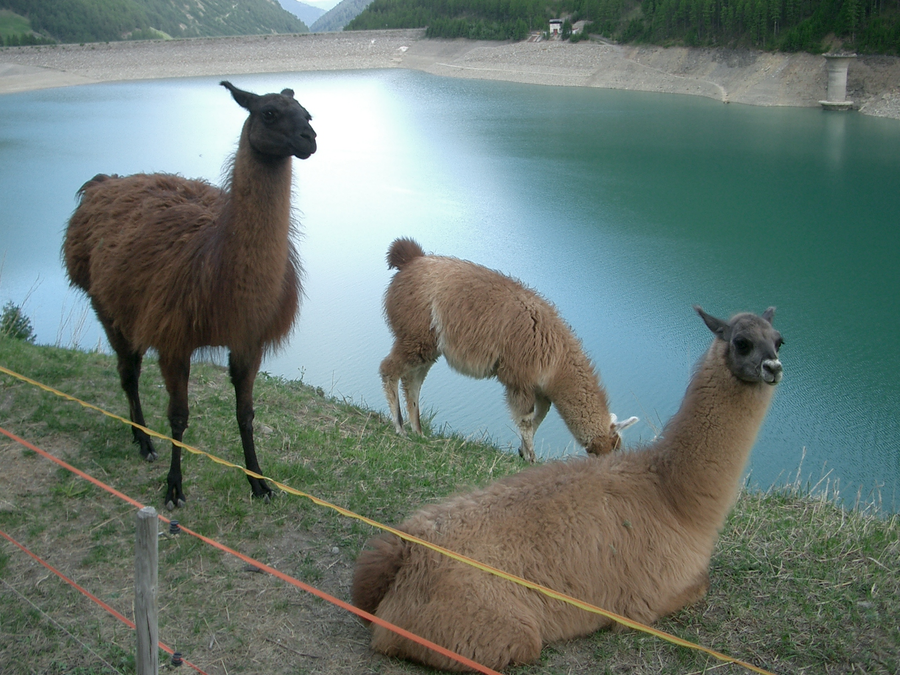
Mammal
The Andean pack animal and flock guardian
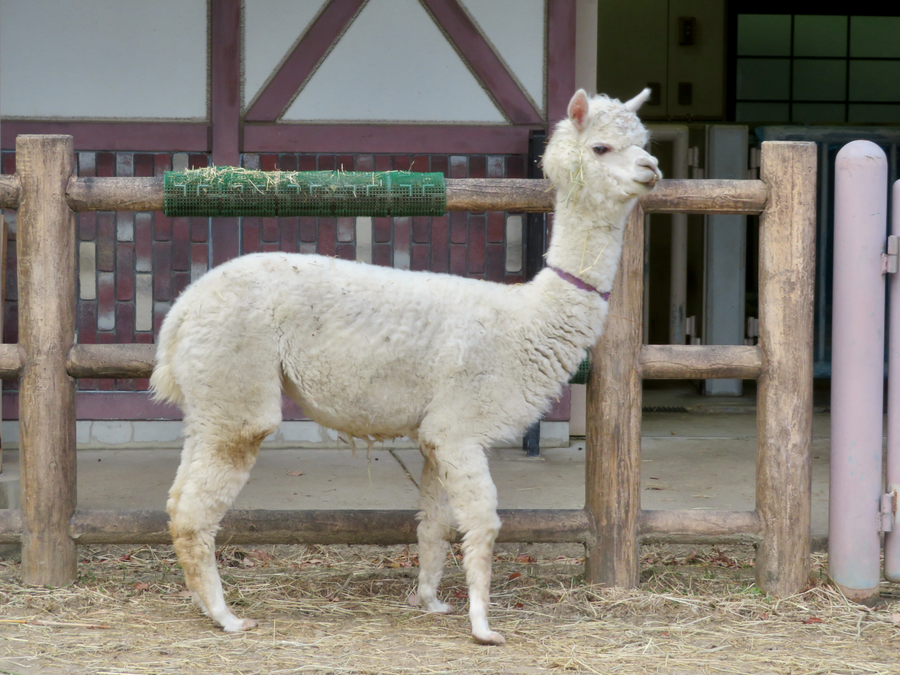
Mammal
The Andean fleece specialist
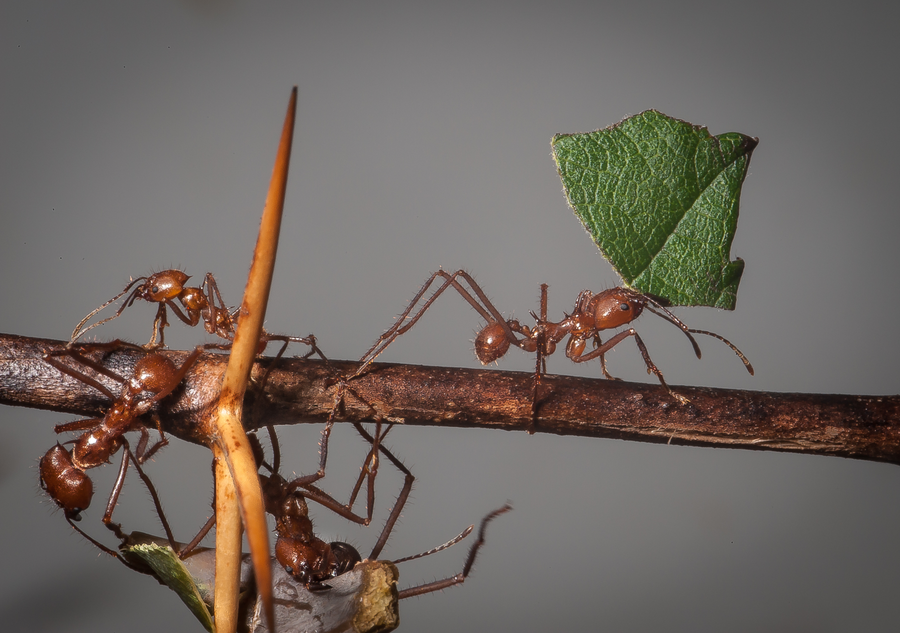
Insect
Ant farmers that cut leaves to grow fungus
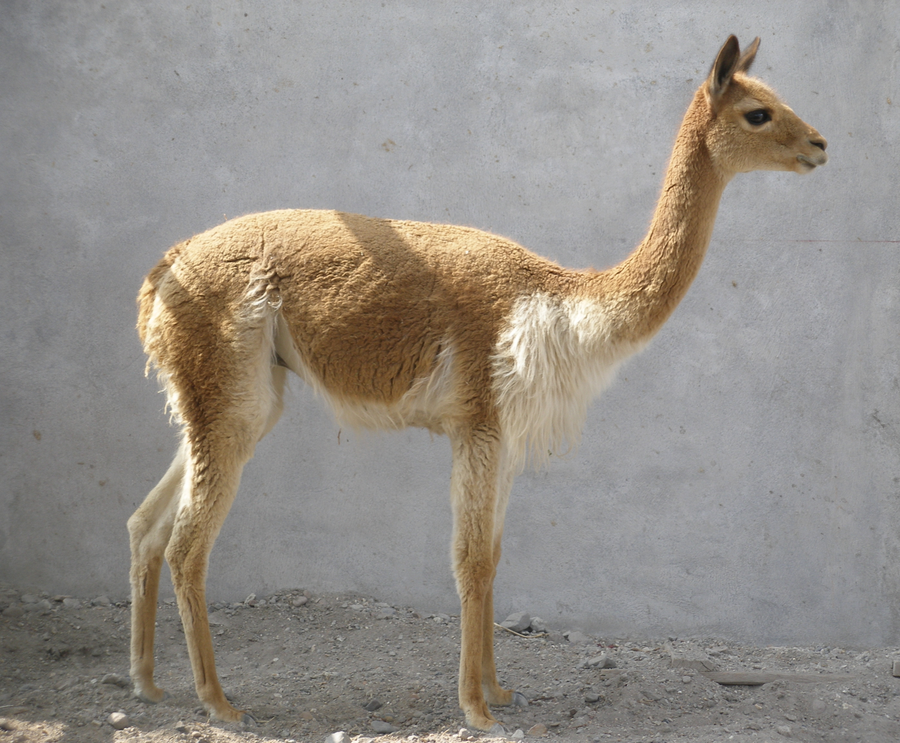
Mammal
Wild Andean camelid with ultrafine wool
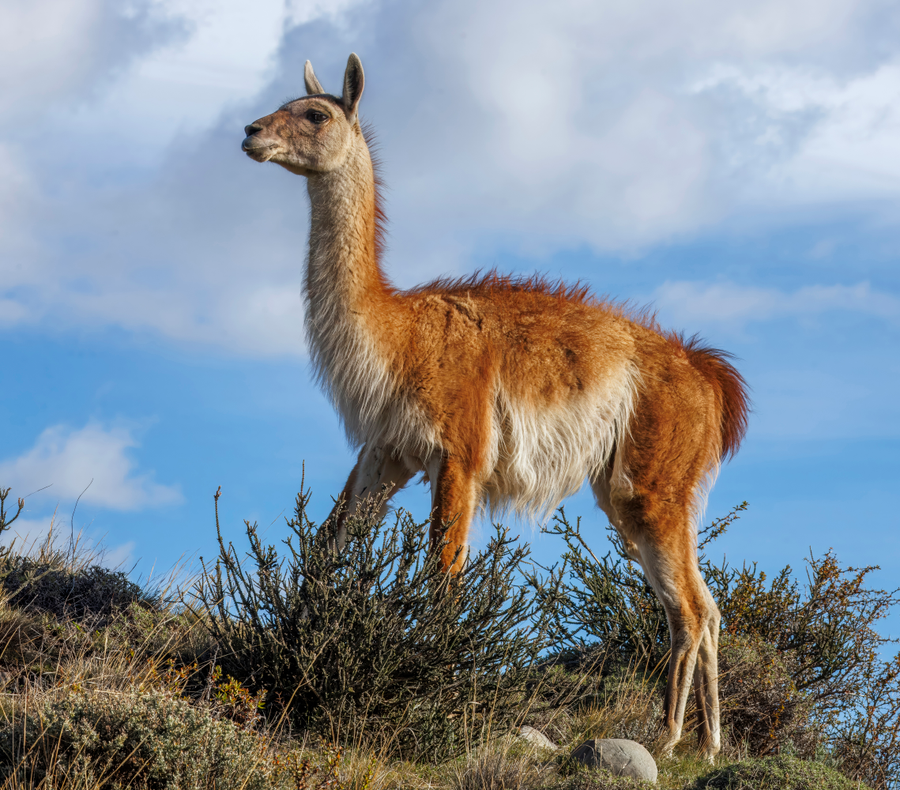
Mammal
Wild South American camelid ancestor of the llama
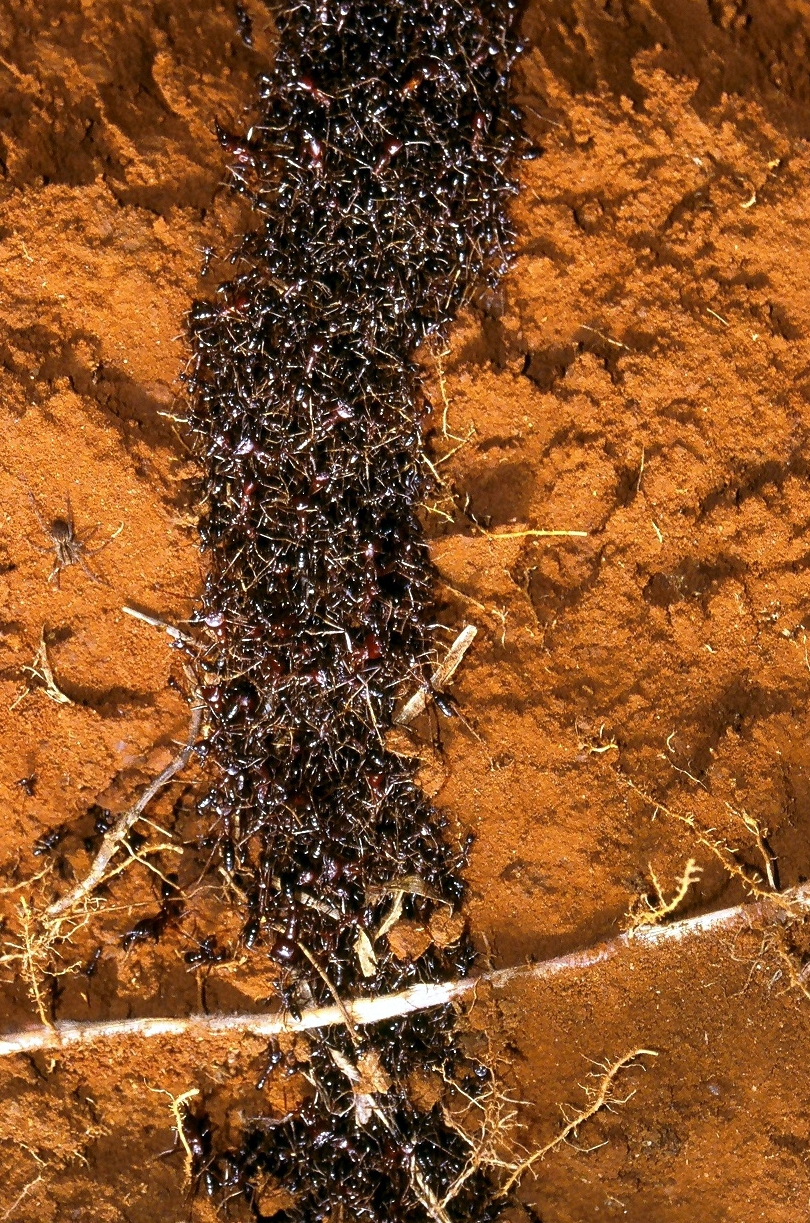
Insect
Nomadic swarm-raiding ants of the Neotropics
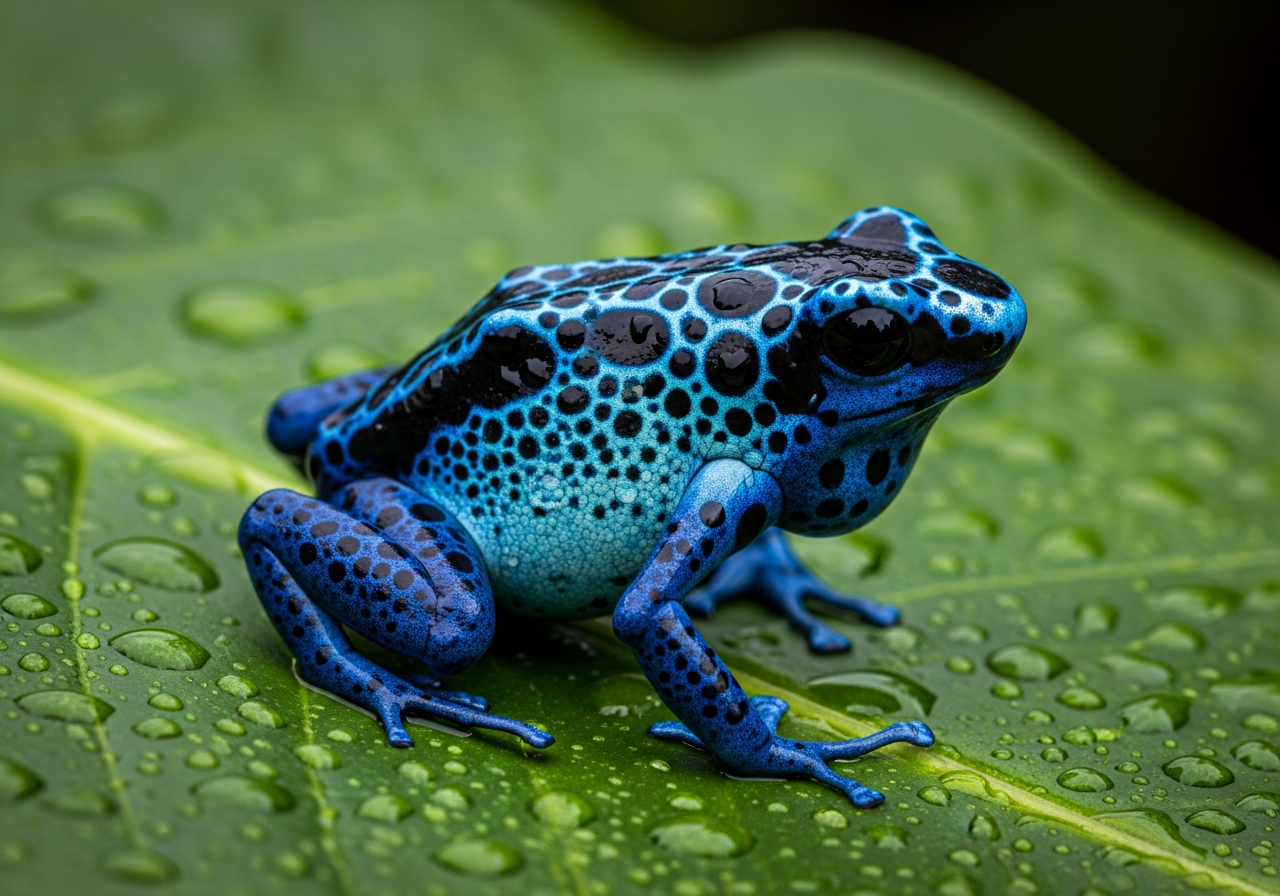
Amphibian
Tiny, brilliantly colored, and among the most toxic animals alive
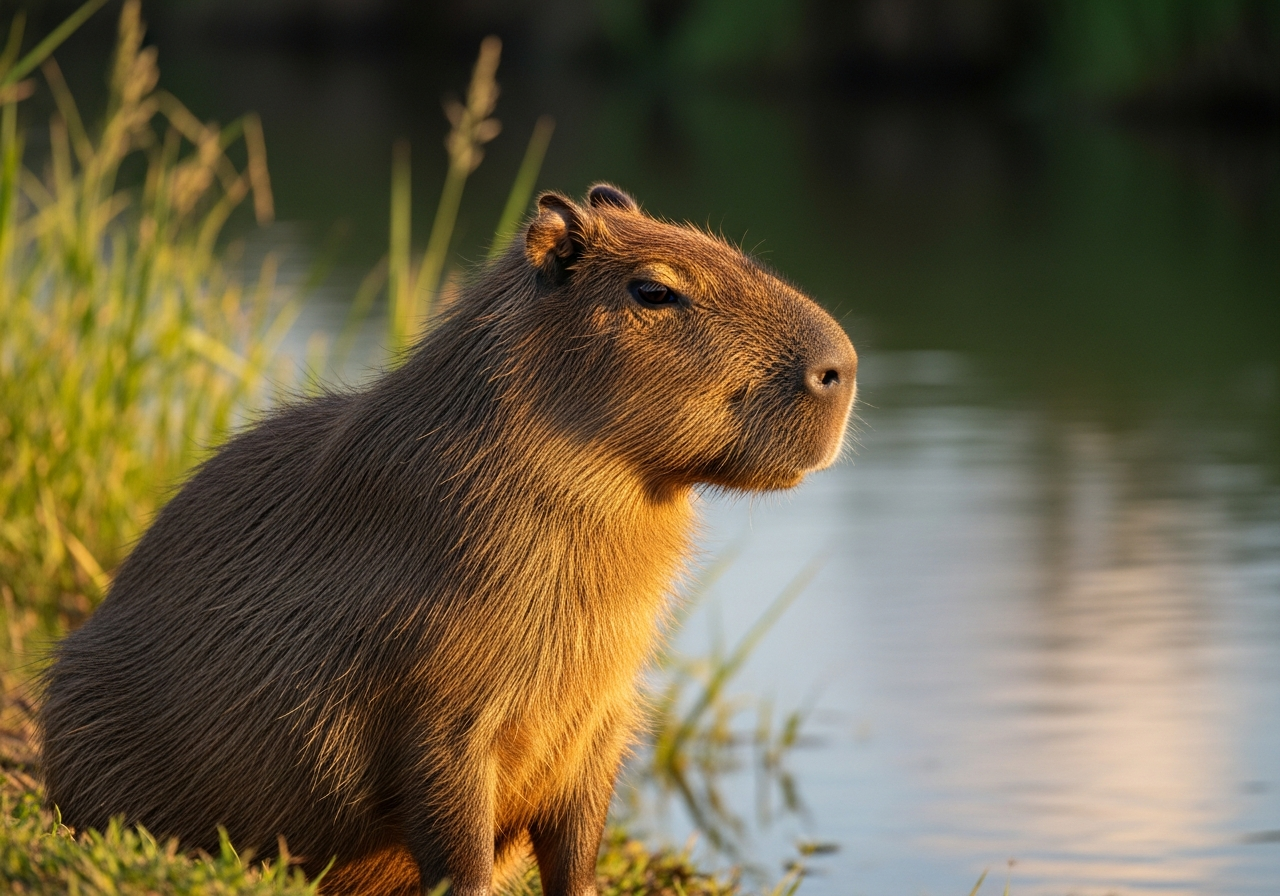
Mammal
The world's largest rodent
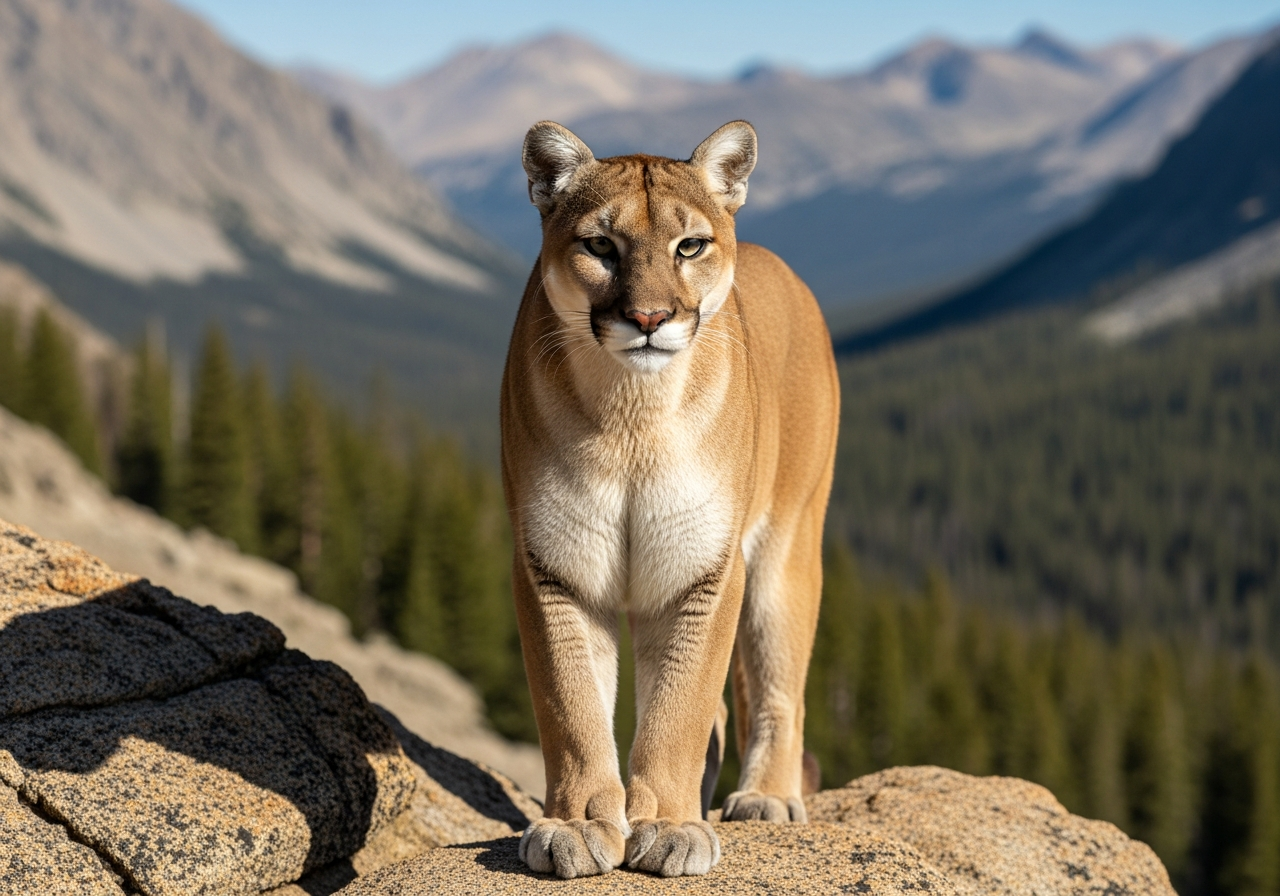
Mammal
The wide-ranging big cat with many names
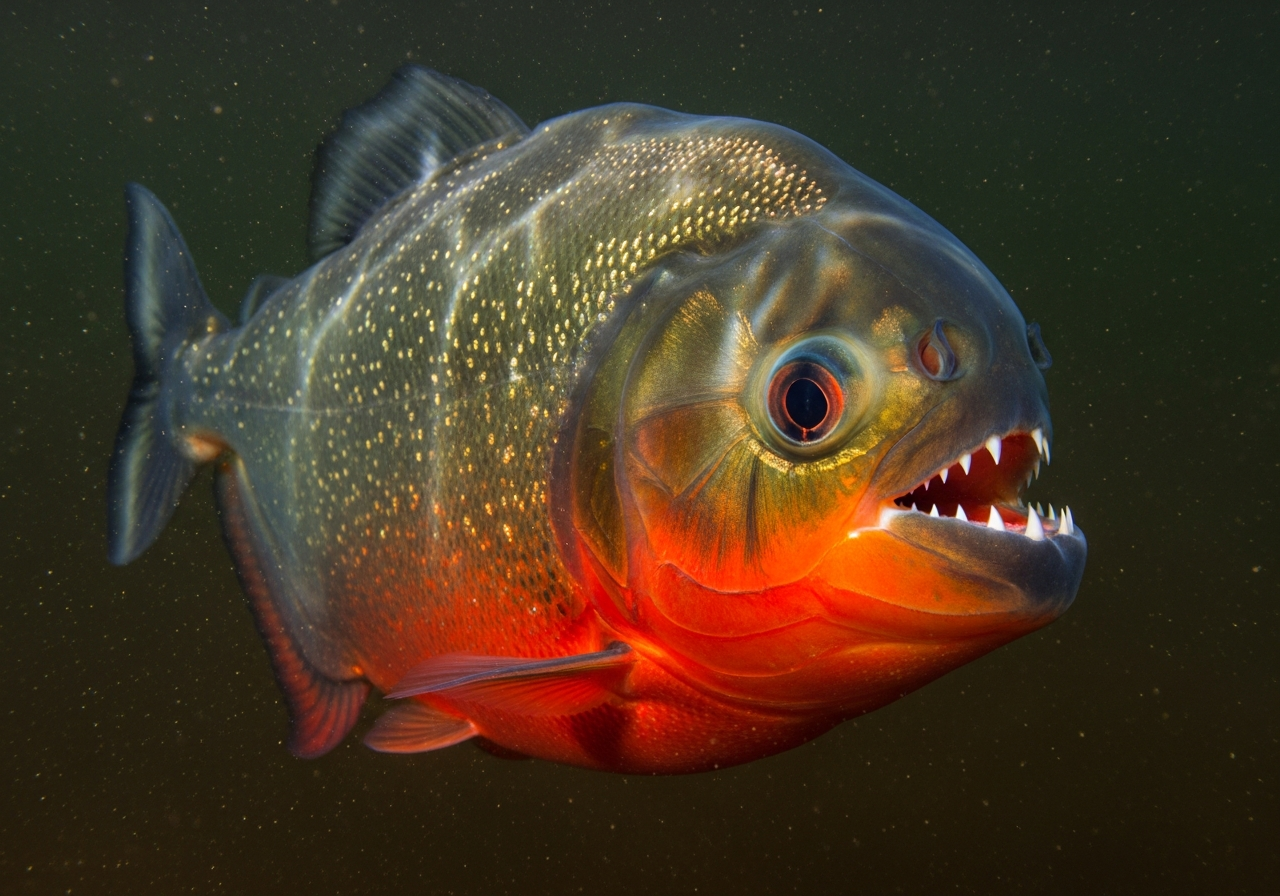
Fish
The sharp-toothed fish of the Amazon
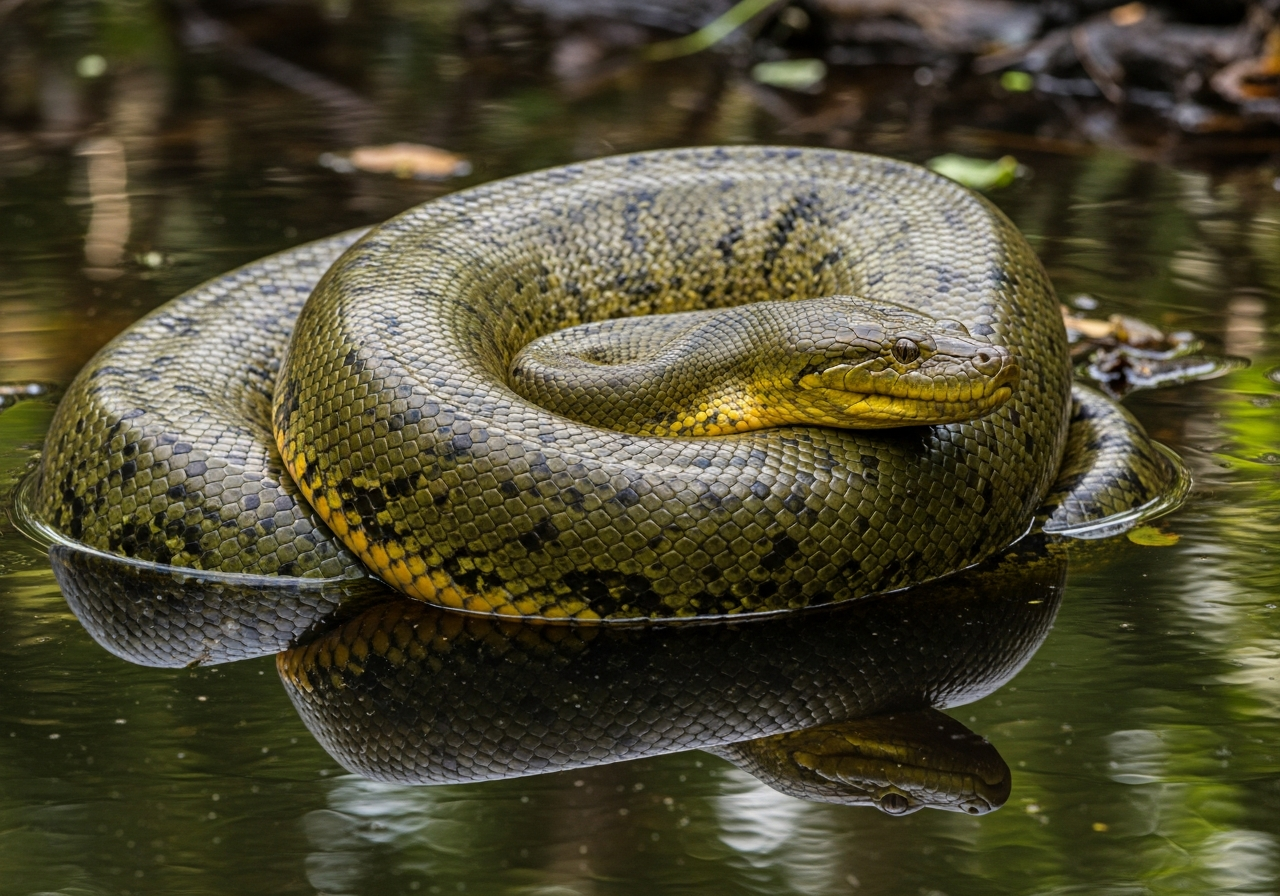
Reptile
The heaviest snake in the world
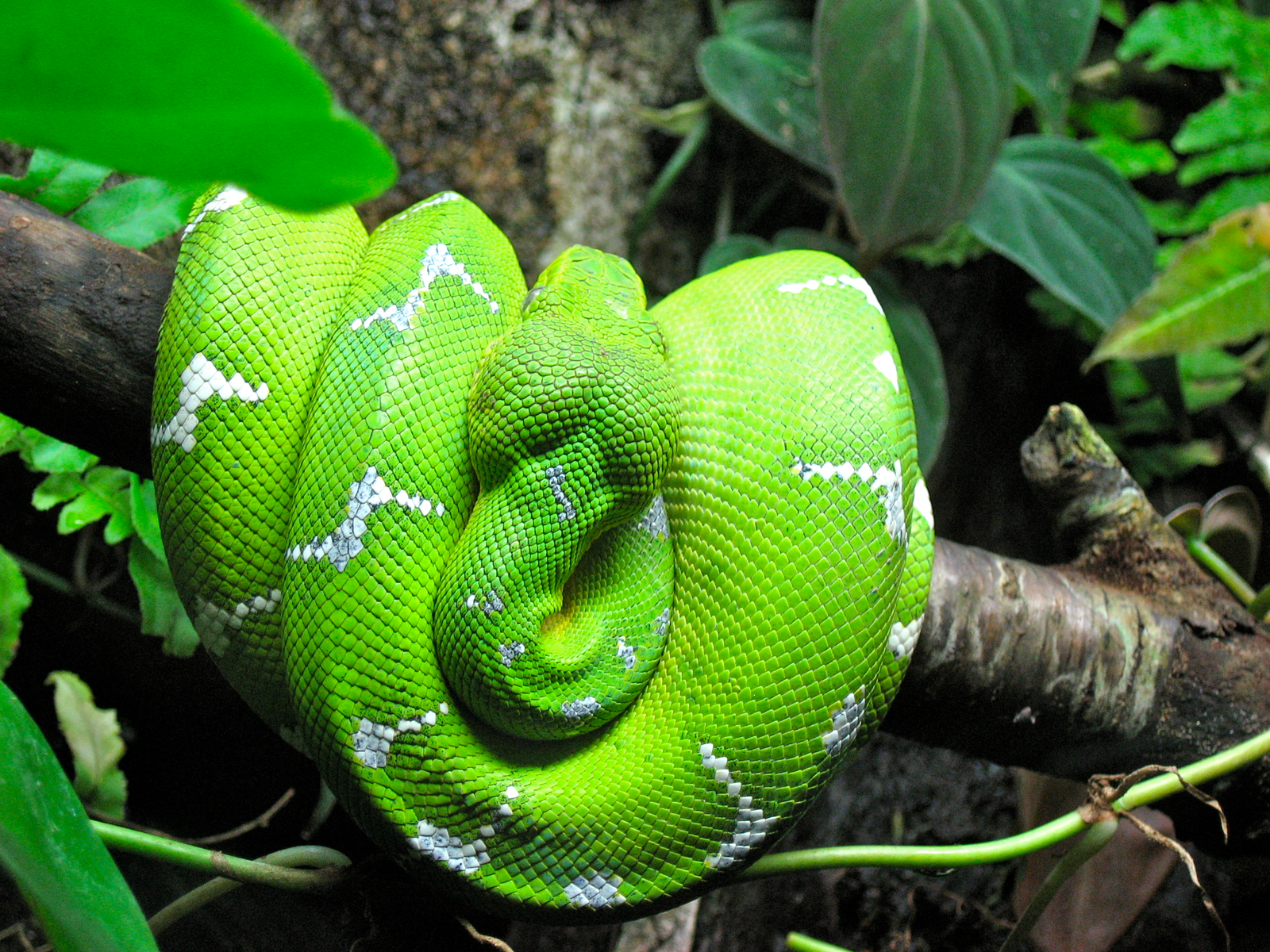
Reptile
Emerald coil of the Amazon canopy
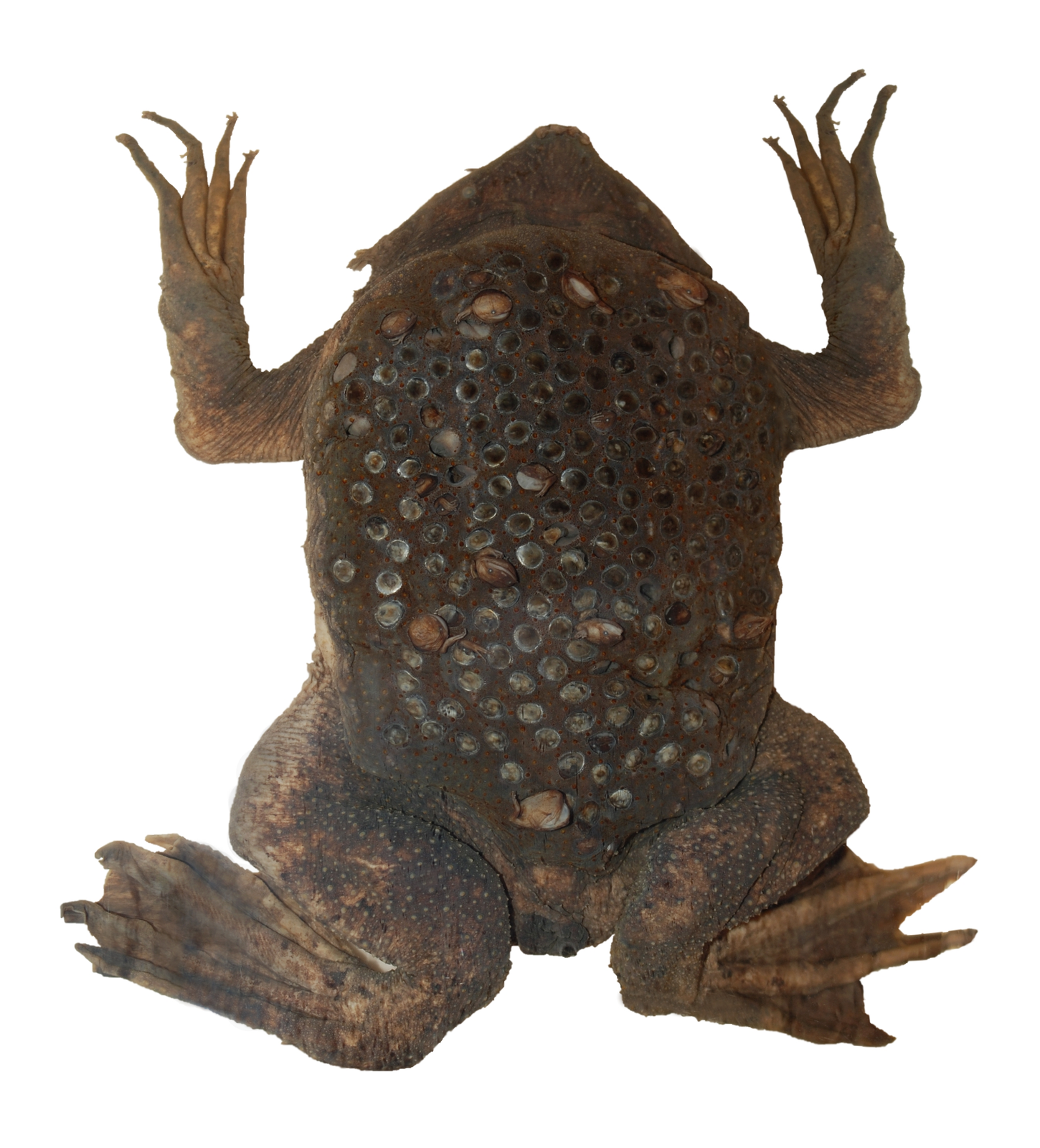
Amphibian
Flat frog that grows babies in its back
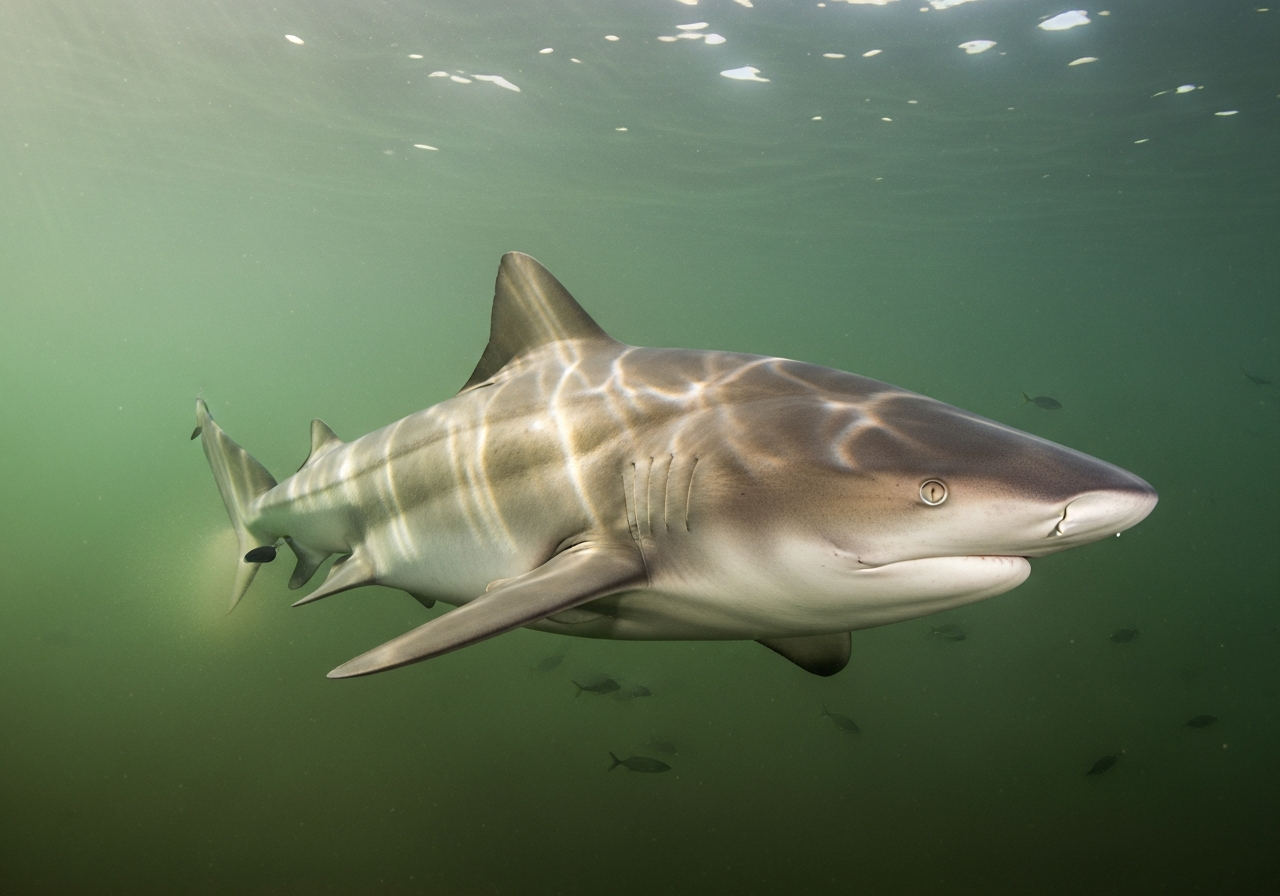
Fish
The shark that swims into freshwater
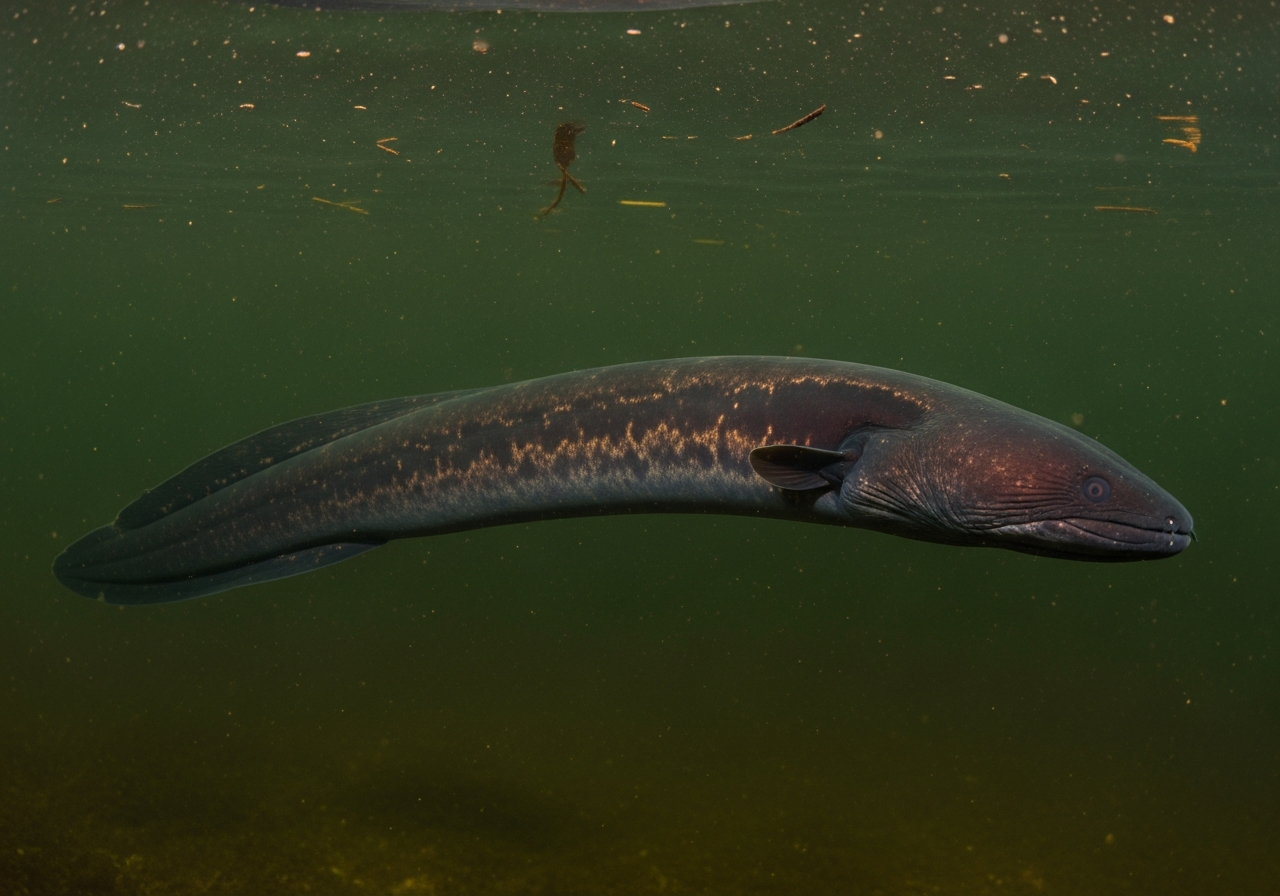
Fish
The fish that generates powerful electric shocks
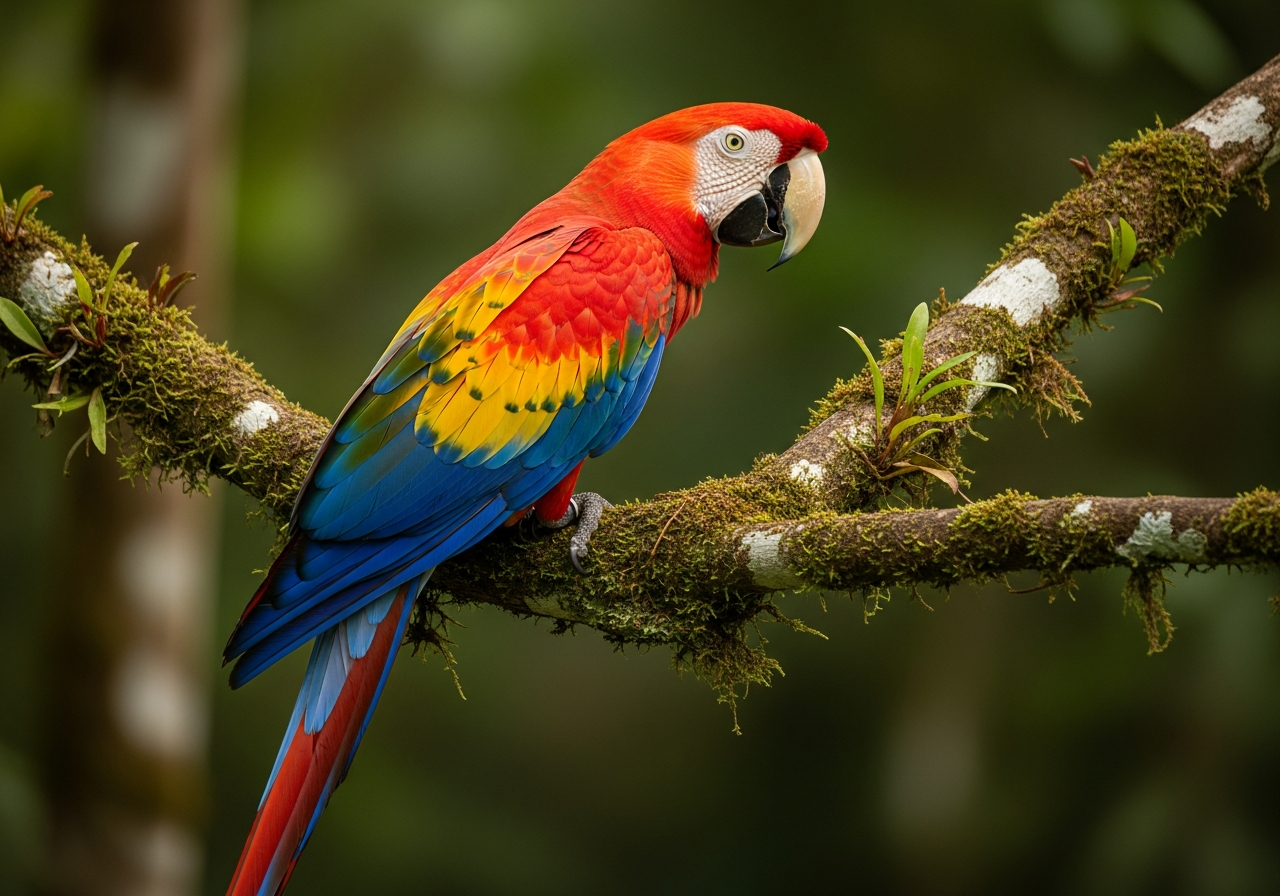
Bird
The brilliant red parrot of the rainforest
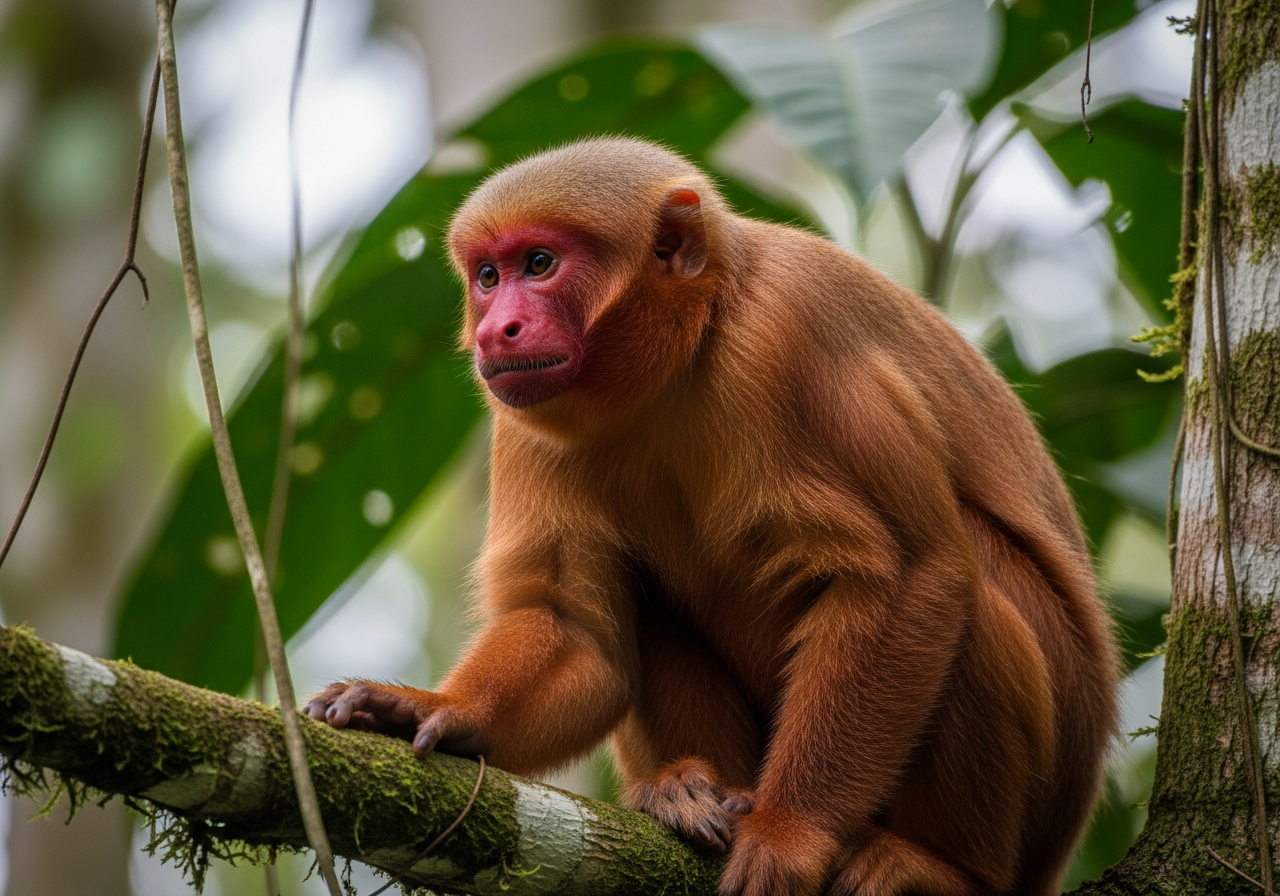
Mammal
The crimson-faced monkey of the flooded Amazon
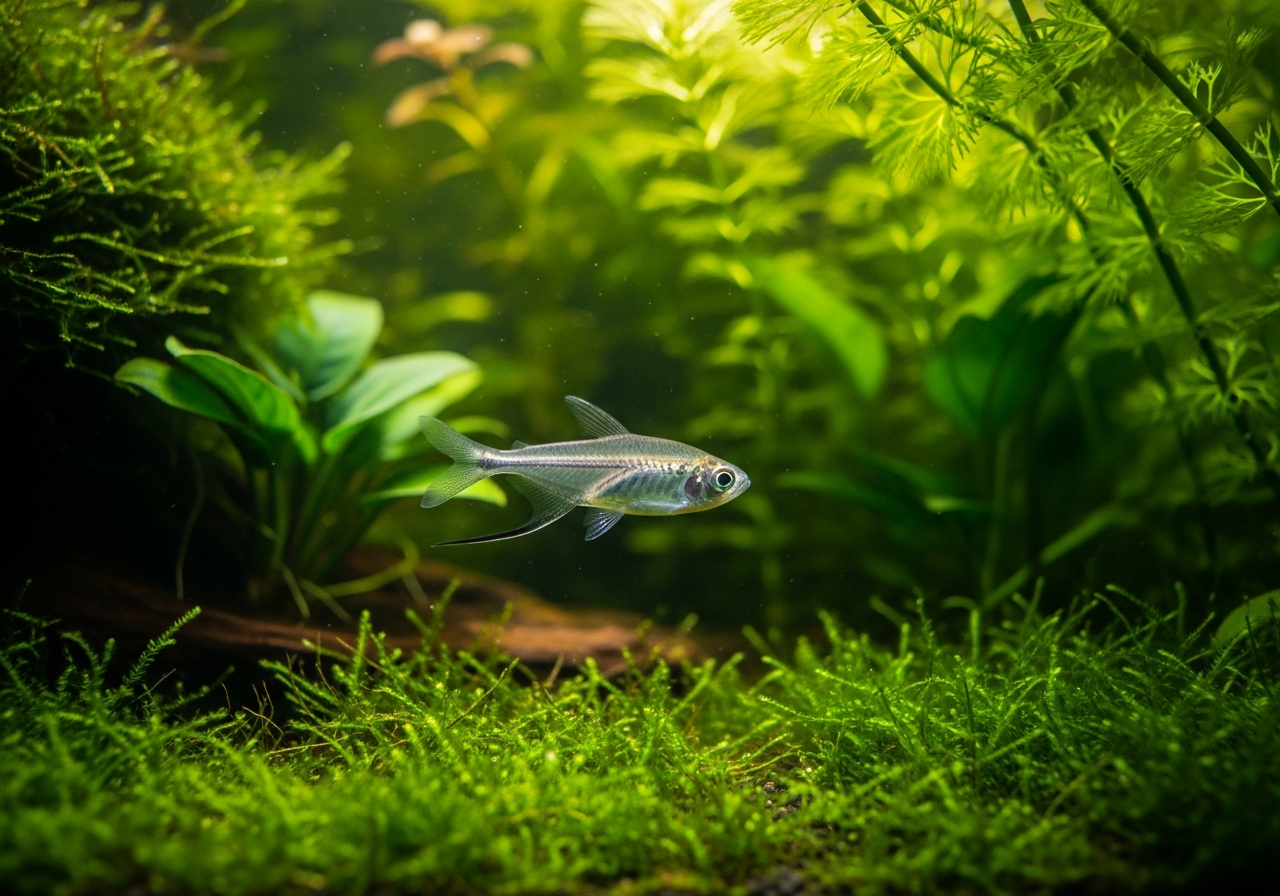
Fish
The see-through fish of the Amazon
Peru is home to 28 species in our guide, including Common Squirrel Monkey, Scarlet Macaw, Nurse Shark, Guinea Pig, Andean Condor, and more. Each profile covers habitat, diet, and conservation status.
Browse the species below for answer-first guides with range maps, FAQs, and comparison pages. For broader context, see our Animals of South America region page.
Several species native to Peru are listed as Vulnerable, Endangered, or Critically Endangered on the IUCN Red List. Check individual profiles for current status and how to help.