Image sourcing: see credits & licences
The nurse shark (Ginglymostoma cirratum) is a cartilaginous fish of the family Ginglymostomatidae, in the order Orectolobiformes.
Quick answer
The nurse shark is a slow-moving, bottom-dwelling shark of warm Atlantic and eastern Pacific coral reefs and sand flats. Reaching about 3 metres long and up to around 100 kg, it is known for its docile nature and habit of resting motionless on the seabed by day. It feeds at night on fish, crustaceans, molluscs, and stingrays, using powerful suction to draw prey from crevices. Nurse sharks live 20 to 25 years and are listed as Vulnerable by the IUCN.
Top questions about the Nurse Shark
Also available in Español (Tiburón nodriza)
Nurse Shark facts at a glance
- Weight 100 kg
- Length 3 m
- Top speed 40 km/h
- Lifespan 25 years
| Scientific name | Ginglymostoma cirratum |
|---|---|
| Diet | Carnivore — fish, crustaceans, molluscs, and stingrays |
| Habitat | Warm Atlantic and eastern Pacific coral reefs and sand flats |
| Lifespan | 20–25 years in the wild |
| Weight | 75–110 kg (165–240 lb); max about 150 kg |
| Top speed | Up to 40 km/h (25 mph) in short bursts |
| Conservation status | Vulnerable (IUCN) |
| Kingdom | Animalia |
|---|---|
| Phylum | Chordata |
| Class | Chondrichthyes |
| Order | Orectolobiformes |
| Family | Ginglymostomatidae |
| Genus | Ginglymostoma |
Where it lives
The nurse shark (Ginglymostoma cirratum) is native to Warm Atlantic from Rhode Island to southern Brazil and West Africa; eastern Pacific from Baja to Peru. — recorded across Africa, North America, South America in this guide’s range summary.
For occurrence records, see GBIF species search and sources below.
How big is a nurse shark?
An adult nurse shark measures 3 m long — about 1.7× the height of an average adult person (1.73 m) — and weighs around 100 kg, about 1.4× an average adult’s body weight (70 kg).
Length vs an average adult’s height (to scale)
What is a group of nurse sharks called?
Group name (collective noun)
A group of Nurse Sharks is called a shiver.
Baby name
A baby Nurse Shark is called a pup.
Explore more animal collective nouns and baby animal names .
Appearance and identification
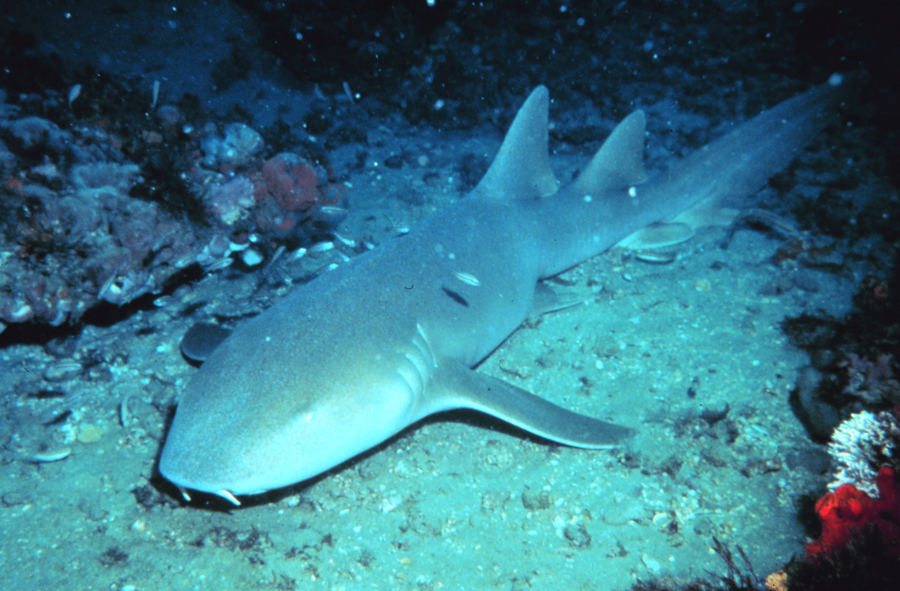
The nurse shark has a broad, flattened head, a rounded body, and a long tail that can make up much of its total length of around 3 metres. Its colour is usually a plain yellowish-brown to grey-brown, helping it blend with sandy and reef bottoms. Two distinctive barbels hang below the snout, fleshy whisker-like organs it uses to taste and feel for hidden prey. Large adults can weigh up to about 100 kg, and exceptional individuals reach roughly 150 kg.
Habitat and range
Nurse sharks live in warm, shallow waters of the western and eastern Atlantic and the eastern Pacific, favouring coral reefs, rocky ledges, and sand flats. They are strongly associated with the seabed and are rarely found far from the bottom. By day they often gather in groups, resting in caves, under ledges, or piled together on the sand. Their preference for shallow inshore waters brings them into regular contact with divers and snorkellers.
Feeding and hunting
Nurse sharks are nocturnal carnivores that hunt after dark for fish, crustaceans, molluscs, and stingrays. Rather than chasing prey, they use a powerful, rapid suction to vacuum animals out of crevices and from beneath the sand. Their small mouths and rows of tightly packed, crushing teeth are well suited to breaking open hard-shelled prey such as crabs and conch. During the day they mostly rest and digest, conserving energy for the night's foraging.
Behaviour and movement
Despite their size, nurse sharks are among the most sluggish and docile of sharks, spending much of the day lying still on the seabed. When they do swim, they move with slow, sinuous beats of the tail and can put on a burst of up to 40 km/h if threatened. Unlike many sharks, they can pump water over their gills while stationary, so they do not need to keep swimming to breathe. This ability is what allows them to rest motionless for long periods.
Reproduction and life cycle
Nurse sharks are ovoviviparous, meaning the eggs hatch inside the mother and she gives birth to live, fully formed pups. Litters can number around 20 to 30 young after a gestation of roughly six months. The pups are independent from birth and shelter among reefs and seagrass to avoid predators. Nurse sharks grow slowly and are long-lived, reaching 20 to 25 years in the wild.
Conservation and threats
The nurse shark is listed as Vulnerable by the IUCN, with numbers declining in several parts of its range. Its shallow, inshore habits make it easy to catch, and it is taken for its meat, fins, and skin, as well as being caught accidentally in other fisheries. Coastal development and reef damage further reduce the habitats it depends on. Its slow growth and modest litter sizes mean populations recover only slowly once depleted.
Dig deeper into the Nurse Shark
- Are Nurse Sharks Endangered?
Are nurse sharks endangered? Status Vulnerable, main threats, and what protection means.
- How Long Do Nurse Sharks Live?
Nurse Shark lifespan is typically 20–25 years in the wild. What shortens or extends life, life stages, and status (Vulnerable).
- Nurse Shark: Key Facts
Nurse sharks rest in piles on tropical seafloors by day and suck prey from crevices at night, weighing about 100 kg and living 25 years.
- What Do Nurse Sharks Eat?
What nurse sharks eat: Carnivore — fish, crustaceans, molluscs, and stingrays, foraging style, and seasonal shifts in Warm Atlantic and eastern Pacific coral reefs and sand flats.
- Where Do Nurse Sharks Live?
Where nurse sharks live: Warm Atlantic and eastern Pacific coral reefs and sand flats, native range cues, and human overlap. Status Vulnerable.
Explore the Nurse Shark
Close relatives
- Whale Shark Same order
- Great White Shark Same class
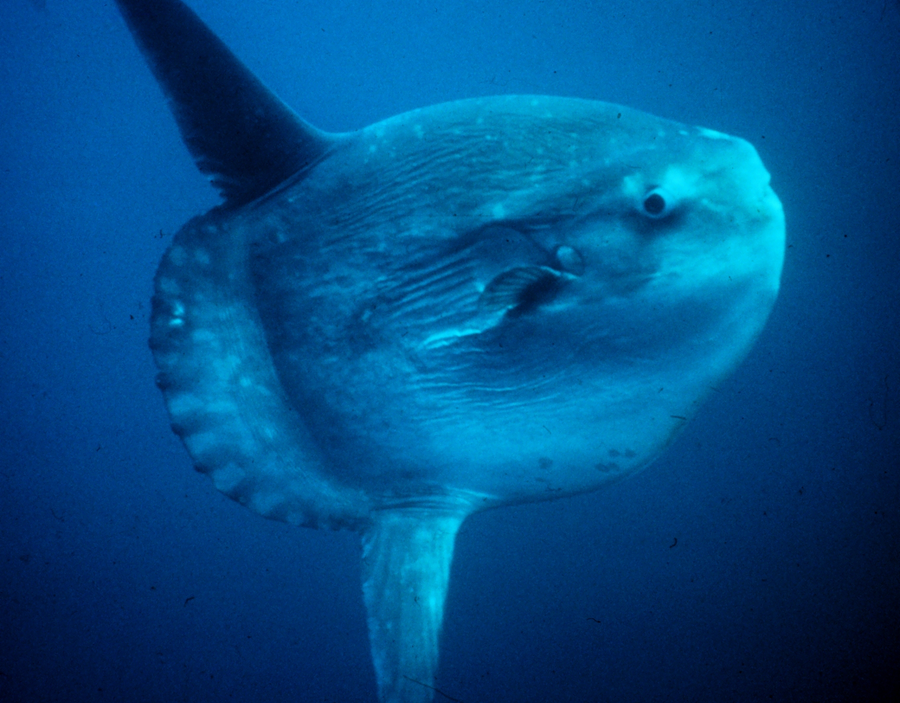
- Ocean Sunfish Same class
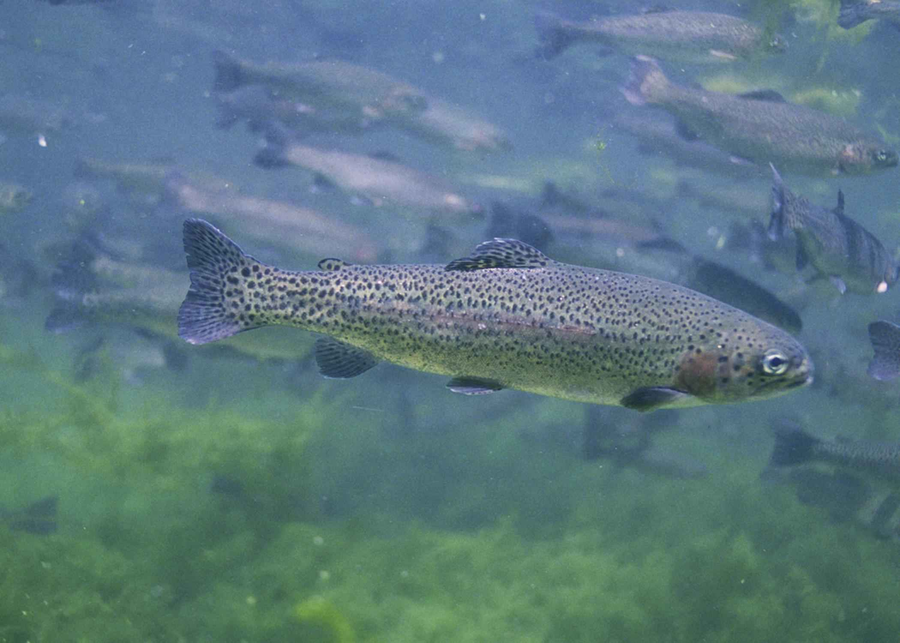
- Rainbow Trout Same class
Collections
Did you know? Nurse Shark facts
- Nurse sharks rest in piles on tropical seafloors by day and suck prey from crevices at night.
- Bites are rare and usually when stepped on or harassed.
- Possibly from 'nurs' sound or archaic 'hurse' for sea floor — uncertain etymology.
- Conservation: Vulnerable.
Diet & feeding
Nurse Shark feeds primarily as a fish, crustaceans, molluscs. Strong pharyngeal muscles create vacuum to pull prey from holes.
Adaptations
- Strong pharyngeal muscles create vacuum to pull prey from holes.
- Groups pile under ledges — a favourite sight for snorkelers.
Behaviour & ecology
- Strong pharyngeal muscles create vacuum to pull prey from holes.
- Groups pile under ledges — a favourite sight for snorkelers.
Communication
- Lateral-line and visual cues coordinate schooling, courtship, or territorial behaviour.
- Some species produce low-frequency sounds or drumming for spawning or defence.
Habitat & range
Warm Atlantic and eastern Pacific reefs
Ecological role
Nurse Shark occupies a defined trophic level in aquatic food webs, linking plankton or smaller fish to larger predators.
Conservation status of the Nurse Shark
The nurse shark (Ginglymostoma cirratum) is listed as Vulnerable on the IUCN Red List. Vulnerable (VU) means a species faces a high risk of extinction in the medium-term future. It is the lowest-risk of the three 'threatened' IUCN categories — one step below Endangered, which is itself below Critically Endangered — and is often an early warning that a population is in trouble.
The nurse shark (Ginglymostoma cirratum) is assessed on the IUCN Red List. Look up on the IUCN Red List .
Frequently asked questions about the Nurse Shark
Are nurse sharks dangerous to humans?
Nurse sharks are generally docile and pose little threat to people, and they are among the calmest of sharks. Bites are rare and almost always the result of a shark being grabbed, stepped on, or otherwise provoked, as they have strong jaws and can clamp down hard if disturbed.
What do nurse sharks eat?
Nurse sharks are carnivores that feed at night on fish, crustaceans, molluscs, and stingrays. They use powerful suction to draw prey out of crevices and from under the sand, and their crushing teeth are ideal for breaking open hard-shelled animals such as crabs and conch.
How big do nurse sharks get?
Adult nurse sharks reach about 3 metres in length and commonly weigh up to around 100 kg, with the largest individuals reaching roughly 150 kg. Much of their length is made up of a long tail.
Why do nurse sharks lie still on the bottom?
Nurse sharks are nocturnal and rest on the seabed during the day to conserve energy for night-time hunting. Unlike many sharks, they can actively pump water over their gills while stationary, so they do not need to keep swimming to breathe and can lie motionless for long periods.
How long do nurse sharks live?
Nurse sharks are long-lived, reaching 20 to 25 years in the wild. They grow slowly and mature relatively late, which is part of why their populations are slow to recover from overfishing.
Are nurse sharks endangered?
Nurse sharks are listed as Vulnerable by the IUCN, meaning they face a real risk of decline in the wild. Their shallow, inshore habits make them easy to catch, and slow growth combined with fishing pressure and habitat loss has reduced numbers in several regions.
What is a group of nurse sharks called?
A group of Nurse Sharks is called a shiver.
What is a baby nurse shark called?
A baby Nurse Shark is called a pup.
Sources & references
This guide is compiled and reviewed against established zoological and conservation references. Key sources for the Nurse Shark:
-
IUCN Red List of Threatened Species
Conservation status (Vulnerable) reflects the IUCN Red List category for Ginglymostoma cirratum.
-
iNaturalist — observations & photos
Search citizen-science observations and community IDs for Ginglymostoma cirratum. Useful for range checks and recent sightings — not a substitute for formal Red List status.
-
GBIF — occurrence data
Global Biodiversity Information Facility species search for Ginglymostoma cirratum. Explore published occurrence records used in range research.
- IUCN Red List — Ginglymostoma cirratum.
Conservation status (Vulnerable) and population trends.
- Animal Diversity Web — Ginglymostoma cirratum. University of Michigan Museum of Zoology.
Life history, morphology, and range.
-
Global Animal Guide editorial standards
How we research, source, review, and update every guide for accuracy.