The adder (Vipera berus) is a reptile of the viper family, Viperidae, in the order Squamata.
Quick answer
The adder (Vipera berus) is Britain's only venomous snake, a stocky viper of heathland, moorland, woodland edges, and dunes across Europe and into Asia. It grows to about 60 to 90 cm and roughly 100 g, and is recognised by the dark zigzag stripe down its back. It slithers out to bask and hunt small mammals, lizards, and frogs. Its bite is venomous but rarely fatal, and adders live 10 to 15 years.
Top questions about the Adder
Adder facts at a glance
- Weight 100 g
- Length 80 cm
- Top speed 8 km/h
- Lifespan 15 years
| Scientific name | Vipera berus |
|---|---|
| Diet | Carnivore (small mammals, lizards, frogs) |
| Habitat | Heathland, moorland, woodland edges, dunes |
| Lifespan | 10–15 years |
| Length | 60–90 cm (24–35 in) |
| Venom | Venomous; bites rarely fatal to humans |
| Conservation status | Least Concern (IUCN) |
| Kingdom | Animalia |
|---|---|
| Phylum | Chordata |
| Class | Reptilia |
| Order | Squamata |
| Family | Viperidae |
| Genus | Vipera |
Where it lives
The adder (Vipera berus) is native to Heathland, moorland, and woodland across Europe and into East Asia, reaching within the Arctic Circle; the UK's only native venomous snake. — recorded across Europe, Asia in this guide’s range summary.
For occurrence records, see GBIF species search and sources below.
How big is a adder?
An adult adder measures 80 cm long — about 46% of the height of an average adult person (1.73 m) — and weighs around 100 g, a small fraction of an average adult’s body weight (70 kg).
Length vs an average adult’s height (to scale)
What is a group of adders called?
Group name (collective noun)
A group of Adders is called a nest. It is also known as a pit or a bed.
Baby name
A baby Adder is called a snakelet.
Explore more animal collective nouns and baby animal names .
Appearance and identification
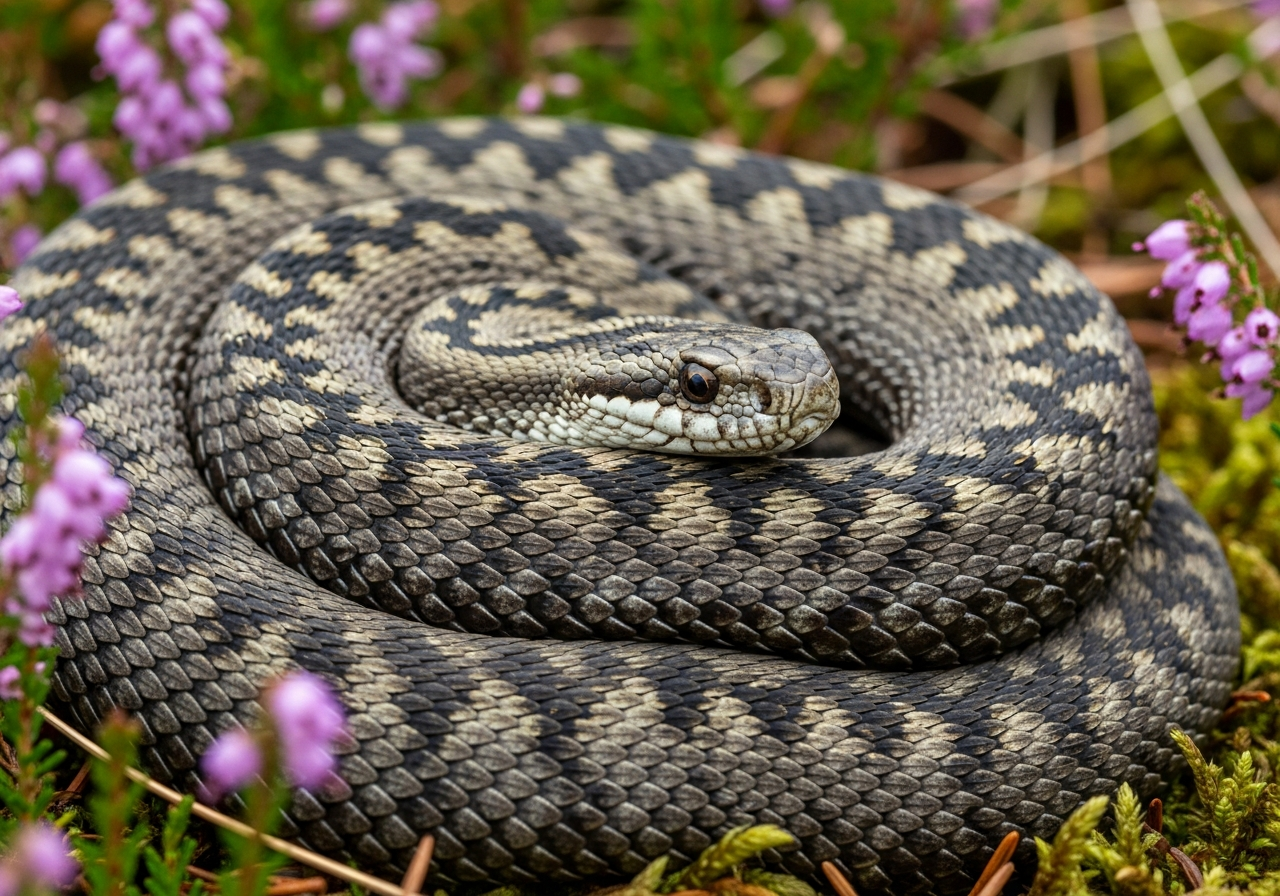
The adder is a short, thick-set snake, usually 60 to 90 cm long and about 100 g, with a distinctive dark zigzag stripe running the length of its back. Colours range from silvery-grey in many males to reddish-brown in females, and some individuals are entirely black. A V or X marking often shows on the head, and the eyes have vertical, cat-like pupils typical of vipers. This bold dorsal pattern makes the adder one of Britain's most recognisable reptiles.
Venom and its bite
As a true viper, the adder has hinged fangs that fold back against the roof of the mouth and swing forward to inject venom in a rapid strike. The venom is designed to subdue small prey and is only mildly dangerous to humans; bites cause pain and swelling but are very rarely fatal. Most bites occur when a snake is trodden on or handled, and it will always try to escape first. Anyone bitten should seek medical advice, as reactions can occasionally be severe.
Diet and hunting
The adder is a carnivore that preys on small mammals such as voles and mice, along with lizards, frogs, and nestling birds. It hunts by ambush, striking prey with a venomous bite and then following the scent trail until the animal succumbs. After swallowing prey whole it may rest for days to digest. Young adders take smaller fare, including insects and slow-worms, until they are large enough for bigger prey.
Habitat and behaviour
Adders favour open, sunny habitats including heathland, moorland, woodland edges, and coastal dunes across much of Europe and into Asia. Being cold-blooded, they rely on the sun and are often seen basking on banks or paths in spring to warm up. They are shy and secretive, quick to slither away into cover at the first sign of disturbance. Over winter they hibernate communally in sheltered spots, emerging around March to bask and breed.
Reproduction and lifespan
Adders mate in spring, when males perform a swaying "dance" as they wrestle rivals for access to females. Females give birth to live young in late summer, producing a litter of roughly three to twenty, rather than laying eggs. This ability to incubate young inside the body helps the species breed successfully in cool northern climates. Adders can live 10 to 15 years, though females often breed only every two or three years.
Conservation status
Globally the adder is listed as Least Concern by the IUCN, but in Britain many local populations are declining and fragmented. Loss and disturbance of heathland, intensive land use, and the isolation of small colonies are the main pressures. In the UK the species is legally protected against being killed or injured. Sympathetic habitat management and the linking of isolated sites are key to reversing local declines.
Dig deeper into the Adder
- Adder: Key Facts
Adders (Vipera berus) are reptiles found across Europe, Asia. Britain's only venomous snake.
- How Long Do Adders Live?
Adder lifespan is typically 10–15 years. What shortens or extends life, life stages, and status (Least Concern).
- What Do Adders Eat?
What adders eat: Carnivore (small mammals, lizards, frogs), foraging style, and seasonal shifts in Heathland, moorland, woodland edges, dunes.
- Where Do Adders Live?
Where adders live: Heathland, moorland, woodland edges, dunes, native range cues, and human overlap. Status Least Concern.
Explore the Adder
Close relatives
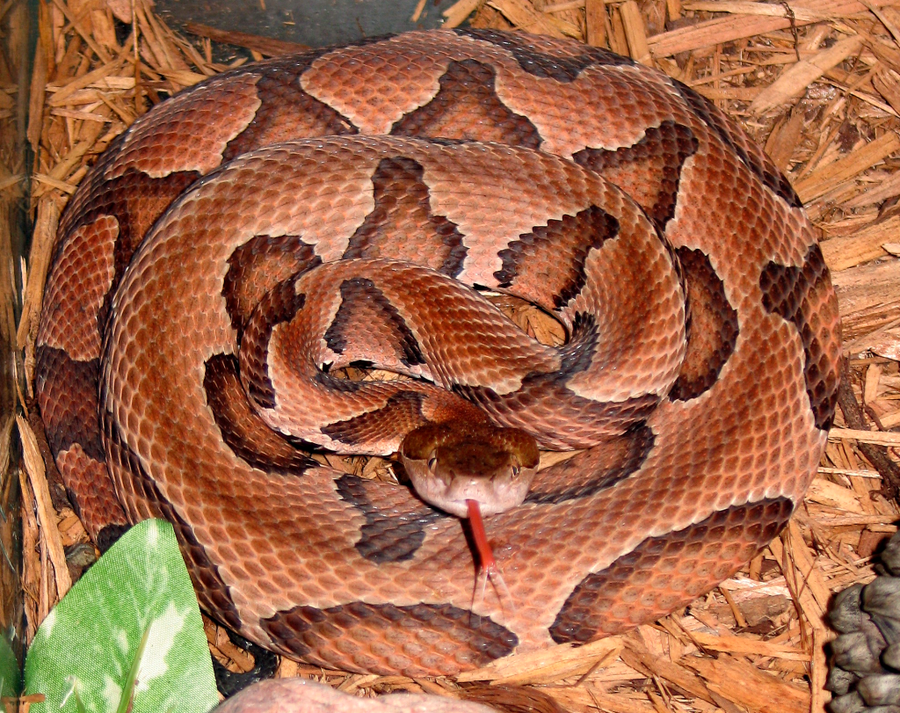
- Copperhead Same family
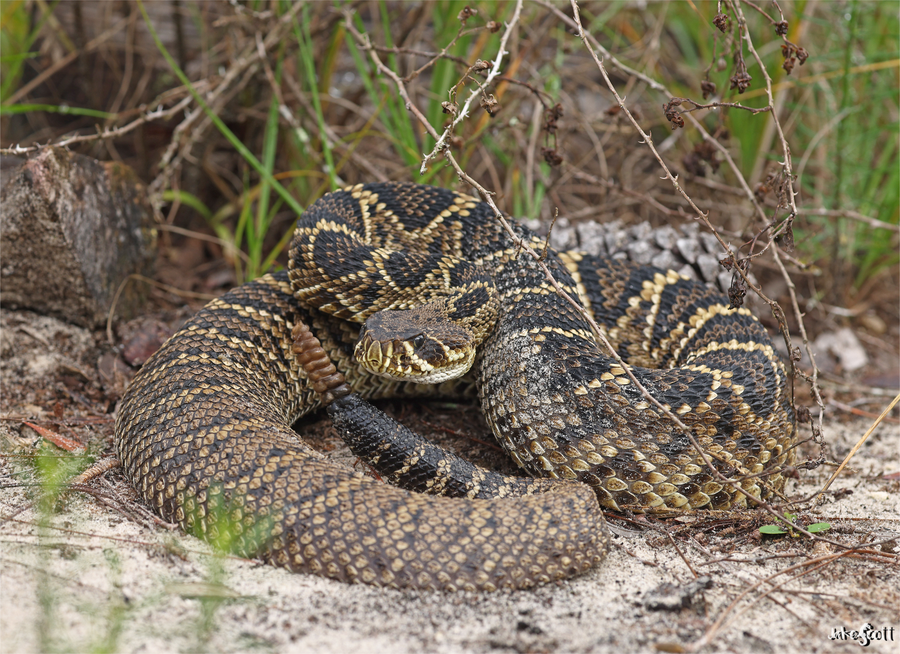
- Eastern Diamondback Rattlesnake Same family
- Puff Adder Same family
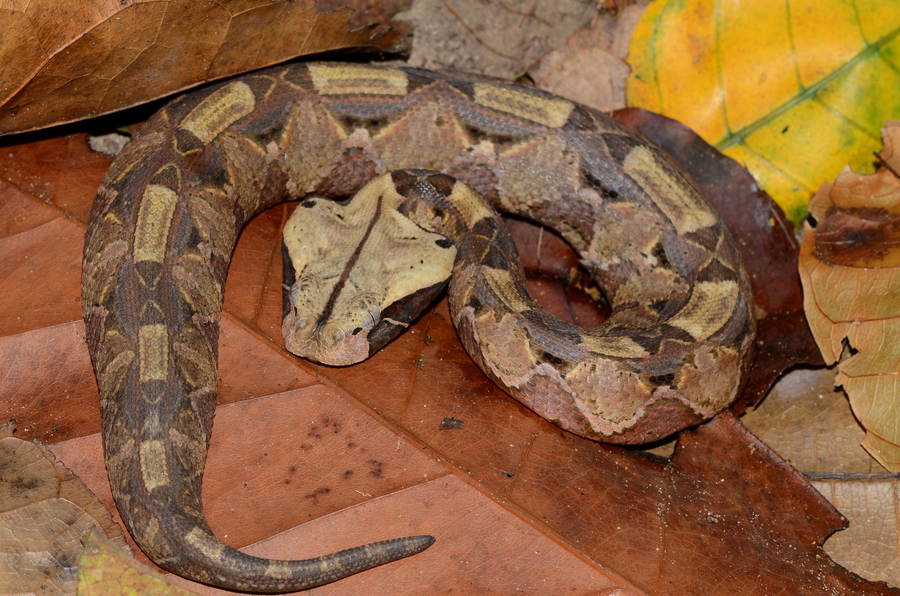
- Gaboon Viper Same family
Range & geography
Did you know? Adder facts
- The adder, or common European viper, is the United Kingdom's only venomous snake, recognised by the bold dark zigzag stripe running down its back.
- Adders are venomous but not aggressive, and they bite people only in self-defence. Bites are painful and need medical attention, but they are very rarely fatal to healthy adults; children, older people, and pets are most at risk.
- Adders have a bold dark zigzag stripe down the back, dark side spots, and a 'V' or 'X' mark on the head, over a grey, brown, or reddish body. Some are all black, and they have red eyes with vertical pupils.
- Adders favour heathland, moorland, woodland edges, and coastal dunes across Europe and Asia. They are the only venomous snake native to Britain and range farther north than any other snake.
- Adders are carnivores that ambush small mammals such as voles and mice, as well as lizards, frogs, and ground-nesting birds' eggs and chicks. They use venom to subdue prey and swallow it whole.
- Conservation: Least Concern (IUCN).
Diet & feeding
Adder feeds primarily as a carnivore (small mammals, lizards, frogs). The adder is venomous, but it is a shy snake that bites people only when trodden on, cornered, or handled. Its venom is designed to immobilise small prey, and serious harm to a healthy adult is rare — most bites cause pain and swelling rather than la
Adaptations
- The adder is venomous, but it is a shy snake that bites people only when trodden on, cornered, or handled. Its venom is designed to immobilise small prey, and serious harm to a healthy adult is rare — most bites cause pain and swelling rather than lasting injury. All bites should still be treated as a medical emergency, as reactions vary; children, older people, and pets are most at risk, and antivenom is available where needed.
- Adders are unmistakable thanks to the dark zigzag band along the back and a row of dark spots down the sides, set against a grey, brown, or reddish ground colour; some individuals are entirely black. There is usually a dark 'V' or 'X' mark on the head and red eyes with vertical pupils. Males tend to be greyer and females browner, and the species is relatively stocky for its modest length.
Behaviour & ecology
- The adder is venomous, but it is a shy snake that bites people only when trodden on, cornered, or handled. Its venom is designed to immobilise small prey, and serious harm to a healthy adult is rare — most bites cause pain and swelling rather than lasting injury. All bites should still be treated as a medical emergency, as reactions vary; children, older people, and pets are most at risk, and antivenom is available where needed.
- Adders are unmistakable thanks to the dark zigzag band along the back and a row of dark spots down the sides, set against a grey, brown, or reddish ground colour; some individuals are entirely black. There is usually a dark 'V' or 'X' mark on the head and red eyes with vertical pupils. Males tend to be greyer and females browner, and the species is relatively stocky for its modest length.
- Adders are ambush predators that feed on small mammals such as voles and mice, along with lizards, frogs, and the eggs and chicks of ground-nesting birds. They use venom to subdue prey, then track and swallow it whole. Cold-blooded and dependent on the sun, adders bask to warm up and hibernate through winter, often returning to the same communal sites year after year.
Communication
- Scent marking, body posture, and head-bobbing or tail signals communicate threat and dominance.
- Vocalisations are limited in many reptiles but hissing or bellowing occurs in some groups.
Habitat & range
Heathland, moorland, woodland edges, dunes
Ecological role
Adder acts as a predator that helps regulate prey populations and maintain balance in heathland, moorland, woodland edges, dunes.
Conservation status of the Adder
The adder (Vipera berus) is listed as Least Concern on the IUCN Red List. Least Concern (LC) is the IUCN's lowest-risk category, assigned to widespread, abundant species that have been evaluated and found not to be threatened. It does not mean a species faces no pressures — only that it is not currently at risk of extinction.
The adder (Vipera berus) is assessed on the IUCN Red List. Look up on the IUCN Red List .
Frequently asked questions about the Adder
How dangerous is an adder bite?
An adder bite is venomous but rarely dangerous; it causes pain and swelling and is very seldom fatal to a healthy adult. Anyone bitten should still seek medical advice, as some people react more strongly and children and pets are more vulnerable.
How do you identify an adder?
Look for a short, stocky snake 60 to 90 cm long with a dark zigzag stripe running down its back and vertical, cat-like pupils. Males are often silvery-grey and females reddish-brown, and a V or X mark frequently appears on the head.
What do adders eat?
Adders are carnivores that hunt small mammals such as voles and mice, as well as lizards, frogs, and nestling birds. They ambush prey with a venomous bite and then track it down before swallowing it whole.
Where do adders live?
They inhabit heathland, moorland, woodland edges, and coastal dunes across Europe and into Asia. As Britain's only venomous snake, the adder is often found basking in open, sunny spots in spring.
Do adders lay eggs?
No. Adders give birth to live young, with a female producing a litter of around three to twenty in late summer. Incubating the young inside the body helps them breed in cool northern climates.
How long do adders live?
Adders can live 10 to 15 years in the wild. Females often breed only once every two or three years, so populations recover slowly from losses.
What is a group of adders called?
A group of Adders is called a nest. It is also known as a pit or a bed.
What is a baby adder called?
A baby Adder is called a snakelet.
Sources & references
This guide is compiled and reviewed against established zoological and conservation references. Key sources for the Adder:
-
IUCN Red List of Threatened Species
Conservation status (Least Concern) reflects the IUCN Red List category for Vipera berus.
-
iNaturalist — observations & photos
Search citizen-science observations and community IDs for Vipera berus. Useful for range checks and recent sightings — not a substitute for formal Red List status.
-
GBIF — occurrence data
Global Biodiversity Information Facility species search for Vipera berus. Explore published occurrence records used in range research.
- IUCN Red List — Vipera berus.
Conservation status (Least Concern) and population trends.
- Animal Diversity Web — Vipera berus. University of Michigan Museum of Zoology.
Life history, morphology, and range.
- Wikipedia — Adder.
General taxonomy and overview (cross-check primary sources).
-
Global Animal Guide editorial standards
How we research, source, review, and update every guide for accuracy.