Quick answer
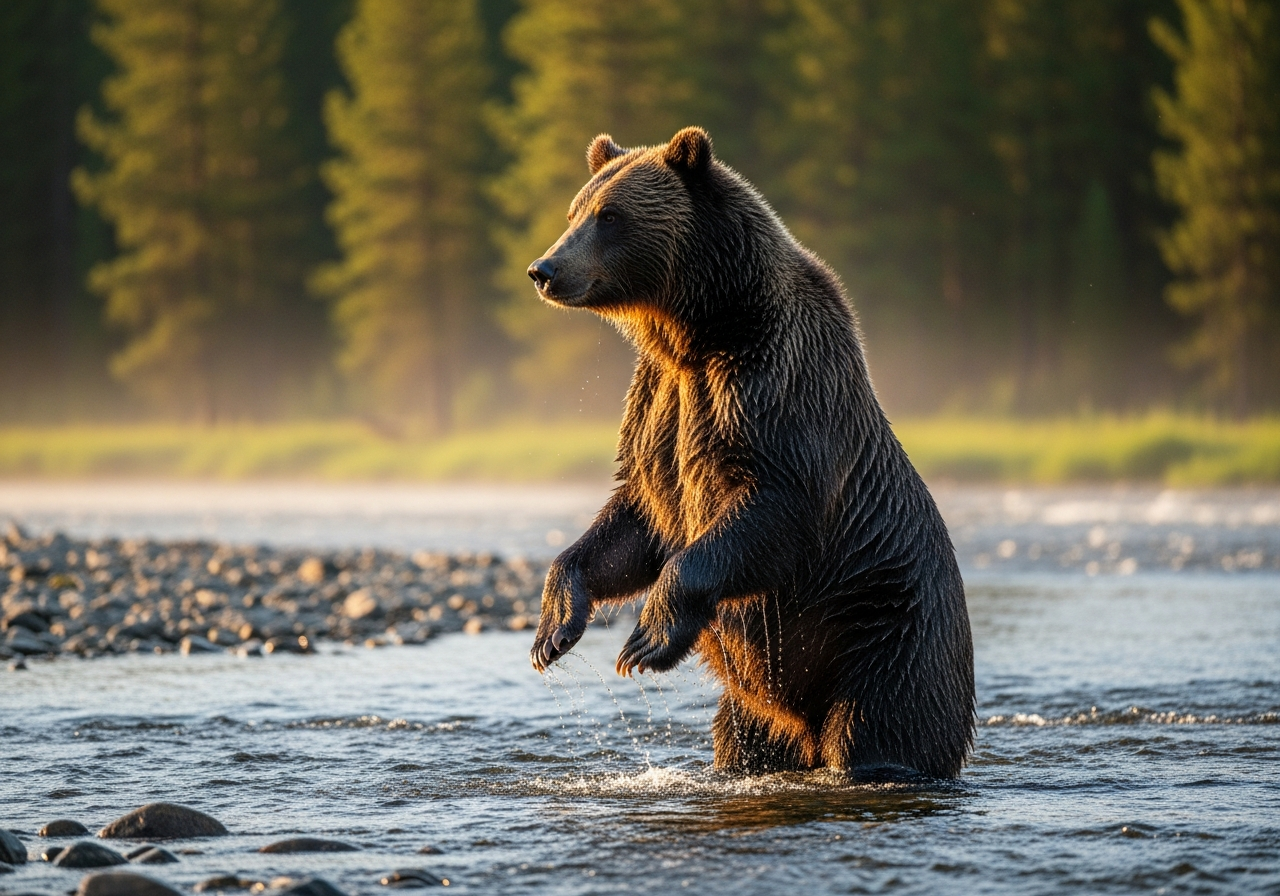
The grizzly bear is a large North American subspecies of brown bear, named for the grizzled, silver-tipped fur on its back. Grizzlies are powerful omnivores that can weigh up to 360 kg (800 lb), run as fast as 56 km/h (35 mph), and live around 20 to 25 years in the wild. They hibernate through winter in dens.
Key takeaway
The grizzly bear is a large North American subspecies of brown bear, named for the grizzled, silver-tipped fur on its back. Grizzlies are powerful omnivores that can weigh up to 360 kg (800 lb), run as fast as 56 km/h (35 mph), and live around 20 to 25 years in the wild. They hibernate through winter in dens.
Grizzly Bear overview
Grizzly Bear (Ursus arctos horribilis) is a mammal listed here as Least Concern. Typical weight 130–360 kg (290–800 lb); lifespan around 20–25 years in the wild.
Grizzly Bear ecology
Diet: Omnivore. Habitat: Forests, meadows, and mountains. Movement and social systems reflect those pressures across the native range.
Grizzly Bears and people
Learn before you travel or keep related pets. Wild grizzly bears are not toys; captive care needs species-specific husbandry.
Status and further reading
Conservation label in our guides: Least Concern. See the full Grizzly Bear profile for taxonomy, FAQs, and related topic guides on this site.
Power and the body
A grizzly is built for strength, with a distinctive shoulder hump of muscle that powers its digging and a bite strong enough to crush bone. Despite their bulk, grizzlies can sprint at 56 km/h (35 mph) over short distances, faster than any human, and they are strong swimmers and capable climbers when young.
Conservation
Brown bears as a whole are listed as Least Concern, but grizzlies were driven out of much of their former range in the lower United States. They survive today mainly in protected areas such as Yellowstone and the northern Rockies, and recovery efforts continue to manage human-bear conflict.
Sources
Grizzly Bear FAQs
What are key facts about grizzly bears?
The grizzly bear is a large North American subspecies of brown bear, named for the grizzled, silver-tipped fur on its back. Grizzlies are powerful omnivores that can weigh up to 360 kg (800 lb), run as fast as 56 km/h (35 mph), and live around 20 to 25 years in the wild. They hibernate through winter in dens.
What is the scientific name of the grizzly bear?
Ursus arctos horribilis — used in research and conservation listings for grizzly bears.
What do grizzly bears eat?
Grizzly Bears are described as omnivores, with seasonal and regional variation in Forests, meadows, and mountains.
Where do grizzly bears live?
They are associated with Forests, meadows, and mountains. Local presence depends on food, cover, and human land use.
What is the conservation status of grizzly bears?
Listed in our guides as Least Concern. Check the IUCN Red List and national assessments for the latest formal category.