Quick answer
Mountain Gorillas live in Montane and bamboo cloud forests at 2,200–4,300 m elevation. Within that range they pick microhabitats that supply cover, food (Herbivore — leaves, shoots, stems, fruit, and bark), water, and breeding sites — and they disappear where those features are lost.
Key takeaway
Mountain Gorillas live in Montane and bamboo cloud forests at 2,200–4,300 m elevation. Within that range they pick microhabitats that supply cover, food (Herbivore — leaves, shoots, stems, fruit, and bark), water, and breeding sites — and they disappear where those features are lost.
Mountain Gorilla native habitat
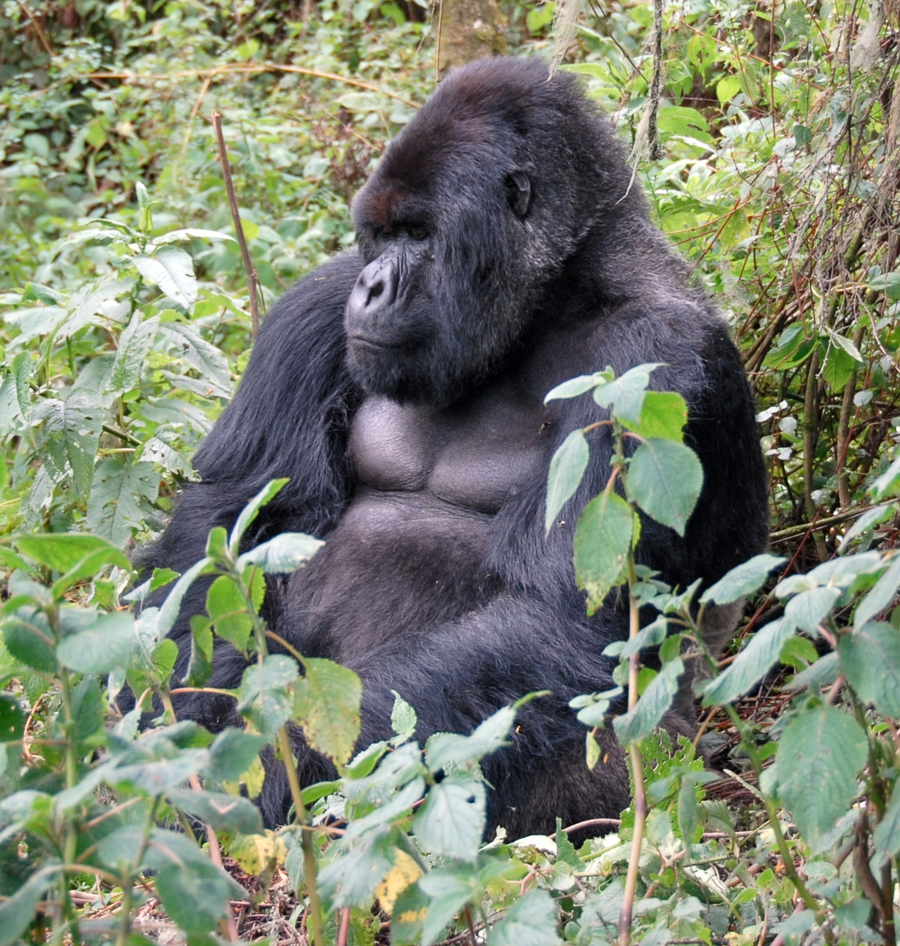
Mountain Gorillas (Gorilla beringei beringei) are tied to Montane and bamboo cloud forests at 2,200–4,300 m elevation. Look for sites that match their diet (Herbivore — leaves, shoots, stems, fruit, and bark) and movement style; seasonal rains or prey shifts can expand or shrink local occupancy.
Microhabitats mountain gorillas prefer
Cover for resting, access to food, and safe breeding sites decide day-to-day use. Edge habitats can help adaptable populations but fail specialists that need continuous wild land.
How people change Mountain Gorilla range
Farms, suburbs, and roads create opportunity for some individuals and lethal risk for others. Fragmentation without corridors isolates mountain gorilla groups and raises local extinction risk.
Conservation geography for mountain gorillas
Status in our guides: <strong>Endangered</strong>. Protecting linked habitat often beats a single fenced reserve. Watch from a distance and never feed wild mountain gorillas.
High-altitude foraging
Mountain gorillas spend much of the day eating bulky vegetation — wild celery, bamboo shoots, thistles, and nettles — requiring hours of continuous feeding to meet energy needs at cold elevations. They rarely drink standing water, obtaining moisture from plants.
Conservation turnaround
Famously studied by Dian Fossey, mountain gorillas fell to roughly 250 individuals in the 1980s from poaching, habitat loss, and war. Intensive anti-poaching patrols, veterinary care, and ecotourism revenue helped numbers recover past 1,000 — one of conservation's rare success stories.
Sources
Mountain Gorilla FAQs
Where do mountain gorillas live?
Mountain Gorillas live in Montane and bamboo cloud forests at 2,200–4,300 m elevation. Within that range they pick microhabitats that supply cover, food (Herbivore — leaves, shoots, stems, fruit, and bark), water, and breeding sites — and they disappear where those features are lost.
What is the scientific name of the mountain gorilla?
Gorilla beringei beringei — used in research and conservation listings for mountain gorillas.
What do mountain gorillas eat?
Mountain Gorillas eat leaves, shoots, stems, fruit, and bark, with seasonal and regional variation in Montane and bamboo cloud forests at 2,200–4,300 m elevation.
What is the conservation status of mountain gorillas?
Listed in our guides as Endangered. Check the IUCN Red List and national assessments for the latest formal category.