Quick answer
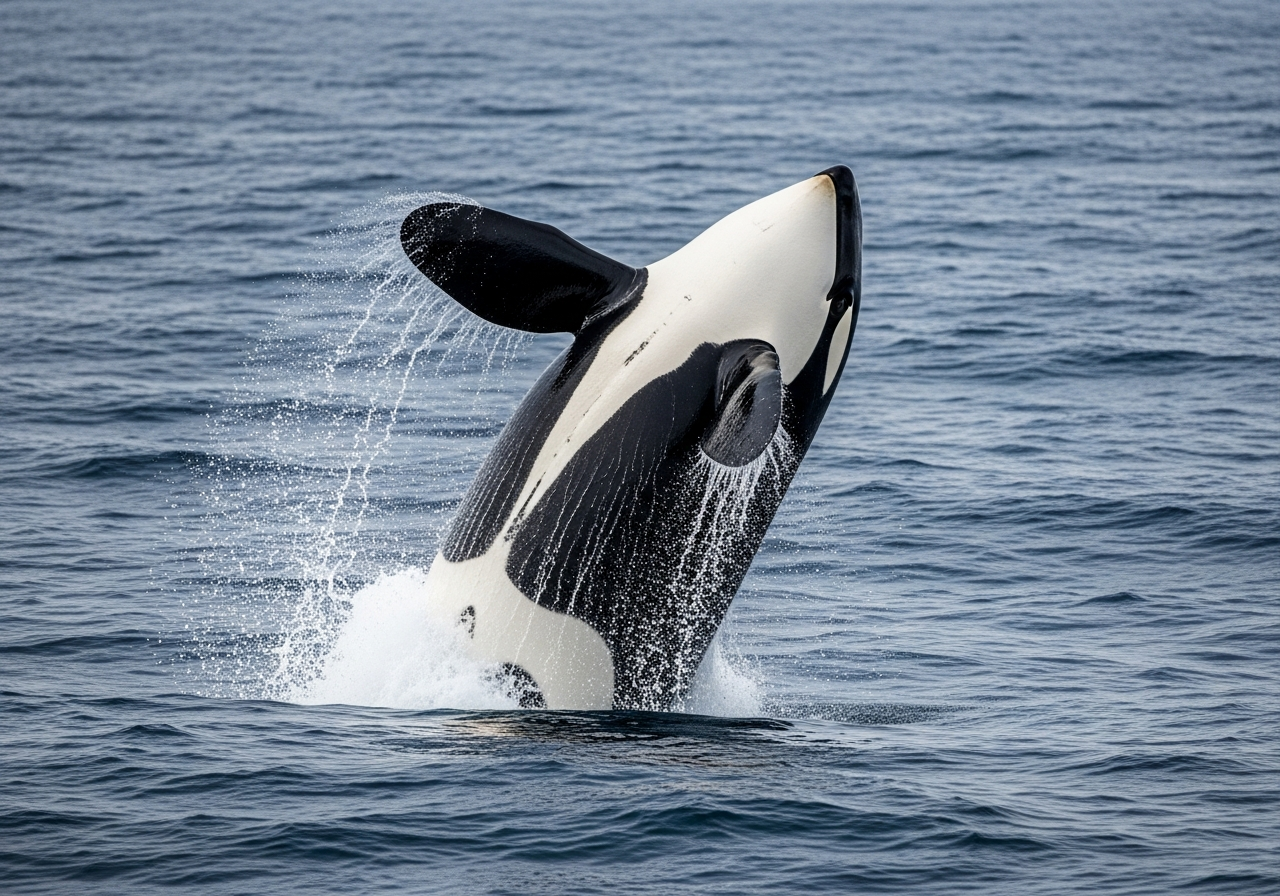
Orcas typically weigh around Up to 6,000 kg (13,000 lb), with length and height varying by sex and population. Size influences diet (Carnivore), home range, and predator risk.
Key takeaway
Orcas typically weigh around Up to 6,000 kg (13,000 lb), with length and height varying by sex and population. Size influences diet (Carnivore), home range, and predator risk.
Typical Orca size
Adults are often described at Up to 6,000 kg (13,000 lb). Guides may list head-body length separately from tail; museum skins and live weights do not always match.
Males, females, and growth
Many species show sexual dimorphism. Juveniles reach adult mass over months to years; nutrition in All oceans, from polar to tropical affects final size within genetic limits.
Why orca size matters
Body size shapes diet (Carnivore), territory size, predator risk, and rough longevity patterns around 50–80+ years in the wild.
Measuring orcas
Live weights are hard to take; researchers use morphometrics, cameras, or carcass data. Treat tourist guesses cautiously.
Intelligence and family pods
Orcas are among the most intelligent animals in the ocean. They live in tight family groups called pods, led by the oldest females, and stay with their mothers for life. Different pods have their own dialects of calls, distinct hunting techniques, and even food preferences, a form of culture passed down through generations.
Apex hunters
As apex predators, orcas have no natural enemies. Depending on the population, they hunt fish, seals, sea lions, penguins, sharks, and even other whales. They use remarkable cooperative strategies, such as creating waves to wash seals off ice floes and beaching themselves briefly to grab prey at the shoreline.
Sources
Orca FAQs
How big is an orca?
Orcas typically weigh around Up to 6,000 kg (13,000 lb), with length and height varying by sex and population. Size influences diet (Carnivore), home range, and predator risk.
What is the scientific name of the orca?
Orcinus orca — used in research and conservation listings for orcas.
What do orcas eat?
Orcas are described as carnivores, with seasonal and regional variation in All oceans, from polar to tropical.
Where do orcas live?
They are associated with All oceans, from polar to tropical. Local presence depends on food, cover, and human land use.
What is the conservation status of orcas?
Listed in our guides as Data Deficient. Check the IUCN Red List and national assessments for the latest formal category.