Quick answer
Polar Bears (Ursus maritimus) typically live around ~25 years in the wild. Wild averages fall when predation, disease, or habitat loss rise; managed populations can live longer with stable food and veterinary care.
Key takeaway
Polar Bears (Ursus maritimus) typically live around ~25 years in the wild. Wild averages fall when predation, disease, or habitat loss rise; managed populations can live longer with stable food and veterinary care.
Polar Bear lifespan in the wild
Field and museum records place most polar bears near ~25 years in the wild. That figure blends ages at death across regions, so treat it as a planning range. Body size (300–700 kg (660–1,540 lb)) and risk lifestyle both shape the average.
What shortens polar bear lives
Predation, infectious disease, injury, food shortages, and habitat fragmentation cut survival. Roadkill and human conflict matter wherever polar bears share landscapes with people.
What helps polar bears live longer
Connected habitat, low chronic stress, and reliable food support longevity. For captive or domestic relatives, species-correct diet and veterinary screening matter more than generic “pet” advice.
Polar Bear life stages
Juveniles usually face higher mortality than prime adults. Older animals may move less, show dental wear, or lose body condition — useful signs when ageing polar bears in the field.
Marine mammals
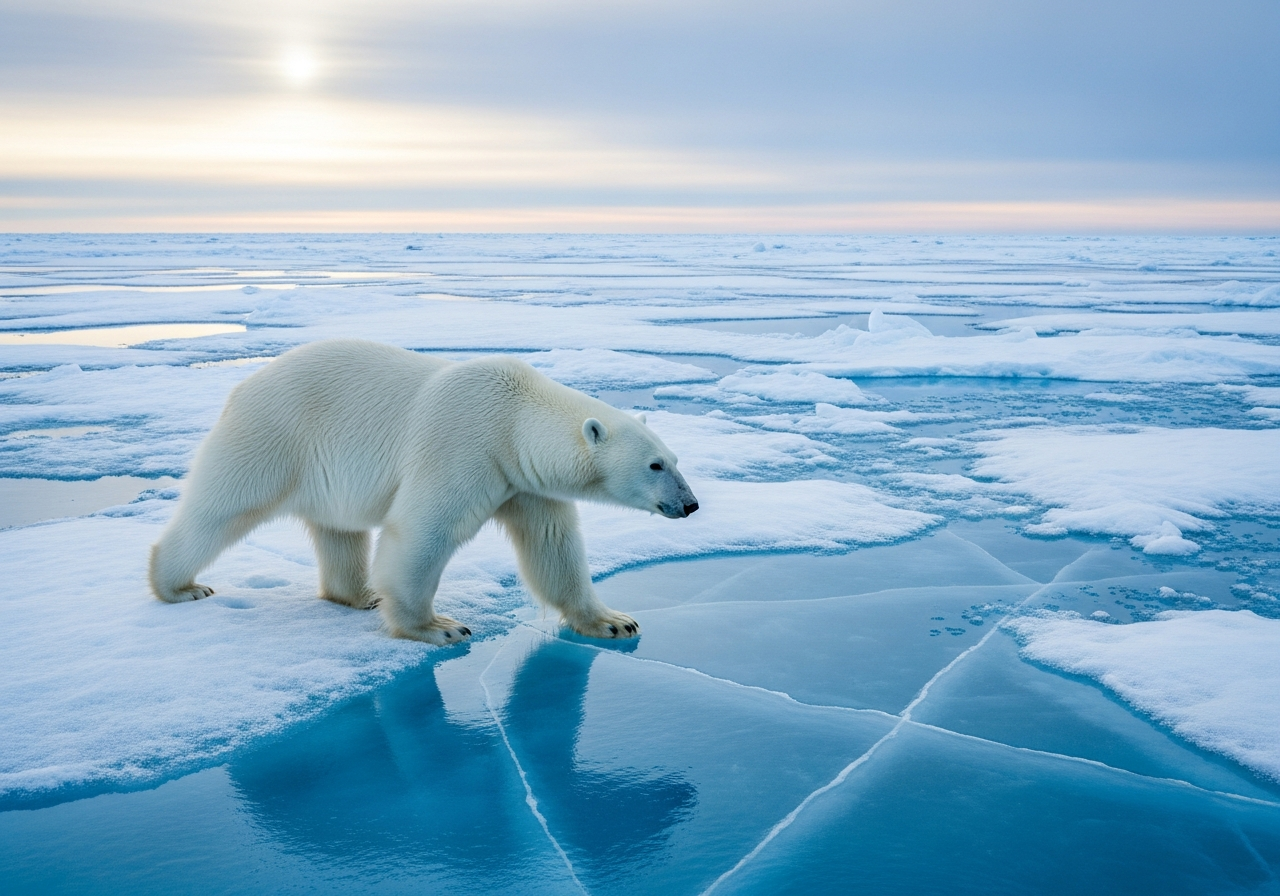
Although they live and travel on land and ice, polar bears are classified as marine mammals because they depend on the ocean for food. They are powerful long-distance swimmers, capable of crossing many kilometers of open water.
Conservation
Polar bears are Vulnerable and have become a global symbol of climate change. As the Arctic warms and sea ice forms later and melts earlier, bears have less time to hunt seals, leading to poorer body condition and lower cub survival.
Sources
Polar Bear FAQs
How long do polar bears live?
Polar Bears (Ursus maritimus) typically live around ~25 years in the wild. Wild averages fall when predation, disease, or habitat loss rise; managed populations can live longer with stable food and veterinary care.
What is the scientific name of the polar bear?
Ursus maritimus — used in research and conservation listings for polar bears.
What do polar bears eat?
Polar Bears eat mainly seals, with seasonal and regional variation in Arctic sea ice and coasts.
Where do polar bears live?
They are associated with Arctic sea ice and coasts. Local presence depends on food, cover, and human land use.
What is the conservation status of polar bears?
Listed in our guides as Vulnerable. Check the IUCN Red List and national assessments for the latest formal category.