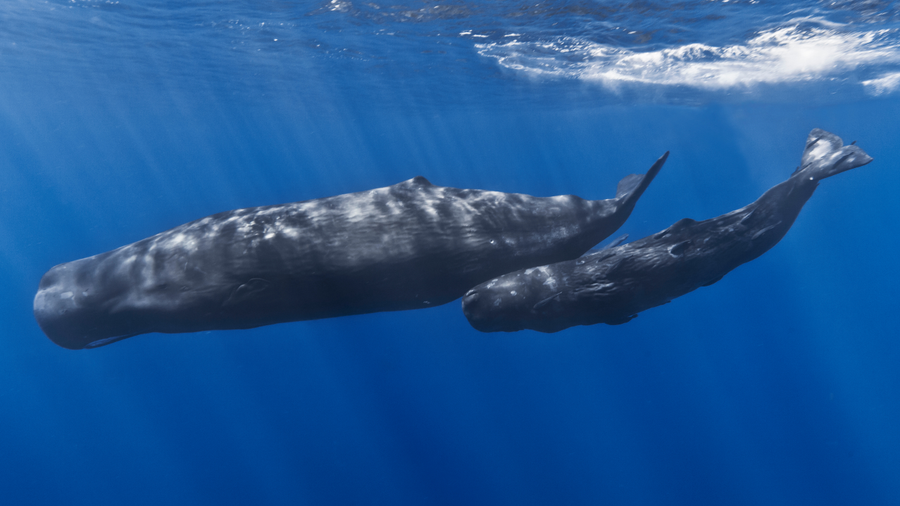
Quick answer
Sperm Whales (Physeter macrocephalus) are listed in our guides as Vulnerable. That IUCN-style label describes global extinction risk and can differ from national lists — habitat loss and human pressure still decide local survival.
Key takeaway
Sperm Whales (Physeter macrocephalus) are listed in our guides as Vulnerable. That IUCN-style label describes global extinction risk and can differ from national lists — habitat loss and human pressure still decide local survival.
Sperm Whale conservation status
Sperm Whale (Physeter macrocephalus) is recorded here as Vulnerable. Global categories summarise extinction risk; regional populations can be safer or worse than the headline label.
Threats facing sperm whales
Habitat loss around Deep offshore waters worldwide; males range into polar seas, hunting or persecution, climate pressure, and conflict with people are common drivers. Exact ranking of threats varies by region.
Outlook for Sperm Whale populations
Where monitoring exists, trends track protected-area quality and enforcement. Fragmented groups need corridors and genetic exchange to avoid local extinction.
What actually helps
Support verified conservation programmes, cut demand for illegal wildlife products, and protect habitat. Tourism helps only when operators follow ethical wildlife standards.
Historic whaling impact
Sperm whales were primary targets of industrial whaling for spermaceti oil and ambergris. Populations are recovering slowly in some oceans but remain Vulnerable. Moby-Dick immortalised the species in literature.
Modern threats
Ship strikes, entanglement in fishing gear, plastic ingestion, and underwater noise from sonar and shipping affect sperm whales today. Marine protected areas and shipping lane adjustments help, but deep-ocean monitoring remains difficult.
Sources
Sperm Whale FAQs
Are sperm whales endangered?
Sperm Whales (Physeter macrocephalus) are listed in our guides as Vulnerable. That IUCN-style label describes global extinction risk and can differ from national lists — habitat loss and human pressure still decide local survival.
What is the scientific name of the sperm whale?
Physeter macrocephalus — used in research and conservation listings for sperm whales.
What do sperm whales eat?
Sperm Whales eat squid, deep-sea fish, and occasional sharks, with seasonal and regional variation in Deep offshore waters worldwide; males range into polar seas.
Where do sperm whales live?
They are associated with Deep offshore waters worldwide; males range into polar seas. Local presence depends on food, cover, and human land use.
What is the conservation status of sperm whales?
Listed in our guides as Vulnerable. Check the IUCN Red List and national assessments for the latest formal category.