Quick answer
The fastest animal on Earth is the peregrine falcon, reaching 389 km/h (242 mph) in a hunting dive. The fastest land animal is the cheetah at 110 km/h (68 mph) — slower even than the golden eagle's 240 km/h (149 mph) dive. Every entry in our top four is a diving bird of prey.
Ranked by top speed
| Rank | Animal | Top speed | Class | Conservation status | |
|---|---|---|---|---|---|
| 1 | 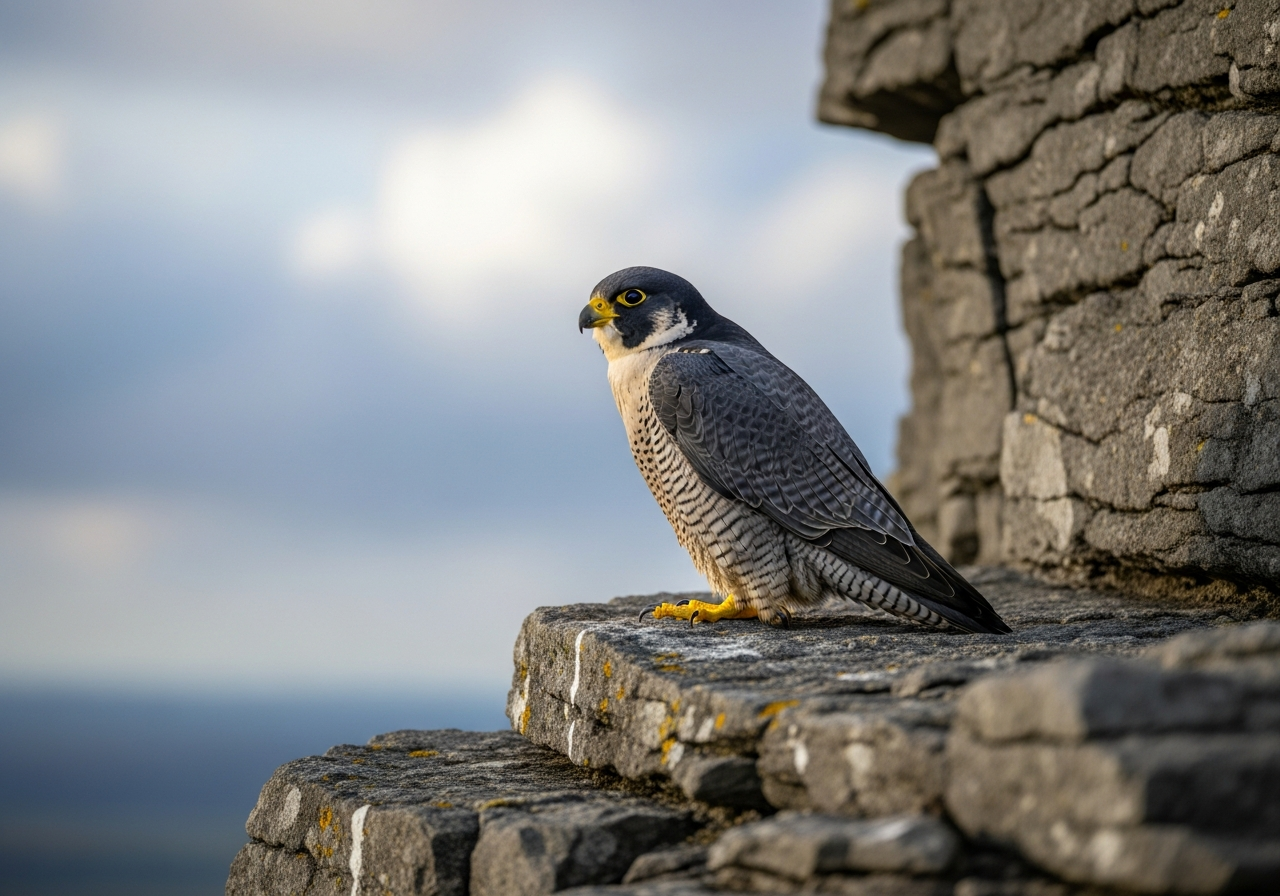 | Peregrine Falcon | 389 km/h (242 mph) (diving) | Bird | Least Concern |
| 2 | 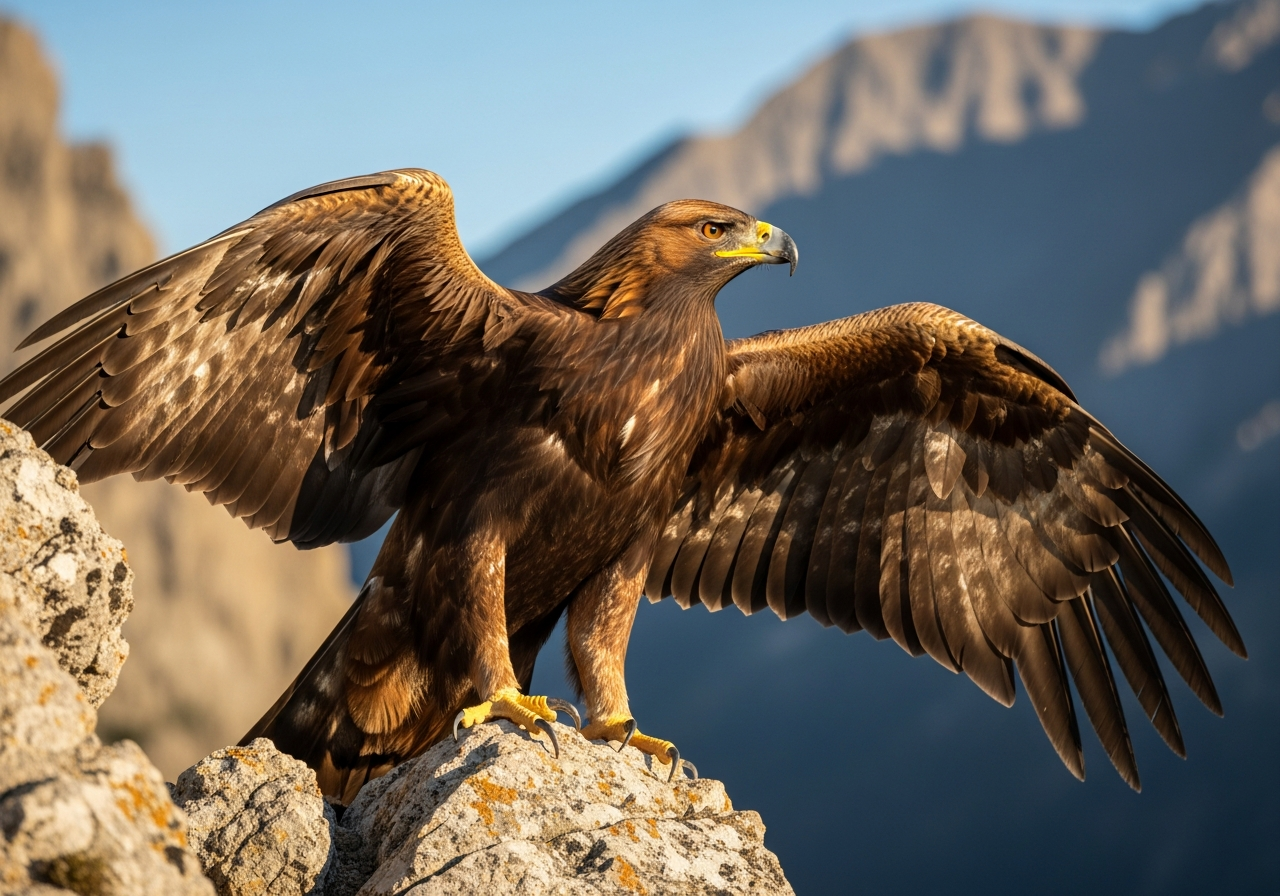 | Golden Eagle | 240 km/h (149 mph) (diving) | Bird | Least Concern |
| 3 | 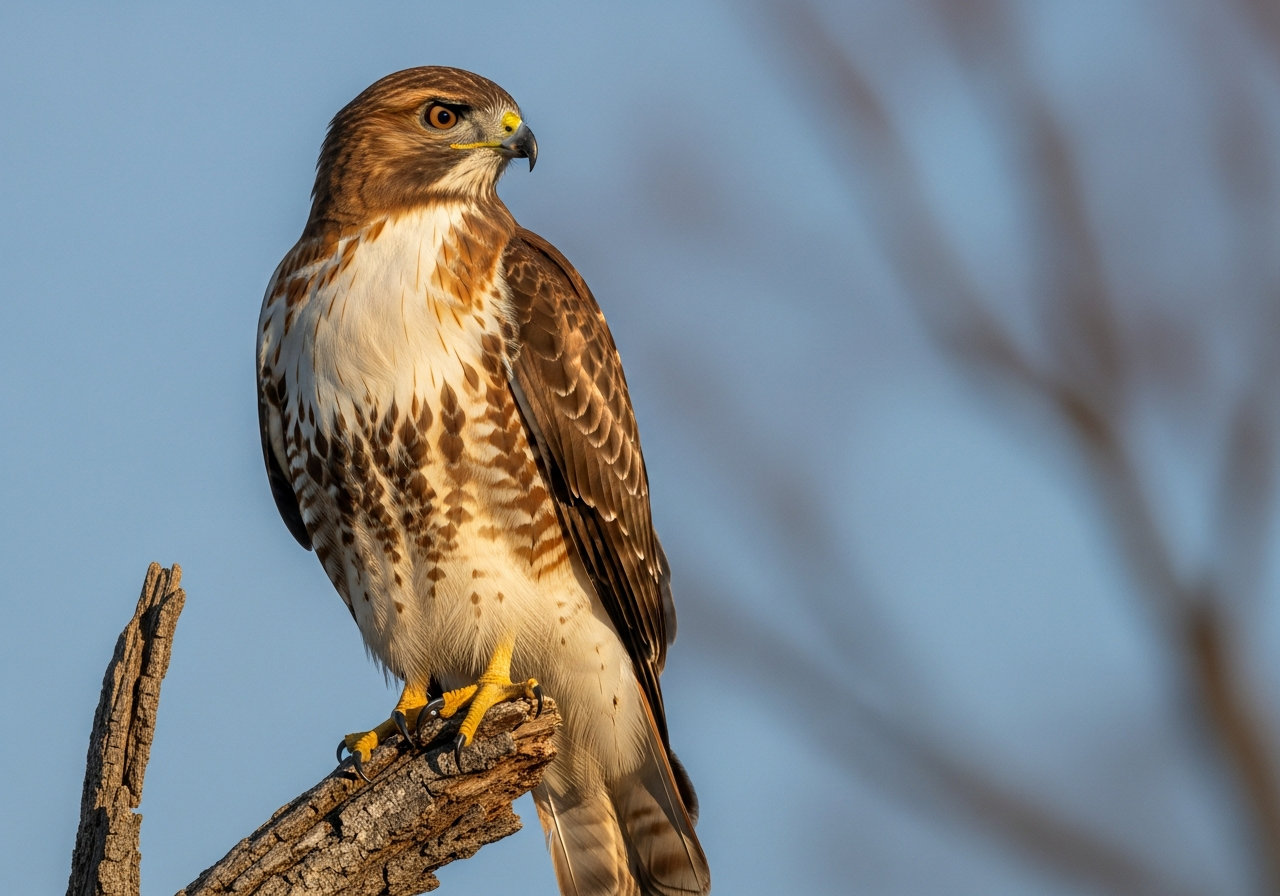 | Red-tailed Hawk | 190 km/h (118 mph) (diving) | Bird | Least Concern |
| 4 | 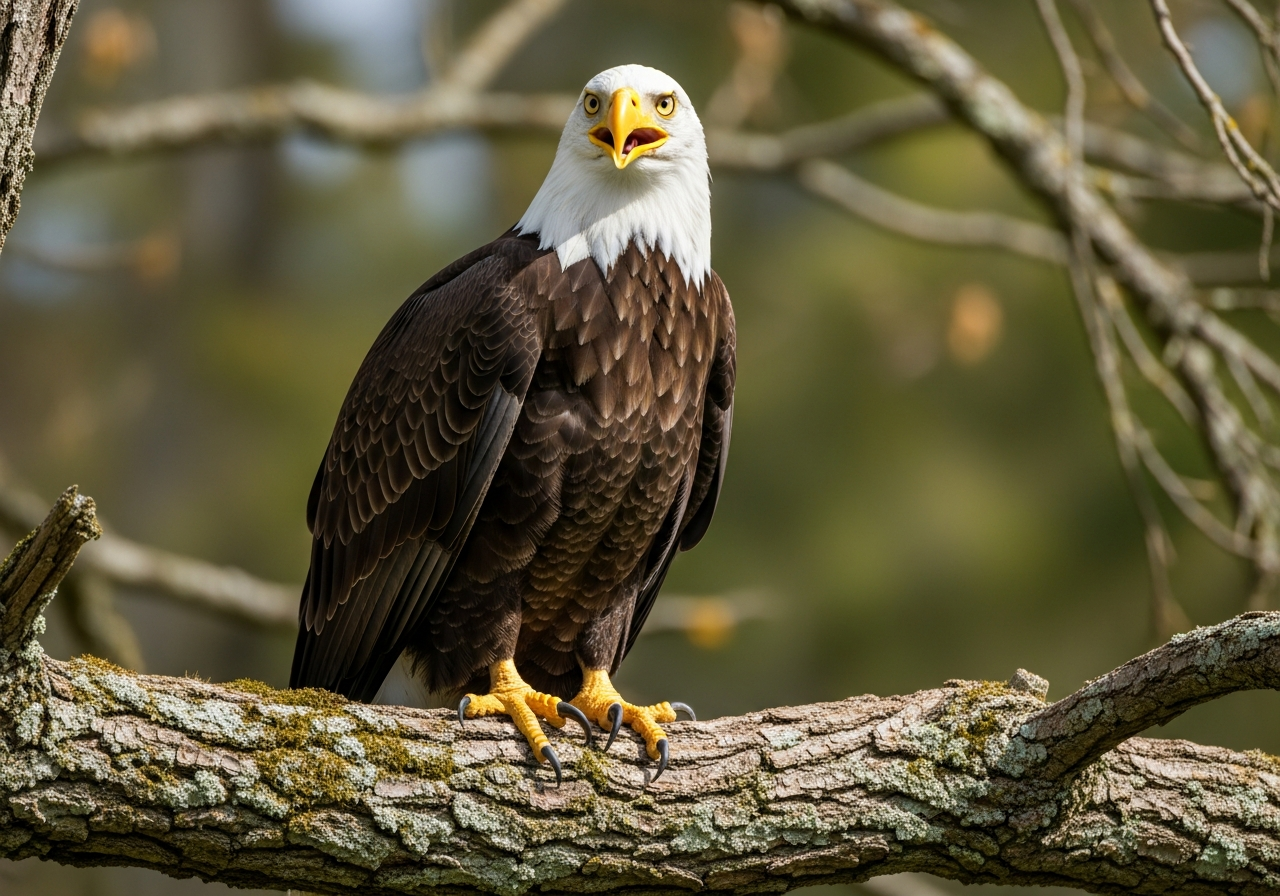 | Bald Eagle | 120 km/h (75 mph) (diving) | Bird | Least Concern |
| 5 | 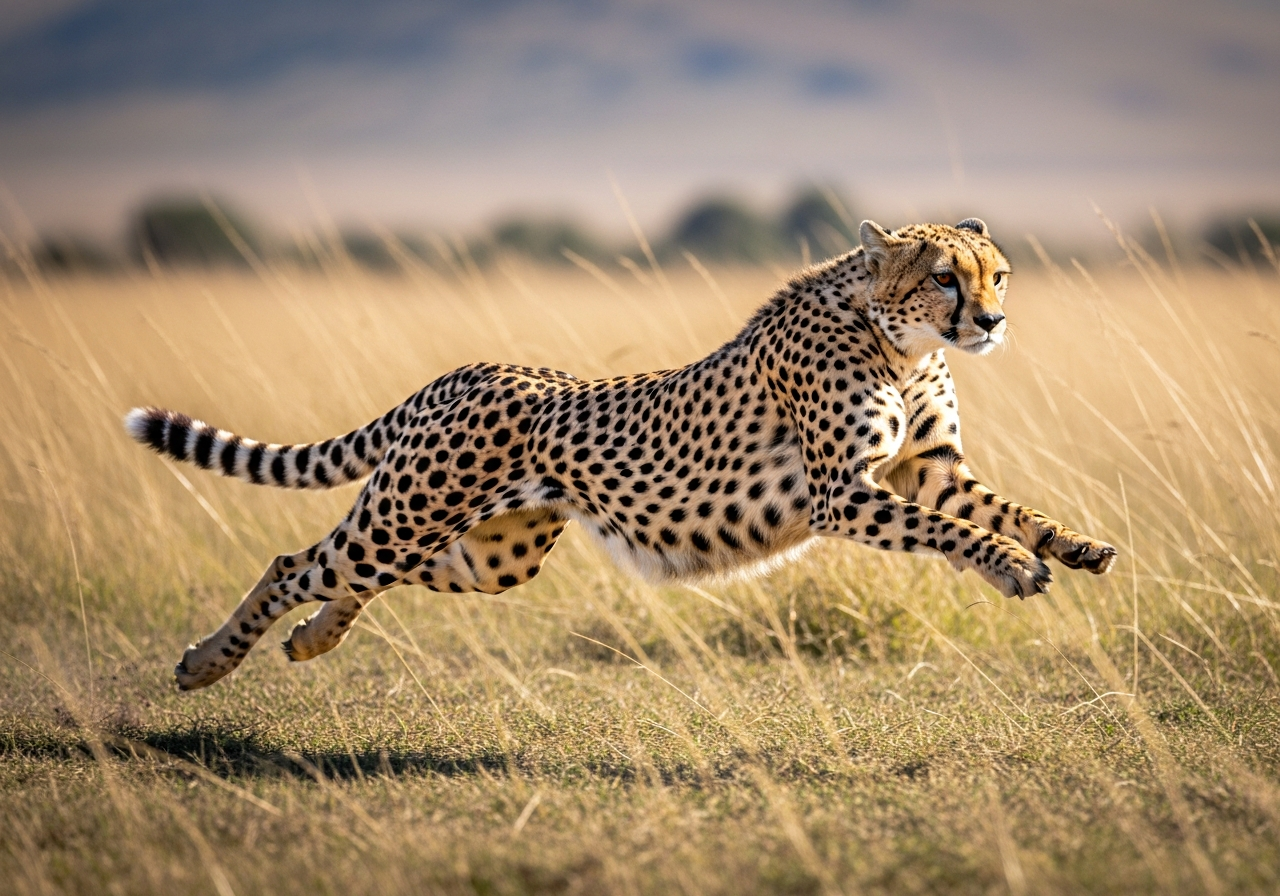 | Cheetah | 110 km/h (68 mph) (running) | Mammal | Vulnerable |
| 6 | 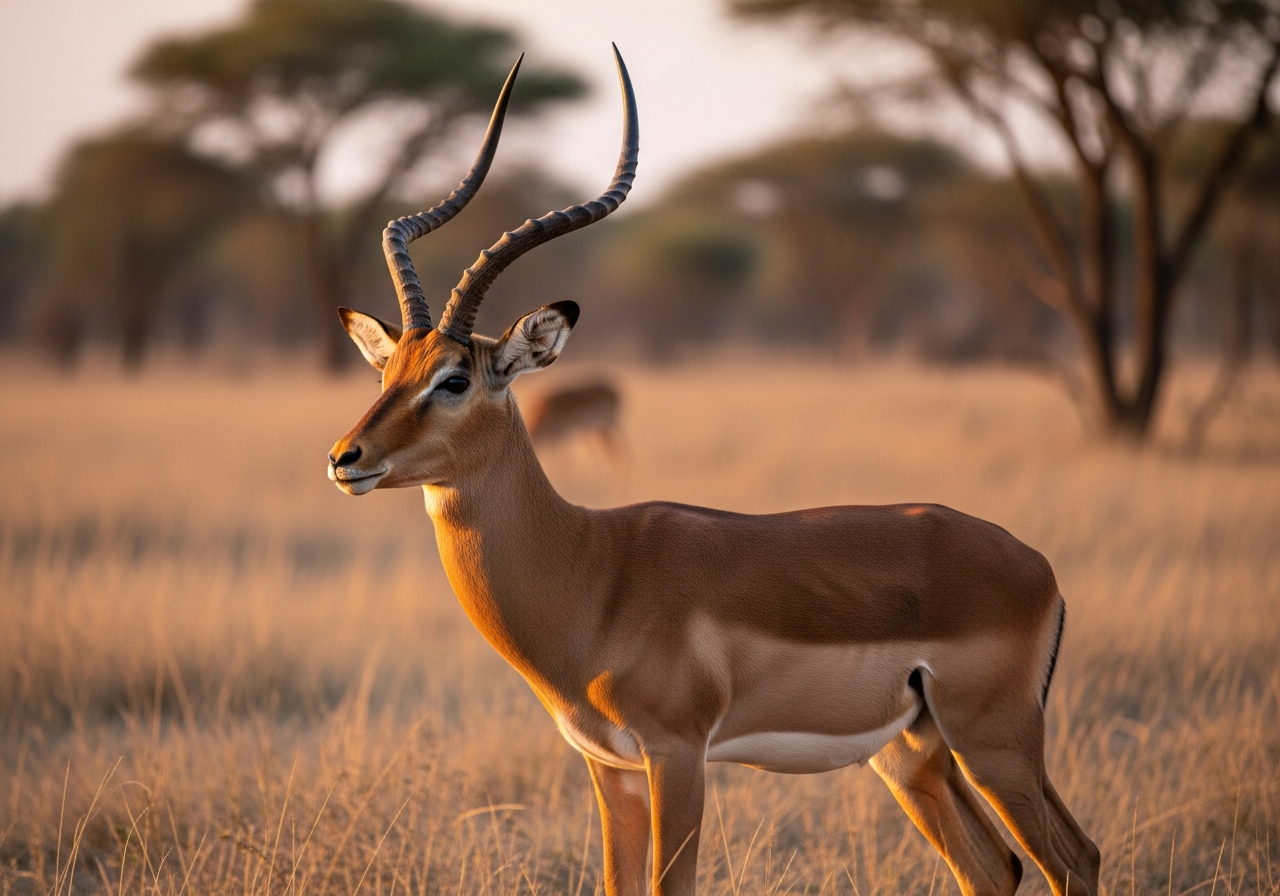 | Impala | 90 km/h (56 mph) (running) | Mammal | Least Concern |
| 7 | 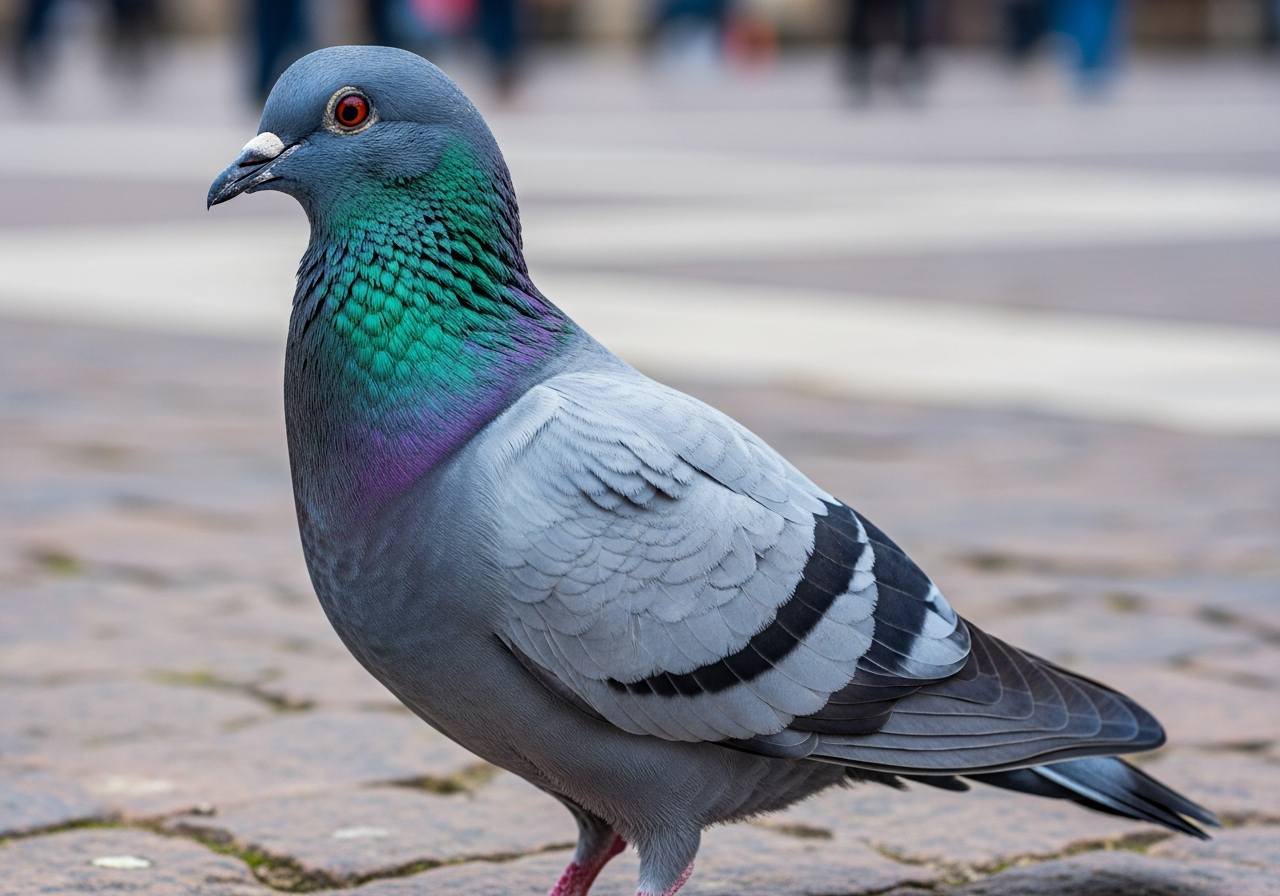 | Pigeon | 90 km/h (56 mph) (level flight) | Bird | Least Concern |
| 8 | 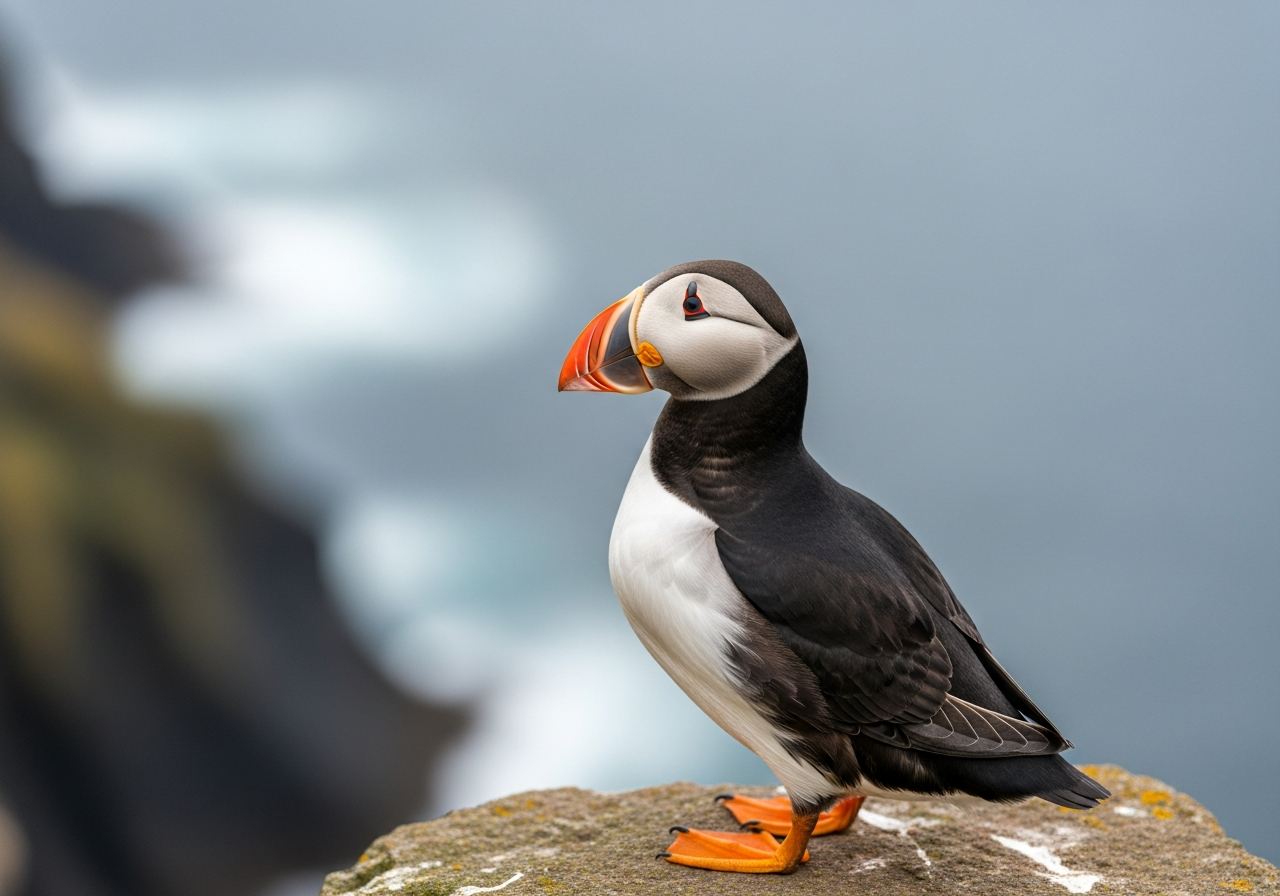 | Atlantic Puffin | 88 km/h (55 mph) (level flight) | Bird | Vulnerable |
| 9 | 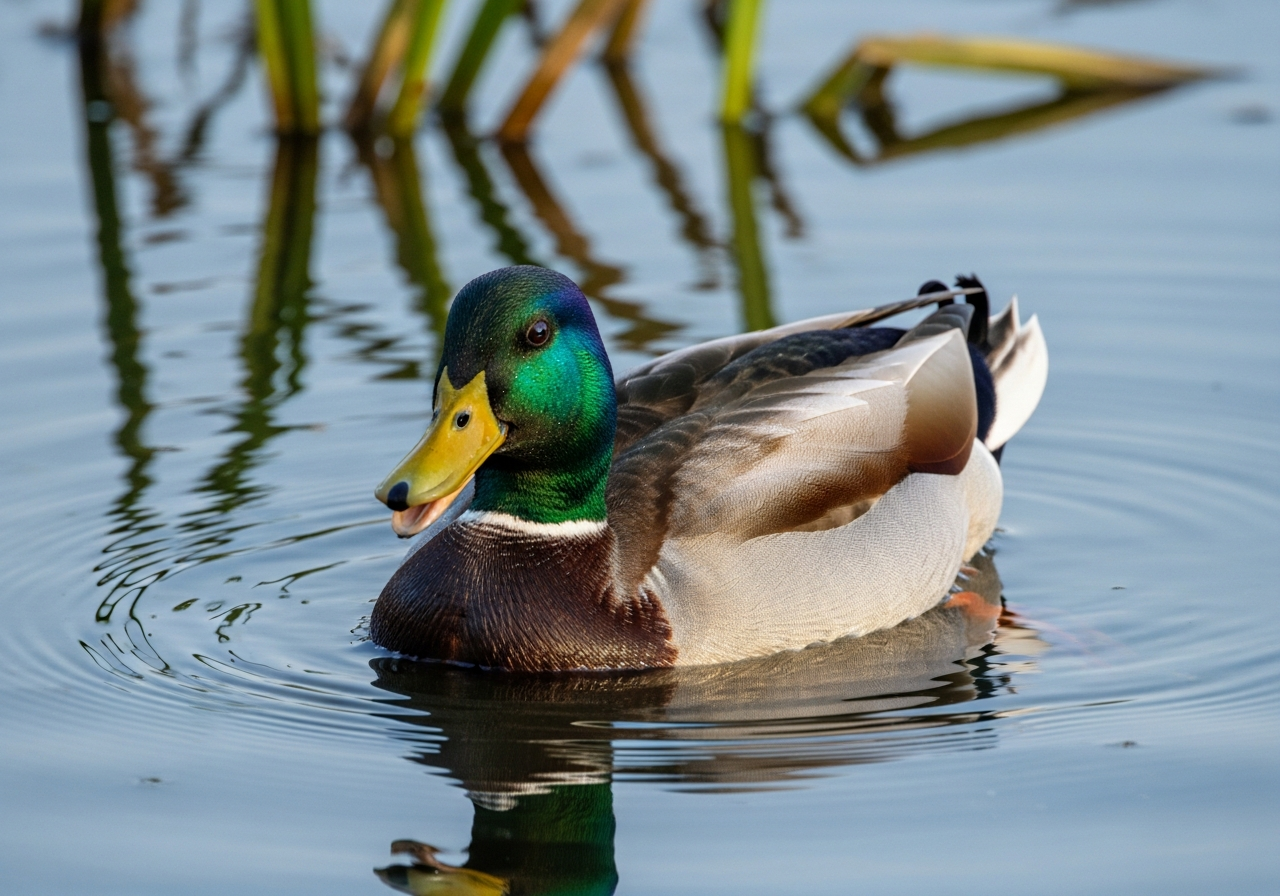 | Mallard | 88 km/h (55 mph) (level flight) | Bird | Least Concern |
| 10 | 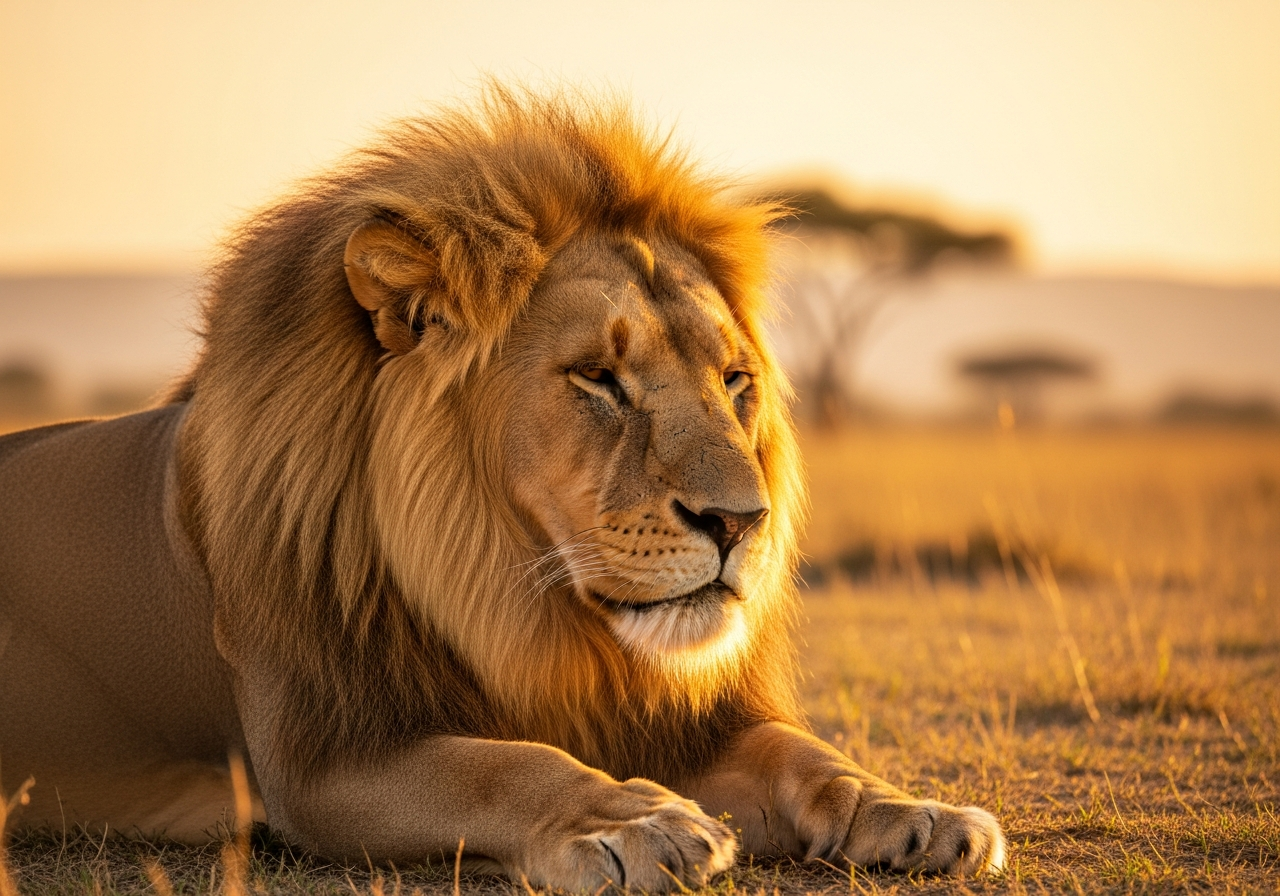 | Lion | 80 km/h (50 mph) (running) | Mammal | Vulnerable |
Why the top of this list is all birds
Speed records depend on how you move. A diving falcon is not powering itself forward — it is falling, wings tucked, turning gravity into velocity while a teardrop-shaped body keeps drag low. That is why the peregrine's 389 km/h dwarfs anything a muscle-powered runner can do. On the ground, the limiting factors are grip, heat and how long legs can cycle before tendons give out; the cheetah's 110 km/h is close to the biological ceiling for a land animal.
Built for speed
Fast animals share the same engineering: a streamlined body, oversized heart and lungs, and muscles loaded with fast-twitch fibres. The cheetah adds a flexible spine that lengthens its stride, semi-retractable claws that work like running spikes, and a long tail for steering. The peregrine adds baffles in its nostrils that slow incoming air so a 300+ km/h dive doesn't damage its lungs.
Fastest animals: FAQs
What is the fastest animal in the world?
The peregrine falcon. In a hunting dive (called a stoop) it reaches around 389 km/h (242 mph) — more than three times the cheetah's top running speed and faster than most sports cars on a motorway.
What is the fastest land animal?
The cheetah, at around 110 km/h (68 mph) in short bursts over a few hundred metres. It cannot sustain that pace for long — most chases are over in under a minute. The next-fastest land animals in our guide are the impala at 90 km/h (56 mph) and the lion at 80 km/h (50 mph).
What is the fastest fish?
The sailfish is commonly cited as the fastest fish, at around 110 km/h (68 mph) in short bursts. In our own guide the swordfish is the fastest profiled fish, listed at 80 km/h (50 mph).
Why are birds faster than land animals?
Two reasons: diving and aerodynamics. A falcon in a stoop is essentially falling with control, converting gravity into speed while tucking its wings to minimise drag. Even in level flight, air offers far less resistance than the ground, and wings avoid the obstacles that limit running animals.