Image sourcing: see credits & licences
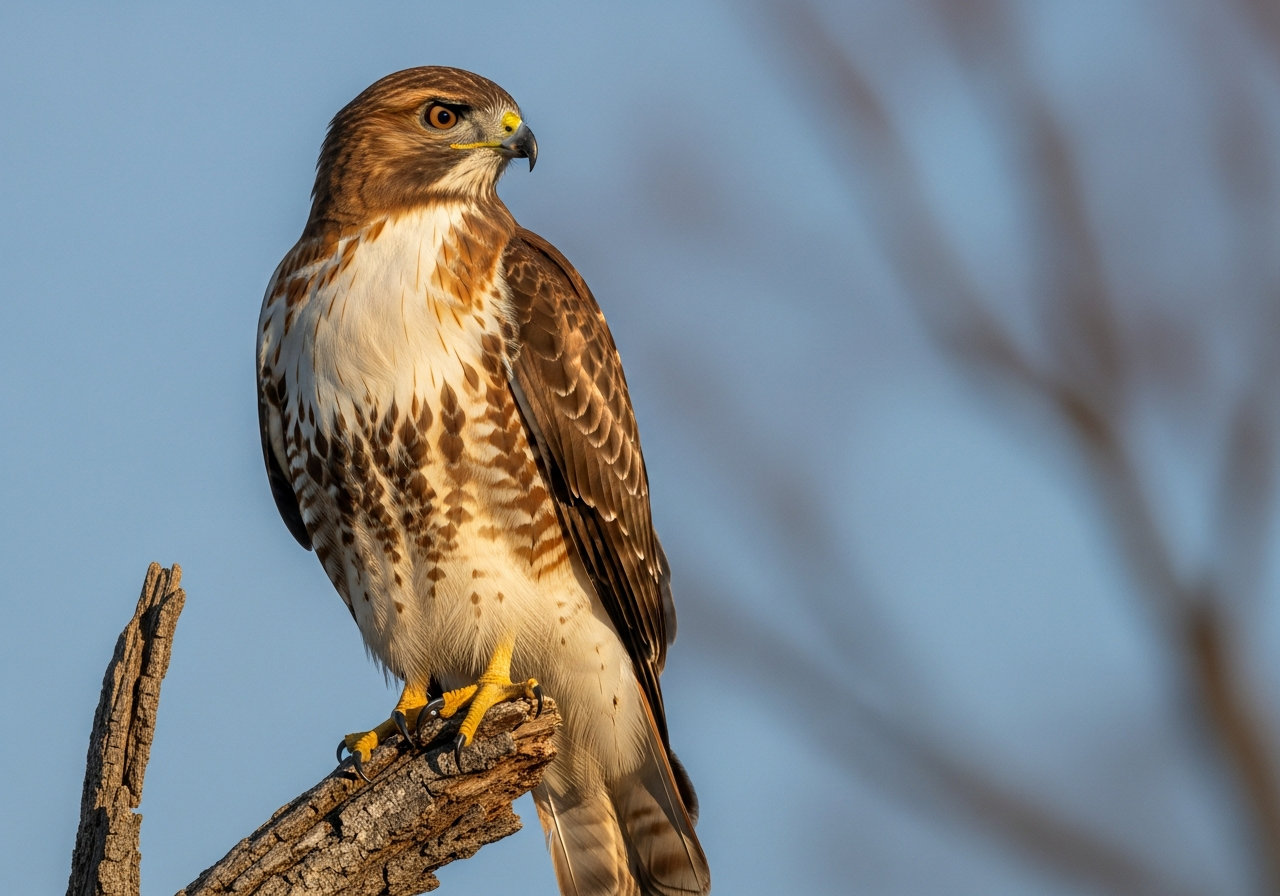
The red-tailed hawk (Buteo jamaicensis) is a bird of the family Accipitridae, in the order Accipitriformes.
Quick answer
The red-tailed hawk is a large bird of prey and the most common hawk in North America, named for the brick-red tail of the adult. It soars over open country on broad wings, hunting rodents and other small animals with keen eyesight. Its piercing scream is often dubbed over eagles in films. Red-tailed hawks usually live 10 to 15 years in the wild.
Top questions about the Red-tailed Hawk
Red-tailed Hawk facts at a glance
- Weight 1.2 kg
- Length 56 cm
- Top speed 190 km/h
- Lifespan 13 years
| Scientific name | Buteo jamaicensis |
|---|---|
| Diet | Carnivore (rodents, rabbits, reptiles, birds) |
| Habitat | Open country, fields, deserts, and roadsides |
| Lifespan | 10–15 years in the wild |
| Wingspan | 1.1–1.5 m (3.5–4.8 ft) |
| Top speed | Up to 190 km/h (120 mph) in a dive |
| Conservation status | Least Concern (IUCN) |
| Kingdom | Animalia |
|---|---|
| Phylum | Chordata |
| Class | Aves |
| Order | Accipitriformes |
| Family | Accipitridae |
| Genus | Buteo |
Where it lives
The red-tailed hawk (Buteo jamaicensis) is native to Open and semi-open country across North America, from Alaska and Canada to Mexico, Central America, and the Caribbean. — recorded across North America in this guide’s range summary.
For occurrence records, see GBIF species search and sources below.
How big is a red-tailed hawk?
An adult red-tailed hawk measures 56 cm long — about 32% of the height of an average adult person (1.73 m) — and weighs around 1.2 kg, about 2% of an average adult’s body weight (70 kg).
Length vs an average adult’s height (to scale)
What is a group of red-tailed hawks called?
Group name (collective noun)
A group of Red-tailed Hawks is called a kettle. It is also known as a cast or a boil.
Baby name
A baby Red-tailed Hawk is called a chick. It may also be called an eyas.
Explore more animal collective nouns and baby animal names .
Behavior and hunting
Red-tailed hawks hunt mostly by perching or soaring and then dropping onto prey with their powerful talons. Their eyesight is several times sharper than a human's, letting them spot a mouse from high above. They are highly adaptable and are often seen perched on fence posts, telephone poles, and trees beside highways, watching the grass below.
Appearance and the famous call
Adults are bulky hawks with broad, rounded wings and a short, wide tail that is brick-red on top. Plumage varies widely from pale to dark birds across their range. Their hoarse, screaming "keeeer" is one of the most recognizable bird sounds in film and television, where it is frequently used as the voice of a bald eagle, which actually has a much weaker call.
Habitat and range
The red-tailed hawk is found across nearly all of North America, from Alaska and Canada down through the United States, Mexico, and into Central America and the Caribbean. It thrives in open and semi-open habitats, including grasslands, deserts, farmland, and the edges of cities, which has helped make it one of the continent's most widespread raptors.
Nesting and family life
Pairs often mate for life and return to the same territory year after year, building large stick nests high in tall trees or on cliffs and ledges. The female lays one to three eggs, and both parents share incubation and feeding. Young hawks fledge after about six weeks but may depend on their parents for food for several more weeks.
Dig deeper into the Red-tailed Hawk
- How Fast Is A Red-tailed Hawk?
Red-tailed Hawk top speed is up to about 190 km/h (120 mph) in a dive. Sprint vs endurance and what limits pace.
- How Long Do Red-tailed Hawks Live?
Red-tailed Hawk lifespan is typically 10–15 years in the wild. What shortens or extends life, life stages, and status (Least Concern).
- What Do Red-tailed Hawks Eat?
What red-tailed hawks eat: Carnivore (rodents, rabbits, reptiles, birds), foraging style, and seasonal shifts in Open country, fields, deserts, and roadsides.
- Where Do Red-tailed Hawks Live?
Where red-tailed hawks live: Open country, fields, deserts, and roadsides, native range cues, and human overlap. Status Least Concern.
Explore the Red-tailed Hawk
Close relatives
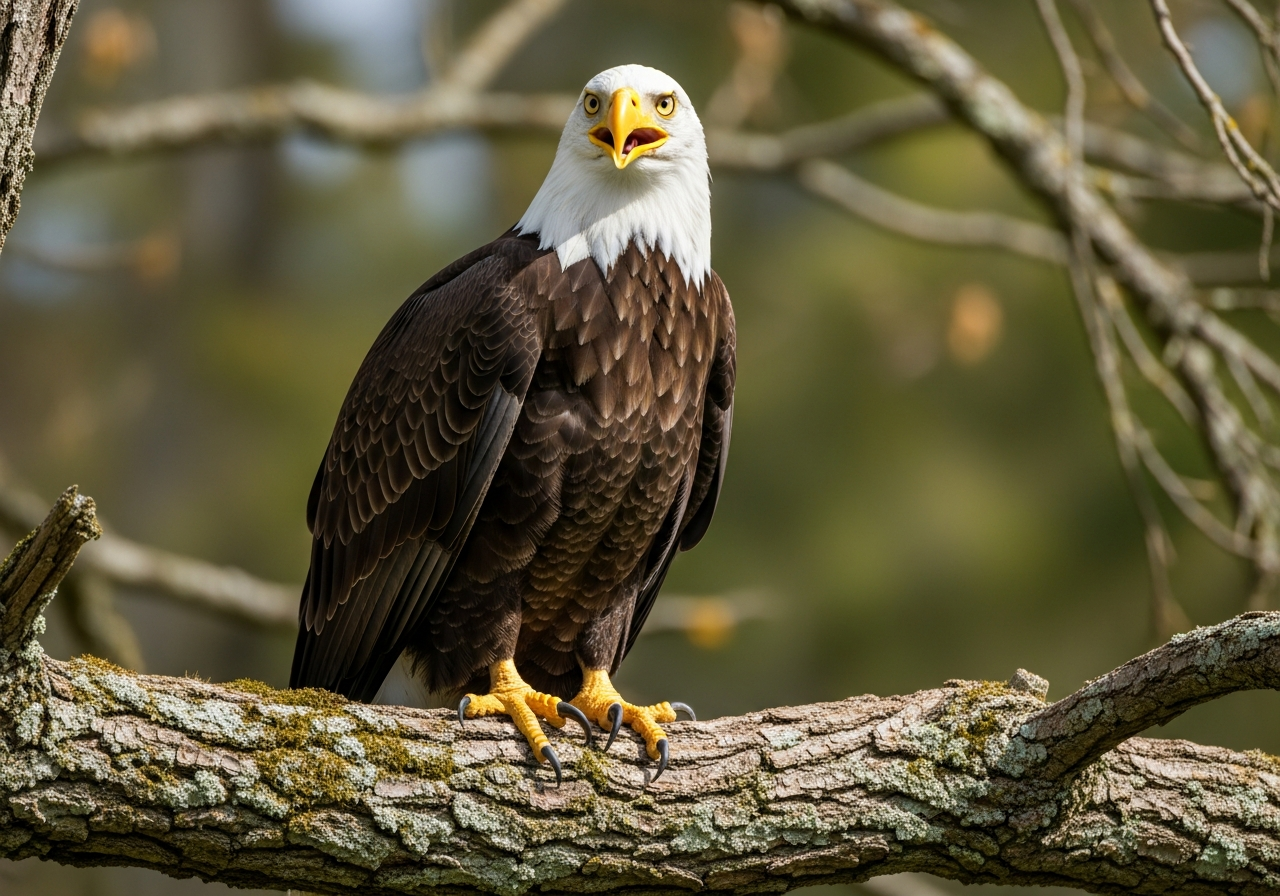
- Bald Eagle Same family
- Northern Goshawk Same family
- Northern Harrier Same family
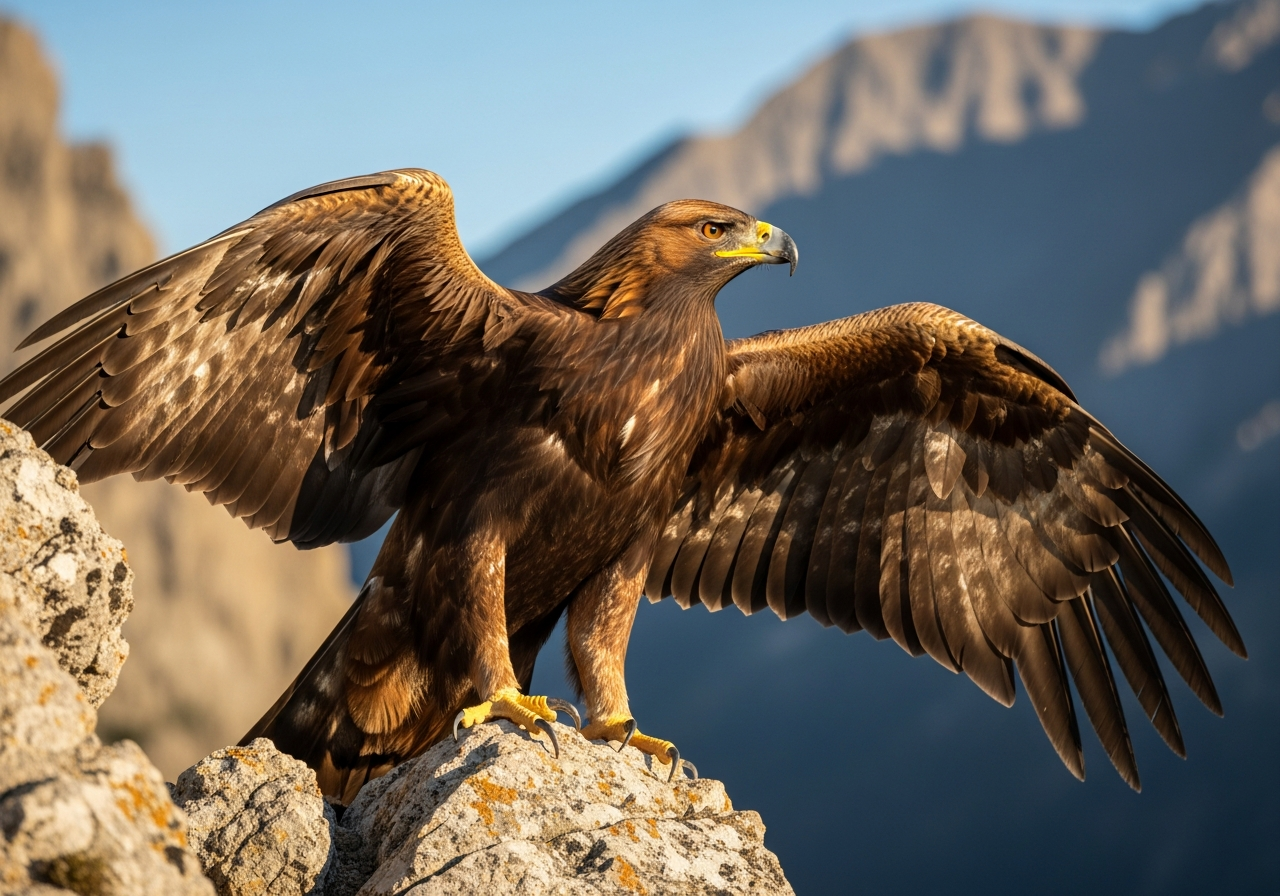
- Golden Eagle Same family
Collections
Range & geography
Did you know? Red-tailed Hawk facts
- The red-tailed hawk is a large bird of prey and the most common hawk in North America, named for the brick-red tail of the adult.
- Red-tailed hawks are carnivores that mainly eat small mammals such as mice, voles, rats, and rabbits. They also take reptiles, smaller birds, and large insects, hunting from a perch or while soaring.
- In normal flight they cruise at around 30 to 65 km/h (20 to 40 mph), but in a hunting dive, called a stoop, a red-tailed hawk can reach speeds of up to about 190 km/h (120 mph).
- The red-tailed hawk has a powerful, raspy scream that sounds suitably fierce, so filmmakers often dub it over images of bald eagles, whose real call is a surprisingly weak, chirpy whistle.
- Wild red-tailed hawks typically live 10 to 15 years, though many die young. In captivity, with steady food and veterinary care, some have lived past 25 years.
- Conservation: Least Concern (IUCN).
Diet & feeding
Red-tailed Hawk feeds primarily as a carnivore (rodents, rabbits, reptiles, birds). Red-tailed hawks hunt mostly by perching or soaring and then dropping onto prey with their powerful talons. Their eyesight is several times sharper than a human's, letting them spot a mouse from high above. They are highly adaptable and
Adaptations
- Red-tailed hawks hunt mostly by perching or soaring and then dropping onto prey with their powerful talons. Their eyesight is several times sharper than a human's, letting them spot a mouse from high above. They are highly adaptable and are often seen perched on fence posts, telephone poles, and trees beside highways, watching the grass below.
- Adults are bulky hawks with broad, rounded wings and a short, wide tail that is brick-red on top. Plumage varies widely from pale to dark birds across their range. Their hoarse, screaming \
Behaviour & ecology
- Red-tailed hawks hunt mostly by perching or soaring and then dropping onto prey with their powerful talons. Their eyesight is several times sharper than a human's, letting them spot a mouse from high above. They are highly adaptable and are often seen perched on fence posts, telephone poles, and trees beside highways, watching the grass below.
- Adults are bulky hawks with broad, rounded wings and a short, wide tail that is brick-red on top. Plumage varies widely from pale to dark birds across their range. Their hoarse, screaming \
- The red-tailed hawk is found across nearly all of North America, from Alaska and Canada down through the United States, Mexico, and into Central America and the Caribbean. It thrives in open and semi-open habitats, including grasslands, deserts, farmland, and the edges of cities, which has helped make it one of the continent's most widespread raptors.
Communication
- Red-tailed Hawk uses calls and visual displays to communicate territory, alarm, and breeding status.
- Vocal repertoires vary by species and are often learned or refined during development.
Habitat & range
Open country, fields, deserts, and roadsides
Ecological role
Red-tailed Hawk acts as a predator that helps regulate prey populations and maintain balance in open country, fields, deserts, and roadsides.
Conservation status of the Red-tailed Hawk
The red-tailed hawk (Buteo jamaicensis) is listed as Least Concern on the IUCN Red List. Least Concern (LC) is the IUCN's lowest-risk category, assigned to widespread, abundant species that have been evaluated and found not to be threatened. It does not mean a species faces no pressures — only that it is not currently at risk of extinction.
The red-tailed hawk (Buteo jamaicensis) is assessed on the IUCN Red List. Look up on the IUCN Red List .
Frequently asked questions about the Red-tailed Hawk
What do red-tailed hawks eat?
Red-tailed hawks are carnivores that mainly eat small mammals such as mice, voles, rats, and rabbits. They also take reptiles, smaller birds, and large insects, hunting from a perch or while soaring.
How fast can a red-tailed hawk fly?
In normal flight they cruise at around 30 to 65 km/h (20 to 40 mph), but in a hunting dive, called a stoop, a red-tailed hawk can reach speeds of up to about 190 km/h (120 mph).
Why is the red-tailed hawk's scream used for eagles in movies?
The red-tailed hawk has a powerful, raspy scream that sounds suitably fierce, so filmmakers often dub it over images of bald eagles, whose real call is a surprisingly weak, chirpy whistle.
How long do red-tailed hawks live?
Wild red-tailed hawks typically live 10 to 15 years, though many die young. In captivity, with steady food and veterinary care, some have lived past 25 years.
Are red-tailed hawks dangerous to people or pets?
Red-tailed hawks rarely pose a threat to people and almost never attack adults. Very small pets can occasionally be at risk, but attacks are uncommon, and the hawks mostly avoid humans.
Where do red-tailed hawks live?
They live across most of North America, from Canada and Alaska to Central America, favoring open habitats such as fields, deserts, and roadsides where they can spot prey easily.
What is a group of red-tailed hawks called?
A group of Red-tailed Hawks is called a kettle. It is also known as a cast or a boil.
What is a baby red-tailed hawk called?
A baby Red-tailed Hawk is called a chick. It may also be called an eyas.
Sources & references
This guide is compiled and reviewed against established zoological and conservation references. Key sources for the Red-tailed Hawk:
-
IUCN Red List of Threatened Species
Conservation status (Least Concern) reflects the IUCN Red List category for Buteo jamaicensis.
-
iNaturalist — observations & photos
Search citizen-science observations and community IDs for Buteo jamaicensis. Useful for range checks and recent sightings — not a substitute for formal Red List status.
-
GBIF — occurrence data
Global Biodiversity Information Facility species search for Buteo jamaicensis. Explore published occurrence records used in range research.
-
eBird — bird observations
Cornell Lab eBird target search for Red-tailed Hawk. Check recent checklists and seasonal abundance where birders report this species.
- IUCN Red List — Buteo jamaicensis.
Conservation status (Least Concern) and population trends.
- Animal Diversity Web — Buteo jamaicensis. University of Michigan Museum of Zoology.
Life history, morphology, and range.
- Wikipedia — Red-tailed Hawk.
General taxonomy and overview (cross-check primary sources).
-
Global Animal Guide editorial standards
How we research, source, review, and update every guide for accuracy.