Quick answer
The largest land animal is the African elephant at up to 6,000 kg (6 tonnes). Second is the rhinoceros at up to 2,300 kg, and third the hippopotamus at up to 1,500 kg. The blue whale (150,000 kg) is far heavier, but as a fully marine animal it is excluded from this land-only ranking.
Ranked by maximum weight
| Rank | Animal | Weight | Class | Conservation status | |
|---|---|---|---|---|---|
| 1 | 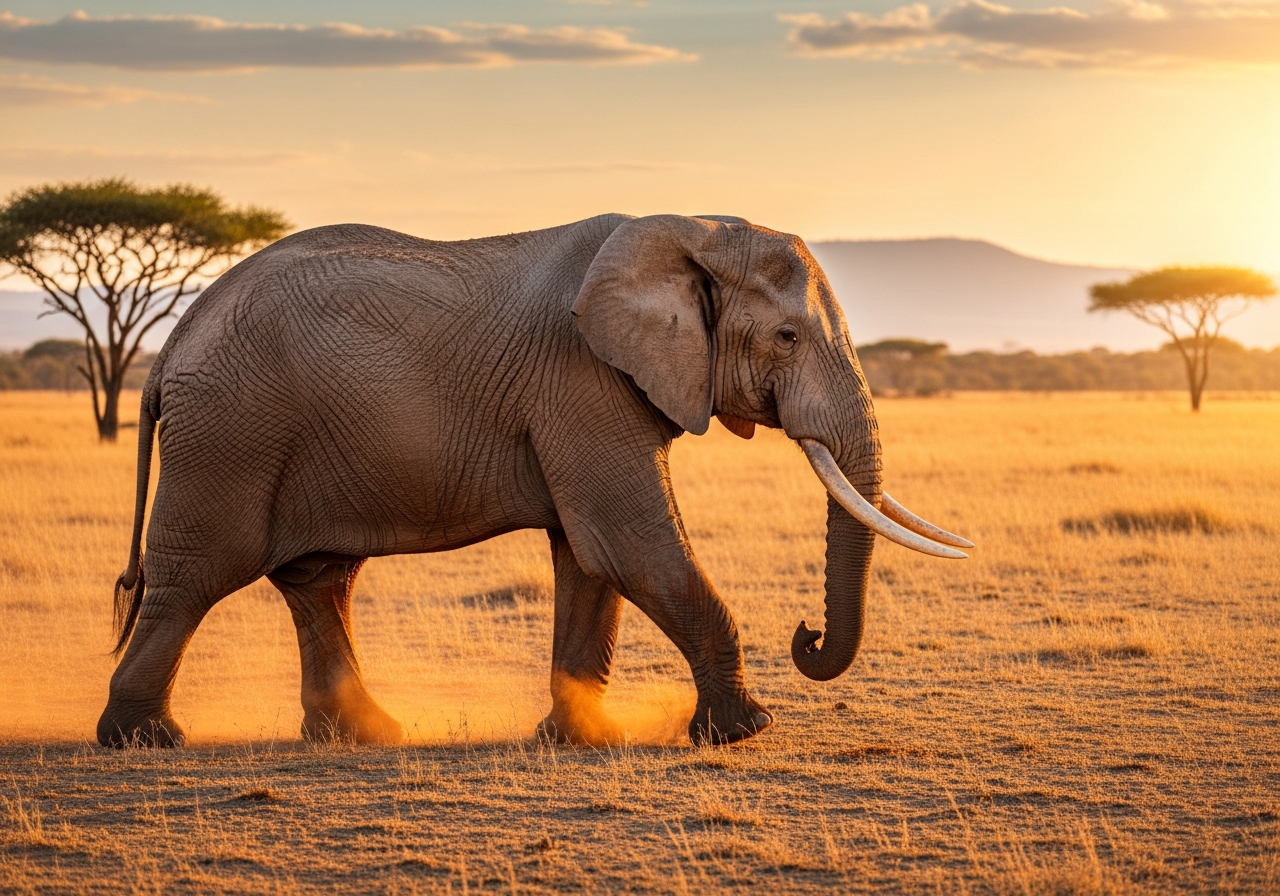 | African Elephant | 6,000 kg (6 t) | Mammal | Endangered |
| 2 | 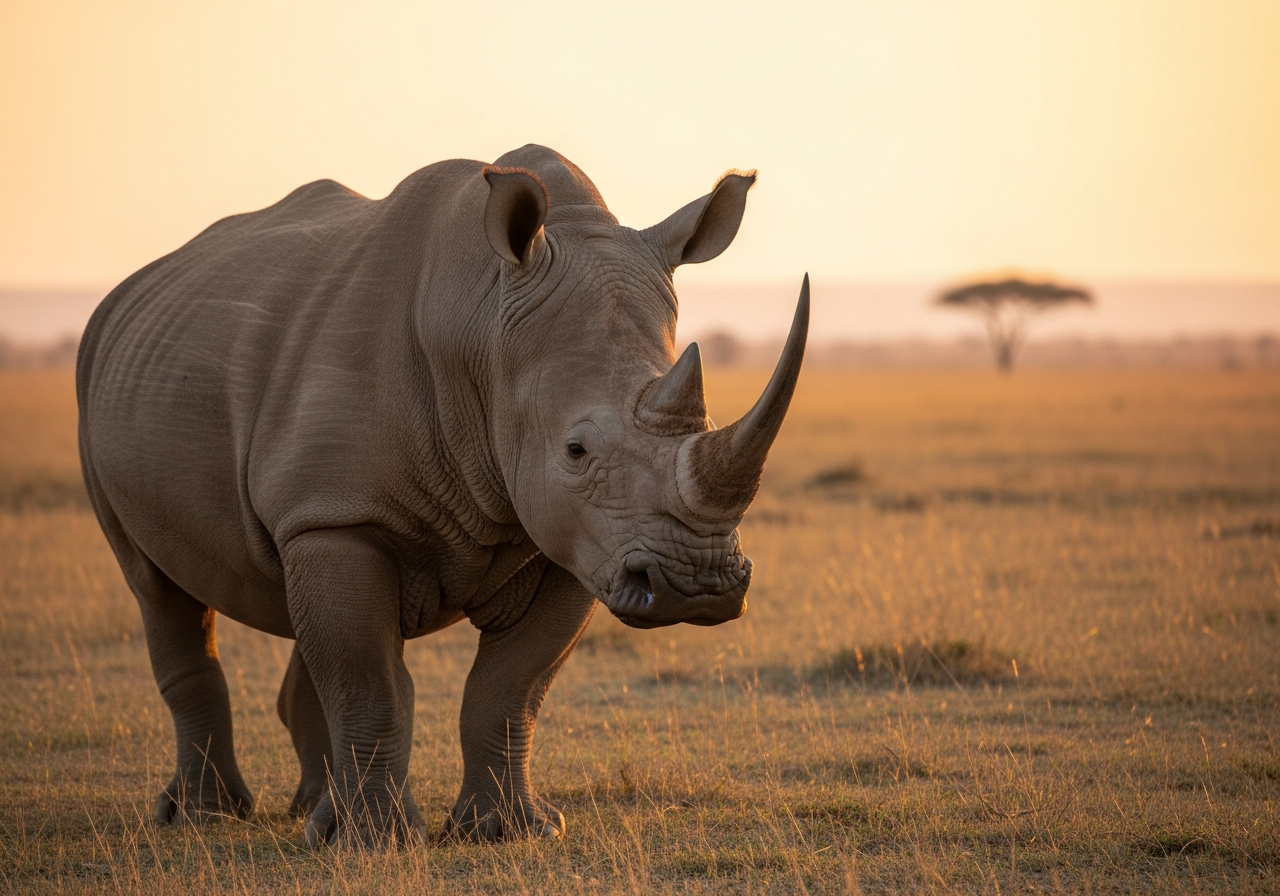 | Rhinoceros | 2,300 kg (2.3 t) | Mammal | Near Threatened |
| 3 | 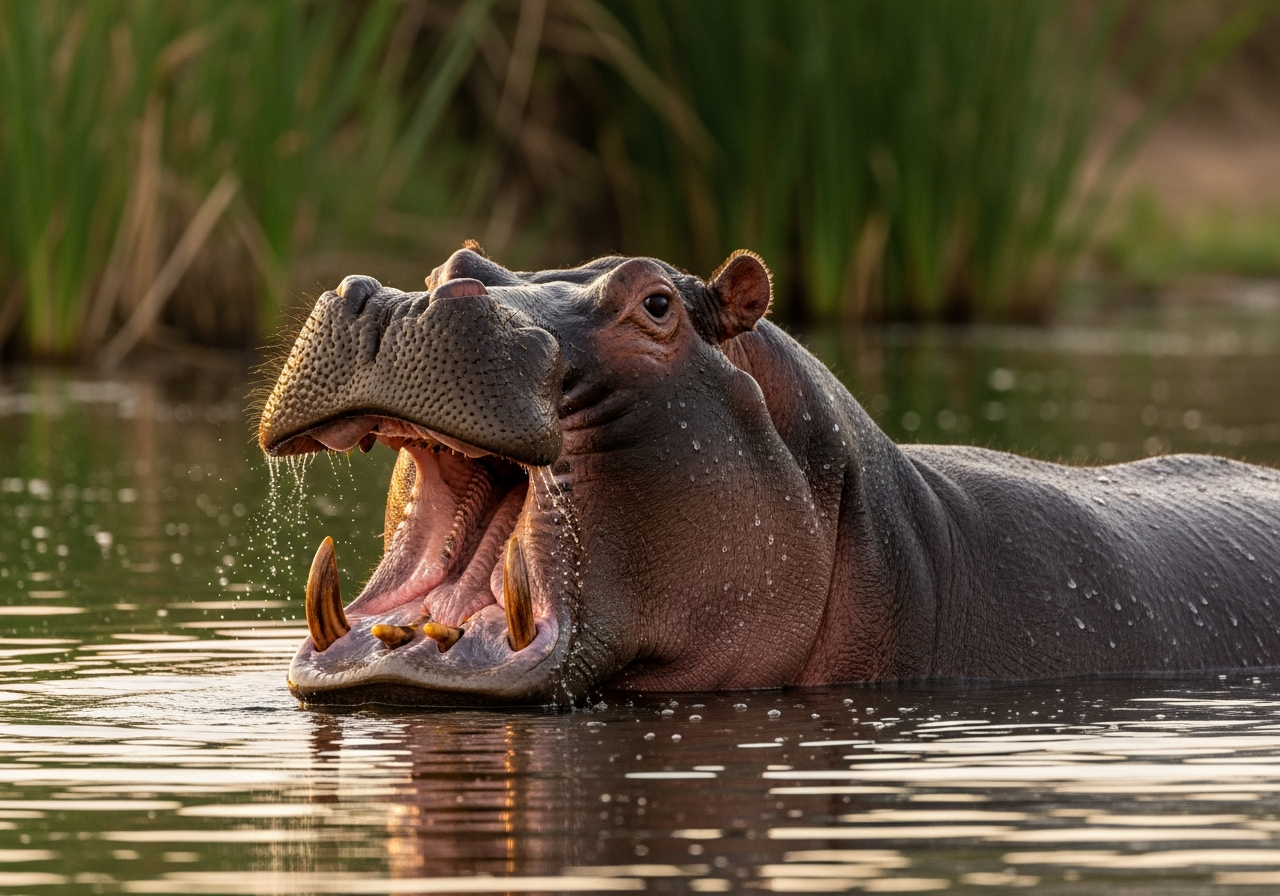 | Hippopotamus | 1,500 kg (1.5 t) | Mammal | Vulnerable |
| 4 | 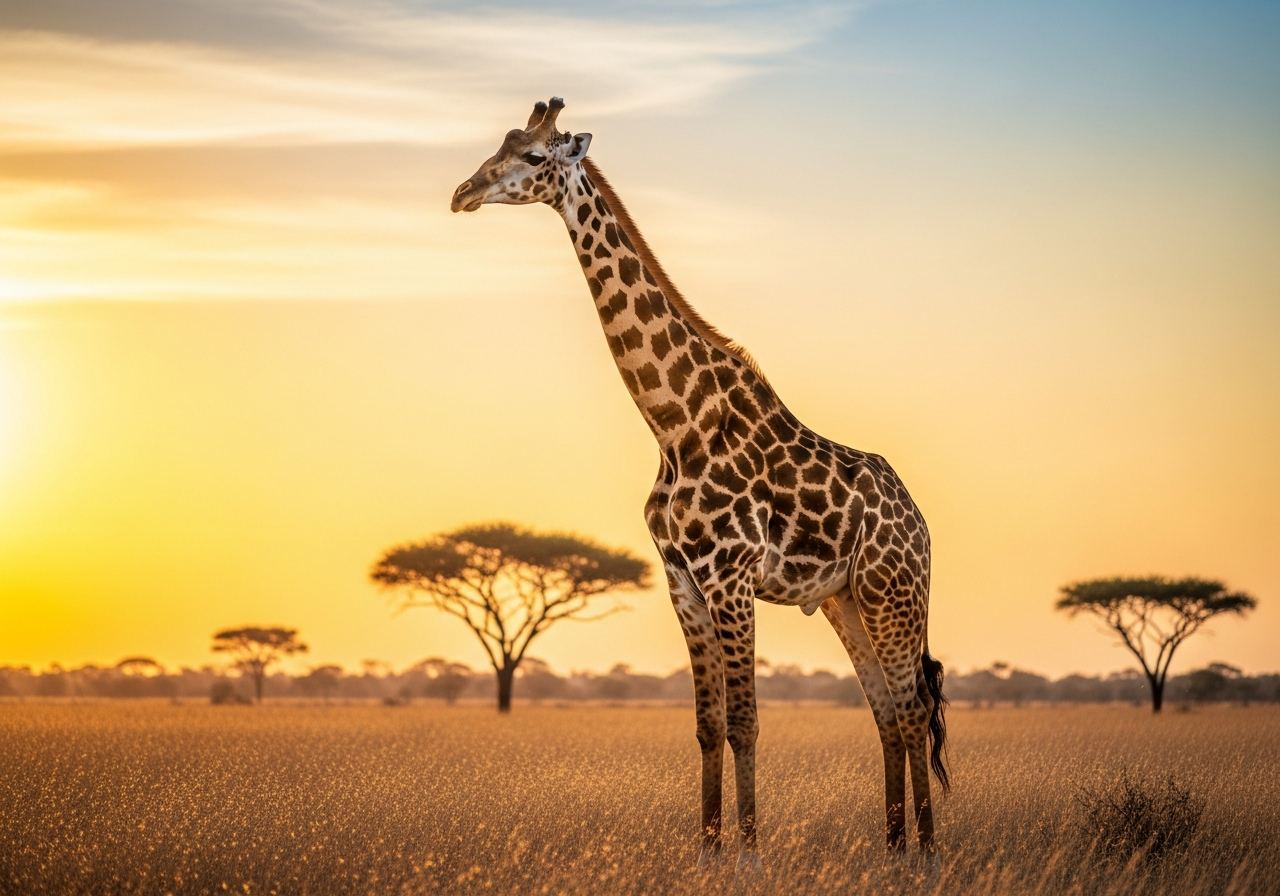 | Giraffe | 1,200 kg (1.2 t) | Mammal | Vulnerable |
| 5 | 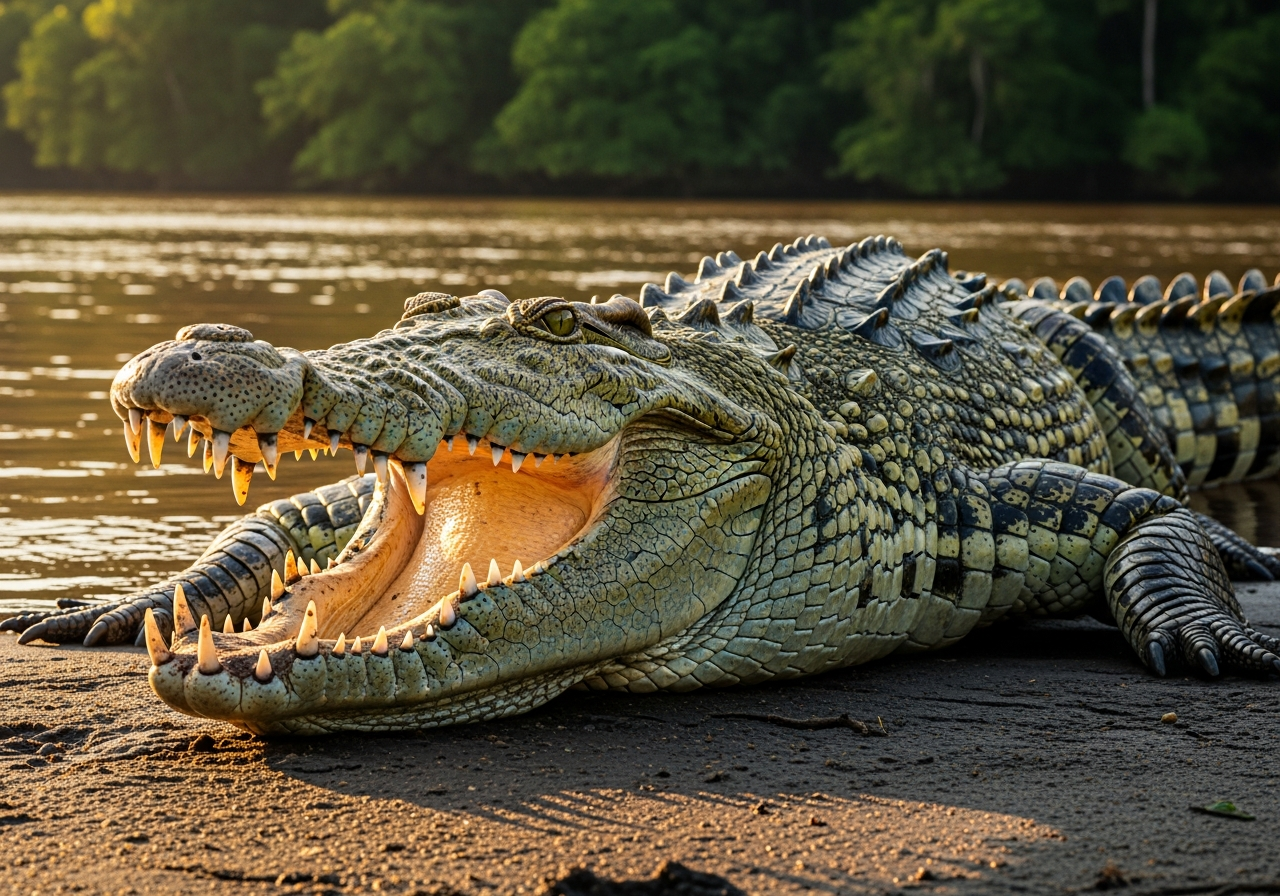 | Saltwater Crocodile | 1,000 kg (1 t) | Reptile | Least Concern |
| 6 | 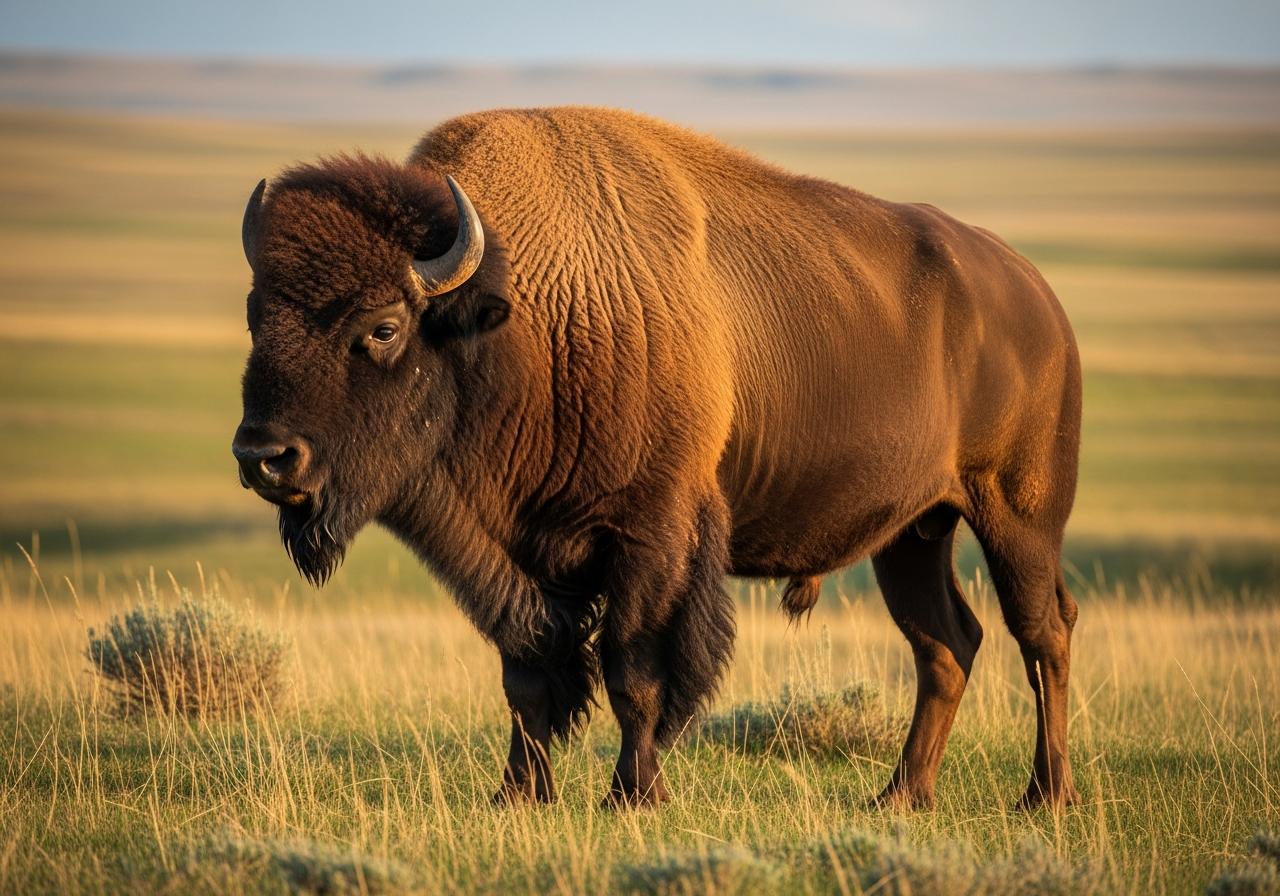 | American Bison | 1,000 kg (1 t) | Mammal | Near Threatened |
| 7 | 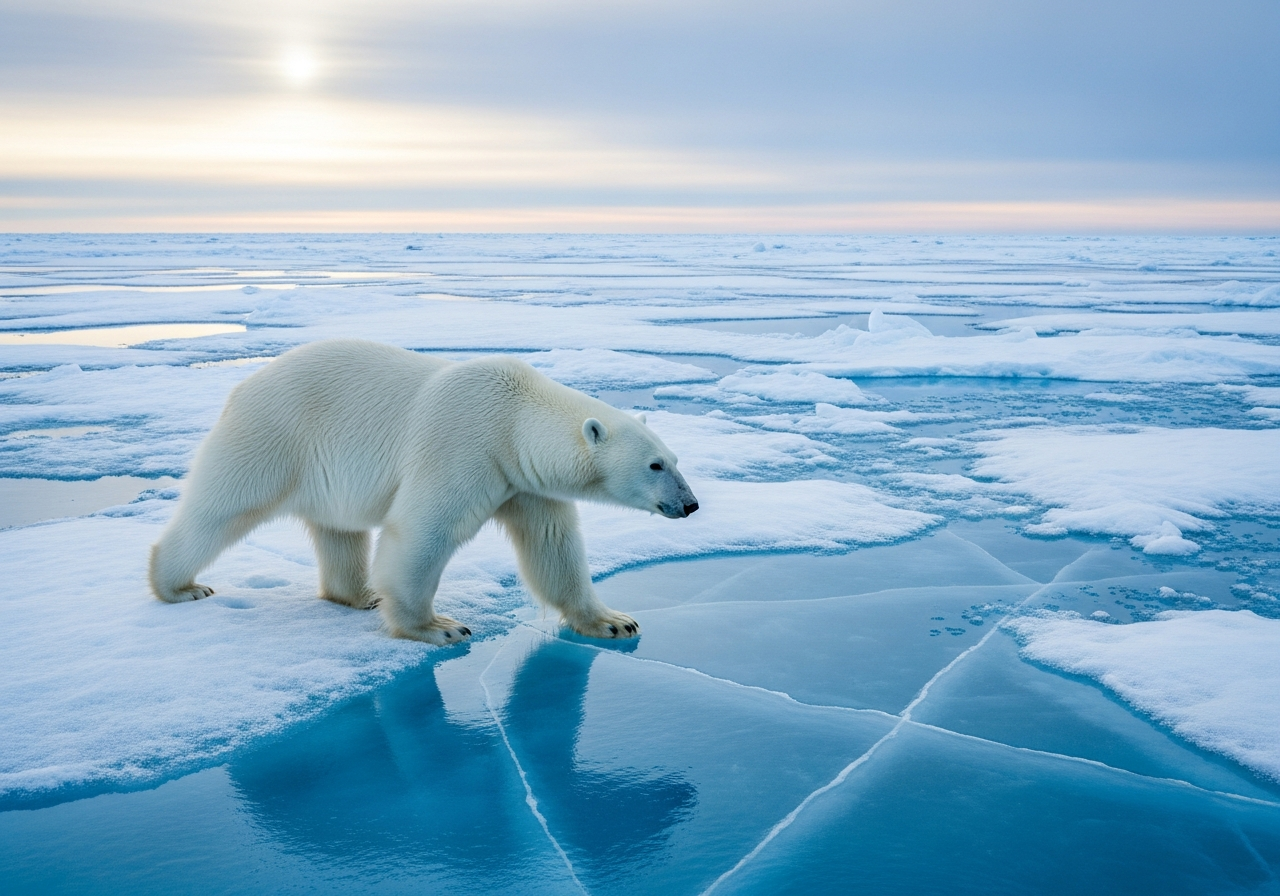 | Polar Bear | 700 kg | Mammal | Vulnerable |
| 8 | 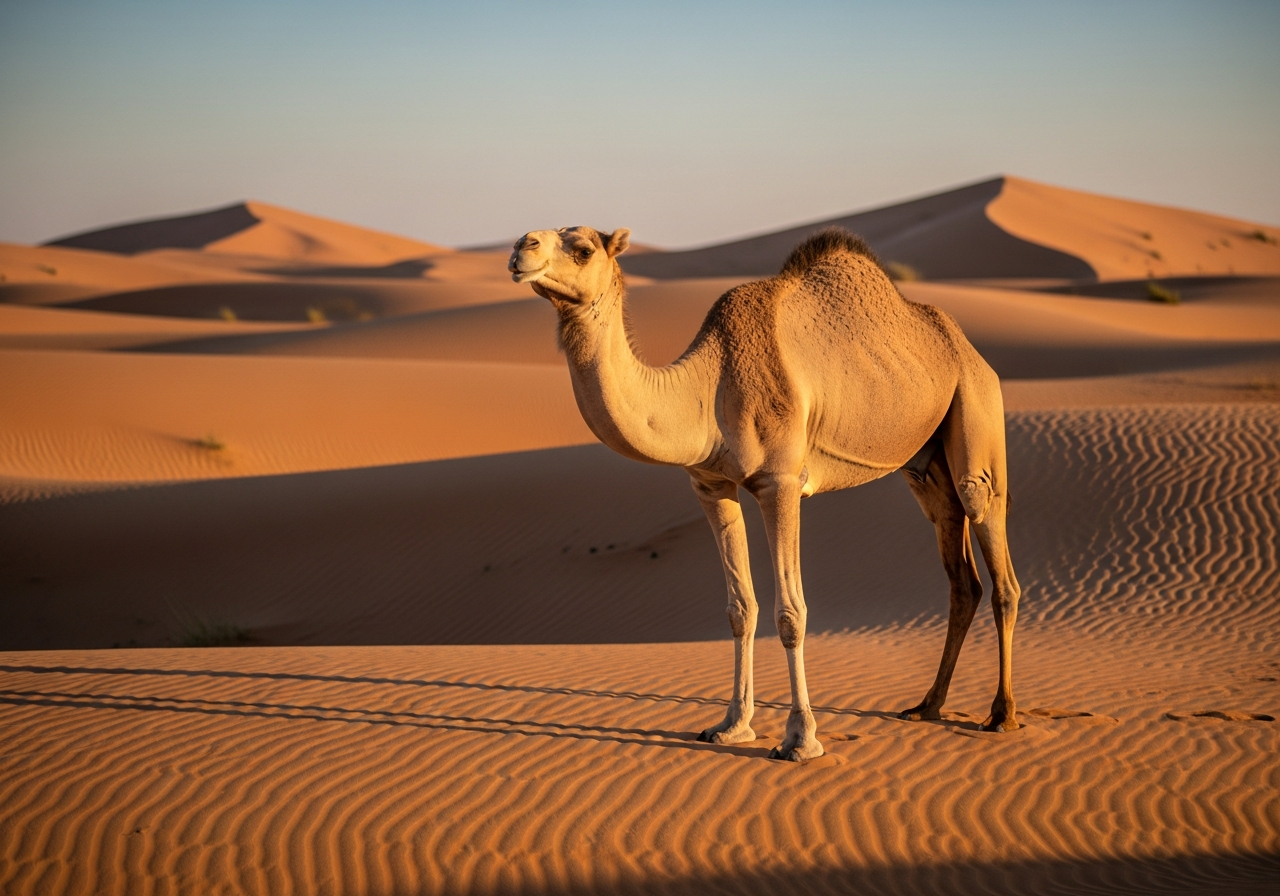 | Camel | 600 kg | Mammal | Least Concern |
| 9 | 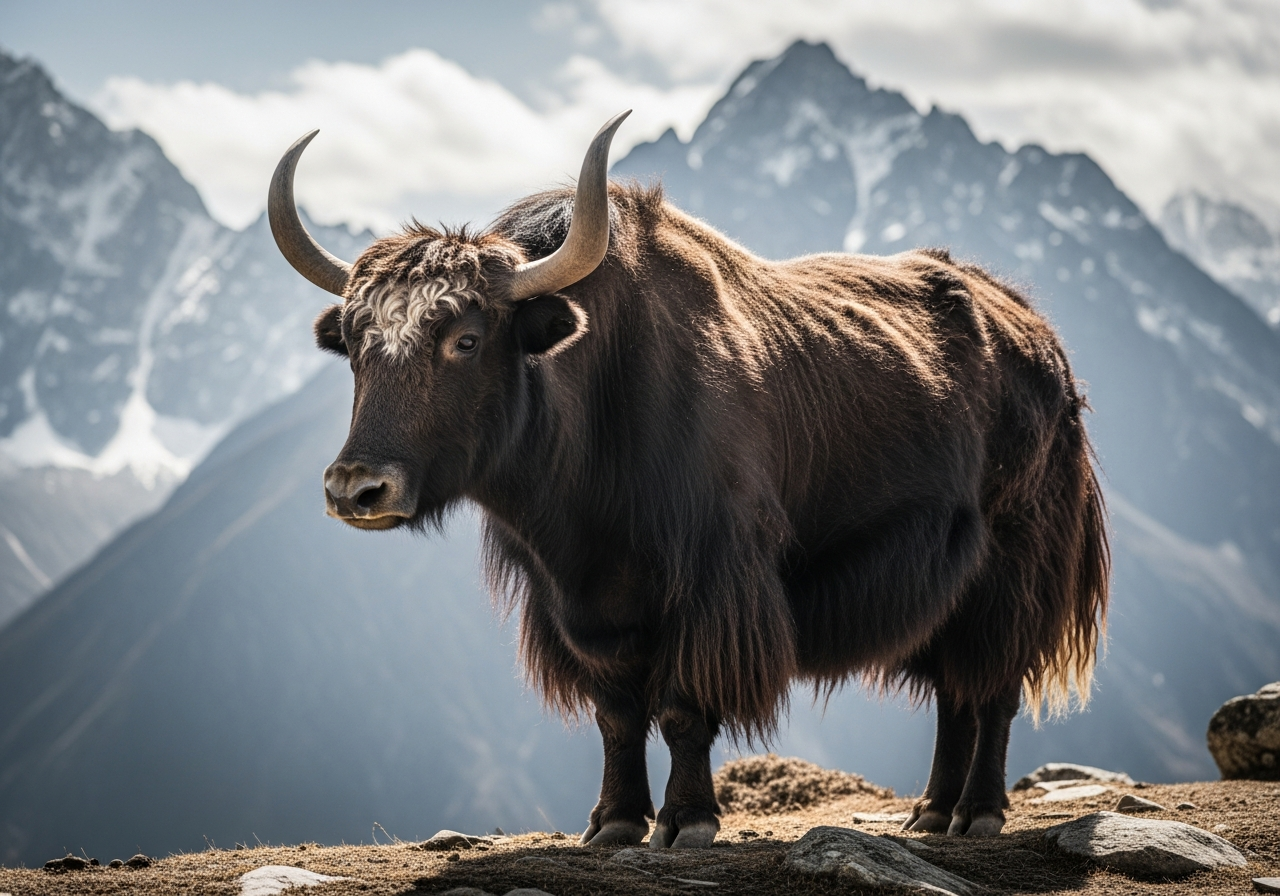 | Yak | 600 kg | Mammal | Vulnerable |
| 10 | 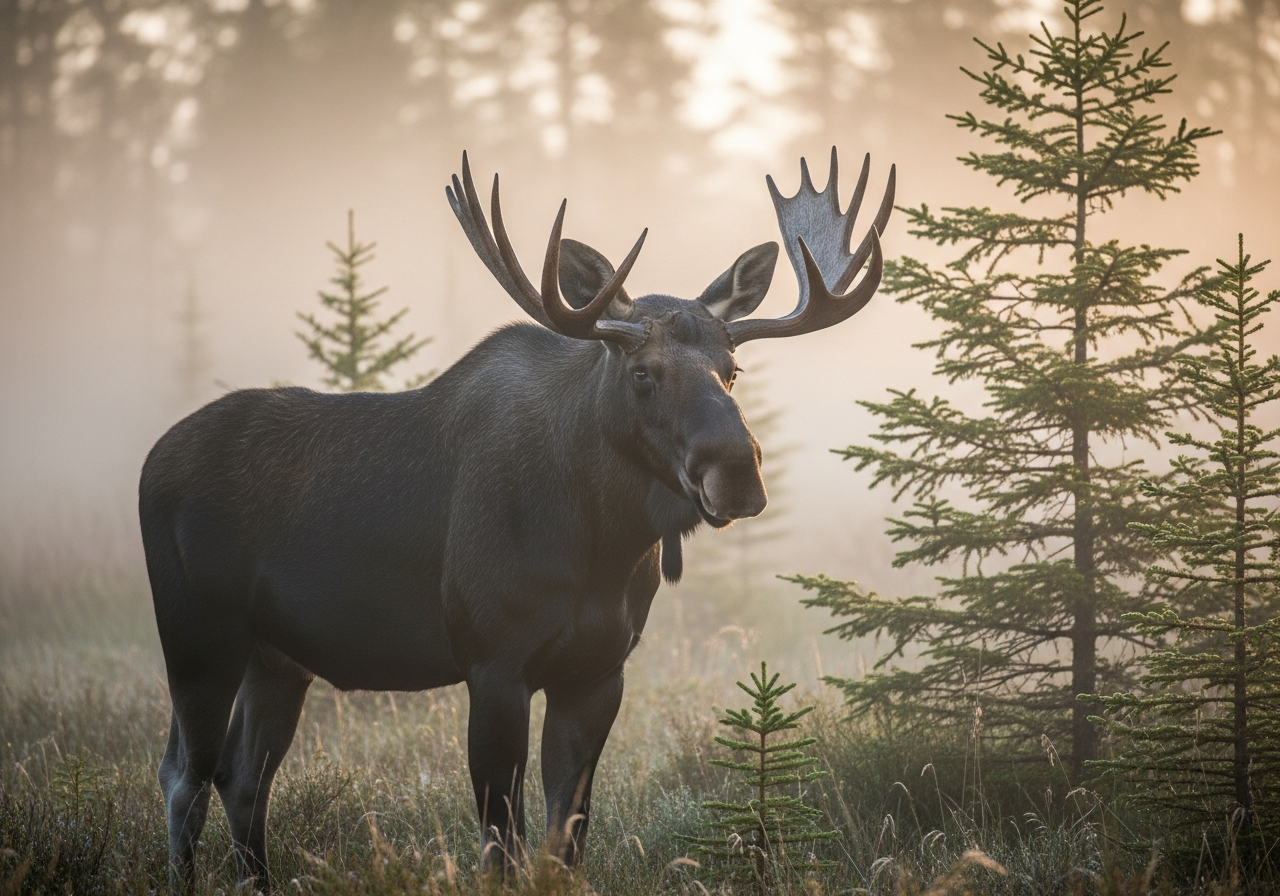 | Moose | 540 kg | Mammal | Least Concern |
Why don't land animals get any bigger?
On land, weight is a constant negotiation with gravity. Bones must support the load, so they thicken disproportionately as animals get heavier — double an animal's size and its weight goes up roughly eightfold while bone strength only quadruples. Large bodies also trap heat and demand enormous amounts of food: an elephant spends most of its waking hours eating. Whales escape these limits because seawater buoys their bodies, which is why the 150,000 kg blue whale can exist but nothing close to it walks on land.
The heavyweight problem: everything big is at risk
Look at the status column and a pattern emerges — seven of the ten heaviest land animals are Vulnerable, Near Threatened or Endangered. Big animals need big ranges, mature slowly and produce few young, so their populations recover poorly from hunting and habitat loss. The elephant, rhino, hippo, giraffe, bison, polar bear and yak all sit on the IUCN Red List's watch categories.
Largest land animals: FAQs
What is the largest land animal?
The African elephant, at up to 6,000 kg (6 tonnes) and around 7.5 m long in our guide's data. Bulls continue growing for much of their lives, and an adult male can stand over 3 m at the shoulder.
What is the largest animal in the world overall?
The blue whale — up to 150,000 kg (150 tonnes) and 30 m long, making it the largest animal known to have ever lived, heavier than any dinosaur we know of. It is fully marine, so it does not appear on this land-animals list.
What is the largest land reptile?
The saltwater crocodile, at up to 1,000 kg — it is also the largest living reptile of any kind. Big males exceed 5.5 m in length and are found from eastern India through Southeast Asia to northern Australia.
Is the hippopotamus really a land animal?
It is semi-aquatic: hippos rest in rivers and lakes by day to keep cool, then come ashore at night to graze on grass. They cannot actually swim — they walk or bounce along the riverbed. Because they feed and travel on land, they are traditionally counted among the largest land animals.