Amphibian
Poison Dart Frog
Tiny, brilliantly colored, and among the most toxic animals alive
Trusted wildlife guides
Friday, 25 September 2026Animals
All AnimalsAnimals A–ZCollectionsSharksBig CatsBearsSnakesFrogs and ToadsTurtles and TortoisesWhales and DolphinsPrimatesLearn biologyEducator packsHabitats & biomesRegionsBrowse by Class, Diet & HabitatIdentify WildlifeCollective NounsBaby AnimalsAnimal of the DayPoisonous animals carry toxins on their skin or tissues — you absorb poison by contact or ingestion. Contrast with venomous animals that inject toxin through bites or stings.
Rankings use stats and conservation status from our species database. For IUCN categories, verify current assessments on the IUCN Red List.
| Animal | Weight | Length | Top speed | Lifespan | Native to | Status |
|---|---|---|---|---|---|---|
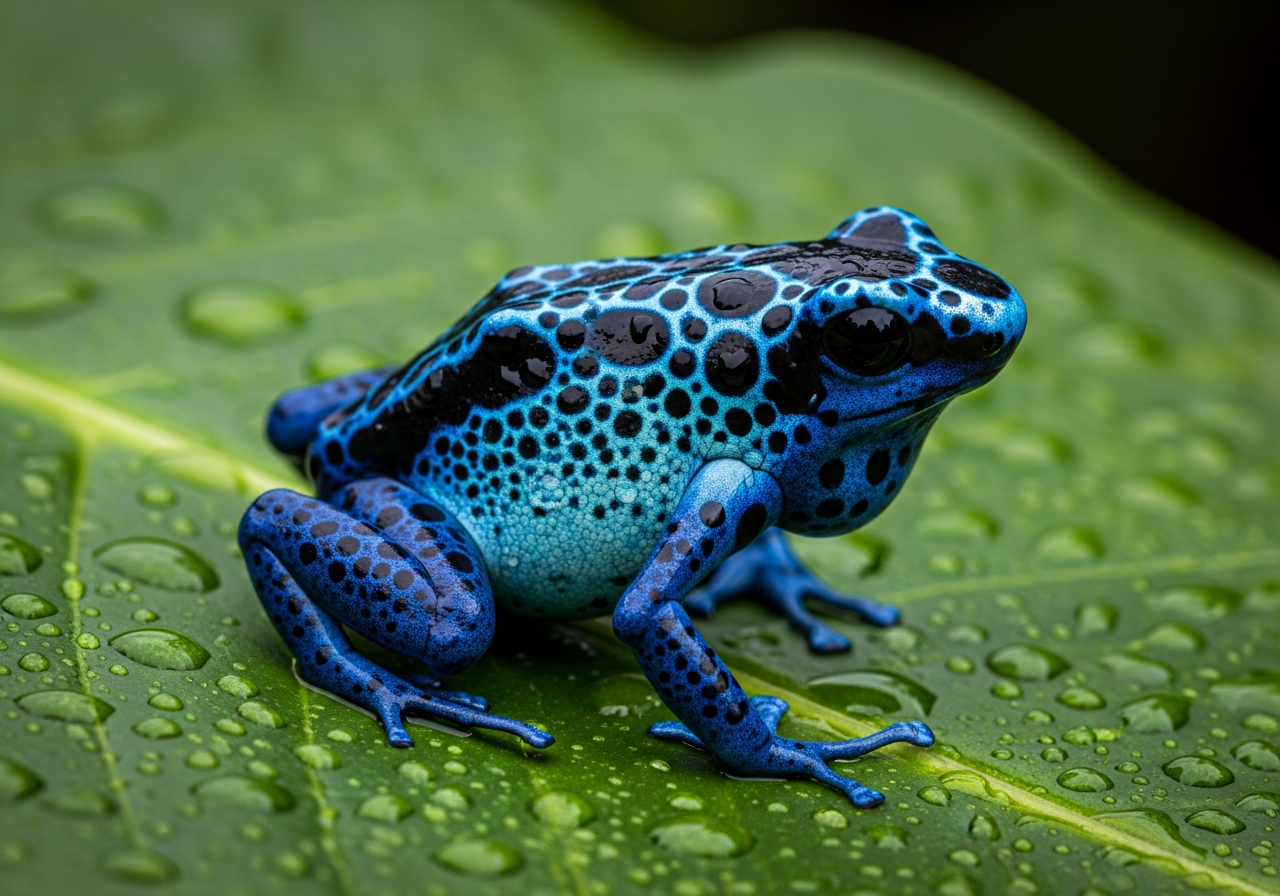
| Poison Dart Frog Dendrobatidae | 10 g | 5 cm | 3 km/h | 10 yrs | South America | Least Concern |
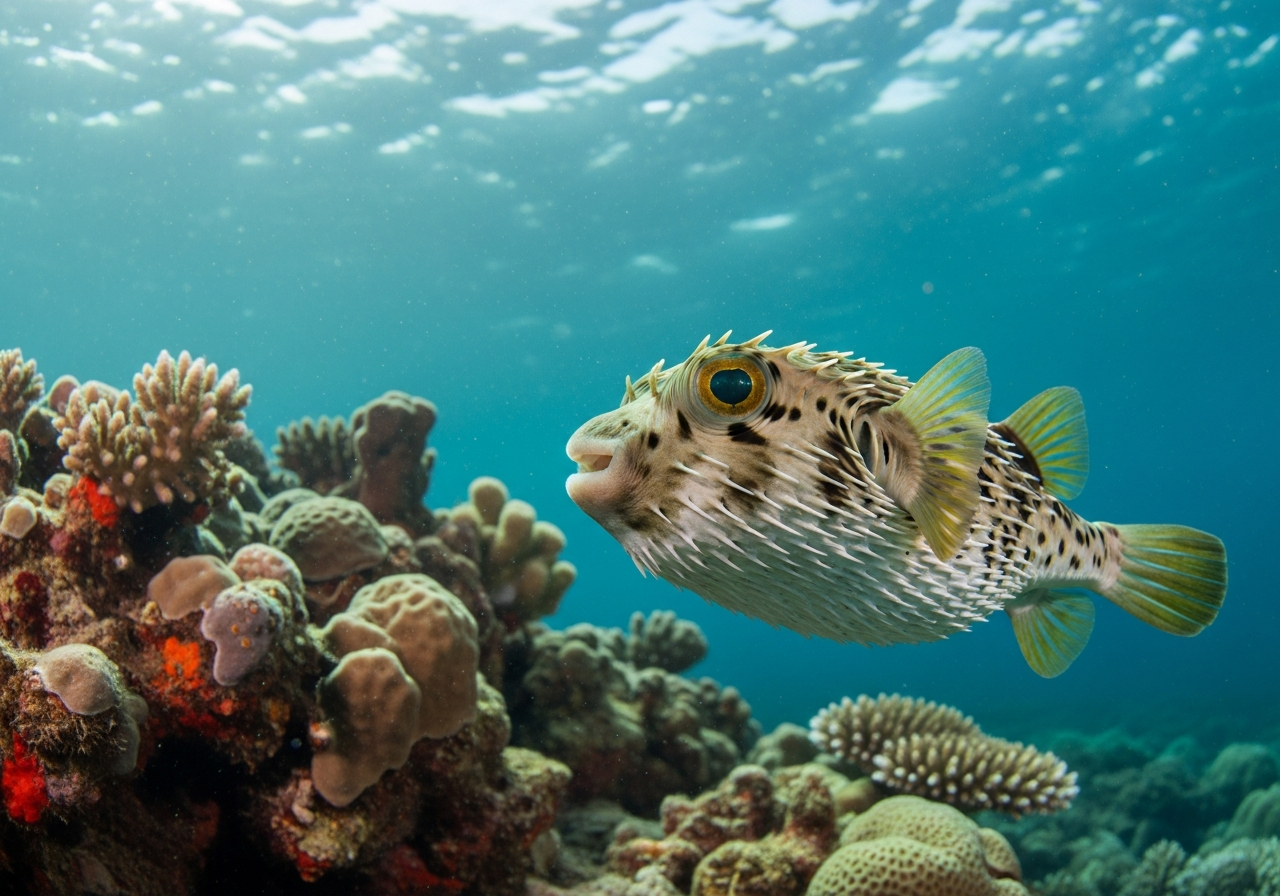
| Pufferfish Tetraodontidae | 1.2 kg | 30 cm | 12 km/h | 10 yrs | Oceans, Asia | Least Concern |
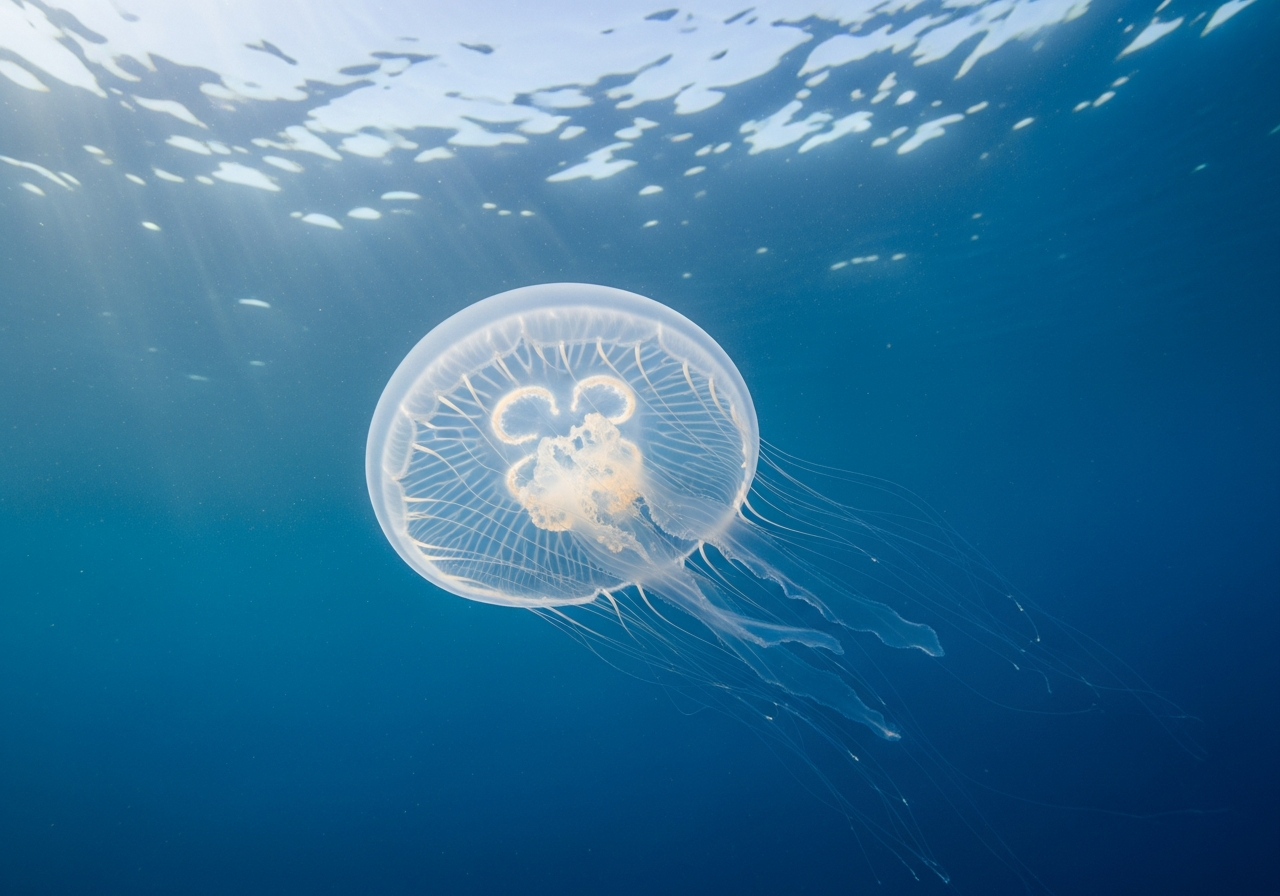
| Jellyfish Medusozoa | 2 kg | 40 cm | 8 km/h | 1 yrs | Oceans | Least Concern |
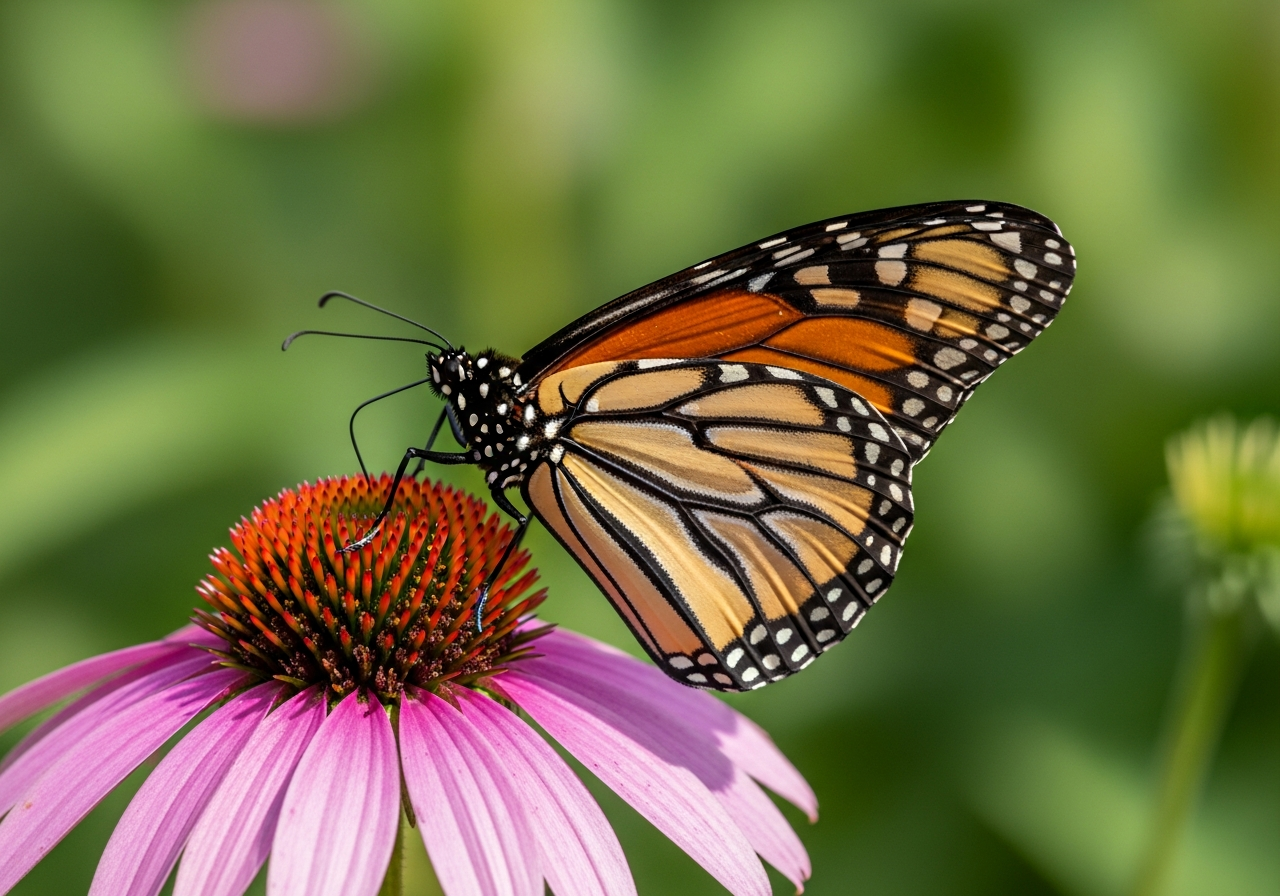
| Monarch Butterfly Danaus plexippus | 1 g | 10 cm | 12 km/h | 1 yrs | North America | Vulnerable |
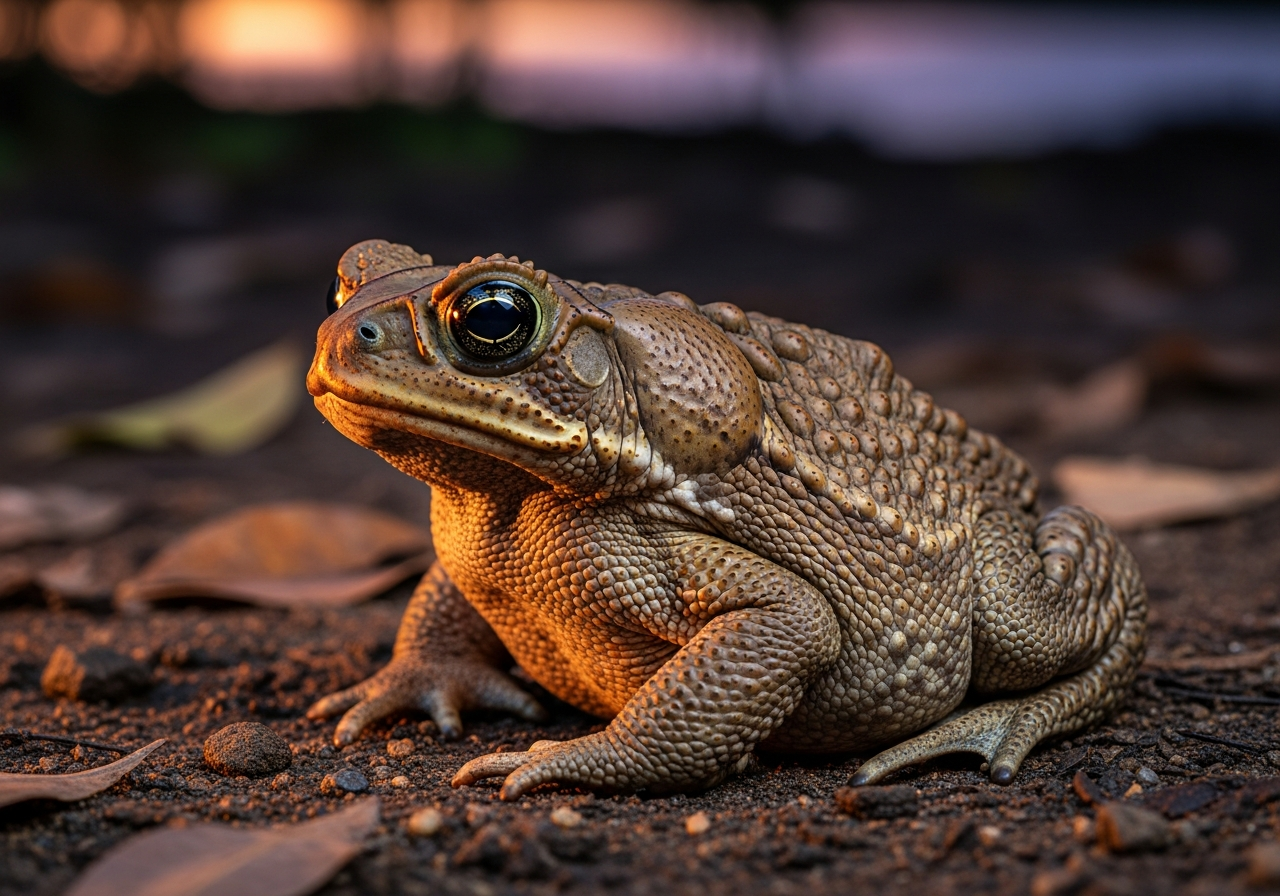
| Cane Toad Rhinella marina | 1 kg | 15 cm | 8 km/h | 12 yrs | North America, South America | Least Concern |
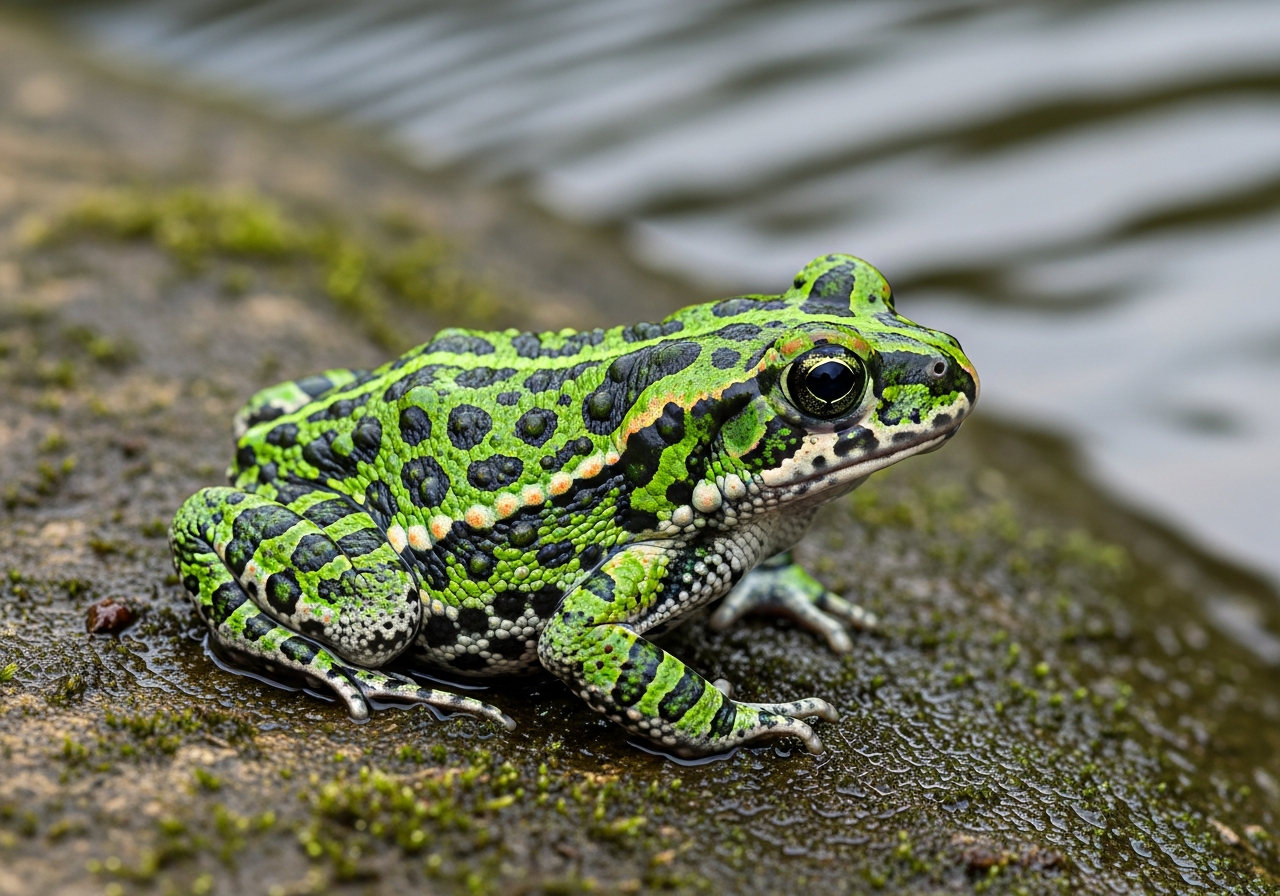
| Oriental Fire-bellied Toad Bombina orientalis | 40 g | 5 cm | 4 km/h | 14 yrs | Asia | Least Concern |
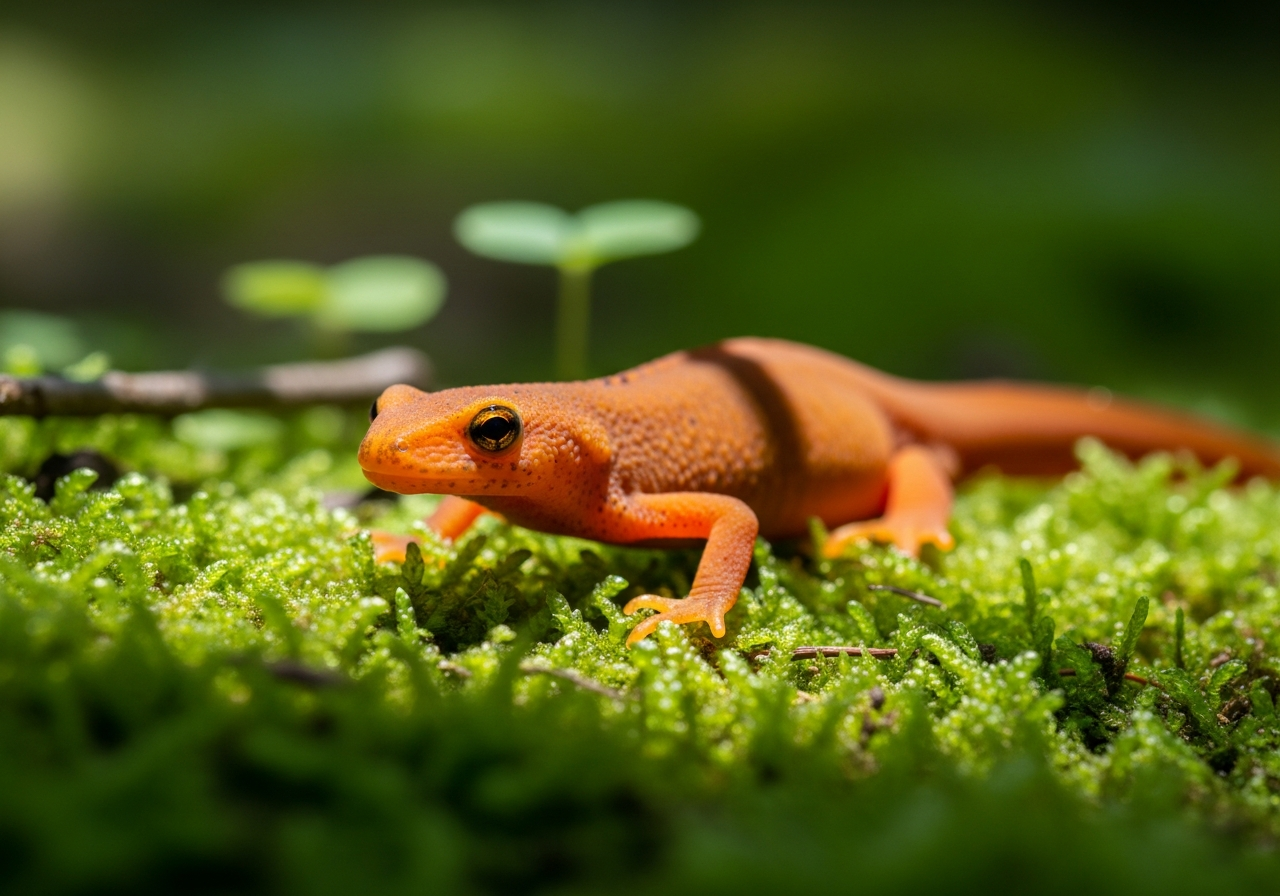
| Eastern Newt Notophthalmus viridescens | 10 g | 10 cm | 3 km/h | 13 yrs | North America | Least Concern |
Figures are typical adult maxima from each profile; follow a profile for ranges, sources and context.