Tiger vs Rhinoceros
Quick answer
In a hypothetical one-on-one, the Tiger would most likely come out on top in a close contest, thanks to its more dangerous natural weapons and superior speed. In reality, animals like these rarely meet, and both would usually avoid a fight.
This is a hypothetical, educational comparison based on typical size, strength, and natural weaponry. In the wild these animals rarely meet, and most encounters end without a fight.
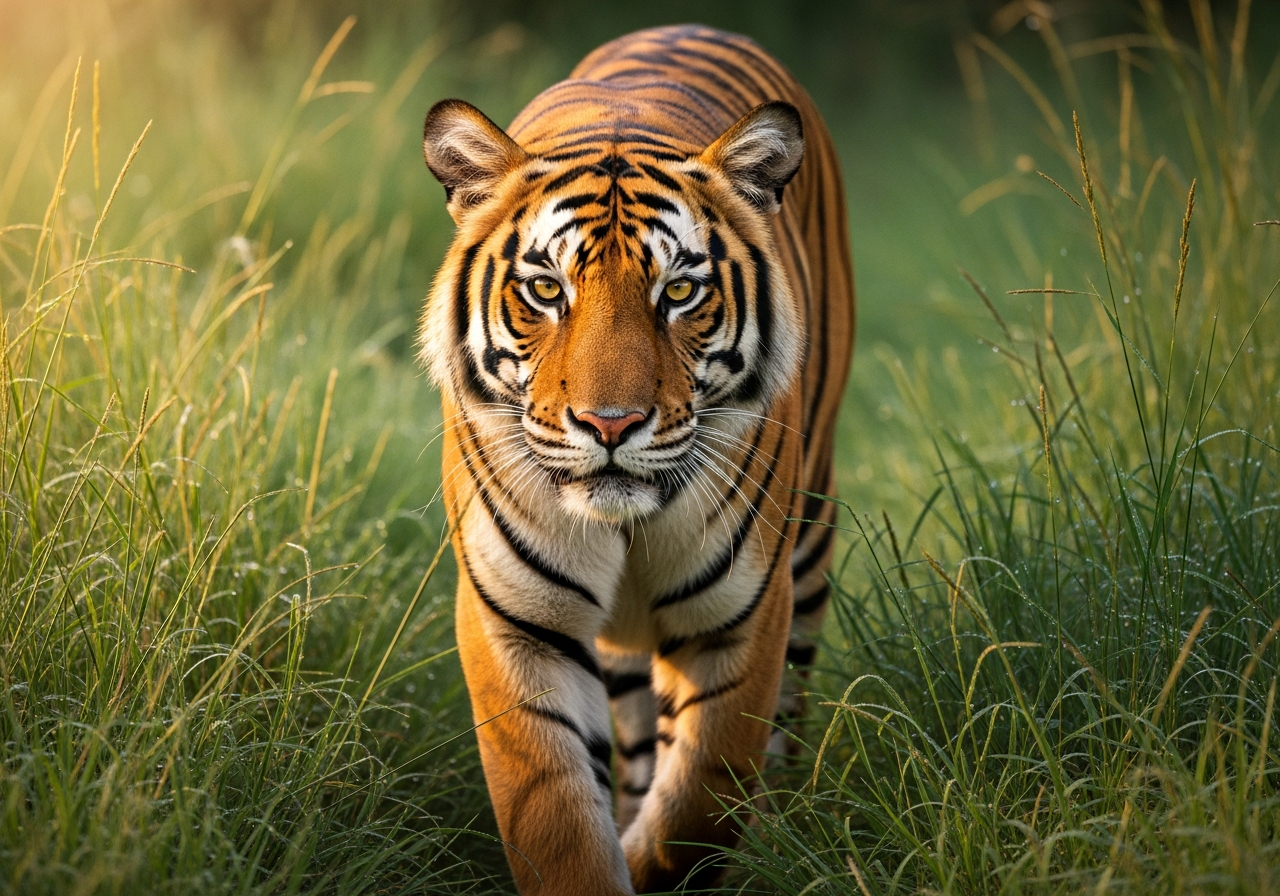
Mammal
Endangered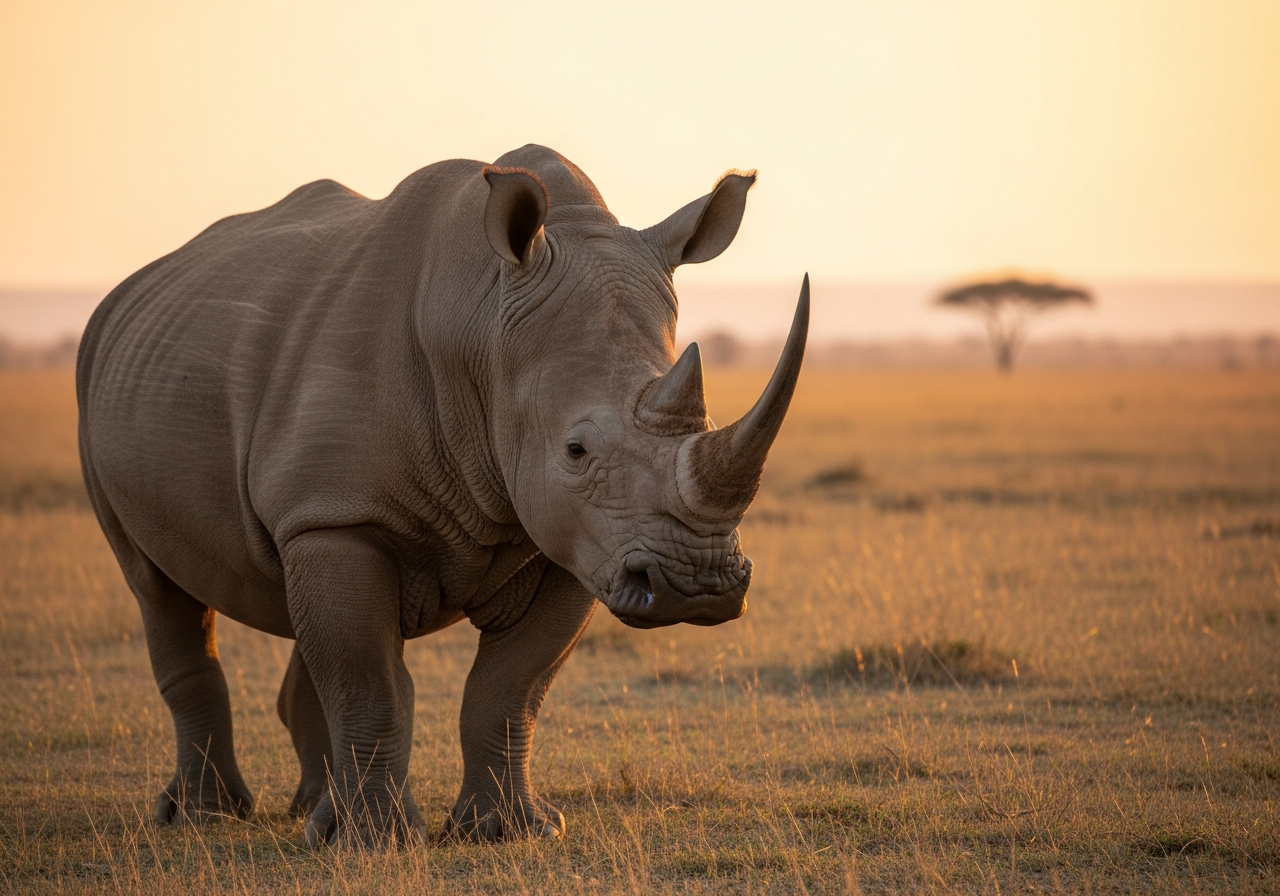
Mammal
Near ThreatenedTiger vs Rhinoceros compared
| Attribute | Tiger | Rhinoceros |
|---|---|---|
| Weight | 300 kg | 2.3 t |
| Length | 3.1 m | 3.8 m |
| Top speed | 65 km/h | 50 km/h |
| Strength | 88/100 | 90/100 |
| Deadliness | 88/100 | 60/100 |
| Intelligence | 66/100 | 45/100 |
| Lifespan | 15 yr | 45 yr |
Tiger vs Rhinoceros: common questions
Who would win in a fight, a Tiger or a Rhinoceros?
In a hypothetical one-on-one, the Tiger would most likely come out on top in a close contest, thanks to its more dangerous natural weapons and superior speed. In reality, animals like these rarely meet, and both would usually avoid a fight.
Which is bigger, the Tiger or the Rhinoceros?
The Rhinoceros is heavier, weighing around 2,300 kg compared with the other's 300 kg.
Which is faster, the Tiger or the Rhinoceros?
The Tiger is faster, reaching about 65 km/h versus 50 km/h.
Which lives longer, the Tiger or the Rhinoceros?
The Rhinoceros typically lives longer, up to around 45 years compared with 15 years.
Sources & references
Conservation status follows the IUCN Red List of Threatened Species; size, weight, speed, and lifespan figures are drawn from Animal Diversity Web (University of Michigan Museum of Zoology) and Nowak, Walker’s Mammals of the World (Johns Hopkins University Press), cross-checked against each species’ own guide. Compare full profiles for habitat, diet, and behaviour:
- Tiger — full guide
Source-checked detail: Tiger recovery in one country does not remove threats throughout its range. Scope: Global species, with regional differences. WWF — Tiger conservation (2026-09-19).
IUCN Red List (Endangered, Panthera tigris)
- Rhinoceros — full guide
IUCN Red List (Near Threatened, Ceratotherium simum)
-
Animal Diversity Web — University of Michigan Museum of Zoology
Life-history, morphology, and measurement data for Tiger and Rhinoceros.
-
Nowak, R. M. (1999). Walker’s Mammals of the World (6th ed.). Johns Hopkins University Press.
Standard reference for body size, weight, and life-span ranges.
-
Global Animal Guide editorial standards
How we research, source, and review wildlife comparisons.
Embed this matchup
Drop this iframe on your site — free for non-commercial use with the visible attribution link intact.