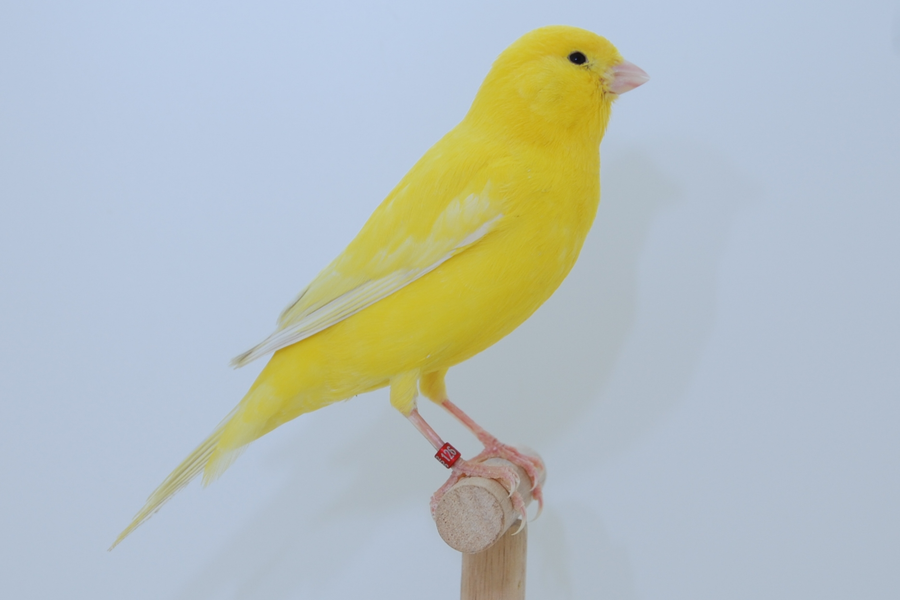
The canary (Serinus canaria) is a bird of the family Fringillidae, in the order Passeriformes.
Quick answer
Canaries are domesticated songbirds descended from wild Atlantic canaries of the Canary Islands, Madeira, and the Azores. Bred for centuries for colour and song, they weigh 15–25 g (0.5–0.9 oz) and are kept in millions of households — while wild populations on their native islands remain Least Concern.
Top questions about the Canary
Canary facts at a glance
- Weight 20 g
- Length 13 cm
- Top speed 40 km/h
- Lifespan 10 years
| Scientific name | Serinus canaria |
|---|---|
| Diet | Herbivore — seeds, greens, and egg food during breeding |
| Habitat | Domestic cages and aviaries; wild on Atlantic islands |
| Lifespan | 7–12 years in captivity; similar in the wild |
| Weight | 15–25 g (0.5–0.9 oz) |
| Top speed | Active flier in aviaries; wild birds migrate locally |
| Conservation status | Domesticated (IUCN) |
| Kingdom | Animalia |
|---|---|
| Phylum | Chordata |
| Class | Aves |
| Order | Passeriformes |
| Family | Fringillidae |
| Genus | Serinus |
Where it lives
The canary (Serinus canaria) is native to Wild Atlantic canaries on the Canary Islands, Madeira, and the Azores; domesticated varieties kept in cages and aviaries on every inhabited continent. — recorded across Africa, Europe in this guide’s range summary.
For occurrence records, see GBIF species search and sources below.
How big is a canary?
An adult canary measures 13 cm long — about 8% of the height of an average adult person (1.73 m) — and weighs around 20 g, a small fraction of an average adult’s body weight (70 kg).
Length vs an average adult’s height (to scale)
What is a group of canaries called?
Group name (collective noun)
A group of Canaries is called a flock.
Baby name
A baby Canary is called a chick.
Explore more animal collective nouns and baby animal names .
Domestication for song
Spanish and European breeders selected canaries for song quality from the 1500s onward, producing roller, timbrado, and American singer varieties with distinct melodies. Male canaries sing to defend territory and attract mates — hens chirp but typically do not produce elaborate song.
Wild Atlantic canary
Wild Serinus canaria on the Canary Islands, Madeira, and the Azores are streaky greenish-yellow finches of open woodland and coast. They were trapped and exported until captive breeding supplanted wild collection. Island populations remain secure.
Coal mine sentinel
Canaries were used in British coal mines until 1986 to detect carbon monoxide — birds succumb to toxic gas faster than humans, giving miners warning to evacuate. The phrase 'canary in a coal mine' now means an early warning indicator for any danger.
Modern pet care
Pet canaries need spacious cages, varied seed diet with fresh greens, and safe flying time. Colour-fed red factors require dietary carotenoids. They are hardy but sensitive to drafts, fumes, and sudden diet changes — popular beginner birds when basic needs are met.
Dig deeper into the Canary
- Canary: Key Facts
Canaries are domesticated songbirds descended from wild Atlantic canaries of the Canary Islands, Madeira, and the Azores.
- How Fast Is A Canary?
Canary top speed is about Active flier in aviaries; wild birds migrate locally. Sprint vs endurance and what limits pace.
- How Long Do Canarys Live?
Canary lifespan is typically 7–12 years in captivity; similar in the wild. What shortens or extends life, life stages, and status (Domesticated).
- What Do Canarys Eat?
What canarys eat: Herbivore — seeds, greens, and egg food during breeding, foraging style, and seasonal shifts in Domestic cages and aviaries; wild on Atlantic islands.
- Where Do Canarys Live?
Where canarys live: Domestic cages and aviaries; wild on Atlantic islands, native range cues, and human overlap. Status Domesticated.
Explore the Canary
Compare
Close relatives
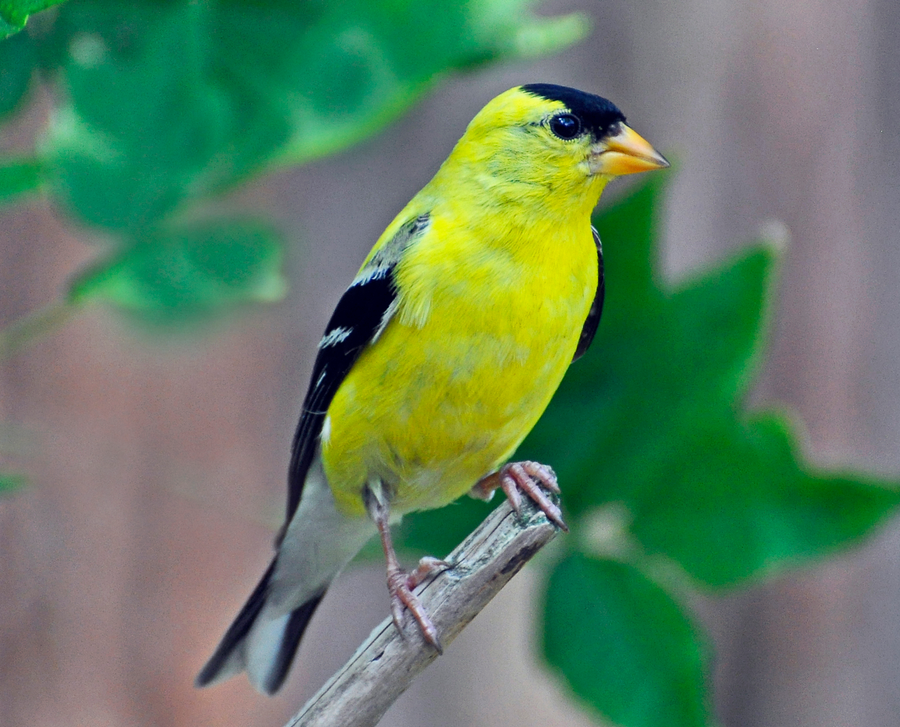
- American Goldfinch Same family
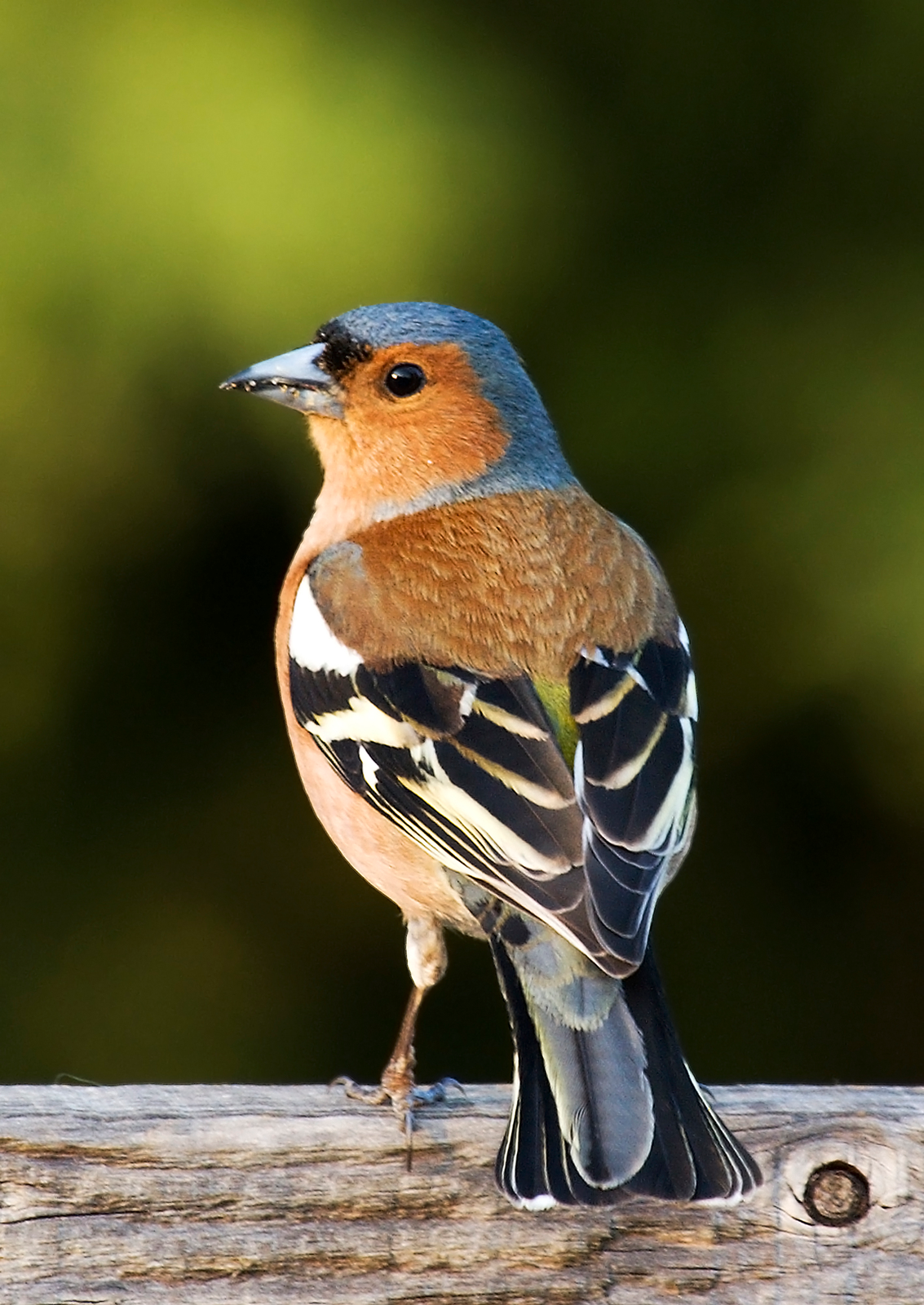
- Common Chaffinch Same family
- House Sparrow Same order
- Superb Lyrebird Same order
Range & geography
Did you know? Canary facts
- Canaries are domesticated songbirds descended from wild Atlantic canaries of the Canary Islands, Madeira, and the Azores.
- Yes — male canaries sing elaborate songs to mark territory and attract females. Females make short chirps and calls but not sustained song.
- The Canary Islands, Madeira, and the Azores in the eastern Atlantic — open woodland, scrub, and coastal gardens.
- Canaries are sensitive to carbon monoxide and methane. If a bird stopped singing or died, miners knew to evacuate before gas levels became lethal to humans.
- Typically 7–12 years in captivity with good care — longer than many small pet birds but shorter than large parrots.
- Conservation: Domesticated (IUCN).
Diet & feeding
Canary feeds primarily as a herbivore — seeds, greens, and egg food during breeding. Pet canaries need spacious cages, varied seed diet with fresh greens, and safe flying time. Colour-fed red factors require dietary carotenoids. They are hardy but sensitive to drafts, fumes, and sudden diet changes — popular beginner b
Adaptations
- Spanish and European breeders selected canaries for song quality from the 1500s onward, producing roller, timbrado, and American singer varieties with distinct melodies. Male canaries sing to defend territory and attract mates — hens chirp but typically do not produce elaborate song.
- Wild Serinus canaria on the Canary Islands, Madeira, and the Azores are streaky greenish-yellow finches of open woodland and coast. They were trapped and exported until captive breeding supplanted wild collection. Island populations remain secure.
Behaviour & ecology
- Spanish and European breeders selected canaries for song quality from the 1500s onward, producing roller, timbrado, and American singer varieties with distinct melodies. Male canaries sing to defend territory and attract mates — hens chirp but typically do not produce elaborate song.
- Wild Serinus canaria on the Canary Islands, Madeira, and the Azores are streaky greenish-yellow finches of open woodland and coast. They were trapped and exported until captive breeding supplanted wild collection. Island populations remain secure.
- Canaries were used in British coal mines until 1986 to detect carbon monoxide — birds succumb to toxic gas faster than humans, giving miners warning to evacuate. The phrase 'canary in a coal mine' now means an early warning indicator for any danger.
Communication
- Canary uses calls and visual displays to communicate territory, alarm, and breeding status.
- Vocal repertoires vary by species and are often learned or refined during development.
Habitat & range
Domestic cages and aviaries; wild on Atlantic islands
Ecological role
Canary shapes vegetation through grazing or browsing and serves as prey for larger predators where ranges overlap.
Conservation status of the Canary
The canary (Serinus canaria) is listed as Domesticated on the IUCN Red List. Domesticated animals are species kept and selectively bred by humans over many generations, such as dogs, cats, and livestock. They are not assessed for extinction risk in the wild by the IUCN, because their populations are managed by people rather than subject to natural pressures.
The canary (Serinus canaria) is assessed on the IUCN Red List. Look up on the IUCN Red List .
Frequently asked questions about the Canary
Do only male canaries sing?
Yes — male canaries sing elaborate songs to mark territory and attract females. Females make short chirps and calls but not sustained song.
Where do wild canaries live?
The Canary Islands, Madeira, and the Azores in the eastern Atlantic — open woodland, scrub, and coastal gardens.
Why were canaries used in coal mines?
Canaries are sensitive to carbon monoxide and methane. If a bird stopped singing or died, miners knew to evacuate before gas levels became lethal to humans.
How long do canaries live?
Typically 7–12 years in captivity with good care — longer than many small pet birds but shorter than large parrots.
Are canaries finches?
Yes — they belong to the finch family Fringillidae, related to goldfinches and siskins, not true parrots despite their popularity as cage birds.
What is a group of canaries called?
A group of Canaries is called a flock.
What is a baby canary called?
A baby Canary is called a chick.
Sources & references
This guide is compiled and reviewed against established zoological and conservation references. Key sources for the Canary:
-
IUCN Red List of Threatened Species
Conservation status (Domesticated) reflects the IUCN Red List category for Serinus canaria.
-
iNaturalist — observations & photos
Search citizen-science observations and community IDs for Serinus canaria. Useful for range checks and recent sightings — not a substitute for formal Red List status.
-
GBIF — occurrence data
Global Biodiversity Information Facility species search for Serinus canaria. Explore published occurrence records used in range research.
-
eBird — bird observations
Cornell Lab eBird target search for Canary. Check recent checklists and seasonal abundance where birders report this species.
- IUCN Red List — Serinus canaria.
Conservation status (Domesticated) and population trends.
- Animal Diversity Web — Serinus canaria. University of Michigan Museum of Zoology.
Life history, morphology, and range.
-
Global Animal Guide editorial standards
How we research, source, review, and update every guide for accuracy.