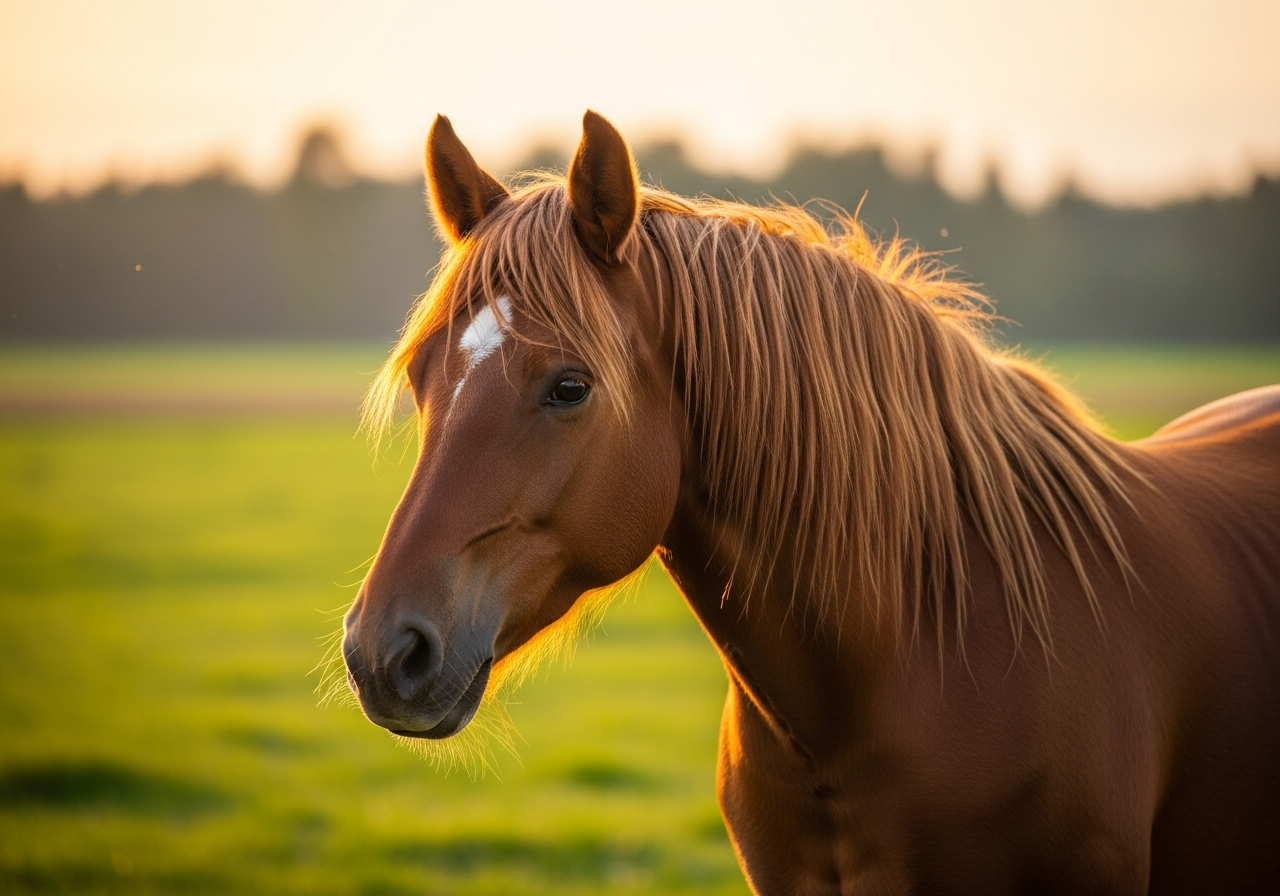
Photo: Nokota_Horses.jpg: François Marchal derivative work: Dana boomer (talk) · CC BY-SA 3.0 · source · credits
The horse (Equus caballus) is a mammal of the horse family, Equidae, in the order Perissodactyla.
Quick answer
The horse is a large domesticated mammal kept for riding, sport, work, and companionship for thousands of years. Horses are powerful herbivores that can stand and run within hours of birth, communicate through body language and ear position, and typically live 25 to 30 years. They were first domesticated on the grasslands of Central Asia.
Top questions about the Horse
Also available in Español (Caballo)
Horse facts at a glance
- Weight 500 kg
- Length 2.4 m
- Top speed 70 km/h
- Lifespan 28 years
| Scientific name | Equus caballus |
|---|---|
| Diet | Herbivore |
| Habitat | Domesticated; grasslands and pasture |
| Lifespan | 25–30 years |
| Weight | 380–1,000 kg (840–2,200 lb) |
| Top speed | Up to 88 km/h (55 mph) at a sprint |
| Conservation status | Domesticated |
| Kingdom | Animalia |
|---|---|
| Phylum | Chordata |
| Class | Mammalia |
| Order | Perissodactyla |
| Family | Equidae |
| Genus | Equus |
Where it lives
The horse (Equus caballus) is native to Domesticated on the grassland steppes of Central Asia; now found worldwide. — recorded across Asia, Europe in this guide’s range summary.
For occurrence records, see GBIF species search and sources below.
How big is a horse?
An adult horse measures 2.4 m long — about 1.4× the height of an average adult person (1.73 m) — and weighs around 500 kg, about 7.1× an average adult’s body weight (70 kg).
Length vs an average adult’s height (to scale)
What is a group of horses called?
Group name (collective noun)
A group of Horses is called a herd. It is also known as a team or a harras.
Baby name
A baby Horse is called a foal.
Explore more animal collective nouns and baby animal names .
Built to run
Horses are prey animals built for speed and endurance. Foals can stand and run within hours of birth, an adaptation for escaping predators on open grassland. Their large eyes give them nearly 350-degree vision, and they sleep both lying down and standing up thanks to a locking mechanism in their legs.
Communication and intelligence
Horses are intelligent, social herd animals that communicate through subtle body language, especially the position of the ears, head, and tail. They form strong bonds, recognize individual people and horses, and can read human emotions, which is part of why they are used in therapy and equine-assisted programs.
Horses and humans
Domesticated on the steppes of Central Asia around 5,500 years ago, horses transformed travel, farming, trade, and warfare. Today they are kept mainly for riding, racing, sport, and companionship, with hundreds of breeds ranging from tiny ponies to massive draft horses.
Care and health
Horses need plenty of forage, fresh water, regular hoof care, and room to move. Their digestive system is designed for grazing little and often, so sudden diet changes can cause serious problems such as colic. Good dental and hoof care are central to a long, healthy life.
Dig deeper into the Horse
- How Fast Is A Horse?
Horse top speed is up to about 88 km/h (55 mph) at a sprint. Sprint vs endurance and what limits pace.
- How Long Do Horses Live?
Horse lifespan is typically 25–30 years. What shortens or extends life, life stages, and status (Domesticated).
- How Long Do Horses Live?
Horse lifespan is typically 25–30 years. What shortens or extends life, life stages, and status (Domesticated).
- What Do Horses Eat?
What horses eat: Herbivore, foraging style, and seasonal shifts in Domesticated; grasslands and pasture.
- Where Do Horses Live?
Where horses live: Domesticated; grasslands and pasture, native range cues, and human overlap. Status Domesticated.
Explore the Horse
Close relatives
- Przewalski's Horse Same genus
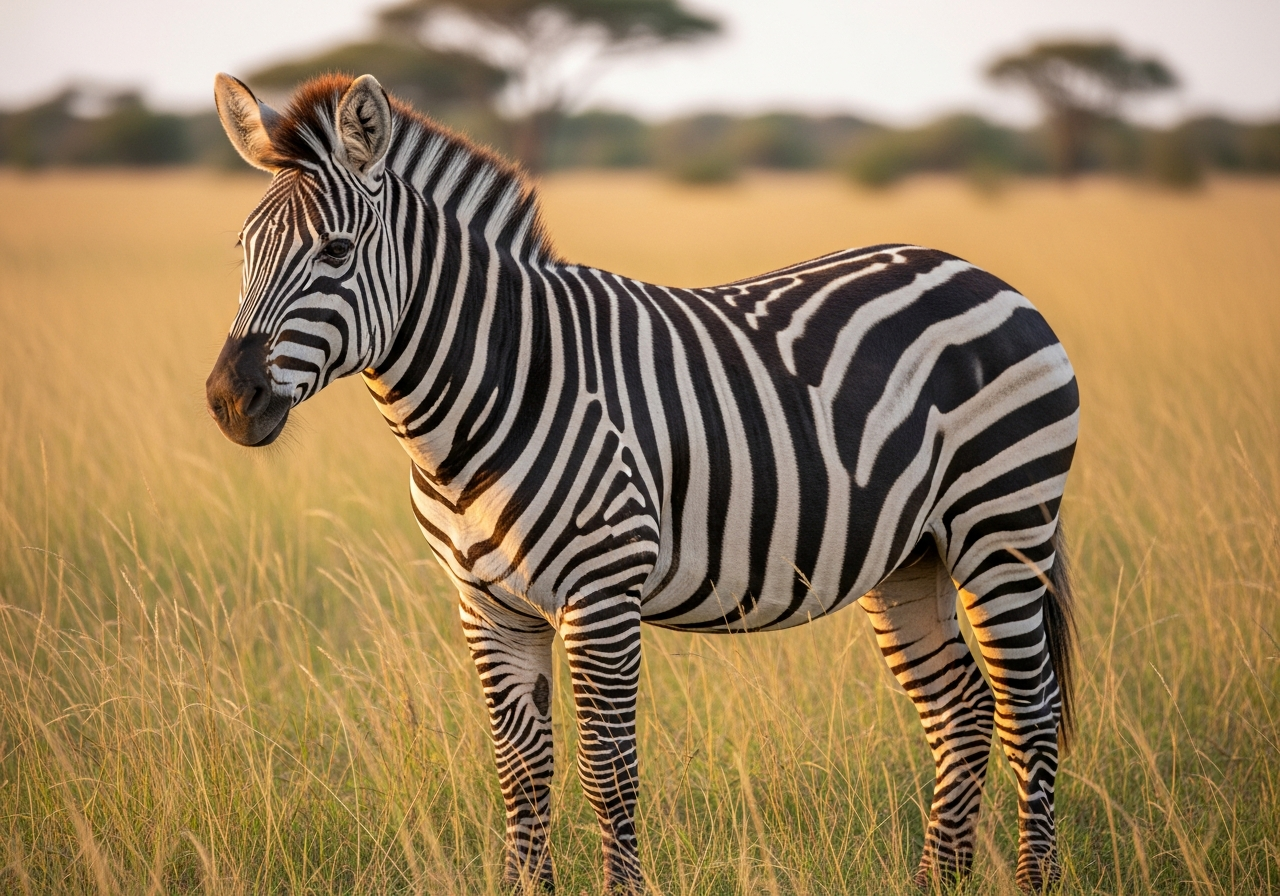
- Zebra Same genus
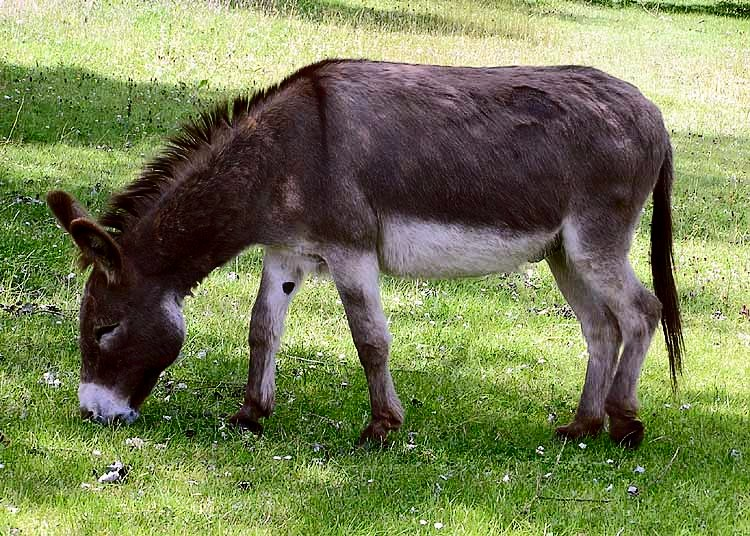
- Donkey Same genus
- Indian Rhinoceros Same order
Range & geography
Did you know? Horse facts
- The horse is a large domesticated mammal kept for riding, sport, work, and companionship for thousands of years.
- Most horses live 25 to 30 years, and some reach their forties with good care. Ponies often live even longer than full-sized horses.
- A galloping horse averages around 40 to 48 km/h (25 to 30 mph), but quarter horses have been clocked sprinting at up to about 88 km/h (55 mph) over short distances.
- Horses can doze standing up thanks to a stay apparatus that locks their legs, but they must lie down to reach deep REM sleep. They only need a few hours of sleep a day, taken in short stretches.
- Horses were first domesticated around 5,500 years ago on the grassland steppes of Central Asia, in the region of modern Kazakhstan and southern Russia.
- Conservation: Domesticated.
Diet & feeding
Horse feeds primarily as a herbivore. Horses are prey animals built for speed and endurance. Foals can stand and run within hours of birth, an adaptation for escaping predators on open grassland. Their large eyes give them nearly 350-degree vision, and they sleep both lying down and standing up thanks to a locking mech
Adaptations
- Horses are prey animals built for speed and endurance. Foals can stand and run within hours of birth, an adaptation for escaping predators on open grassland. Their large eyes give them nearly 350-degree vision, and they sleep both lying down and standing up thanks to a locking mechanism in their legs.
- Horses are intelligent, social herd animals that communicate through subtle body language, especially the position of the ears, head, and tail. They form strong bonds, recognize individual people and horses, and can read human emotions, which is part of why they are used in therapy and equine-assisted programs.
Behaviour & ecology
- Horses are prey animals built for speed and endurance. Foals can stand and run within hours of birth, an adaptation for escaping predators on open grassland. Their large eyes give them nearly 350-degree vision, and they sleep both lying down and standing up thanks to a locking mechanism in their legs.
- Horses are intelligent, social herd animals that communicate through subtle body language, especially the position of the ears, head, and tail. They form strong bonds, recognize individual people and horses, and can read human emotions, which is part of why they are used in therapy and equine-assisted programs.
- Domesticated on the steppes of Central Asia around 5,500 years ago, horses transformed travel, farming, trade, and warfare. Today they are kept mainly for riding, racing, sport, and companionship, with hundreds of breeds ranging from tiny ponies to massive draft horses.
Communication
- Horse uses scent, posture, and vocal signals to mark territory and coordinate social behaviour.
- Communication intensity often peaks during breeding seasons and territorial disputes.
Habitat & range
Domesticated; grasslands and pasture
Ecological role
Horse shapes vegetation through grazing or browsing and serves as prey for larger predators where ranges overlap.
Conservation status of the Horse
The horse (Equus caballus) is listed as Domesticated on the IUCN Red List. Domesticated animals are species kept and selectively bred by humans over many generations, such as dogs, cats, and livestock. They are not assessed for extinction risk in the wild by the IUCN, because their populations are managed by people rather than subject to natural pressures.
The horse (Equus caballus) is assessed on the IUCN Red List. Look up on the IUCN Red List .
Frequently asked questions about the Horse
How long do horses live?
Most horses live 25 to 30 years, and some reach their forties with good care. Ponies often live even longer than full-sized horses.
How fast can a horse run?
A galloping horse averages around 40 to 48 km/h (25 to 30 mph), but quarter horses have been clocked sprinting at up to about 88 km/h (55 mph) over short distances.
Do horses sleep standing up?
Horses can doze standing up thanks to a stay apparatus that locks their legs, but they must lie down to reach deep REM sleep. They only need a few hours of sleep a day, taken in short stretches.
Where were horses first domesticated?
Horses were first domesticated around 5,500 years ago on the grassland steppes of Central Asia, in the region of modern Kazakhstan and southern Russia.
Can horses see color?
Horses can see some color but not the full range humans do. They distinguish blues and yellows well but have trouble telling reds and greens apart, similar to red-green color blindness.
What is a group of horses called?
A group of Horses is called a herd. It is also known as a team or a harras.
What is a baby horse called?
A baby Horse is called a foal.
Sources & references
This guide is compiled and reviewed against established zoological and conservation references. Key sources for the Horse:
-
IUCN Red List of Threatened Species
Conservation status (Domesticated) reflects the IUCN Red List category for Equus caballus.
-
iNaturalist — observations & photos
Search citizen-science observations and community IDs for Equus caballus. Useful for range checks and recent sightings — not a substitute for formal Red List status.
-
GBIF — occurrence data
Global Biodiversity Information Facility species search for Equus caballus. Explore published occurrence records used in range research.
- IUCN Red List — Equus caballus.
Conservation status (Domesticated) and population trends.
- Animal Diversity Web — Equus caballus. University of Michigan Museum of Zoology.
Life history, morphology, and range.
-
Global Animal Guide editorial standards
How we research, source, review, and update every guide for accuracy.