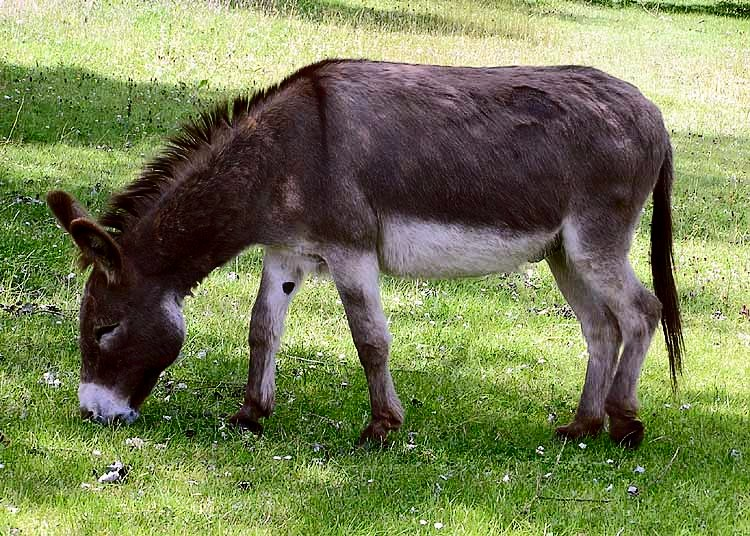
The donkey (Equus asinus) is a mammal of the horse family, Equidae, in the order Perissodactyla.
Quick answer
Donkeys were domesticated in northeastern Africa around 5,000 years ago and spread worldwide as pack animals, draft animals, and companions. They are intelligent, cautious, and form strong social bonds, with working donkeys still carrying water, goods, and livelihoods across low-income countries today.
Top questions about the Donkey
Donkey facts at a glance
- Weight 180 kg
- Length 1.6 m
- Top speed 40 km/h
- Lifespan 30 years
| Scientific name | Equus asinus |
|---|---|
| Diet | Herbivore — grass, hay, straw, and browse |
| Habitat | Worldwide on farms, rangelands, and arid regions |
| Lifespan | 25–30 years (sometimes over 40 with excellent care) |
| Weight | 80–480 kg (180–1,060 lb) depending on breed |
| Top speed | Up to 40 km/h (25 mph) at a gallop |
| Conservation status | Domesticated (IUCN) |
| Kingdom | Animalia |
|---|---|
| Phylum | Chordata |
| Class | Mammalia |
| Order | Perissodactyla |
| Family | Equidae |
| Genus | Equus |
Where it lives
The donkey (Equus asinus) is native to Domesticated from the African wild ass; working and feral donkeys now occur on every inhabited continent, especially in arid regions of Africa and Asia. — recorded across Africa, Asia, Europe, North America, South America in this guide’s range summary.
For occurrence records, see GBIF species search and sources below.
How big is a donkey?
An adult donkey measures 1.6 m long — about 92% of the height of an average adult person (1.73 m) — and weighs around 180 kg, about 2.6× an average adult’s body weight (70 kg).
Length vs an average adult’s height (to scale)
What is a group of donkeys called?
Group name (collective noun)
A group of Donkeys is called a herd. It is also known as a pace.
Baby name
A baby Donkey is called a foal.
Explore more animal collective nouns and baby animal names .
Domestication and history
The African wild ass is the ancestor of the domestic donkey. Ancient Egyptians and Mesopotamians valued donkeys for transport across terrain too arid for horses. Today an estimated 50 million donkeys exist worldwide, most of them working animals in low- and middle-income countries.
Behaviour and intelligence
Donkeys freeze and assess danger rather than fleeing like horses — often misread as stubbornness. They have excellent memories, strong social bonds, and communicate with brays, ear position, and body language. Miniature and standard breeds serve as pets and therapy animals in many countries.
Working donkey welfare
Working donkeys haul water, bricks, and market goods in heat and traffic, often without veterinary care. Preventable problems include harness wounds, lameness, dental disease, and exhaustion. Mobile clinics, farriery, and owner education dramatically improve welfare where they reach working animals.
Guard donkeys and modern roles
Farmers use donkeys to protect sheep and goats from coyotes and dogs — donkeys chase and kick intruders. Donkeys also support ecotourism, trekking, and companion-animal roles, but they need proper hoof care, dental checks, and companionship because they are herd animals.
Dig deeper into the Donkey
- Donkey: Key Facts
Donkeys were domesticated in northeastern Africa around 5,000 years ago and spread worldwide as pack animals, draft animals, and companions.
- How Fast Is A Donkey?
Donkey top speed is up to about 40 km/h (25 mph) at a gallop. Sprint vs endurance and what limits pace.
- How Long Do Donkeys Live?
Donkey lifespan is typically 25–30 years (sometimes over 40 with excellent care). What shortens or extends life, life stages, and status (Domesticated).
- What Do Donkeys Eat?
What donkeys eat: Herbivore — grass, hay, straw, and browse, foraging style, and seasonal shifts in Worldwide on farms, rangelands, and arid regions.
- Where Do Donkeys Live?
Where donkeys live: Worldwide on farms, rangelands, and arid regions, native range cues, and human overlap. Status Domesticated.
Explore the Donkey
Compare
Close relatives
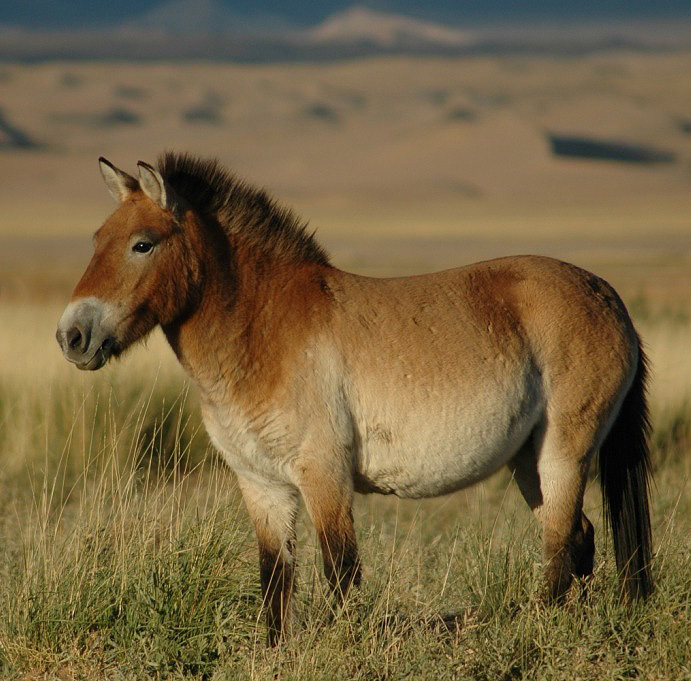
- Przewalski's Horse Same genus
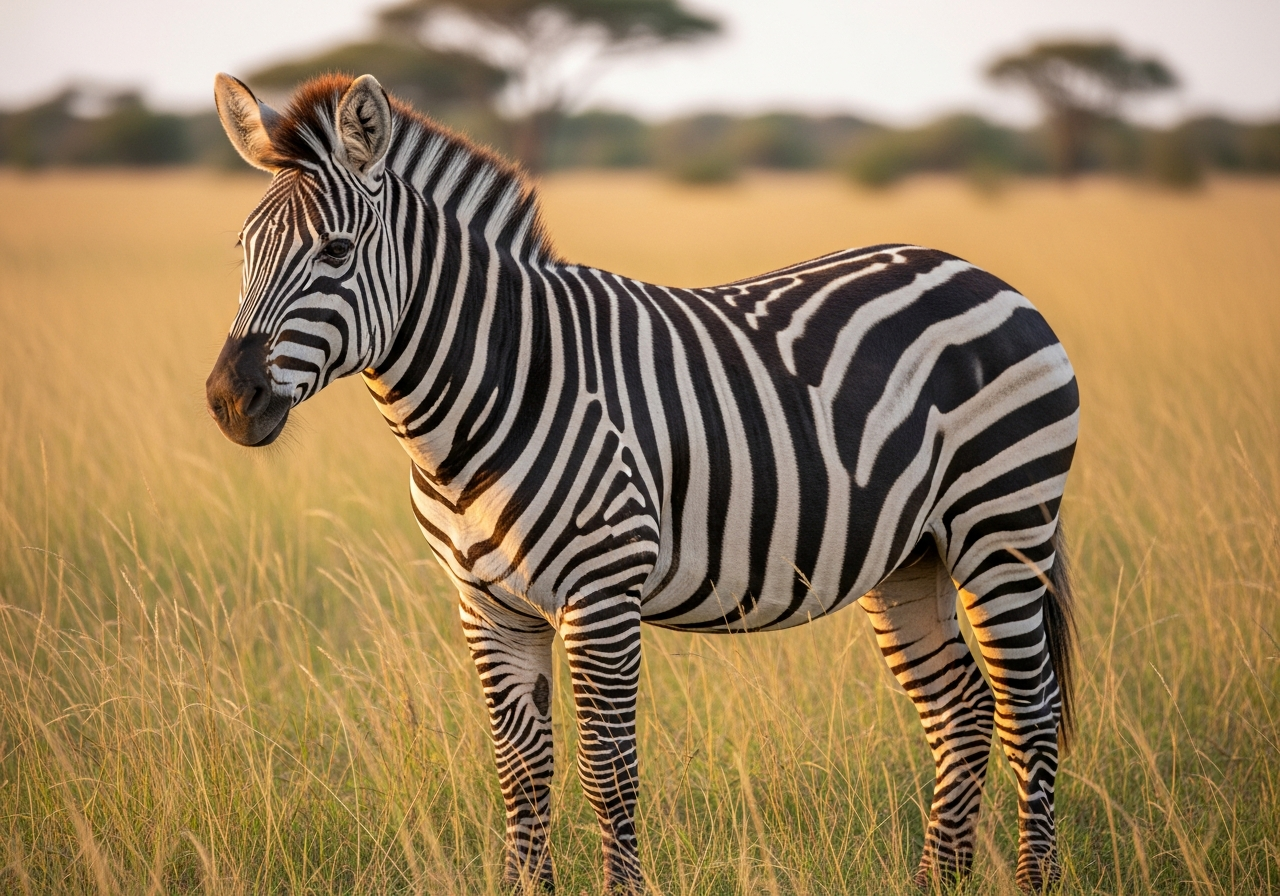
- Zebra Same genus
- Horse Same genus
- Indian Rhinoceros Same order
Did you know? Donkey facts
- Donkeys were domesticated in northeastern Africa around 5,000 years ago and spread worldwide as pack animals, draft animals, and companions.
- Donkeys often live 25–30 years, and some exceed 40 with excellent nutrition, dental care, and hoof maintenance.
- A mule is the hybrid offspring of a male donkey and a female horse. Mules are usually sterile; donkeys and horses are separate species that can interbreed.
- Large ears help dissipate heat in arid climates and provide excellent hearing for detecting predators across open country.
- Donkeys can be affectionate companions but need space, another donkey or compatible equine for company, regular hoof and dental care, and appropriate diet — they are not low-maintenance pets.
- Conservation: Domesticated (IUCN).
Diet & feeding
Donkey feeds primarily as a herbivore — grass, hay, straw, and browse. Working donkeys haul water, bricks, and market goods in heat and traffic, often without veterinary care. Preventable problems include harness wounds, lameness, dental disease, and exhaustion. Mobile clinics, farriery, and owner education dramaticall
Adaptations
- The African wild ass is the ancestor of the domestic donkey. Ancient Egyptians and Mesopotamians valued donkeys for transport across terrain too arid for horses. Today an estimated 50 million donkeys exist worldwide, most of them working animals in low- and middle-income countries.
- Donkeys freeze and assess danger rather than fleeing like horses — often misread as stubbornness. They have excellent memories, strong social bonds, and communicate with brays, ear position, and body language. Miniature and standard breeds serve as pets and therapy animals in many countries.
Behaviour & ecology
- The African wild ass is the ancestor of the domestic donkey. Ancient Egyptians and Mesopotamians valued donkeys for transport across terrain too arid for horses. Today an estimated 50 million donkeys exist worldwide, most of them working animals in low- and middle-income countries.
- Donkeys freeze and assess danger rather than fleeing like horses — often misread as stubbornness. They have excellent memories, strong social bonds, and communicate with brays, ear position, and body language. Miniature and standard breeds serve as pets and therapy animals in many countries.
- Working donkeys haul water, bricks, and market goods in heat and traffic, often without veterinary care. Preventable problems include harness wounds, lameness, dental disease, and exhaustion. Mobile clinics, farriery, and owner education dramatically improve welfare where they reach working animals.
Communication
- Donkey uses scent, posture, and vocal signals to mark territory and coordinate social behaviour.
- Communication intensity often peaks during breeding seasons and territorial disputes.
Habitat & range
Worldwide on farms, rangelands, and arid regions
Ecological role
Donkey shapes vegetation through grazing or browsing and serves as prey for larger predators where ranges overlap.
Conservation status of the Donkey
The donkey (Equus asinus) is listed as Domesticated on the IUCN Red List. Domesticated animals are species kept and selectively bred by humans over many generations, such as dogs, cats, and livestock. They are not assessed for extinction risk in the wild by the IUCN, because their populations are managed by people rather than subject to natural pressures.
The donkey (Equus asinus) is assessed on the IUCN Red List. Look up on the IUCN Red List .
Frequently asked questions about the Donkey
How long do donkeys live?
Donkeys often live 25–30 years, and some exceed 40 with excellent nutrition, dental care, and hoof maintenance.
Donkey vs mule — what is the difference?
A mule is the hybrid offspring of a male donkey and a female horse. Mules are usually sterile; donkeys and horses are separate species that can interbreed.
Why do donkeys have long ears?
Large ears help dissipate heat in arid climates and provide excellent hearing for detecting predators across open country.
Are donkeys good pets?
Donkeys can be affectionate companions but need space, another donkey or compatible equine for company, regular hoof and dental care, and appropriate diet — they are not low-maintenance pets.
How many working donkeys are there?
There are an estimated 50 million donkeys worldwide, the vast majority working in Africa and Asia. Together with horses and mules, working equids support livelihoods for hundreds of millions of people.
What is a group of donkeys called?
A group of Donkeys is called a herd. It is also known as a pace.
What is a baby donkey called?
A baby Donkey is called a foal.
Sources & references
This guide is compiled and reviewed against established zoological and conservation references. Key sources for the Donkey:
-
IUCN Red List of Threatened Species
Conservation status (Domesticated) reflects the IUCN Red List category for Equus asinus.
-
iNaturalist — observations & photos
Search citizen-science observations and community IDs for Equus asinus. Useful for range checks and recent sightings — not a substitute for formal Red List status.
-
GBIF — occurrence data
Global Biodiversity Information Facility species search for Equus asinus. Explore published occurrence records used in range research.
- IUCN Red List — Equus asinus.
Conservation status (Domesticated) and population trends.
- Animal Diversity Web — Equus asinus. University of Michigan Museum of Zoology.
Life history, morphology, and range.
-
Global Animal Guide editorial standards
How we research, source, review, and update every guide for accuracy.