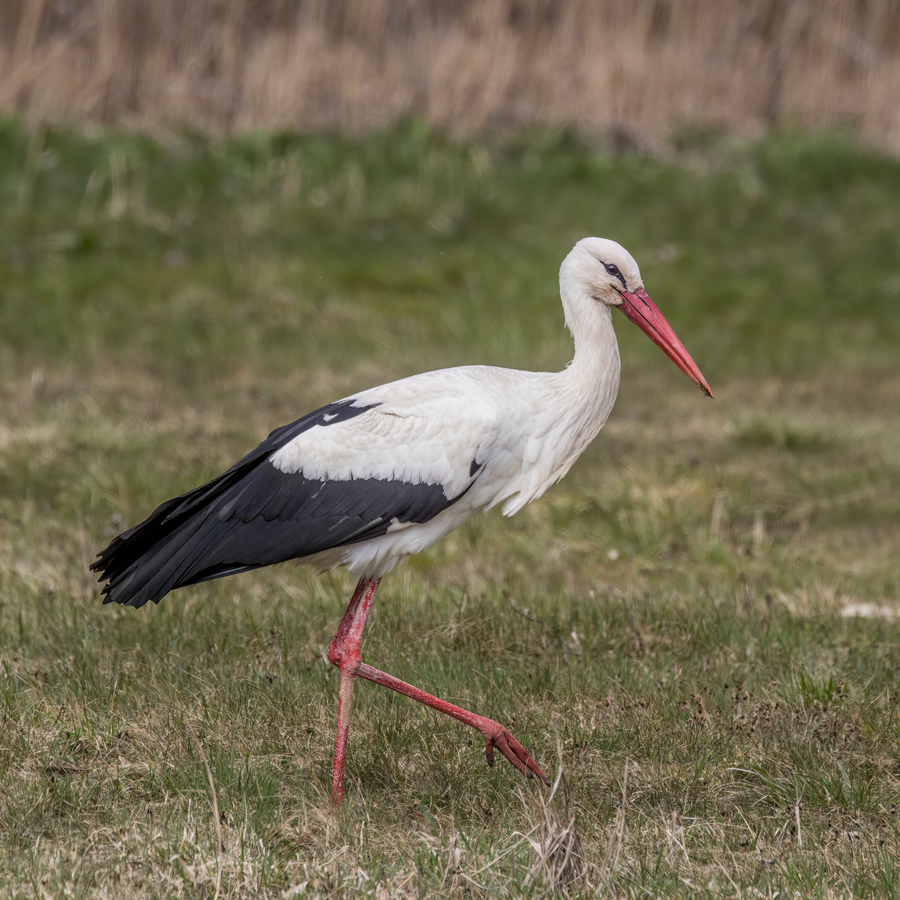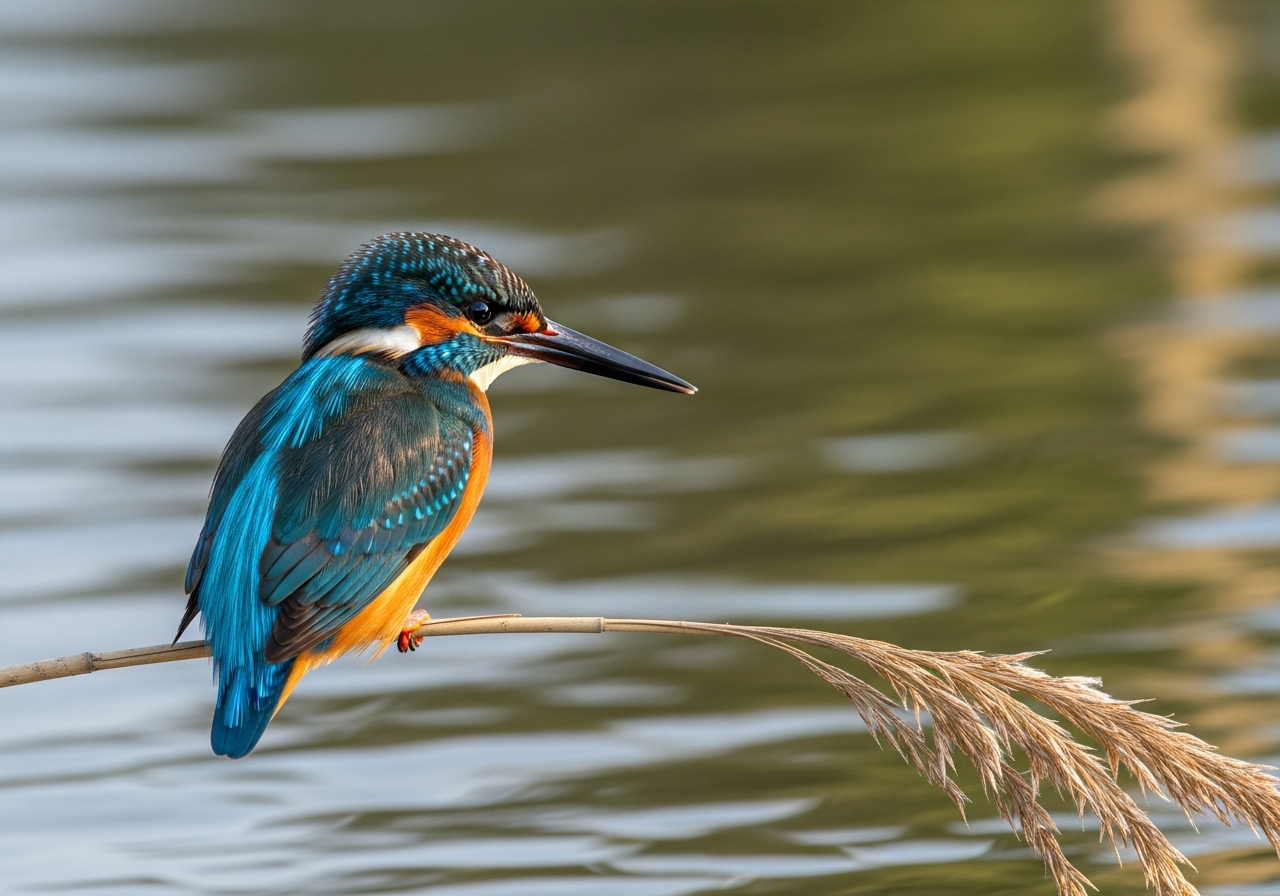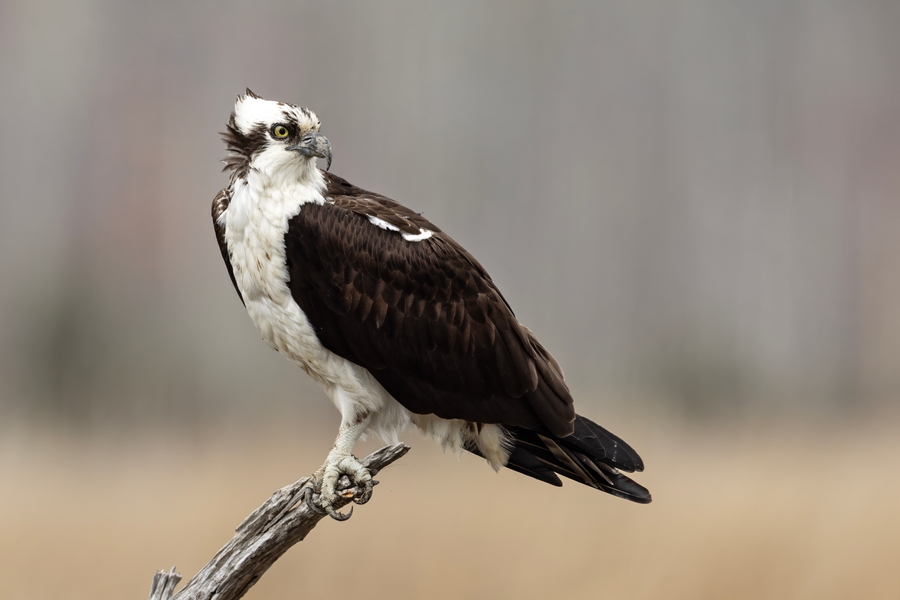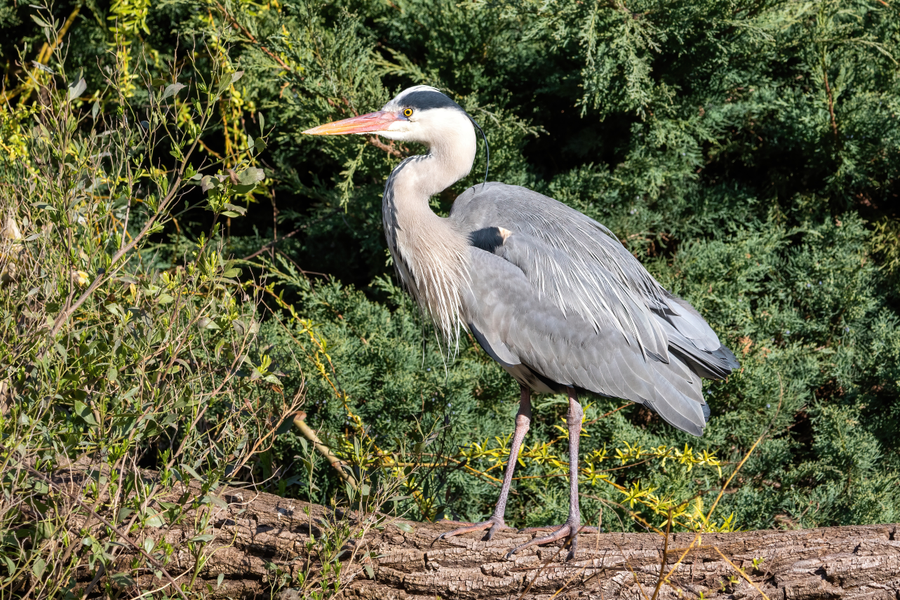
The grey heron (Ardea cinerea) is a bird of the family Ardeidae, in the order Pelecaniformes.
Quick answer
The grey heron (Ardea cinerea) is a tall, long-legged wading bird found in wetlands, rivers, and coasts across Eurasia and Africa. Standing up to a metre tall with grey, white, and black plumage, it hunts by standing motionless before spearing fish, amphibians, and small mammals with its dagger-like bill. A patient and adaptable predator, it can live up to 25 years and is listed as Least Concern.
Top questions about the Grey Heron
Grey Heron facts at a glance
- Weight 1.5 kg
- Length 1 m
- Top speed 40 km/h
- Lifespan 25 years
| Scientific name | Ardea cinerea |
|---|---|
| Diet | Carnivore — fish, amphibians, rodents, and birds |
| Habitat | Wetlands, rivers, and coasts across Eurasia and Africa |
| Lifespan | 15–25 years in the wild |
| Weight | 1–2 kg (2.2–4.4 lb) |
| Top speed | Up to 40 km/h (25 mph) in flight |
| Conservation status | Least Concern (IUCN) |
| Kingdom | Animalia |
|---|---|
| Phylum | Chordata |
| Class | Aves |
| Order | Pelecaniformes |
| Family | Ardeidae |
| Genus | Ardea |
Where it lives
The grey heron (Ardea cinerea) is native to Grey heron across Europe, Asia, and Africa from Britain to Japan and South Africa in wetlands and coasts. — recorded across Africa, Asia, Europe in this guide’s range summary.
For occurrence records, see GBIF species search and sources below.
How big is a grey heron?
An adult grey heron measures 1 m long — about 58% of the height of an average adult person (1.73 m) — and weighs around 1.5 kg, about 2% of an average adult’s body weight (70 kg).
Length vs an average adult’s height (to scale)
What is a group of grey herons called?
Group name (collective noun)
A group of Grey Herons is called a siege.
Baby name
A baby Grey Heron is called a chick.
Explore more animal collective nouns and baby animal names .
Patient hunting technique
The grey heron is the archetypal ambush hunter, standing frozen at the water's edge for long stretches before striking with astonishing speed. When a fish or frog moves within reach, the bird uncoils its S-shaped neck and spears or seizes the prey with its long, sharp bill. Fish form the bulk of its diet, but it also takes amphibians, small mammals, insects, and even ducklings. This patient, energy-efficient style lets it hunt successfully in almost any shallow water.
Appearance and flight
Grey herons are unmistakable, with pale grey upperparts, a white head and neck marked by a black eye-stripe and crest, and a long yellowish bill. In flight they fold the neck back into a distinctive S-shape and trail their long legs behind, beating broad wings slowly and steadily at up to 40 km/h (25 mph). Standing nearly a metre tall, they are among the largest and most familiar wetland birds of Europe. Their unhurried, deliberate movements make them easy to recognise even at a distance.
Wetland habitat
The grey heron occupies almost any body of water with fish, from rivers, lakes, and marshes to estuaries, coastlines, and even garden ponds. This adaptability has allowed it to thrive across a vast range spanning Eurasia and Africa. In many towns and cities it has become a bold and familiar sight, patrolling park lakes and raiding ornamental fish ponds. It needs only shallow water for hunting and nearby trees or reedbeds for roosting and nesting.
Nesting in colonies
Grey herons breed in colonies known as heronries, typically building large stick nests high in tall trees. The same sites are used year after year and may hold dozens of nests, making a noisy, conspicuous spectacle in early spring. The female usually lays three to five pale blue eggs, and both parents share incubation and feeding of the growing chicks. Young herons fledge after around seven to eight weeks but often return to be fed for a time afterwards.
Behaviour and lifespan
Outside the breeding season grey herons are largely solitary, defending favoured fishing spots and often standing hunched and motionless for hours. They are long-lived for a bird of their size, surviving 15 to 25 years in the wild, though many young birds do not make it through their first hard winter. Cold spells that freeze their hunting waters are one of the main causes of death. Their patience and adaptability otherwise make them resilient survivors.
Range and status
The grey heron is widespread and common throughout its enormous range across Europe, Asia, and Africa, and the IUCN lists it as Least Concern. Legal protection in many countries and its ease with human-altered habitats have helped keep populations healthy. It is one of the most familiar large birds of British and European waterways. Numbers can dip after severe winters but generally recover quickly.
Dig deeper into the Grey Heron
- Grey Heron: Key Facts
The grey heron stands motionless at water edges before spearing fish with its dagger bill, weighing about 1.5 kg and living 25 years.
- How Fast Is A Grey Heron?
Grey Heron top speed is up to about 40 km/h (25 mph) in flight. Sprint vs endurance and what limits pace.
- How Long Do Grey Herons Live?
Grey Heron lifespan is typically 15–25 years in the wild. What shortens or extends life, life stages, and status (Least Concern).
- What Do Grey Herons Eat?
What grey herons eat: Carnivore — fish, amphibians, rodents, and birds, foraging style, and seasonal shifts in Wetlands, rivers, and coasts across Eurasia and Africa.
- Where Do Grey Herons Live?
Where grey herons live: Wetlands, rivers, and coasts across Eurasia and Africa, native range cues, and human overlap. Status Least Concern.
Explore the Grey Heron
Close relatives
- Shoebill Same order
- Brown Pelican Same order
- Roseate Spoonbill Same order
- American White Ibis Same order
Did you know? Grey Heron facts
- Grey herons stand motionless at water edges before spearing fish with dagger bills.
- Herons fly with neck retracted; cranes extend necks.
- Yes — garden ponds attract herons, especially at dawn.
- Conservation: Least Concern.
Diet & feeding
Grey Heron feeds primarily as a fish, amphibians, small mammals. Herons wait minutes for prey, striking in milliseconds.
Adaptations
- Herons wait minutes for prey, striking in milliseconds.
- Pond fish in city parks support growing urban heron populations.
Behaviour & ecology
- Herons wait minutes for prey, striking in milliseconds.
- Pond fish in city parks support growing urban heron populations.
Communication
- Grey Heron uses calls and visual displays to communicate territory, alarm, and breeding status.
- Vocal repertoires vary by species and are often learned or refined during development.
Habitat & range
Wetlands, rivers, and coasts across Eurasia and Africa
Ecological role
Grey Heron contributes to seed dispersal, insect control, or nutrient cycling depending on diet and foraging habits.
Conservation status of the Grey Heron
The grey heron (Ardea cinerea) is listed as Least Concern on the IUCN Red List. Least Concern (LC) is the IUCN's lowest-risk category, assigned to widespread, abundant species that have been evaluated and found not to be threatened. It does not mean a species faces no pressures — only that it is not currently at risk of extinction.
The grey heron (Ardea cinerea) is assessed on the IUCN Red List. Look up on the IUCN Red List .
Frequently asked questions about the Grey Heron
What do grey herons eat?
Grey herons eat mainly fish, which they catch by standing still and spearing prey with their sharp bill. They also take amphibians, small mammals, insects, and occasionally ducklings and other small birds.
How tall is a grey heron?
A grey heron stands up to about a metre (roughly 3 feet) tall, making it one of the largest wetland birds in Europe. Despite its size it weighs only 1 to 2 kg, as birds have lightweight bones.
Why do herons stand so still?
Herons stand motionless to ambush prey without alarming it. By waiting patiently at the water's edge, they can strike the instant a fish or frog comes within reach of their long neck and bill.
Do herons nest together?
Yes, grey herons nest in colonies called heronries, usually high in tall trees. The same sites are reused each year and can hold dozens of large stick nests.
How long do grey herons live?
Grey herons can live 15 to 25 years in the wild, which is long for a bird of their size. Many young birds, however, die during their first winter if freezing weather locks up their fishing waters.
Are grey herons a threat to garden ponds?
They can be, as herons readily raid ornamental ponds for fish. Pond netting, cover, and hiding places for fish are the usual ways to deter them without harming the bird.
What is a group of grey herons called?
A group of Grey Herons is called a siege.
What is a baby grey heron called?
A baby Grey Heron is called a chick.
Sources & references
This guide is compiled and reviewed against established zoological and conservation references. Key sources for the Grey Heron:
-
IUCN Red List of Threatened Species
Conservation status (Least Concern) reflects the IUCN Red List category for Ardea cinerea.
-
iNaturalist — observations & photos
Search citizen-science observations and community IDs for Ardea cinerea. Useful for range checks and recent sightings — not a substitute for formal Red List status.
-
GBIF — occurrence data
Global Biodiversity Information Facility species search for Ardea cinerea. Explore published occurrence records used in range research.
-
eBird — bird observations
Cornell Lab eBird target search for Grey Heron. Check recent checklists and seasonal abundance where birders report this species.
- IUCN Red List — Ardea cinerea.
Conservation status (Least Concern) and population trends.
- Animal Diversity Web — Ardea cinerea. University of Michigan Museum of Zoology.
Life history, morphology, and range.
-
Global Animal Guide editorial standards
How we research, source, review, and update every guide for accuracy.