Image sourcing: see credits & licences
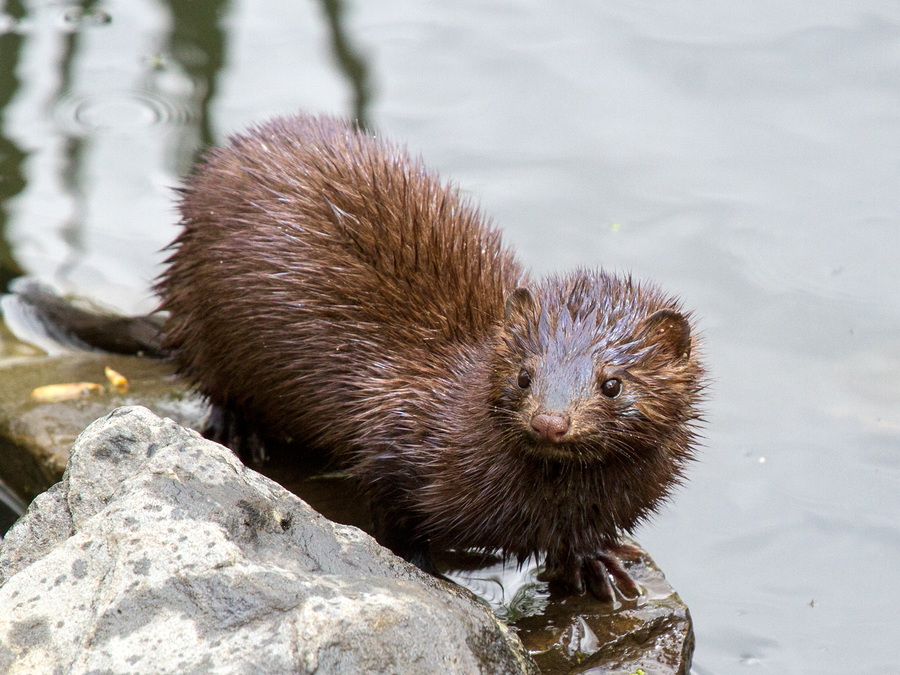
The American mink (Neogale vison) is a mammal of the weasel family, Mustelidae, in the order Carnivora.
Quick answer
The American mink (Neogale vison) is a sleek, semi-aquatic member of the weasel family, native to North America and widely introduced across Europe and Asia. About 60 cm long including the tail and weighing up to 1.6 kg, it has dark, water-repellent fur and hunts fish, birds, and small mammals along rivers and lakesides. An agile swimmer and climber, it lives up to ten years in the wild.
Top questions about the American Mink
American Mink facts at a glance
- Weight 1.5 kg
- Length 60 cm
- Top speed 25 km/h
- Lifespan 10 years
| Scientific name | Neogale vison |
|---|---|
| Diet | Carnivore — fish, birds, rodents, and amphibians |
| Habitat | Rivers, lakes, marshes, and coastlines |
| Lifespan | 3–10 years in the wild (longer in captivity) |
| Weight | 0.6–1.6 kg (1.3–3.5 lb); males larger than females |
| Top speed | Up to 25 km/h (16 mph) on land; strong swimmer |
| Conservation status | Least Concern (IUCN) |
| Kingdom | Animalia |
|---|---|
| Phylum | Chordata |
| Class | Mammalia |
| Order | Carnivora |
| Family | Mustelidae |
| Genus | Neogale |
Where it lives
The american mink (Neogale vison) is native to Native to North America from Alaska through Canada and the US; invasive in Europe, Iceland, South America, and parts of Asia from fur-farm escapes. — recorded across Africa, Asia, Europe, North America, South America in this guide’s range summary.
For occurrence records, see GBIF species search and sources below.
How big is a american mink?
An adult american mink measures 60 cm long — about 35% of the height of an average adult person (1.73 m) — and weighs around 1.5 kg, about 2% of an average adult’s body weight (70 kg).
Length vs an average adult’s height (to scale)
What is a group of american minks called?
Group name (collective noun)
A group of American Minks is called a pack.
Baby name
A baby American Mink is called a kit.
Explore more animal collective nouns and baby animal names .
Semi-aquatic hunting
The American mink is equally at home in water and on land, hunting fish, frogs, and crayfish beneath the surface and rodents, rabbits, and birds along the bank. It swims strongly and can dive to catch prey, using partially webbed feet and a streamlined body. On land it moves in a bounding gait at up to 25 km/h (16 mph) and readily climbs to reach nests. This versatility makes it one of the most effective small predators of wetland habitats.
Fur and body
Mink are prized for their dense, glossy, water-repellent fur, which ranges from rich chocolate brown to nearly black, usually with a small white patch on the chin or chest. The coat traps a layer of air that keeps the animal warm and dry even in cold water. A long, low-slung body and short legs suit a life of squeezing into burrows and diving after prey. Males are noticeably larger and heavier than females.
Territory and behaviour
American mink are solitary and territorial, marking the banks of their home range with a strong-smelling secretion from scent glands. Each individual patrols a stretch of waterway, often using several dens among tree roots, rocks, or abandoned burrows. They are active mainly at dawn and dusk and largely avoid one another except to breed. Females hold smaller territories that may overlap with a larger male's range.
Breeding and kits
Mink breed in late winter and early spring, and after a variable gestation the female gives birth to a litter of around four to six kits in a sheltered den. The young are born blind and helpless and are cared for solely by the mother. They are weaned at roughly eight weeks and become independent by late summer, dispersing to establish territories of their own. Most are ready to breed by the following year.
An invasive species in Europe
Although native to North America, the American mink has spread widely across Europe and parts of Asia after escaping and being released from fur farms. In these regions it is a damaging invasive species, preying heavily on ground-nesting birds, water voles, and other native wildlife that lack defences against it. In Britain it has been a major factor in the decline of the water vole. Control programmes now aim to protect vulnerable native species from its impact.
Distribution and status
In its native North America the American mink is common and widespread along rivers, lakes, marshes, and coastlines, and the IUCN lists it as Least Concern. It tolerates a wide range of wetland habitats and is not threatened across its natural range. Wild mink live three to ten years, with survival often limited by harsh winters and larger predators. Its adaptability is exactly what makes it such a successful colonist elsewhere.
Dig deeper into the American Mink
- How Long Do American Minks Live?
American Mink lifespan is typically 3–10 years in the wild (longer in captivity). What shortens or extends life, life stages, and status (Least Concern).
- Mink Aquatic Hunting
The American mink is a sleek semi-aquatic carnivore native to North America and introduced to Europe and elsewhere via fur farms.
- Mink Fur Farm Legacy
The American mink is a sleek semi-aquatic carnivore native to North America and introduced to Europe and elsewhere via fur farms.
- What Do American Minks Eat?
What American minks eat: Carnivore — fish, birds, rodents, and amphibians, foraging style, and seasonal shifts in Rivers, lakes, marshes, and coastlines.
- Where Do American Minks Live?
Where American minks live: Rivers, lakes, marshes, and coastlines, native range cues, and human overlap. Status Least Concern.
Explore the American Mink
Compare
Close relatives
- Honey Badger Same family
- Wolverine Same family
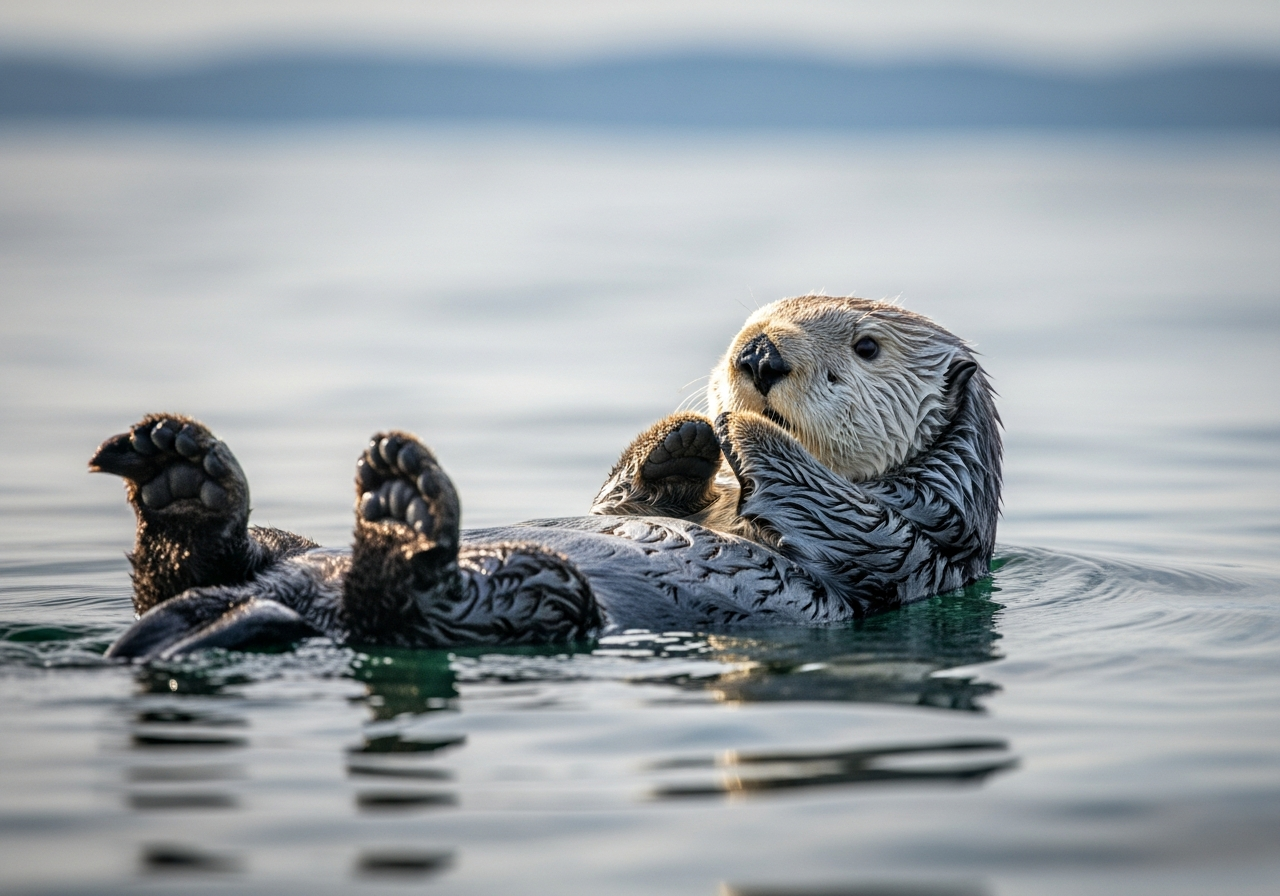
- Sea Otter Same family
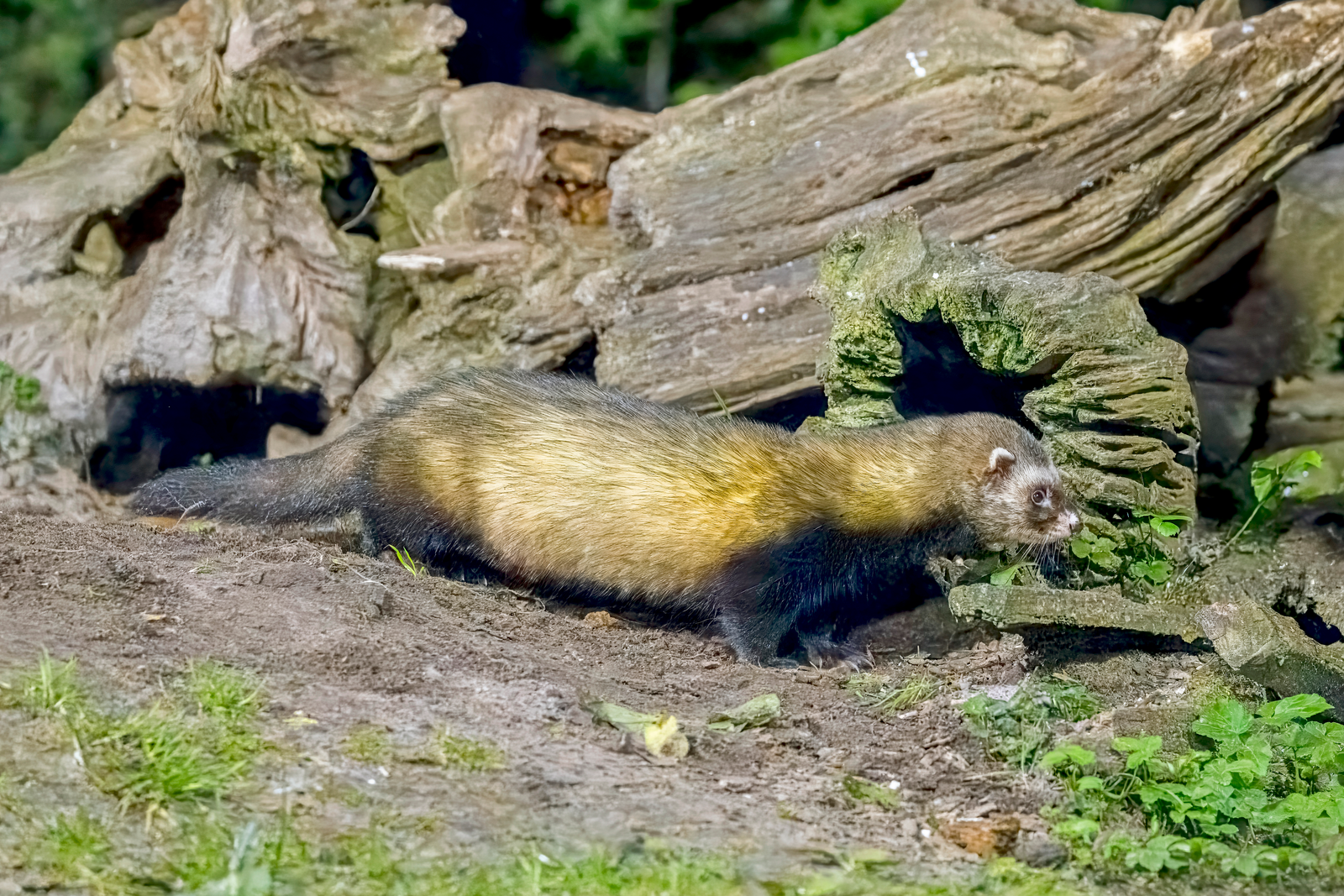
- Ferret Same family
Did you know? American Mink facts
- American mink are sleek, semi-aquatic carnivores native to North America and introduced to Europe.
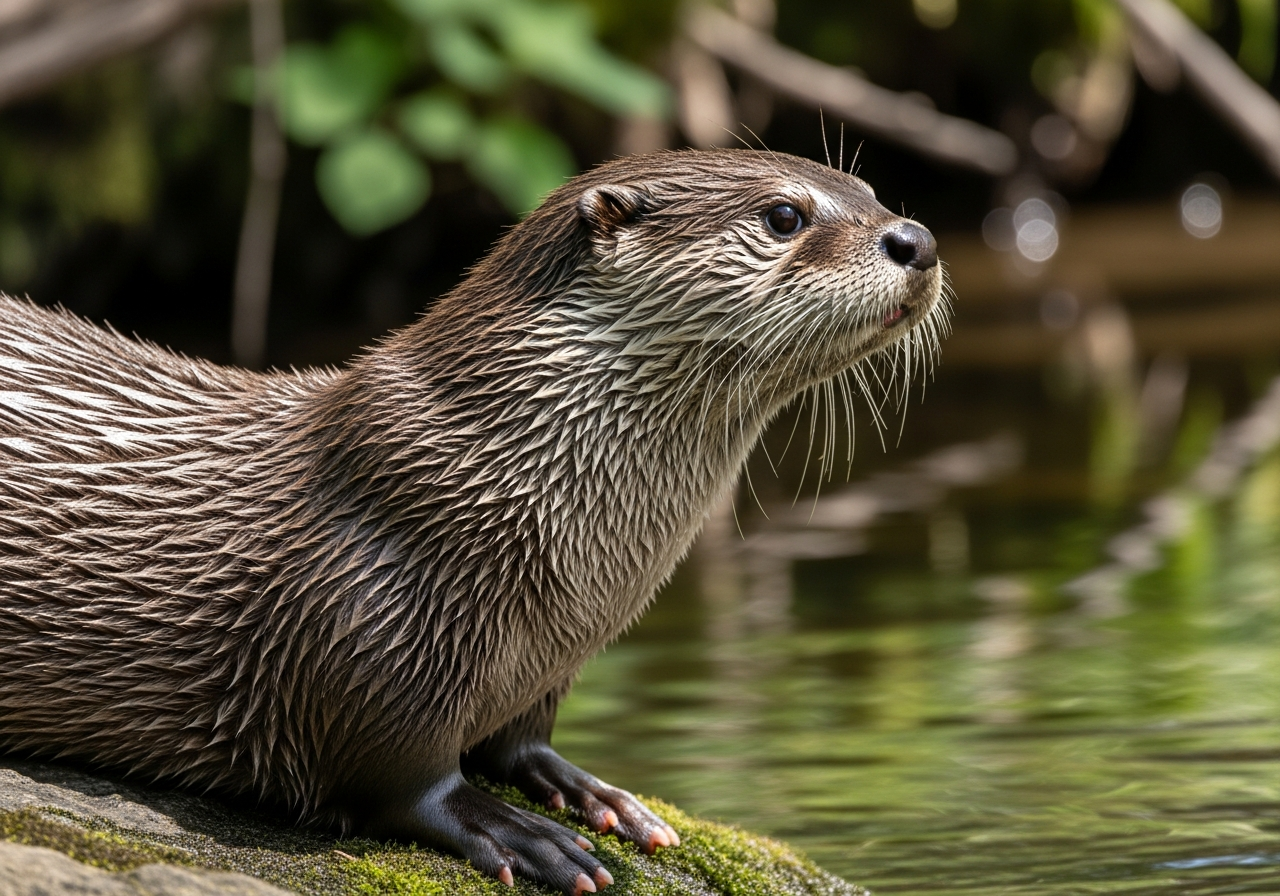
- Otters are larger, more social, and primarily fish specialists; mink are solitary generalists.
- No — they remain active year-round with thicker winter coats.
- Conservation: Least Concern.
Diet & feeding
American Mink feeds primarily as a fish, birds, rodents. Escaped fur-farm mink threaten native European water voles and ground-nesting birds.
Adaptations
- Partially webbed feet and oily fur make mink efficient underwater predators.
- Escaped fur-farm mink threaten native European water voles and ground-nesting birds.
Behaviour & ecology
- Partially webbed feet and oily fur make mink efficient underwater predators.
- Escaped fur-farm mink threaten native European water voles and ground-nesting birds.
Communication
- American Mink uses scent, posture, and vocal signals to mark territory and coordinate social behaviour.
- Communication intensity often peaks during breeding seasons and territorial disputes.
Habitat & range
Rivers, lakes, and coastlines
Ecological role
American Mink plays a recognised ecological role in rivers, lakes, and coastlines.
Conservation status of the American Mink
The american mink (Neogale vison) is listed as Least Concern on the IUCN Red List. Least Concern (LC) is the IUCN's lowest-risk category, assigned to widespread, abundant species that have been evaluated and found not to be threatened. It does not mean a species faces no pressures — only that it is not currently at risk of extinction.
The american mink (Neogale vison) is assessed on the IUCN Red List. Look up on the IUCN Red List .
Frequently asked questions about the American Mink
Is the American mink the same as the European mink?
No, they are different species. The American mink (Neogale vison) is larger and now widespread in Europe as an invasive animal, while the native European mink is a separate, rarer species that has declined sharply, partly due to competition from its American relative.
What do American mink eat?
American mink are carnivores that hunt fish, frogs, and crayfish in the water and rodents, rabbits, and birds on land. Their varied diet and willingness to hunt both in and out of water make them highly effective predators.
Can mink swim?
Yes, mink are excellent swimmers and divers, with partly webbed feet and water-repellent fur. They regularly hunt underwater prey such as fish and crayfish.
Why are American mink a problem in Britain?
American mink escaped and were released from fur farms and have since spread across Britain, where they are an invasive species. They prey heavily on native wildlife such as water voles and ground-nesting birds, contributing to serious declines.
How long do American mink live?
In the wild, American mink typically live three to ten years, though many die younger. Captive animals tend to live longer thanks to steady food and shelter.
How big is an American mink?
Including the tail, an American mink is about 60 cm long and weighs between 0.6 and 1.6 kg (1.3 to 3.5 lb). Males are considerably larger than females.
What is a group of american minks called?
A group of American Minks is called a pack.
What is a baby american mink called?
A baby American Mink is called a kit.
Sources & references
This guide is compiled and reviewed against established zoological and conservation references. Key sources for the American Mink:
-
IUCN Red List of Threatened Species
Conservation status (Least Concern) reflects the IUCN Red List category for Neogale vison.
-
iNaturalist — observations & photos
Search citizen-science observations and community IDs for Neogale vison. Useful for range checks and recent sightings — not a substitute for formal Red List status.
-
GBIF — occurrence data
Global Biodiversity Information Facility species search for Neogale vison. Explore published occurrence records used in range research.
- IUCN Red List — Neogale vison.
Conservation status (Least Concern) and population trends.
- Animal Diversity Web — Neogale vison. University of Michigan Museum of Zoology.
Life history, morphology, and range.
-
Global Animal Guide editorial standards
How we research, source, review, and update every guide for accuracy.