Image sourcing: see credits & licences
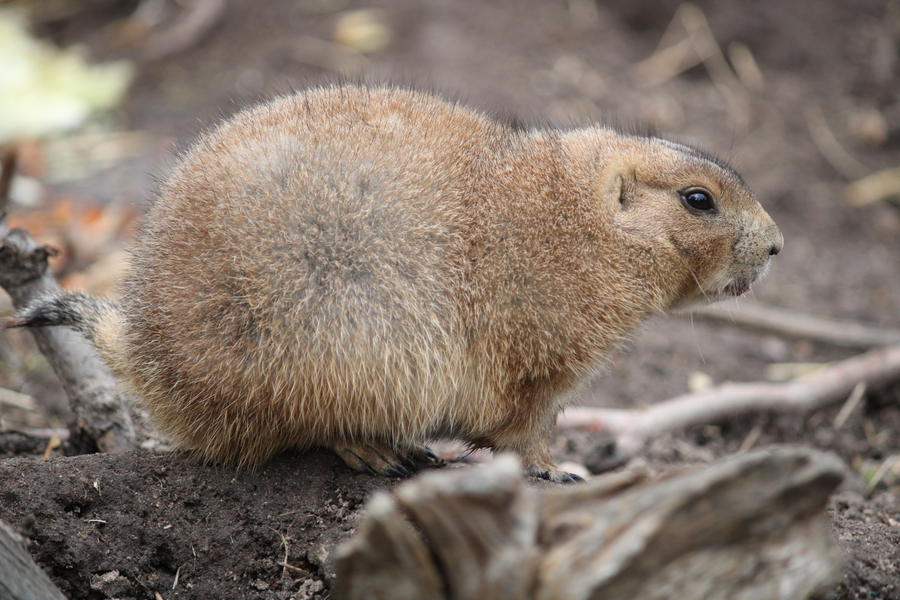
The black-tailed prairie dog (Cynomys ludovicianus) is a mammal of the family Sciuridae, in the order Rodentia.
Quick answer
The black-tailed prairie dog is a burrowing ground squirrel of the shortgrass and mixed-grass plains of central North America, not a dog at all. It grows to about 40 cm long and 0.7 to 1.5 kg, and lives in vast underground colonies known as towns. Highly social and vocal, these rodents graze on grasses and forbs and typically live 3 to 8 years in the wild.
Top questions about the Black-tailed Prairie Dog
Black-tailed Prairie Dog facts at a glance
- Weight 1.5 kg
- Length 40 cm
- Top speed 24 km/h
- Lifespan 8 years
| Scientific name | Cynomys ludovicianus |
|---|---|
| Diet | Herbivore — grasses, forbs, and roots |
| Habitat | Shortgrass and mixed-grass prairie of central North America |
| Lifespan | 3–8 years in the wild |
| Weight | 0.7–1.5 kg (1.5–3.3 lb) |
| Top speed | Up to 24 km/h (15 mph) to burrow |
| Conservation status | Least Concern (IUCN) |
| Kingdom | Animalia |
|---|---|
| Phylum | Chordata |
| Class | Mammalia |
| Order | Rodentia |
| Family | Sciuridae |
| Genus | Cynomys |
Where it lives
The black-tailed prairie dog (Cynomys ludovicianus) is native to Shortgrass prairie of the Great Plains from Montana and North Dakota to Texas and northeastern Mexico. — recorded across North America in this guide’s range summary.
For occurrence records, see GBIF species search and sources below.
How big is a black-tailed prairie dog?
An adult black-tailed prairie dog measures 40 cm long — about 23% of the height of an average adult person (1.73 m) — and weighs around 1.5 kg, about 2% of an average adult’s body weight (70 kg).
Length vs an average adult’s height (to scale)
What is a group of black-tailed prairie dogs called?
Group name (collective noun)
A group of Black-tailed Prairie Dogs is called a town.
Baby name
A baby Black-tailed Prairie Dog is called a pup.
Explore more animal collective nouns and baby animal names .
Life underground in the town
Black-tailed prairie dogs live in sprawling colonies called towns, which are divided into family groups known as coteries. A coterie usually holds one adult male, several females, and their young, all sharing and defending a network of tunnels. Their burrows include separate chambers for sleeping, nurseries, and even listening posts near the entrance, along with raised mounds that keep out floodwater and serve as lookout platforms. Historically these towns could stretch for miles and hold thousands of animals.
Grazing and diet
These rodents are strict herbivores that feed mainly on grasses, forbs, and the occasional root or seed. They clip vegetation short around their burrows, partly for food and partly to keep a clear line of sight for predators. This grazing and the constant reworking of the soil enrich the surrounding grassland and encourage fresh plant growth. In dry spells they can get much of the moisture they need directly from the plants they eat.
The famous alarm calls
Prairie dogs have one of the most sophisticated warning systems known in any mammal. Sentries posted on mounds give sharp, chirping alarm calls that can carry different information about the type of predator approaching, whether a hawk, coyote, or human. Researchers have found that these calls even vary with the size, shape, and colour of an intruder. When danger passes, colony members often perform a distinctive jump-yip display, throwing their forelegs up and calling in a wave that ripples across the town.
A keystone species of the plains
Black-tailed prairie dogs are considered a keystone species because so much of the grassland ecosystem depends on them. Their abandoned burrows shelter burrowing owls, snakes, and countless invertebrates, while the animals themselves are a vital food source for predators. The black-footed ferret, one of North America's rarest mammals, relies almost entirely on prairie dogs to survive. Where prairie dog towns vanish, many of these dependent species decline with them.
Breeding and family life
Prairie dogs breed once a year, usually in late winter or early spring, with a gestation of roughly a month. Litters of three to five pups are born and raised underground, emerging above ground after about six weeks. Young of the year often stay within their birth coterie, and adults greet one another with a distinctive open-mouthed nuzzle that looks much like a kiss. Females are the stable core of the family group, while young males typically disperse to found or join other coteries.
Population and threats
Although still listed as Least Concern by the IUCN, black-tailed prairie dogs occupy only a small fraction of their former range. Conversion of prairie to farmland, poisoning campaigns, and outbreaks of introduced sylvatic plague have all reduced their numbers dramatically over the last century. Because they can compete with livestock for forage, they have long been treated as pests by ranchers. Conservationists now work to protect surviving towns, recognising how many other prairie animals depend on them.
Dig deeper into the Black-tailed Prairie Dog
- How Long Do Black-tailed Prairie Dogs Live?
Black-tailed Prairie Dog lifespan is typically 3–8 years in the wild. What shortens or extends life, life stages, and status (Least Concern).
- Prairie Dog Complex Alarm Calls
Black-tailed prairie dogs live in vast underground towns across North American shortgrass prairie, supporting hawks, black-footed ferrets, and burrowing owls.
- Prairie Dog Keystone Engineer
Black-tailed prairie dogs live in vast underground towns across North American shortgrass prairie, supporting hawks, black-footed ferrets, and burrowing owls.
- What Do Black-tailed Prairie Dogs Eat?
What black-tailed prairie dogs eat: Herbivore — grasses, forbs, and roots, foraging style, and seasonal shifts in Shortgrass and mixed-grass prairie of central North America.
- Where Do Black-tailed Prairie Dogs Live?
Where black-tailed prairie dogs live: Shortgrass and mixed-grass prairie of central North America, native range cues, and human overlap. Status Least Concern.
Explore the Black-tailed Prairie Dog
Close relatives
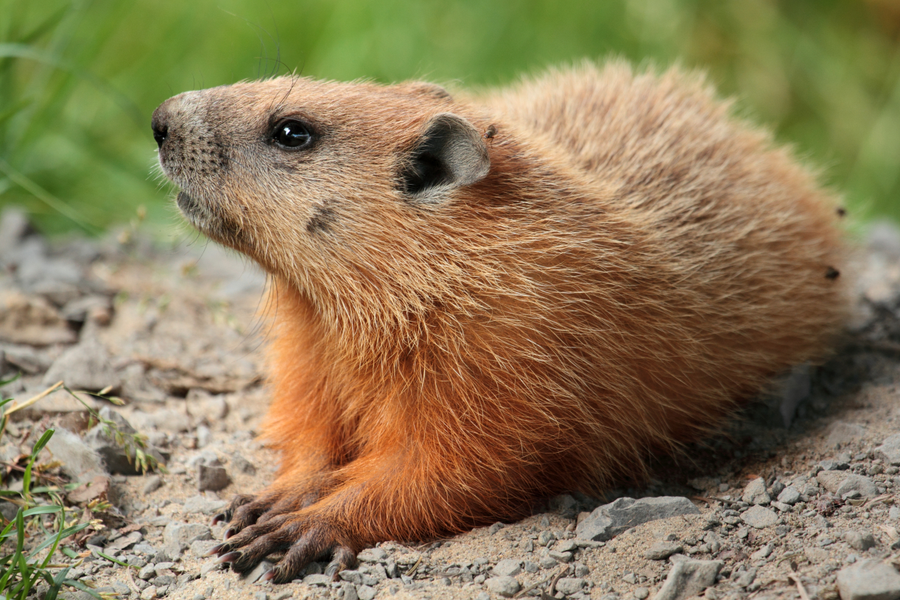
- Groundhog Same family
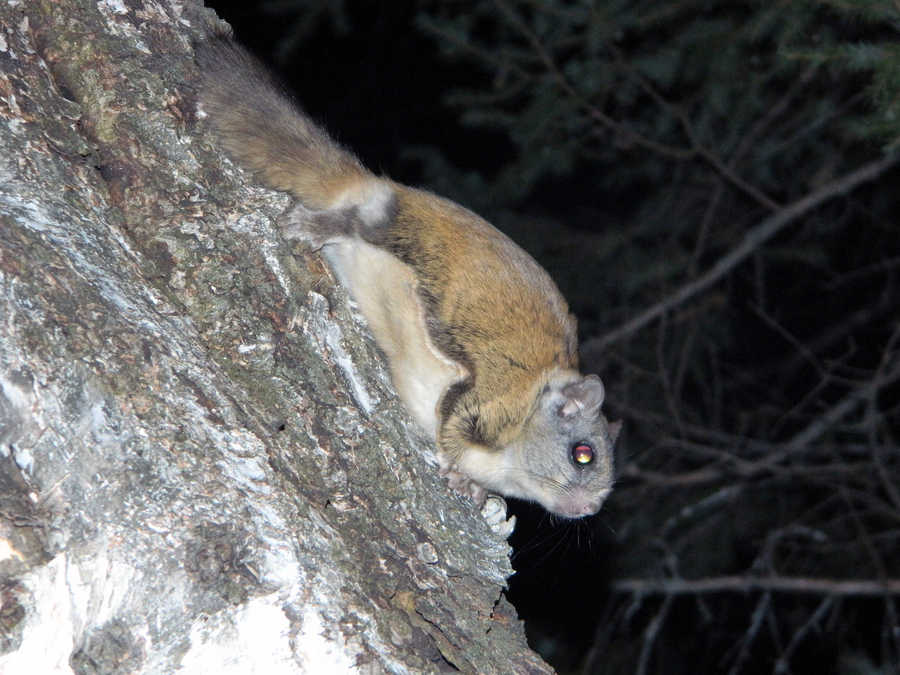
- Northern Flying Squirrel Same family
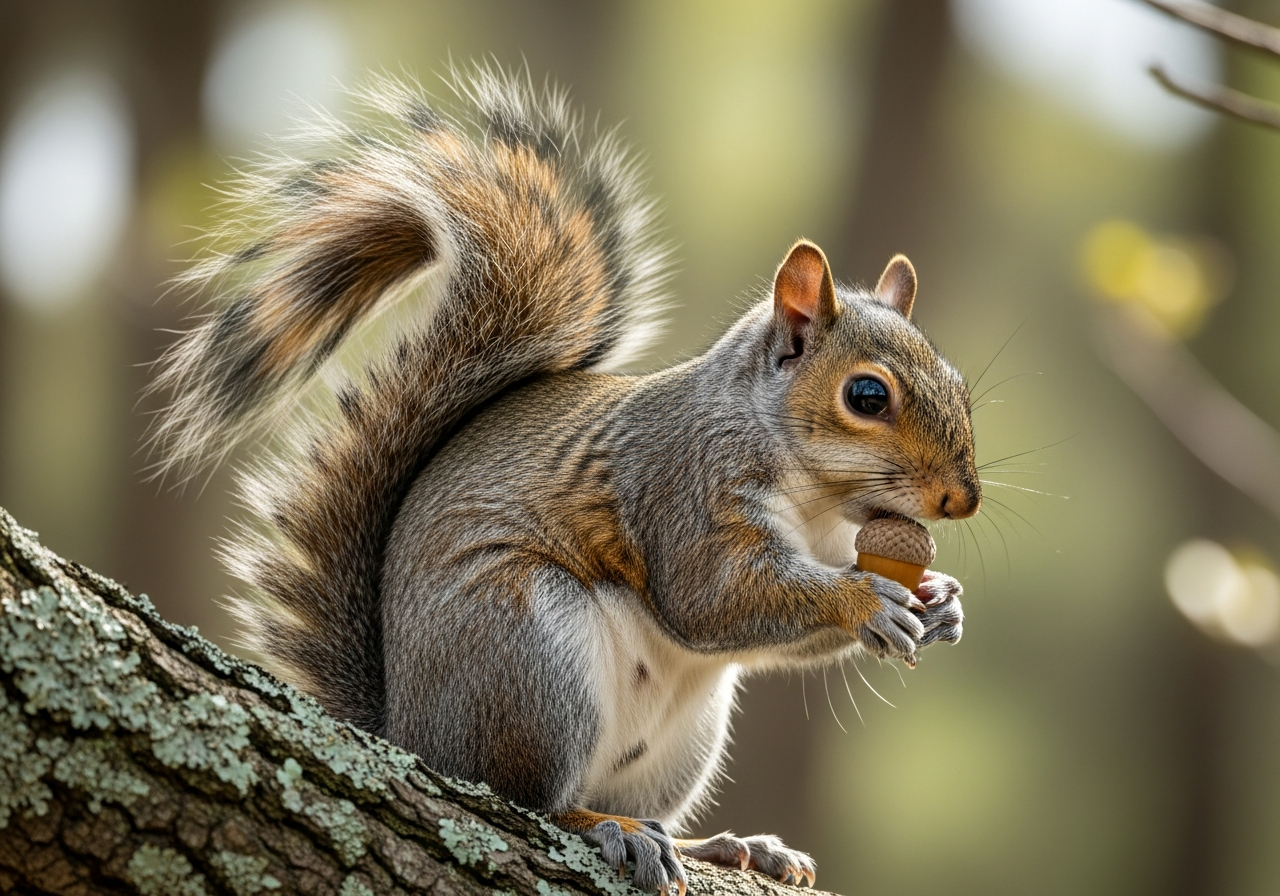
- Squirrel Same family
- Chipmunk Same family
Range & geography
Did you know? Black-tailed Prairie Dog facts
- Black-tailed prairie dogs live in vast underground towns that support hawks, ferrets, and burrowing owls.
- No — prairie dogs are social squirrels above ground; gophers are solitary burrowers.
- Ranchers historically viewed them as competing with livestock for grass.
- Conservation: Least Concern.
Diet & feeding
Black-tailed Prairie Dog feeds primarily as a grasses and forbs.
Adaptations
- Prairie dog colonies increase plant diversity and provide homes for dozens of species.
- Distinct calls warn of hawks versus coyotes, prompting different escape responses.
Behaviour & ecology
- Prairie dog colonies increase plant diversity and provide homes for dozens of species.
- Distinct calls warn of hawks versus coyotes, prompting different escape responses.
Communication
- Black-tailed Prairie Dog uses scent, posture, and vocal signals to mark territory and coordinate social behaviour.
- Communication intensity often peaks during breeding seasons and territorial disputes.
Habitat & range
North American shortgrass prairie
Ecological role
Black-tailed Prairie Dog plays a recognised ecological role in north american shortgrass prairie.
Conservation status of the Black-tailed Prairie Dog
The black-tailed prairie dog (Cynomys ludovicianus) is listed as Least Concern on the IUCN Red List. Least Concern (LC) is the IUCN's lowest-risk category, assigned to widespread, abundant species that have been evaluated and found not to be threatened. It does not mean a species faces no pressures — only that it is not currently at risk of extinction.
The black-tailed prairie dog (Cynomys ludovicianus) is assessed on the IUCN Red List. Look up on the IUCN Red List .
Frequently asked questions about the Black-tailed Prairie Dog
Is a prairie dog actually a dog?
No. Despite the name, prairie dogs are burrowing rodents in the squirrel family. They earned the name from their sharp, bark-like alarm calls, which early settlers thought resembled a dog's yip.
How big do prairie dogs get?
Black-tailed prairie dogs reach about 40 cm in length and weigh between 0.7 and 1.5 kg. Males are usually a little heavier than females, especially before winter.
What is a prairie dog town?
A town is a large colony of prairie dogs made up of many family groups called coteries. Each coterie defends its own section of interconnected burrows, and historically some towns stretched for miles and held thousands of animals.
What do prairie dogs eat?
They are herbivores that graze on grasses, forbs, roots, and seeds. They clip the vegetation around their burrows short, which helps them spot approaching predators as well as providing food.
How long do prairie dogs live?
In the wild, black-tailed prairie dogs typically live 3 to 8 years. Predation, disease, and harsh winters mean many do not reach the upper end of that range.
Why are prairie dogs important to the ecosystem?
They are a keystone species whose burrows and grazing support many other prairie animals. Burrowing owls, snakes, and the endangered black-footed ferret all depend on prairie dog colonies for shelter or food.
What is a group of black-tailed prairie dogs called?
A group of Black-tailed Prairie Dogs is called a town.
What is a baby black-tailed prairie dog called?
A baby Black-tailed Prairie Dog is called a pup.
Sources & references
This guide is compiled and reviewed against established zoological and conservation references. Key sources for the Black-tailed Prairie Dog:
-
IUCN Red List of Threatened Species
Conservation status (Least Concern) reflects the IUCN Red List category for Cynomys ludovicianus.
-
iNaturalist — observations & photos
Search citizen-science observations and community IDs for Cynomys ludovicianus. Useful for range checks and recent sightings — not a substitute for formal Red List status.
-
GBIF — occurrence data
Global Biodiversity Information Facility species search for Cynomys ludovicianus. Explore published occurrence records used in range research.
- IUCN Red List — Cynomys ludovicianus.
Conservation status (Least Concern) and population trends.
- Animal Diversity Web — Cynomys ludovicianus. University of Michigan Museum of Zoology.
Life history, morphology, and range.
-
Global Animal Guide editorial standards
How we research, source, review, and update every guide for accuracy.